Engineered for Data Centers, Telecommunication Networks, and High-Density Industrial Environments
Modern structural cabling mandates reliable, high-bandwidth copper connections capable of supporting high-frequency operation and power delivery.
For decades, field termination of Category 6 (Cat6) and Category 6A (Cat6A) UTP/STP cables relied heavily on impact punch-down tools. While functional, punch-down methodology introduces human-error variables: uneven wire tension, micro-fractures in the copper conductor, and suboptimal contact impedance. The introduction of toolless RJ45 connectors addresses these physical limitations through standardized mechanical integration.
Toolless connectors leverage integrated lever or hinge-lock mechanisms that apply uniform, calibrated pressure across all 8 pins simultaneously. By utilizing internal Insulation Displacement Contacts (IDC) designed to seal wires when closed, these connectors minimize contact resistance and ensure high signal integrity, making them critical components in modern telecommunications.
As networks scale from 1Gbps (Cat5e/Cat6) to 10Gbps (Cat6A) and 40Gbps (Cat8), insertion loss, return loss, and crosstalk (NEXT/FEXT) become highly sensitive to termination consistency. Chinese manufacturing centers have transitioned to advanced electromagnetic simulation and die-cast zinc-alloy shielding structures.
By integrating 360-degree shielding covers, these toolless connectors provide superior attenuation of alien crosstalk (ANEXT), preventing external electromagnetic interference (EMI) from degrading package delivery inside the physical layer.
Analyzing mechanical, electrical, and materials engineering evolutions supporting IEEE ethernet protocols.
Traditional RJ45 architectures optimized for 250 MHz are inadequate for the 500 MHz and 2000 MHz frequencies mandated by Cat6A and Cat8 standards. Next-generation toolless connectors utilize optimized internal PCB paths to counterbalance parasitic capacitance and loop inductance directly at the IDC pins, ensuring stable return loss performance at frequencies up to 2 GHz.
Power over Ethernet requirements have scaled up to 90W/100W (Type 4 PoE). When disconnecting a live patch cord under load, electrical arcing occurs. Modern toolless designs optimize contact surfaces, keeping the physical contact point far from the electrical path. This prevents arcing damage from degrading the contact area, ensuring reliable long-term operations.
To survive harsh industrial environments, housings are transitioning from polycarbonates to die-cast zinc-alloy structures. Metal housings not only improve structural integrity but also offer superior grounding paths, enabling optimal shielding performance against high-frequency electromagnetic interference.
A benchmark for export quality, technical innovation, and global compliance in high-speed optical and copper interconnects.
Deploying high-density toolless connection systems across diverse infrastructure landscapes.
In hyperscale data centers, cabling density is critical. High-density patch panels require connectors with narrow footprints. Toolless RJ45 keystone jacks allow side-by-side configurations of up to 48 ports in a 1U rack.
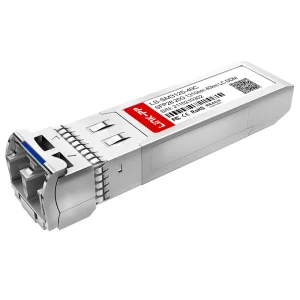
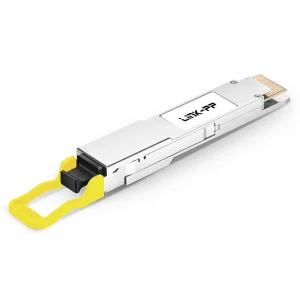
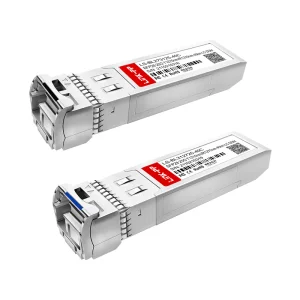
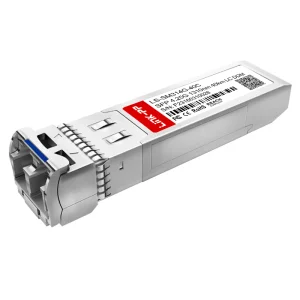
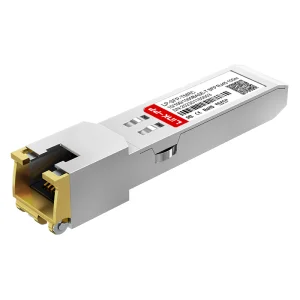
By integrating these connectors with fiber optic transceivers, operators can manage mixed-media networks efficiently. This flexibility facilitates transitions from high-speed copper connections to optical fiber transceivers (such as SFP28 or QSFP-DD modules) to suit different throughput requirements.
Modern structural cabling supports more than just personal computers; it is the foundation for IP cameras, Wi-Fi 6E/7 access points, and building automation controllers. The use of toolless terminators makes field installations simpler and faster, lowering labor costs and reducing the risk of installation-related connection failures.
Industrial floors expose cabling components to vibrations, humidity, chemical agents, and electromagnetic noise. Toolless connectors feature specialized strain-relief boots and metal latches to secure connections against continuous vibrations.
These connectors prevent physical shifts at the wire-IDC interface, ensuring constant contact pressure and maintaining link integrity under mechanical stress.
How domestic tooling capability, supply ecosystems, and automation drive global quality-cost optimization.
By working with a network of certified upstream suppliers (such as Transolix's 860+ supplier network), factories can source quality materials like phosphor bronze contacts, gold-plating components, and specialized polymers. This mitigates supply bottlenecks and ensures consistent raw material quality.
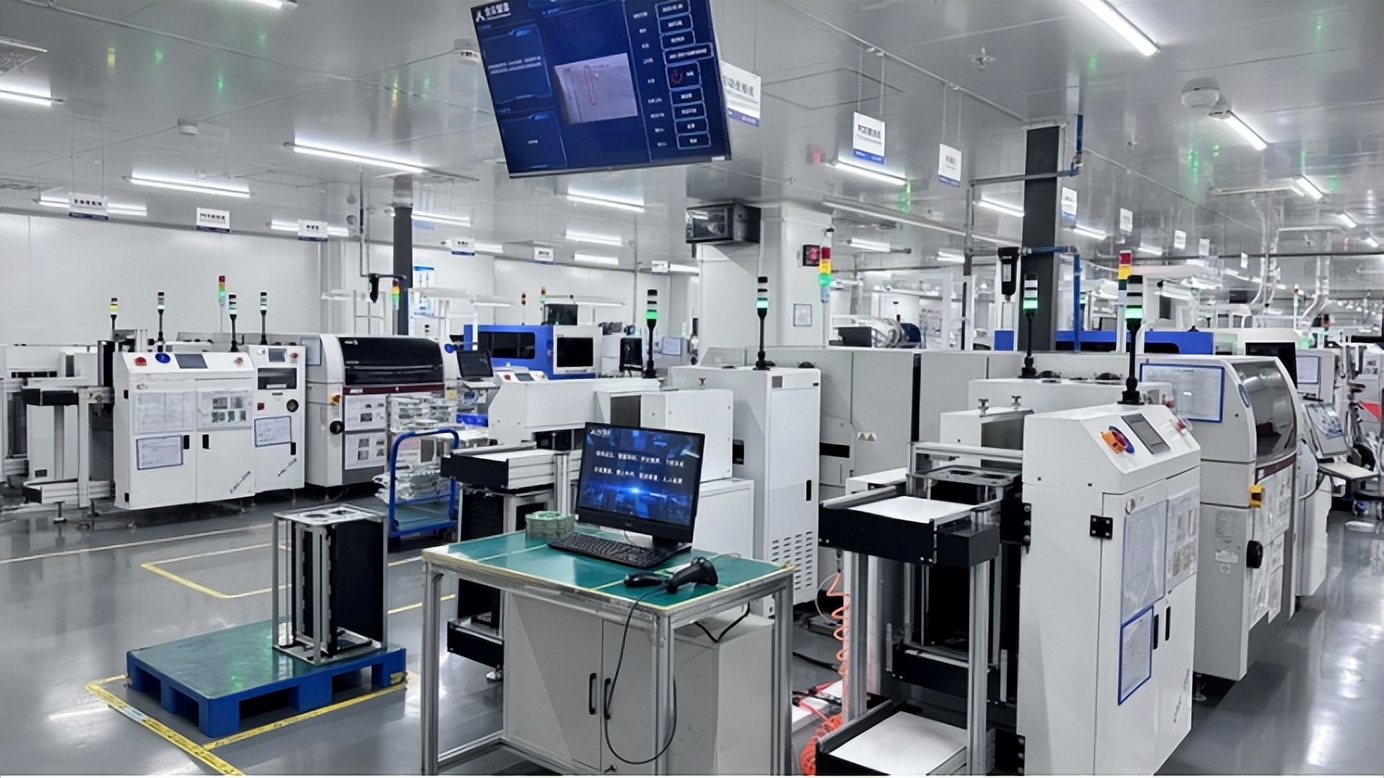
High-throughput lines utilize high-resolution camera systems and optical sorting to verify pin dimensions, alignment, and housing integrity. This automated inspection flags microscopic defects that manual QC checks might miss, improving manufacturing yields.
To ensure global compliance, reputable China factories conduct Fluke testing (channel and permanent link tests) for every production batch. This testing generates detailed reports on NEXT, RL, and insertion loss margins, providing verifiable performance documentation for international buyers.
A comparative guide for procurement officers and system integrators sourcing high-performance RJ45 systems.
Answering technical, quality control, and logistics questions about toolless RJ45 connectors.
High-speed copper modules, optical transceivers, and discrete magnetic components.
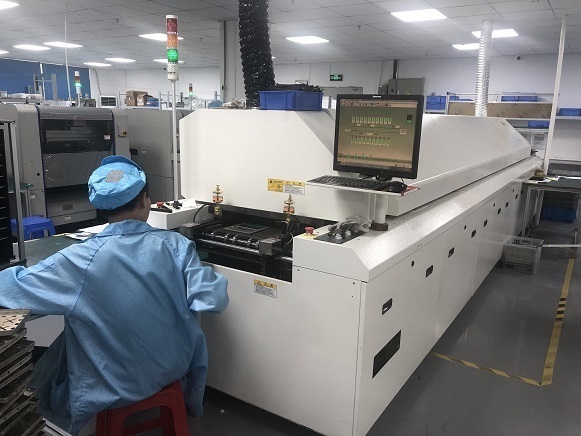
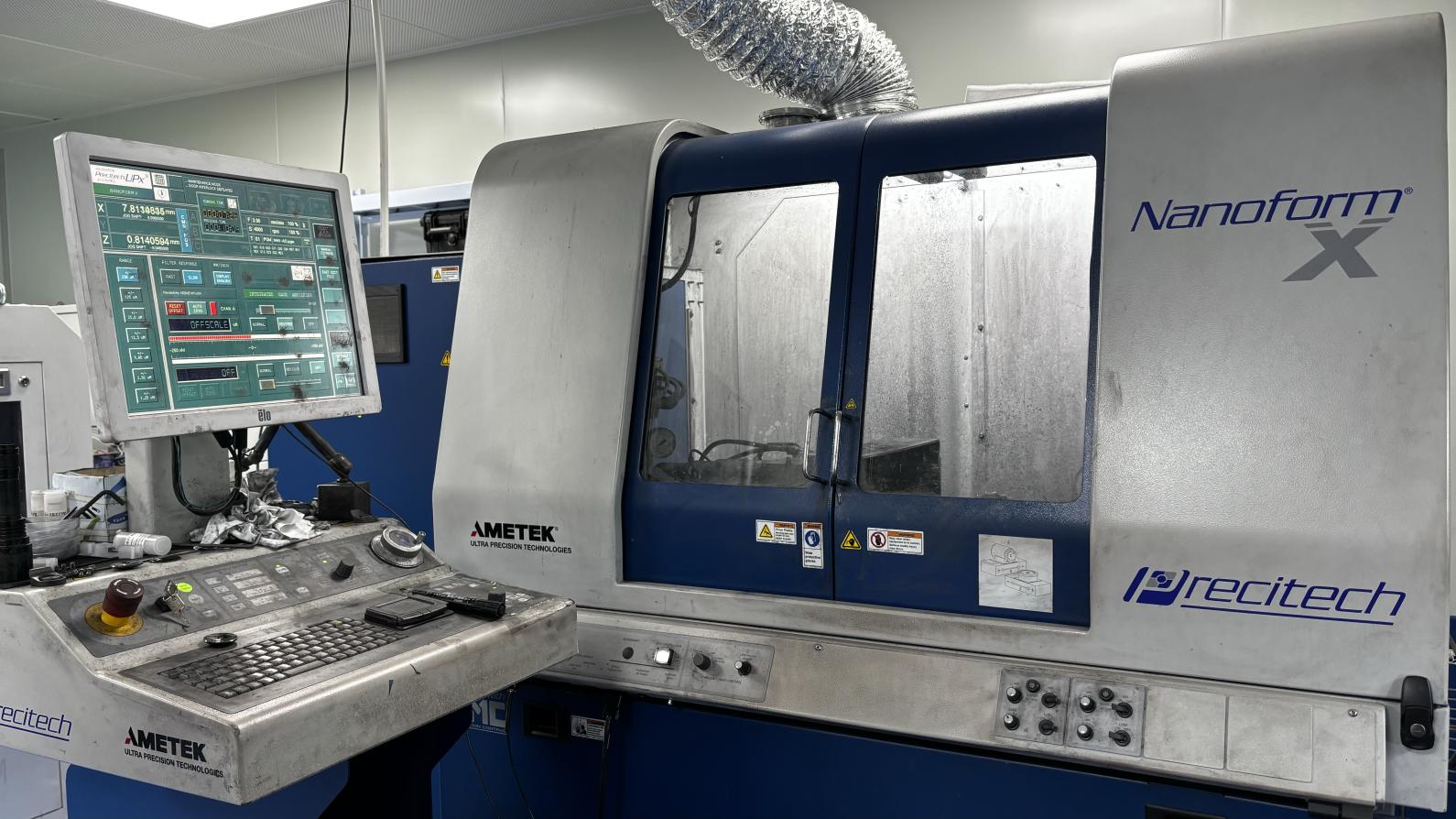
A look into our manufacturing lines, cleanrooms, and testing machinery.



 Transolix