Barcelona has transcended its traditional economic boundaries to emerge as one of Europe's most vital digital gateways. Driven by initiatives like the 22@ Barcelona District, the metropolitan area has established itself as an innovative smart city laboratory and a primary point of presence for global subsea cables. The emergence of the Barcelona Cable Landing Station (CLS) has turned Catalonia into a critical connection point for high-speed fiber routes bridging Asia, Africa, and America directly to continental Europe.
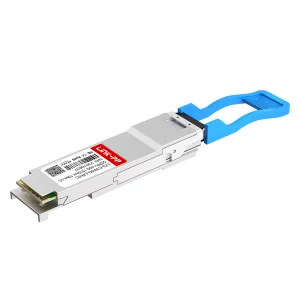
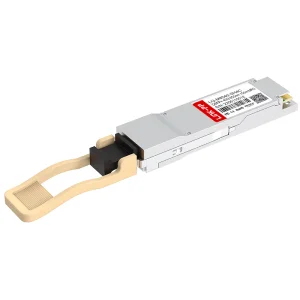
This booming infrastructure demands a reliable physical-layer network. Local data centers operated by giants such as Equinix, EdgeConneX, and Merlin Properties require high-density, low-latency, and zero-defect optical components to handle traffic spikes. For network architects and procurement leads in Catalonia, securing a direct manufacturing partner for 40G QSFP+ modules is critical. These modules play an indispensable role in maintaining the core networking backbone, aggregating 10G edge traffic, and facilitating transition routes towards 100G and 400G deployments.
Powering Carrier-Neutral Data Centers (Tier III/IV) in Barcelona’s metropolitan periphery with customized wavelength transceivers.
Deploying ultra-low latency optical channels that cater specifically to science parks and financial trading loops in Spain.
Eliminating proprietary lock-in with 100% compatible EEPROM coding on switches like Cisco, Juniper, Arista, and Dell.
Established Year
R&D Engineers
Annual Exports
QC Specialists
Upstream Partners
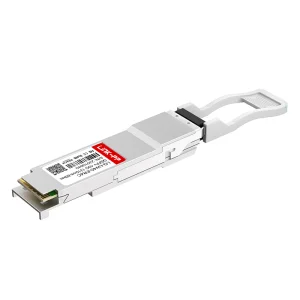
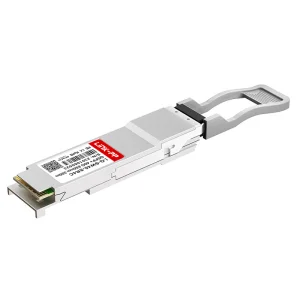
The 40G QSFP+ (Quad Small Form-factor Pluggable Plus) interface remains a reliable choice for enterprise campuses, high-performance computing (HPC) environments, and regional access networks. By aggregating four independent transmit and receive channels operating at 10 Gbps (via either 4x10G parallel fibers or 4 separate wavelengths multiplexed over a single fiber pair), QSFP+ delivers high-density performance with lower power consumption compared to older configurations.
Selecting the ideal transceiver configuration depends heavily on transmission distance, cable plants, and optical budget:
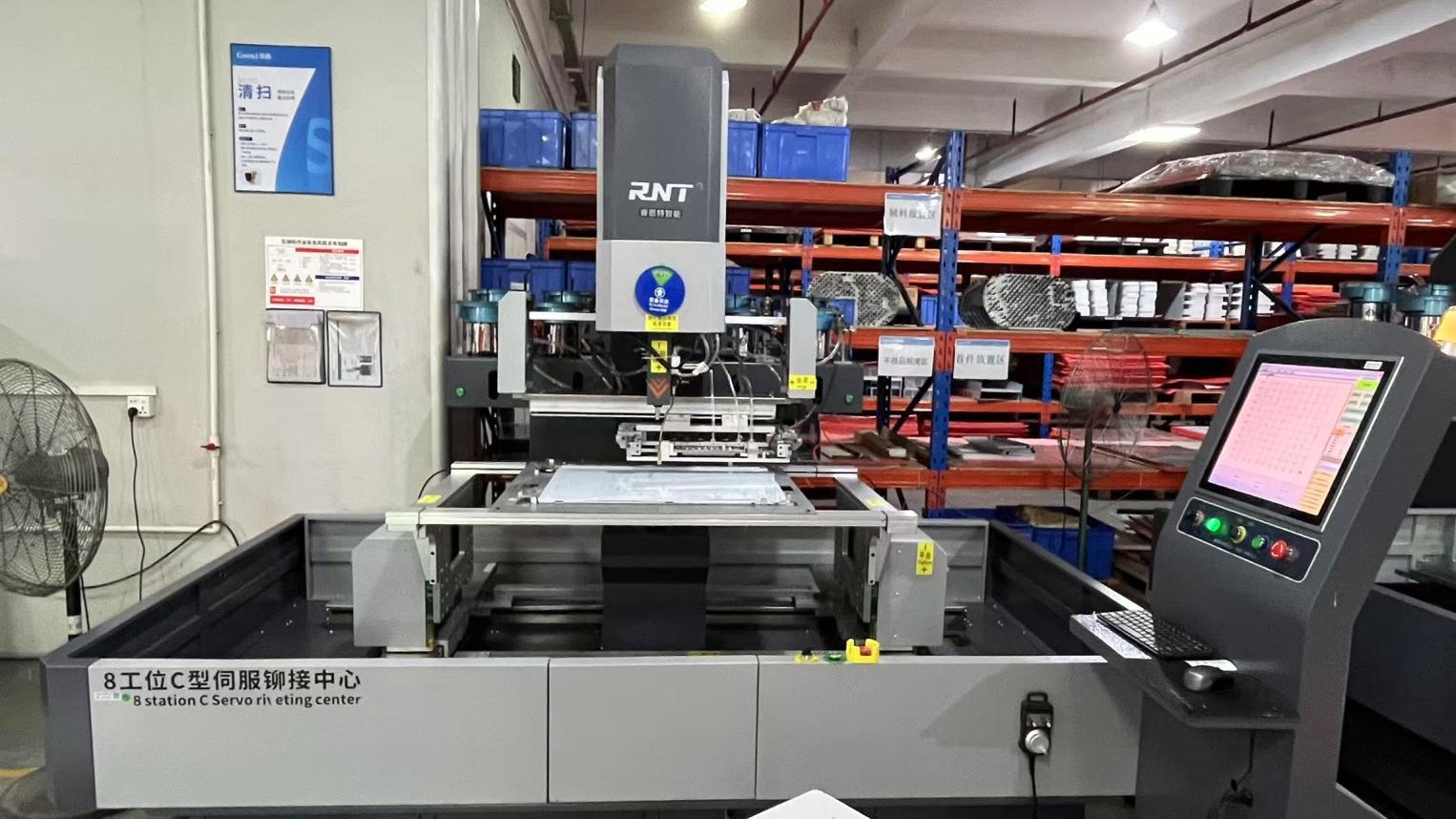
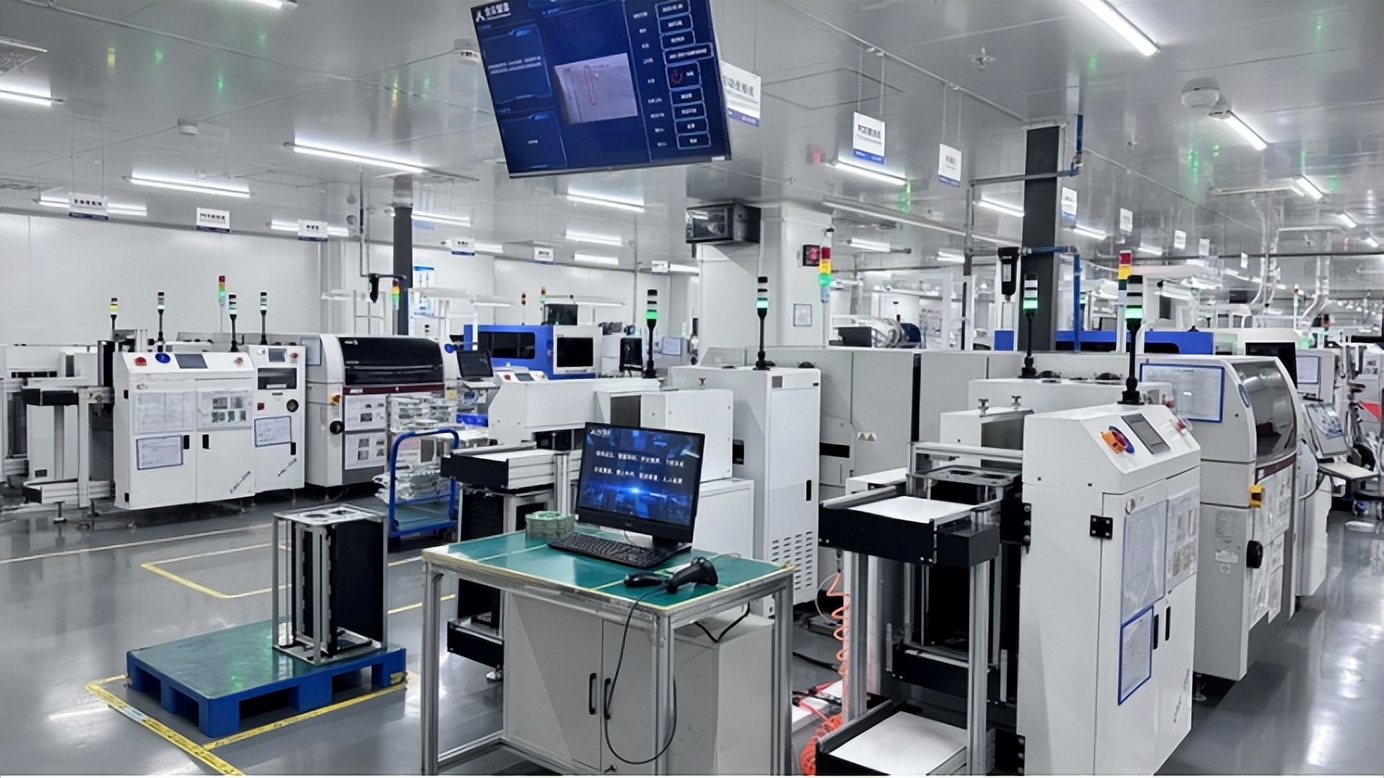
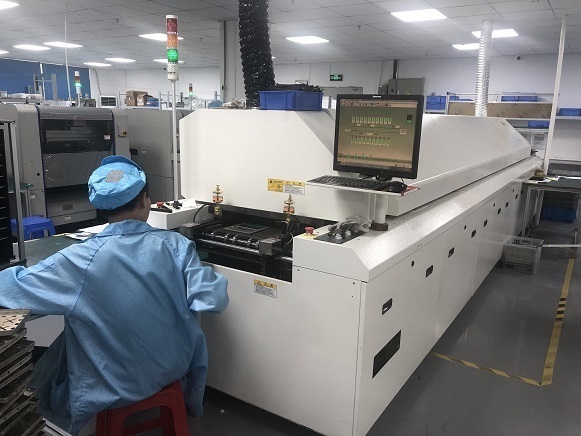
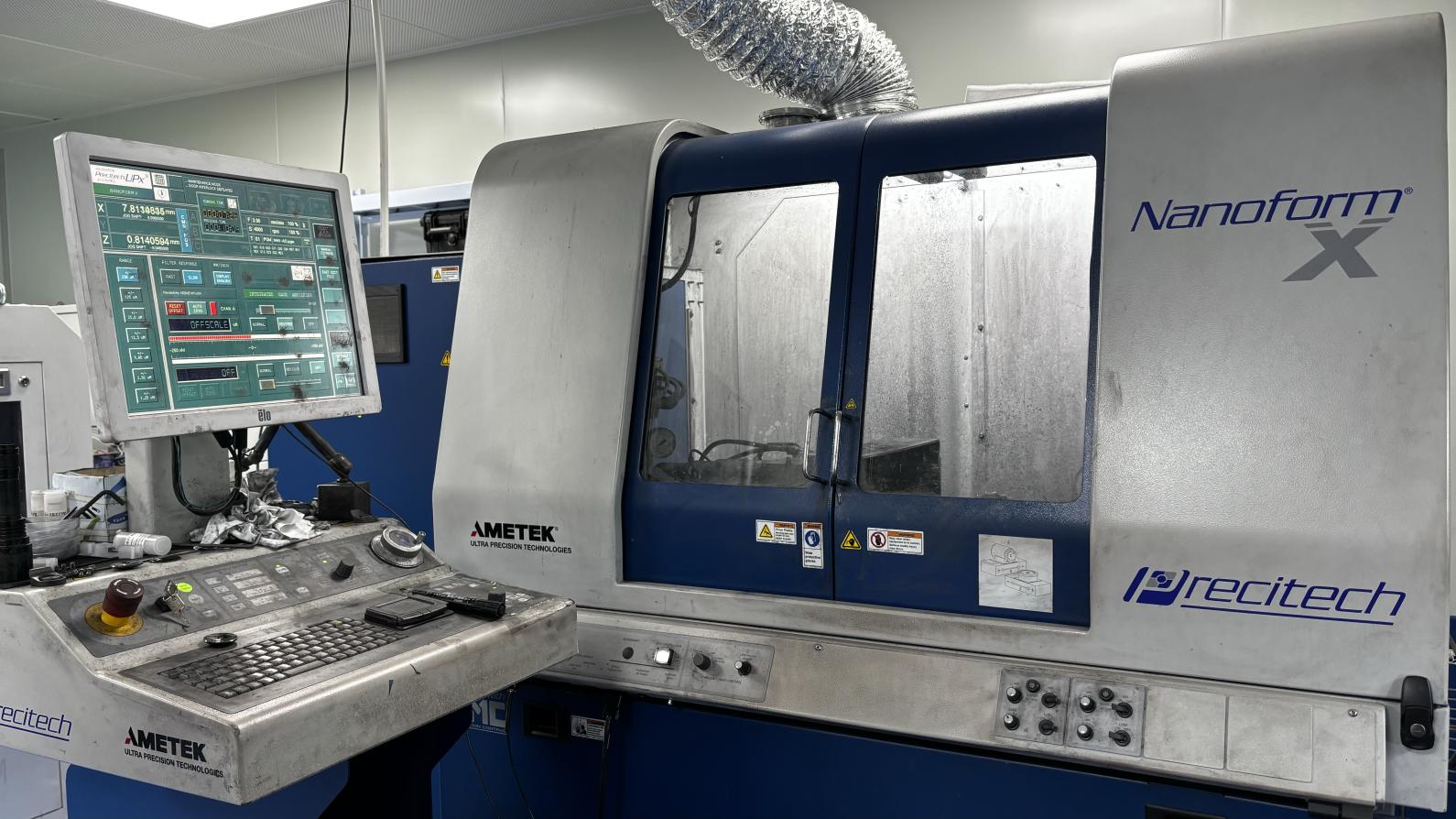
At Transolix, quality control is backed by strict engineering verification. Our manufacturing line uses advanced testing tools to verify performance parameters for every batch:
Our engineers can program and calibrate transceivers to match custom network systems. Let us design your optical layout today.
Send Inquiry NowFor modern network deployments, finding reliable components is about more than just matching a datasheet. Global procurement managers face complex challenges, including supply chain bottlenecks, compatibility issues, and evolving environmental regulations. Navigating these requirements demands a manufacturer that combines technical capability with complete regulatory compliance.
Transolix serves the Barcelona market with a focus on both strict European compliance and flexible manufacturing options:
Our supply chain operates through 860 certified upstream material suppliers, securing reliable access to key components like high-grade lasers, driver chipsets, and optical sub-assemblies. This strong supply network allows us to provide consistent availability even during global semiconductor shortages, helping our Catalan partners keep their projects on track.
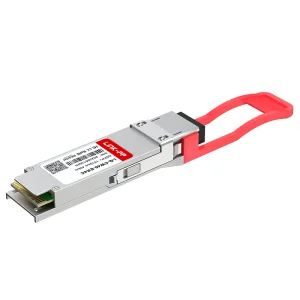
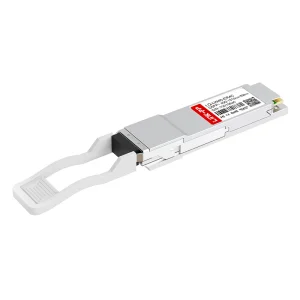
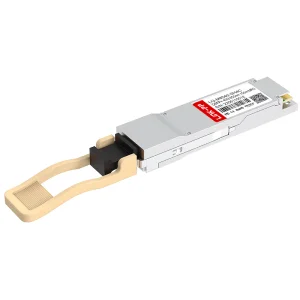
As traffic demands grow from cloud services, streaming, and IoT applications, many data centers are preparing to upgrade their connections. While 40G QSFP+ transceivers remain a reliable choice for edge links and core access distribution, migrating to 100G (QSFP28) and 400G (QSFP-DD) structures is key to future-proofing infrastructure.
This transition requires planning for compatibility. Network managers can make the process smoother by choosing multi-rate transceivers and flexible break-out architectures. For instance, using 4x10G breakout configurations allows existing 10G nodes to connect directly to 40G QSFP+ uplink modules. This approach extends the lifetime of current switch setups while preparing the physical cabling layer for 100G connections.
At Transolix, our R&D team works to keep pace with these shifts. We focus on low-power module designs, improved thermals, and compatibility with the latest optical transport equipment. This commitment helps our clients protect their initial investments and transition to next-generation speeds when needed.
Every transceiver is programmed and tested with switch-specific firmware in our cleanroom facility. We support configurations for Cisco, Juniper, Arista, Brocade, HPE, Dell, and other vendors, helping prevent configuration errors during installation.
QSFP+ BiDi transceivers allow you to transmit 40G over existing duplex LC multi-mode fiber infrastructure, using two wavelengths (850nm and 900nm) on a single fiber pair. This avoids the cost of running new MPO/MTP multi-fiber cables, helping optimize installation budgets.
For metro linkages between 10km and 80km, we recommend single-mode transceivers like the 40GBASE-LR4 (10km), ER4 (40km), or ZR4 (80km). These utilize CWDM/DFB lasers and sensitive photodetectors (such as APD arrays) to maintain connection stability across longer spans.
Our products are fully compliant with RoHS 2.0, CE, and WEEE standards. We use lead-free manufacturing processes and eco-friendly assembly methods, making it easy for Catalan and EU enterprises to meet local green procurement policies.


Connect with our technical support and sales team to discuss transceivers, compatibility profiles, and custom shipping options tailored to your project.
Send Inquiry Now Transolix