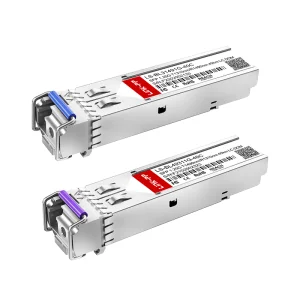
As one of the world's most digitalized nations, Finland leads the European Union's digital transition. With pioneering initiatives centered in IT hubs like Helsinki, Espoo, Tampere, and Oulu, the nation relies heavily on dense, ultra-low latency optical networks. Finland’s colder climate, combined with exceptionally stable power grids and abundant renewable energy (wind, hydro, and biomass), has established it as a primary hub for green hyperscale data centers. Giants such as Google in Hamina, Hetzner Online in Tuusula, and Equinix in Helsinki drive massive demand for scalable fiber optic components.
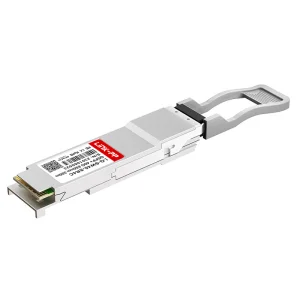
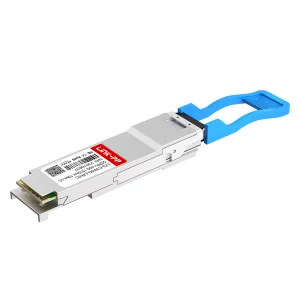
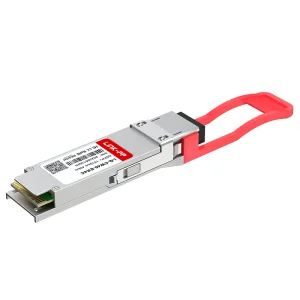
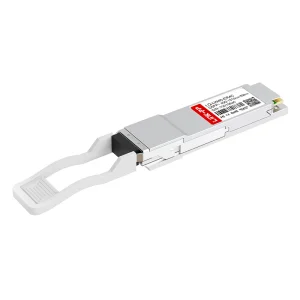
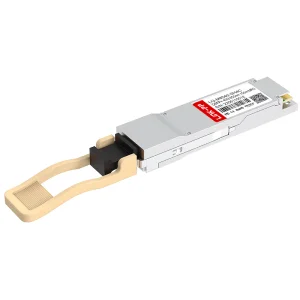
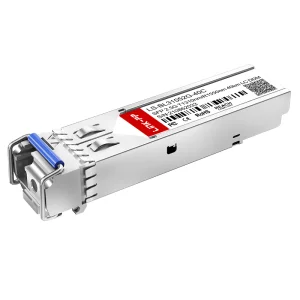
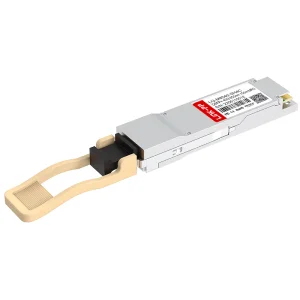
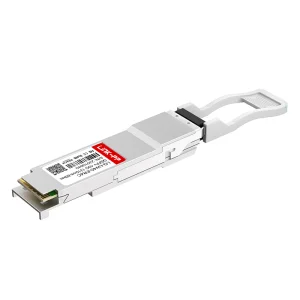
Within this ecosystem, the 40G QSFP+ (Quad Small Form-factor Pluggable Plus) module serves as a critical structural component. While 100G and 400G technologies are increasingly adopted at the core tier, 40G QSFP+ interfaces remain the workhorse for top-of-rack (ToR) switches, distribution networks, medium-scale enterprise infrastructures, and metropolitan regional links across Finland. The standard allows companies to cost-effectively migrate from 10G to higher bandwidth capacities without replacing their entire physical cabling plant, particularly when using advanced BiDi (Bidirectional) multiplexing solutions.
QSFP+ modules deliver four independent transmit and receive channels, each operating at speeds up to 10.3 Gb/s or 11.2 Gb/s, aggregating to a total bandwidth of 40 Gb/s. Understanding the physical transmission medium is vital for technical directors and fiber system architects purchasing for Finnish installations:
Specially screened industrial components operate flawlessly from -40°C up to +85°C. Critical for sub-zero outdoor telecom enclosures throughout Lapland and central Finland.
Advanced custom EEPROM firmware programming matching Cisco, Juniper, Arista, Nokia, Extreme, Huawei, and over 80 other brands with 100% flag-free operation.
Optimized internal PCB designs draw less than 1.5 Watts per module. Perfect for cooling-efficient Finnish green data centers looking to minimize their PUE (Power Usage Effectiveness).
Why do leading Finnish system integrators, municipal fiber groups, and regional ISPs source from Transolix? The answer lies in the integration of specialized R&D and high-volume manufacturing efficiency. Operating from the world's primary optical transceiver production clusters in China, Transolix has direct access to high-purity semiconductor wafers, automated alignment machinery, and advanced components packaging houses.
This geographic consolidation reduces time-to-market and lowers baseline production costs. While traditional Western brands charge premium brand tax for equivalent optical performance, Transolix focuses on offering transparent price structures, component availability, and engineering support. Instead of long lead times, our production capacity allows us to manufacture, program, test, and ship custom transceivers to Finland within exceptionally tight schedules.
Our commitment to reliability is demonstrated through our automated testing procedures. At Transolix, every single 40G QSFP+ module is subjected to rigorous qualification steps before leaving our facility:
Transolix is a specialized optical transceiver manufacturer focusing on high-performance fiber optic communication solutions. From our headquarters and manufacturing hubs, we deliver next-generation optical transceivers to data centers, telecommunication operators, and system integrators globally. Since our establishment in 2016, we have expanded our export infrastructure to serve complex markets across North America, the European Union, Southeast Asia, and the Middle East.
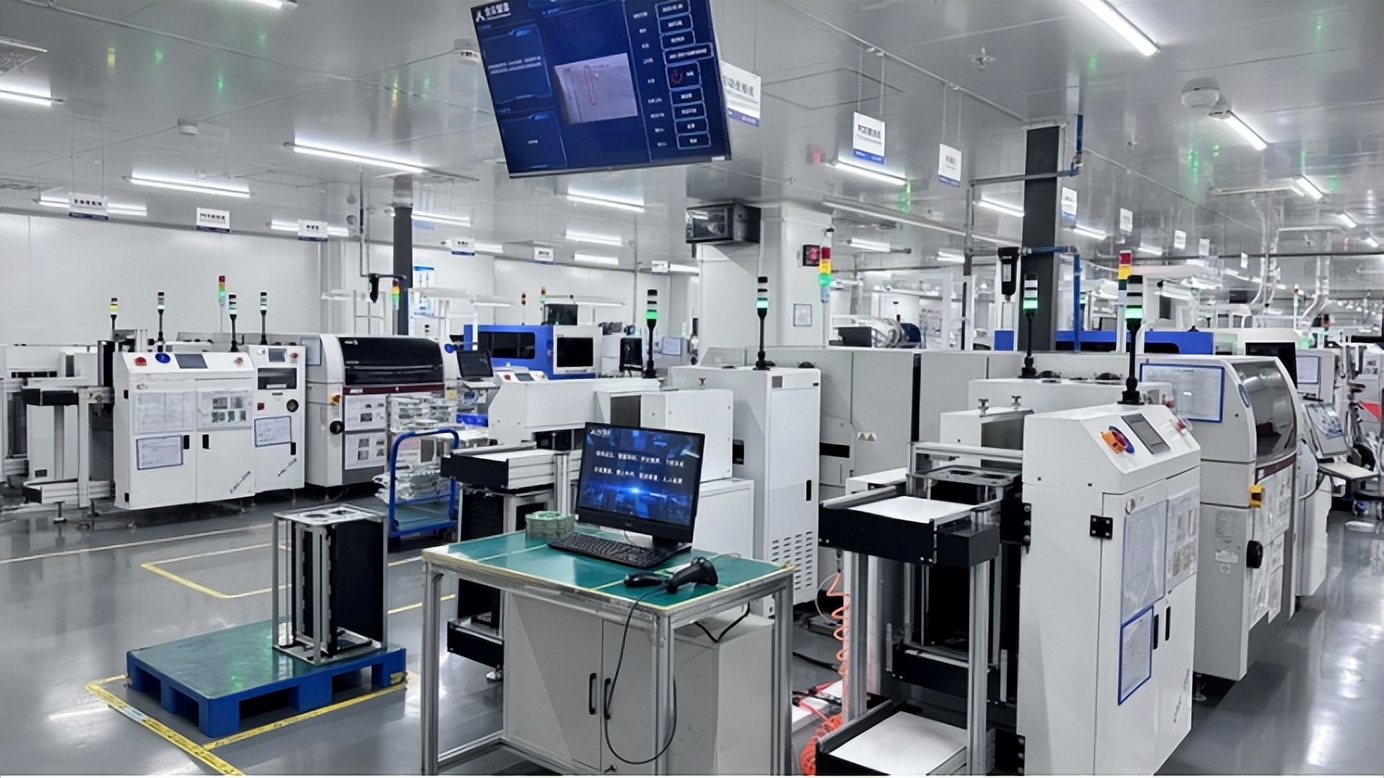
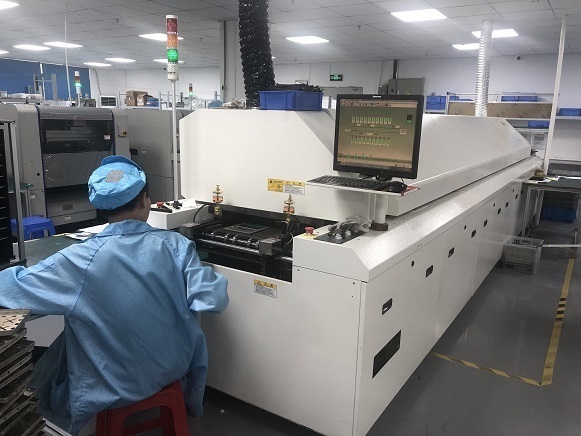
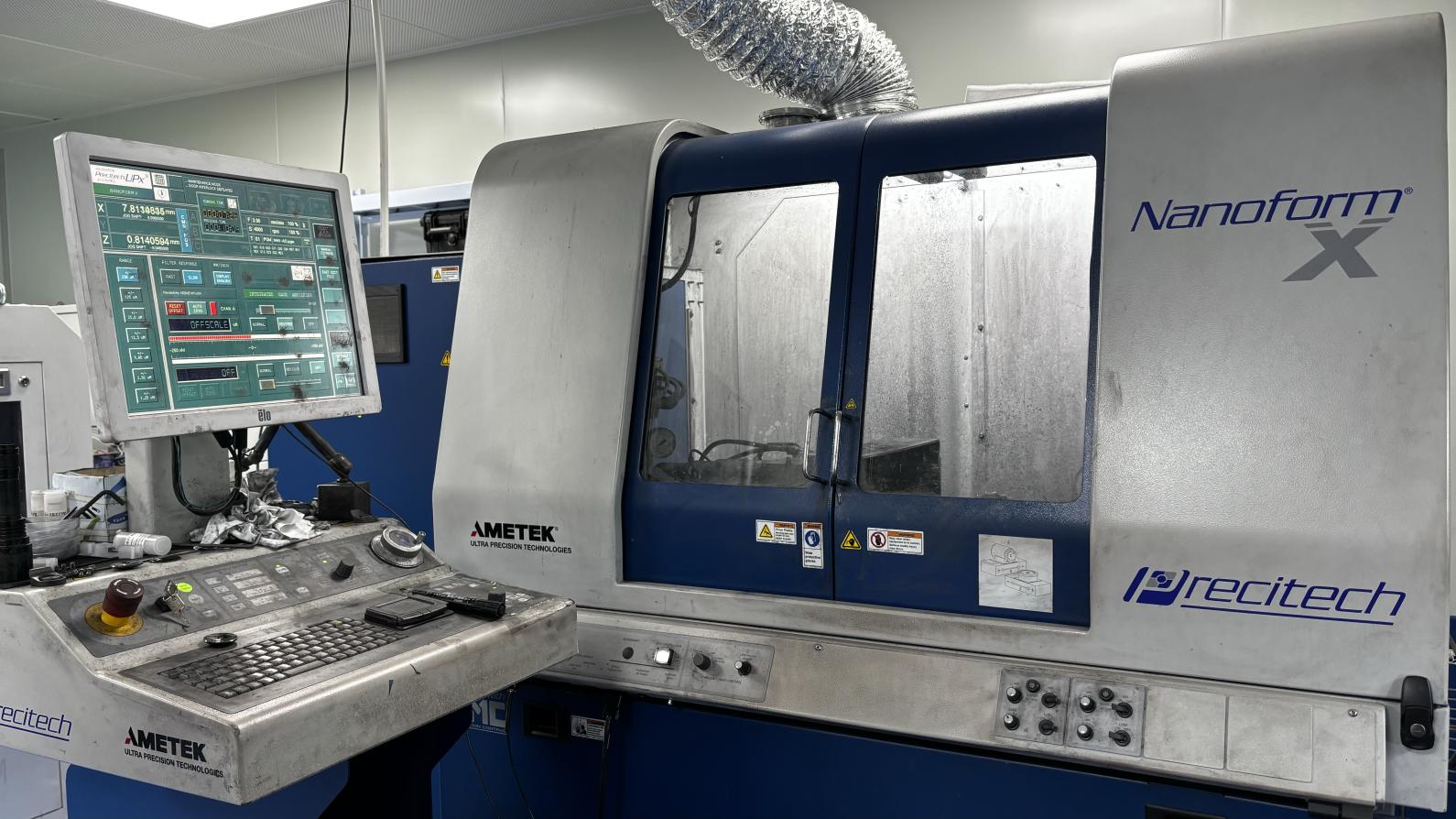
Our facility houses high-precision cleanrooms, packaging bays, and comprehensive software/firmware programming laboratories. With 128 dedicated R&D engineers and 42 QC professionals, we maintain continuous innovation in optoelectronics. Our engineering team specializes in resolving compatibility anomalies, high-frequency circuit designs, signal integrity optimization, and customized hardware solutions for specialized network needs.
Transolix ensures consistent production quality through strict material inspection, process monitors, and final product qualification tests. By sourcing optoelectronic chips from certified global leaders and maintaining a network of over 860 trusted upstream partners, we secure production stability and consistent pricing even during periods of semiconductor shortages. Our quality management complies with ISO 9001 and CE/RoHS directives, ensuring full compliance for the Finnish market.



Optical networks are designed around local climate conditions, architectural layouts, and regional industrial requirements. In Finland, Transolix transceivers are optimized for these specific operational realities:
Finland's green data centers use local outside air cooling systems to achieve low PUE values. To maintain overall system efficiency, network hardware must be optimized to reduce power draw. While standard transceivers run warm and require active fan speeds, our 40G QSFP+ modules use energy-efficient chip designs that consume under 1.5 Watts. This reduces internal thermal loads in high-density switches, helping operators manage overall system cooling costs.
In highly automated ports (such as the Port of Helsinki and Port of Hamina-Kotka) and large industrial paper mills (e.g., Metsä Group or UPM facilities), industrial Ethernet networks support automation processes. Outdoor fiber optic enclosures must tolerate large temperature swings between summer and winter. Our industrial temperature range (-40°C to 85°C) 40G transceivers prevent data loss caused by temperature-induced laser frequency drift.
With Finland's digital targets aiming to provide high-speed broadband connections to all households, local telecom providers DNA, Telia, and Elisa are upgrading regional central offices. Utilizing 40G QSFP+ ZR4/ER4 modules allows operators to run high-bandwidth metro links over distances up to 80km without using intermediate optical amplifiers. This simplifies remote field maintenance, especially in northern regions.
With Finland hosting the LUMI supercomputer at CSC’s data center in Kajaani, high-speed research networks are central to the academic system. Academic backbones use 40G and 100G paths to handle huge scientific data transfer requirements. Our low-latency, low-jitter 40G QSFP+ SR4 and BiDi transceivers ensure reliable data pathways for computing cluster arrays.
Every transceiver is programmed with vendor-specific firmware containing the correct EEPROM values, serial configurations, and checksums. We test each batch on original switches in our laboratory to ensure they are recognized properly, without generating warning flags or disabling ports.
40GBASE-SR4 uses 4 parallel lanes on each transmit/receive direction, requiring an MPO-12 connector and 8-fiber multimode ribbons. 40GBASE-SR BiDi transmits two 20Gb channels on different wavelengths (typically 850nm and 900nm) over a single duplex LC multimode fiber. This allows you to upgrade from 10G to 40G using existing LC duplex fiber runs.
We supply commercial (0°C to 70°C) and industrial-grade (-40°C to 85°C) versions. For outdoor telecom cabinets and cellular backhaul systems in northern Finland, we recommend our industrial-grade transceivers. These are built with temperature-stable lasers and hardened electronic components.
We work with international carriers like DHL, FedEx, and UPS to ship to Finland. Standard lead times for in-stock and programmed transceivers are 3-5 business days. Custom orders or high-volume batches typically ship within 7-10 business days.
Yes, all Transolix optical modules meet CE, FCC, RoHS, and WEEE requirements. We use lead-free manufacturing processes and verify our components to ensure full compliance for EU deployments.
Digital Diagnostics Monitoring (DDM) provides real-time access to operating parameters such as optical output power, receiver sensitivity, operating temperature, and supply voltage. By setting up SNMP alerts, network administrators can detect degrading fibers or failing lasers before a link goes down.
 Transolix