 Transolix
The State of Qatar is rapidly transforming its economic landscape under the framework of Qatar National Vision 2030. Doha, as the central economic and technological powerhouse of the country, has emerged as one of the fastest-growing digital infrastructure markets in the Middle East. With massive state-backed investments in Lusail Smart City, hyperscale data center nodes in Mesaieed and Msheireb, and the expansive deployment of FTTH (Fiber-to-the-Home) networks by local operators such as Ooredoo and Vodafone Qatar, the requirement for robust, space-saving Ethernet solutions is at an all-time high.
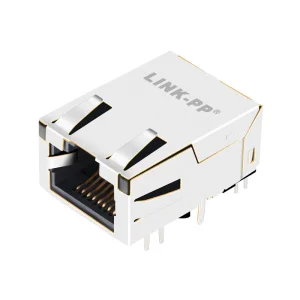
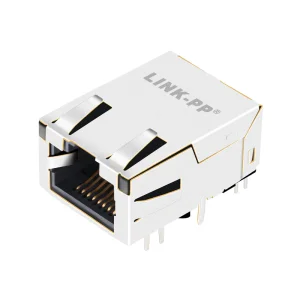
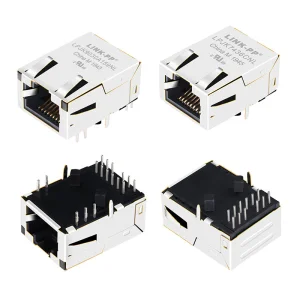
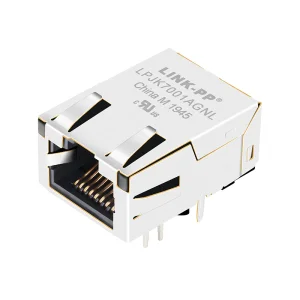
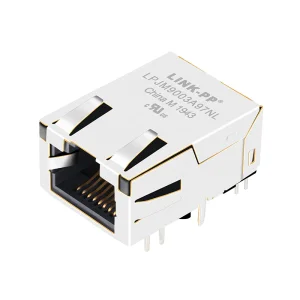
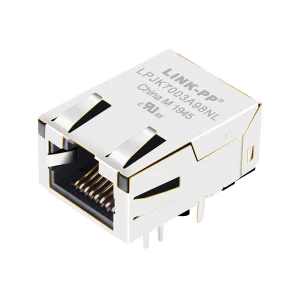
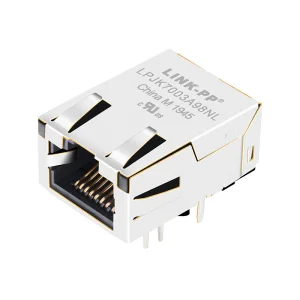
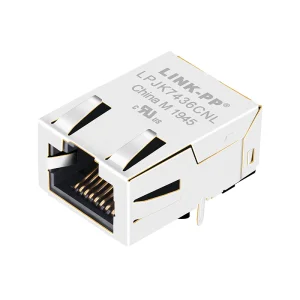
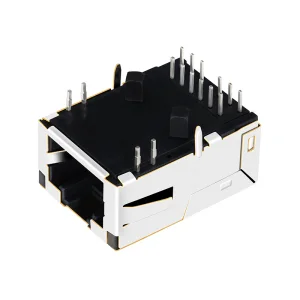
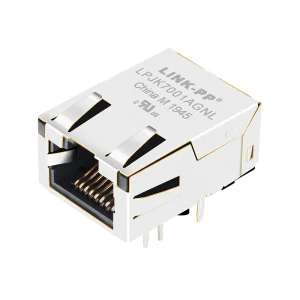
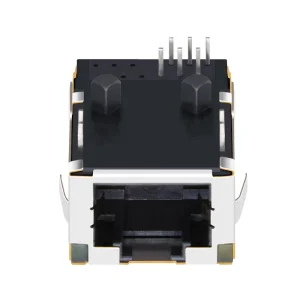
Low-profile RJ45 connectors are critical building blocks within these infrastructures. Space constraints in 1U/2U servers, compact edge computing routers, IoT gateways, and smart building automation terminals necessitate connectors that deliver outstanding speed and EMI protection without compromising vertical space. By lowering the physical profile on the PCB (Printed Circuit Board), telecom designers in Doha can design boards with higher density, allowing greater cooling airflow—a crucial engineering consideration in a region where outdoor ambient temperatures regularly exceed 45°C.
Doha Technical Context: High ambient temperatures combined with high-humidity marine air in the Persian Gulf require ruggedized physical layer interfaces. Sourcing RJ45 components with high gold plating thickness (50μ") and superior thermal resilience (up to 85°C minimum operational threshold) is key to ensuring that communication hubs operating in local substations and roadside optical nodes avoid packet losses and physical terminal degradation.
Modern telecommunication demands in Doha are moving rapidly past standard Gigabit Ethernet (1000 Base-T). Local cloud regions run by global tech conglomerates in Doha are demanding 2.5G, 5G, and 10G Base-T copper solutions for backward compatibility with existing structural wiring. Additionally, integrated magnetics (Magjacks) have transitioned from a premium choice to a system design standard. These integrated chips isolate circuits, match impedance, and block EMI noise generated by adjacent system chips, guaranteeing clean signals and maximum cable distances.
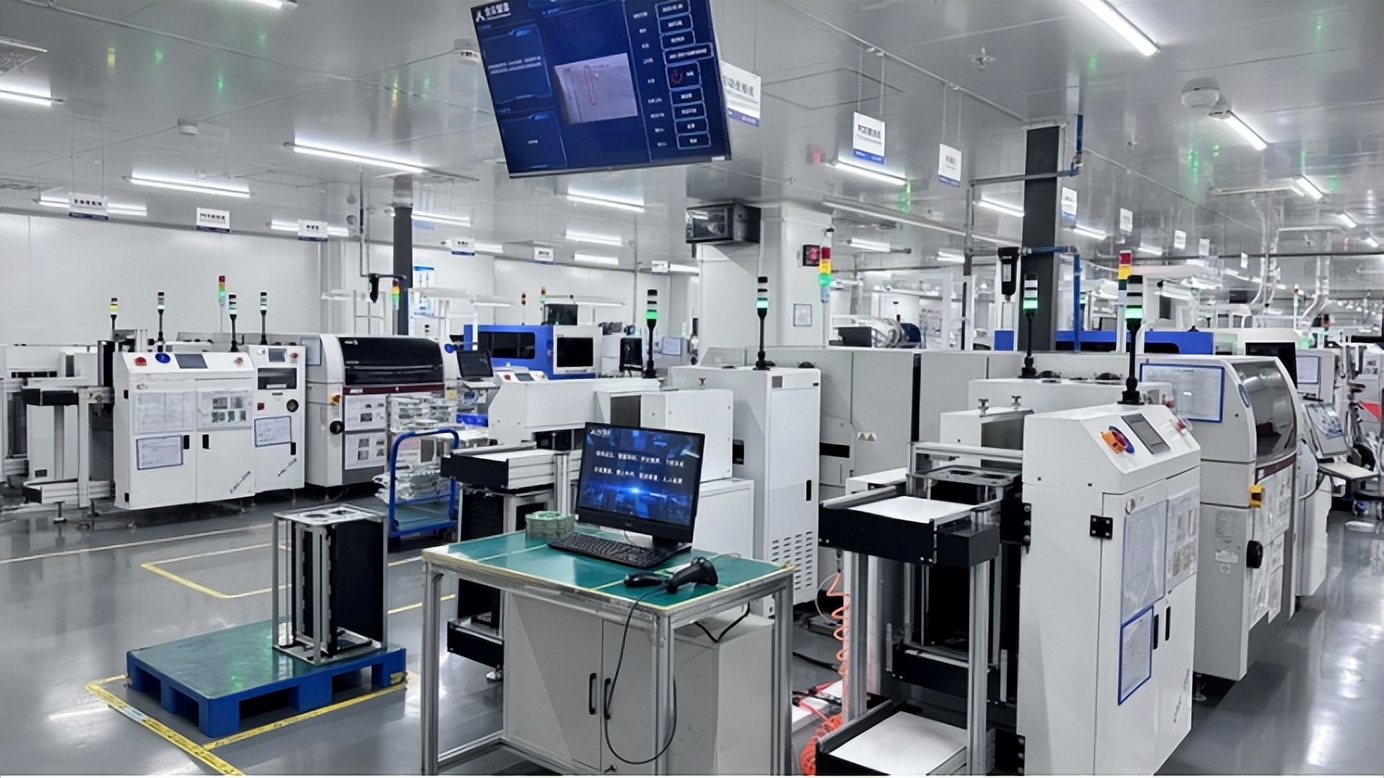
Enterprise procurement teams across North America, Europe, and the Middle East face growing volatility in global logistics. For strategic infrastructure projects in Doha, shipping delays and quality failures are exceptionally costly. This has driven a transition toward China's Factory 4.0 paradigm, which blends high-level factory automation with strict statistical process control (SPC) systems.
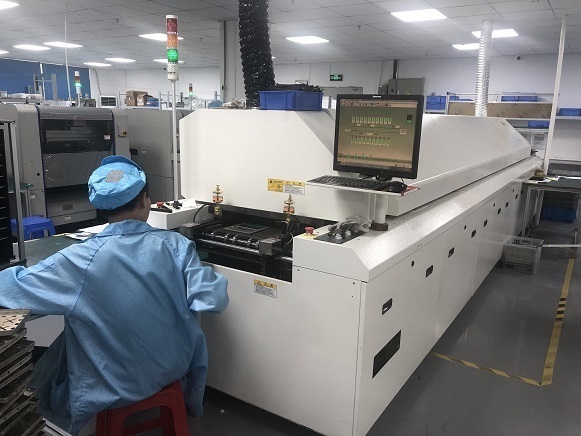
Advanced Chinese connector factories utilize automated optical inspection (AOI), coplanarity testing, and real-time network analyzer verifications. By choosing a manufacturer that operates with high automated precision, buyers achieve several core benefits:
Sourcing directly from certified export manufacturers who control both raw stamp-and-mold steps and final assembly ensures a reliable path from initial specification to mass delivery. This significantly limits the risk of components failing quality control audits upon arriving at Qatar customs or during installation at local data center racks.
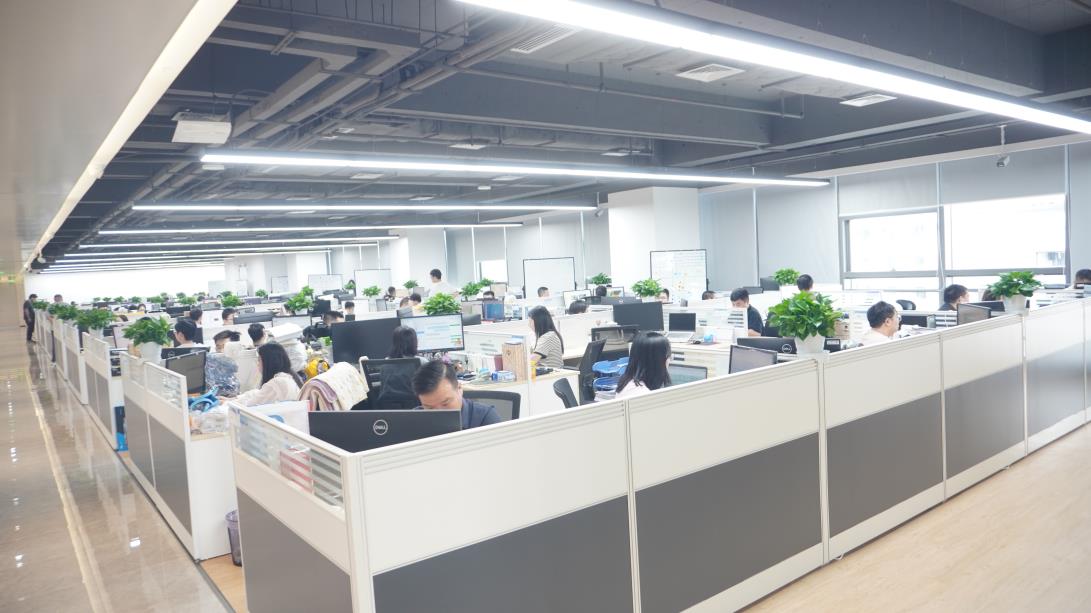
Transolix is a professional optical transceiver and precision connector manufacturer specializing in high-performance networking connectivity solutions for global data centers, telecom operators, and enterprise networks. With robust engineering capabilities and scalable production capacity, Transolix is committed to delivering reliable, high-speed, and cost-effective optical and copper connectivity products worldwide.
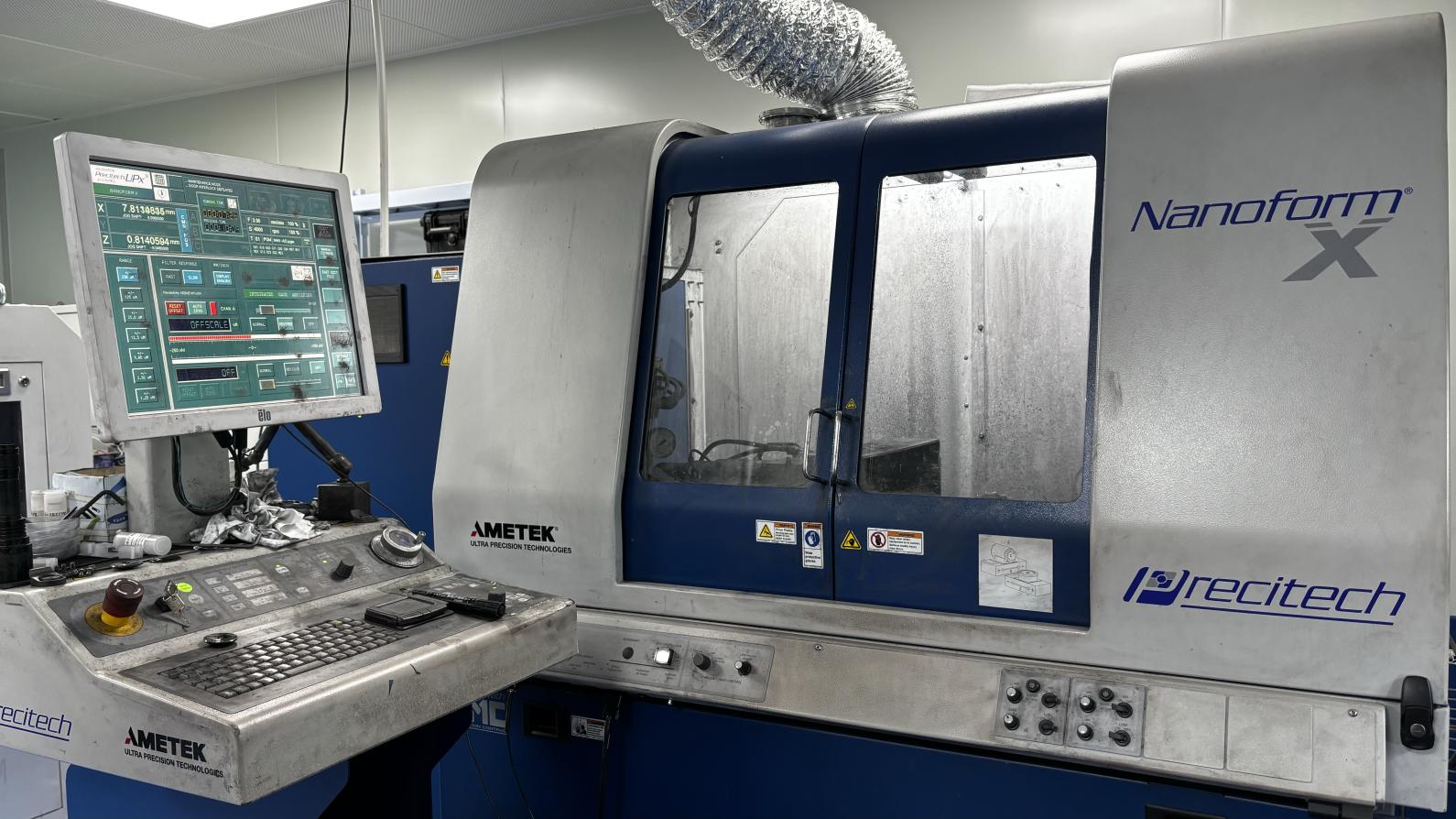
Transolix operates an advanced testing laboratory that guarantees zero-defect manufacturing. By strictly following ISO 9001 and our internal reliability standards, every production run is certified to perform consistently under long-term load.


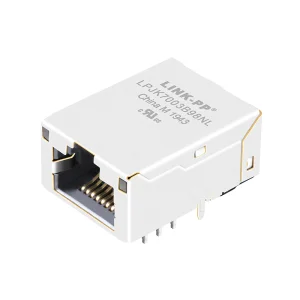
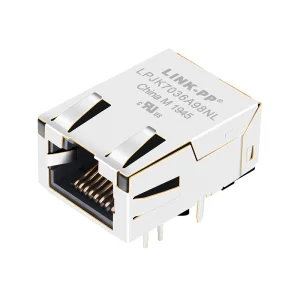
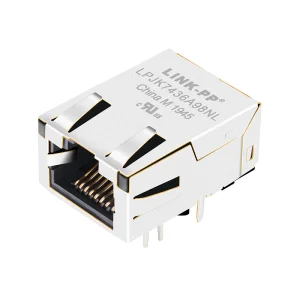
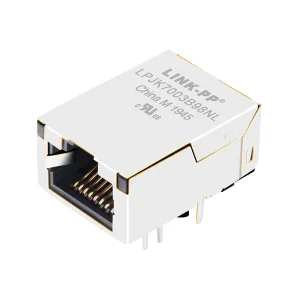
Precision network hardware relies on optimal local environment matching. For projects across Doha, we supply low-profile connectors customized for these exact high-demand applications:
The construction of Lusail City relies on extensive surveillance networks and automated smart grids. Cameras and localized nodes require low-profile, right-angle connectors that fit into tiny weatherproof junction boxes. Integrated PoE capabilities allow local devices to receive power and data over one line, reducing installation space and simplifying maintenance.
Industrial refineries and LNG processing plants around Mesaieed and Ras Laffan depend on telemetry and control boards. The low-profile connector's metal shielding provides crucial defense against high electromagnetic noise from industrial pumps, generators, and switches, preventing signal degradation.
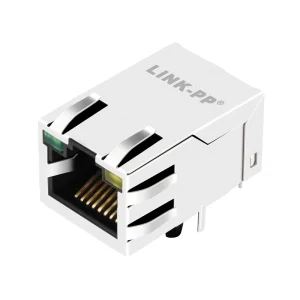
Local telecoms are expanding FTTH services across Doha. Low-profile RJ45 jacks with integrated LEDs fit perfectly on compact OLT/ONT boards. This allows providers to squeeze more ports into central office racks, improving bandwidth delivery while keeping equipment footprints small.
Discuss your technical specifications with our engineering team. Get reliable, high-speed connection samples customized for your system boards.
Send Inquiry Now