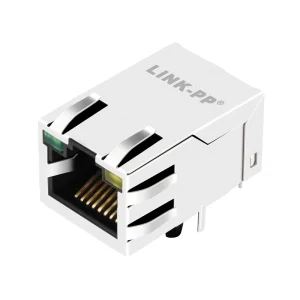
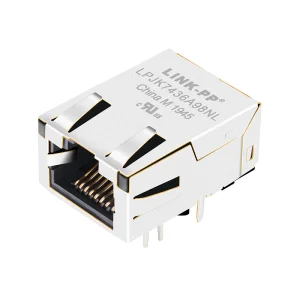
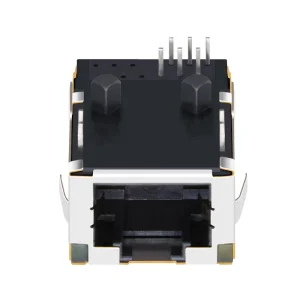
Engineered for minimal PCB height clearance, maximum structural robustness, and long-term signal integrity.
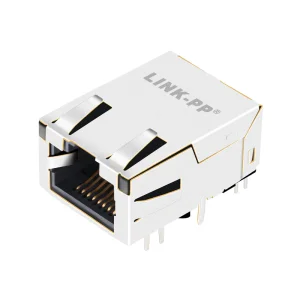
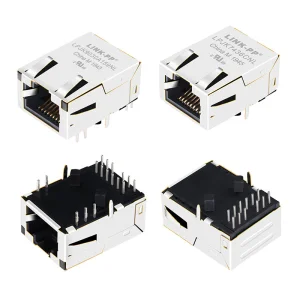
As the undisputed global capital of energy and industrial engineering, Houston, Texas requires hardware that can endure extraordinary mechanical stress, heat, and electromagnetic interference. From offshore deep-sea drilling platforms in the Gulf of Mexico to advanced medical diagnostics systems in the Texas Medical Center (TMC), compact board-level data routing is crucial.
Low Profile RJ45 Connectors play a hidden but vital role in these applications. By reducing vertical PCB height clearance to under 11.5mm (and in some cases down to 9.5mm), engineers can pack high-speed gigabit Ethernet connectivity into micro-enclosures, subsea SCADA telemetry nodes, and tight aerospace avionics racks at NASA's Johnson Space Center.
Transolix, with our deep heritage in high-frequency optical communication and board-to-board integration, provides Houston manufacturers with high-grade, shielded modular jacks designed to withstand temperatures ranging from -40°C to +85°C, ensuring uninterrupted link speed when it matters most.
Deepwater drilling instrumentation units require miniature PCBs. Low-profile connectors prevent mechanical interference within hermetically sealed sensor enclosures.
High-field MRI and CT imaging processors utilize integrated magnetics to shield sensitive signals from EMI, ensuring crystal-clear diagnostic telemetry data.
Avionics and UAV flight controls use right-angle modular jacks to maximize structural rigidity, resisting intense G-force vibrations and shock.
Why modern hardware designers are switching from discrete networking components to Integrated Connector Modules (ICMs).
In high-density printed circuit boards (PCBs), electrical noise is the ultimate performance killer. Standard RJ45 designs rely on external transformer modules placed on the PCB layout. However, this creates trace routing loops that radiate EMI and absorb crosstalk.
Our low-profile RJ45 jacks solve this challenge by integrating internal magnetics (transformers, common-mode chokes, and resistors) directly inside the shielded metal housing. By containing the magnetic field inside the connector, we achieve:
| Parameters | Standard RJ45 Jacks | Transolix Low-Profile RJ45 |
|---|---|---|
| Connector Height | 13.5mm – 16.5mm | 8.5mm – 11.3mm |
| Integrated Magnetics | Optional / External | Fully Integrated (MagJack style) |
| Shielding Coverage | Standard tabs | 360-degree wrap-around copper shield |
| PoE Compatibility | Limited | IEEE 802.3af/at/bt up to 90W |
| Vibration Rating | Commercial standard | MIL-STD-202G Compliant |
Specialized low-clearance right-angle connectivity optimized for high-vibration aerospace and compact embedded computing.
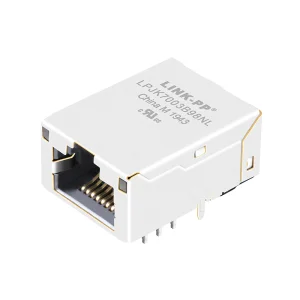
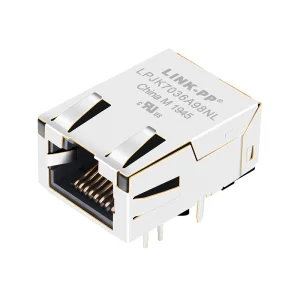
Specializing in optical interconnects and ruggedized board components for modern telecommunications networks.
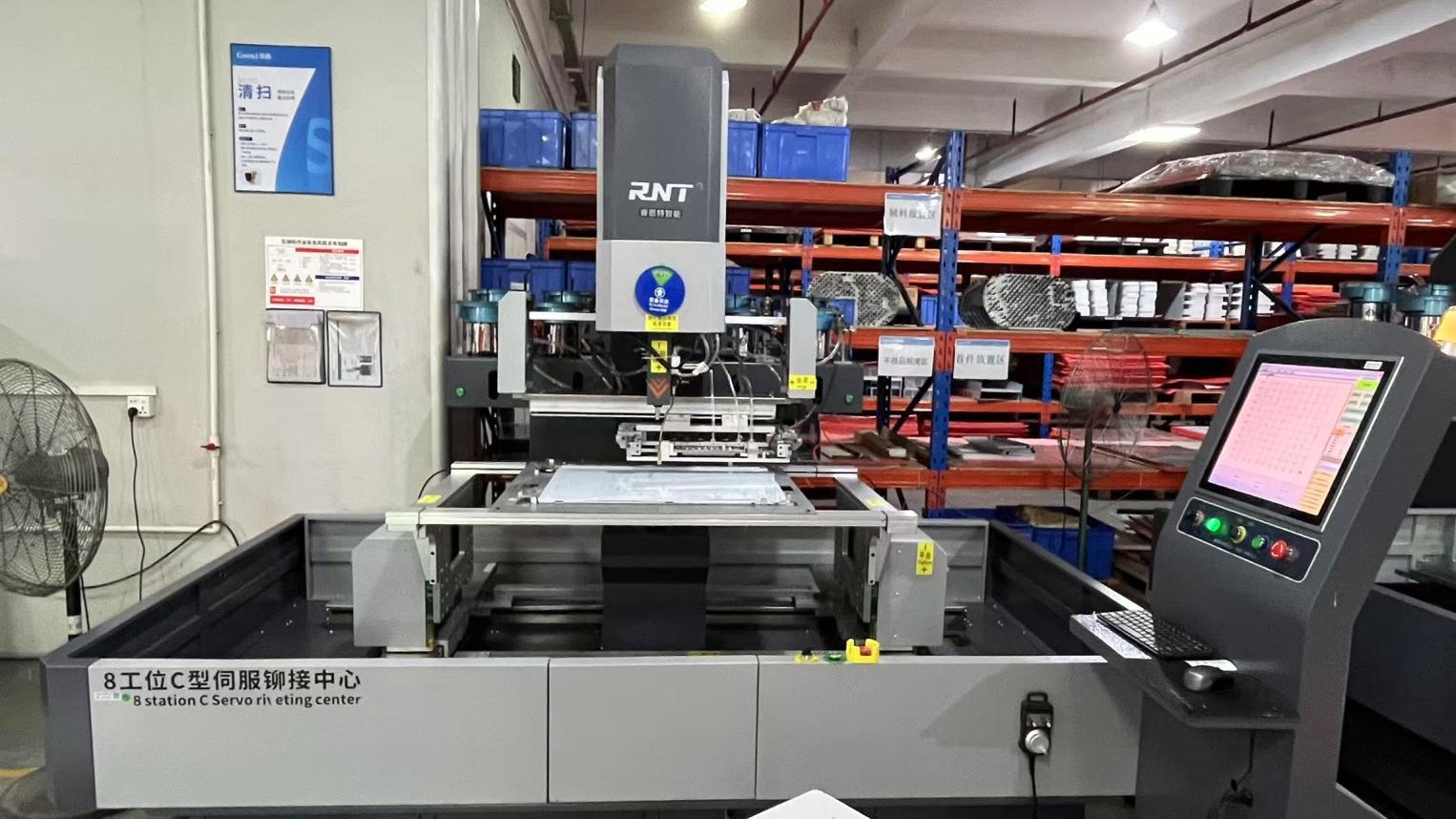
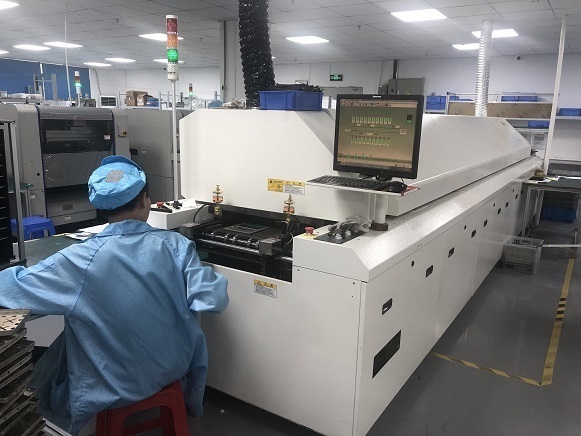
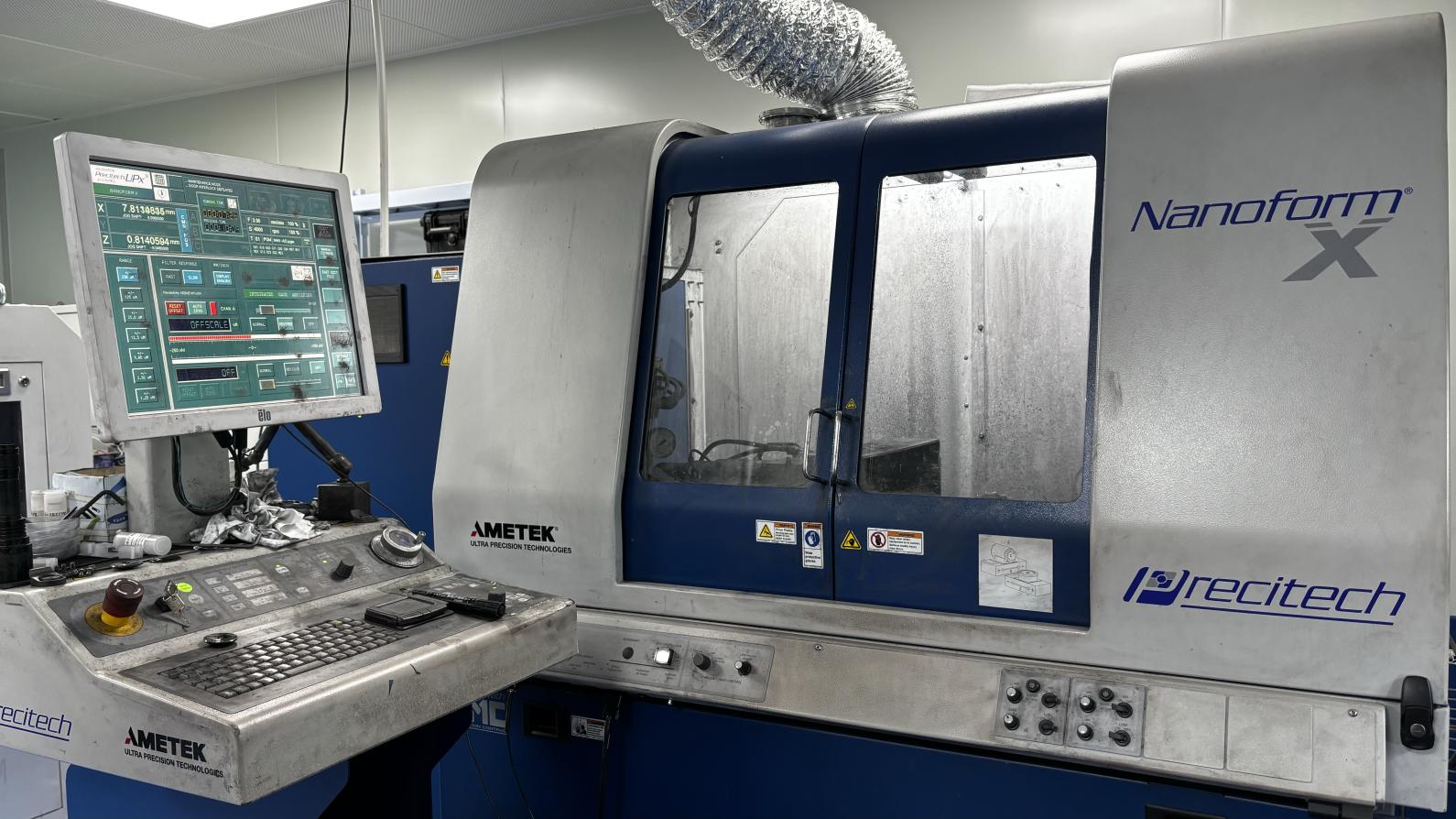
Founded in 2016, Transolix is a leading optical transceiver and network hardware manufacturer, offering cutting-edge fiber-optic communication devices and micro-connector solutions. Operating out of our specialized 320m² state-of-the-art cleanroom assembly and testing lab, we generate over USD 8 to 15 million in annual B2B export revenues.
Our quality control program consists of 42 dedicated quality assurance technicians who run every product through automated optical testing, eye diagram analyzers, high-temperature environmental aging testing, and 100% final performance verification. Our robust production cycle is backed by 860 certified upstream raw material suppliers, guaranteeing consistent supply lines even during global silicon supply shortages.
In addition to standard ethernet copper components, Transolix specializes in emerging technologies including SFP, SFP+, QSFP28, QSFP-DD, and high-density fiber routing assemblies, ensuring a unified interconnect pipeline for data centers, telecom operators, and enterprise networks globally.



How the market is evolving towards Multi-Gigabit networks and Single Pair Ethernet (SPE).
Standard industrial Ethernet is transitioning from 1Gbps to 2.5G/5G and 10G Base-T speeds to handle HD camera vision feeds and ultra-fast system control loops on automation lines.
PoE++ passes up to 90 watts of power along with network data. Low-profile connectors require upgraded copper alloy pin designs to prevent contact erosion and arcing.
For sensor-level connectivity, SPE is eliminating two-pair and four-pair cables, allowing low-profile packaging to shrink even further for ultra-miniaturized designs.
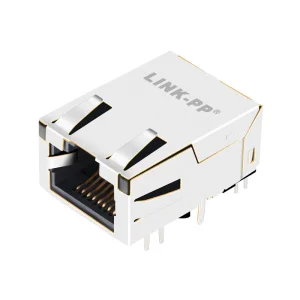
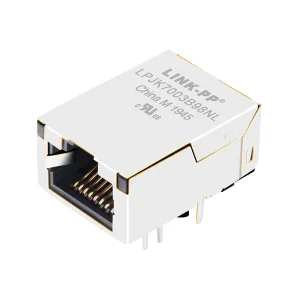
Standard and specialized low-profile RJ45 female connectors with integrated shielding, LEDs, and high-frequency magnetics.
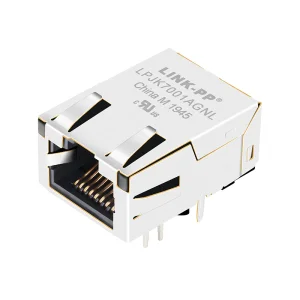
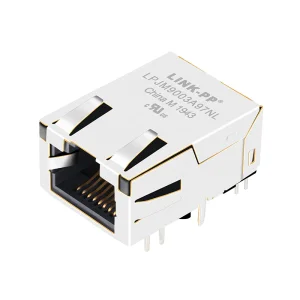
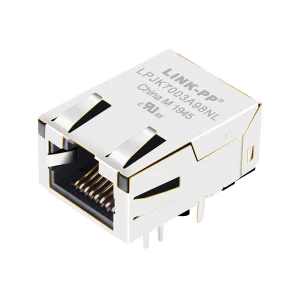
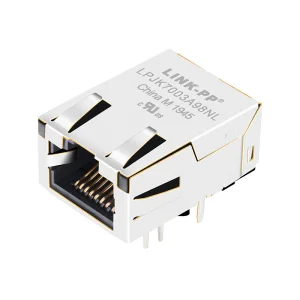
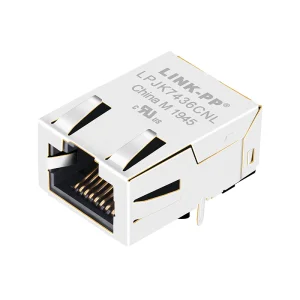
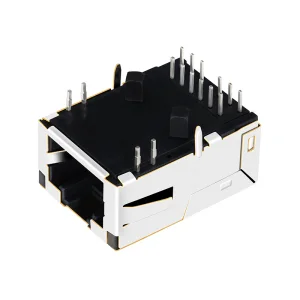
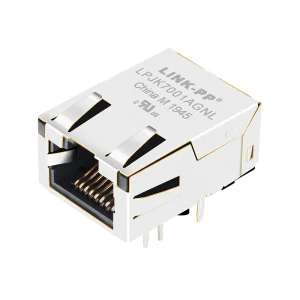
Engineering resources and technical answers regarding Low-Profile RJ45 modular jack implementation.
Standard RJ45 connectors typically measure between 13.5mm and 16.5mm in vertical height from the PCB surface. Low-profile RJ45 jacks are engineered to reduce this footprint, often measuring between 8.5mm and 11.5mm in height. This profile reduction is achieved by recessing the contact structures, utilizing a right-angle design, and compressing the internal magnetic array (when integrated) into a smaller volume. This allows PCBs to be stacked with closer pitch margins, enabling smaller enclosures in networking gear, subsea SCADA nodes, and industrial computers.
Integrated magnetics package transformers, common-mode chokes, and isolation capacitors inside the shielded metal shell of the RJ45 jack. By keeping these components within the EMI shield, you minimize high-frequency radiation, lower return loss, and improve near-end crosstalk (NEXT) margins. This configuration also provides essential 1500V electrical isolation between the external network cables and the delicate physical layer (PHY) transceiver chips on the PCB board, safeguarding systems from ESD strikes and ground spikes common in industrial environments.
Tab-up (inverted) and tab-down refer to the position of the RJ45 plug latch release clip when inserted into the connector. Tab-up design places the latch mechanism on the top side, allowing easier latch access on low-clearance PCB heights, preventing manual clearance issues when the board is close to the bottom chassis wall. Conversely, tab-down designs position the latch facing downwards, which is typical for standard panel cutouts. Choosing the right layout depends on your mechanical enclosure and latch access requirements.
Yes. Many of our low-profile connectors are designed to conform to IEEE 802.3af (PoE), 802.3at (PoE+), and 802.3bt (PoE++ / Type 3 & Type 4) standards, supporting power delivery up to 90W. In low-profile applications, thermal dissipation is critical, so we use higher-rated copper alloys and gold plating on contact pins to minimize resistance and avoid heat buildup inside compact enclosures.
Absolutely. Backed by our 128 R&D engineers, we can customize shielding configurations (EMI tab placement, grounding layout), internal magnetics schematic, LED colors (green, yellow, bi-color options), and high-temp plastics for reflow soldering. Contact our team in advance to request a customized footprint layout drawing.
Get in touch with our engineering team for high-integrity, space-saving low profile connectors tailored for your project in Houston or globally.
Send Inquiry Now Transolix