Engineered for minimal vertical clearance and maximum EMI shielding in industrial-grade PCBs
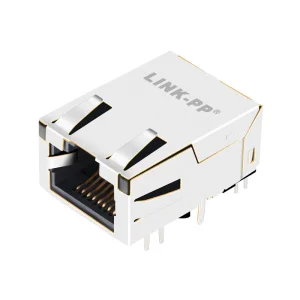
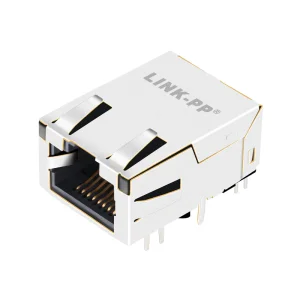
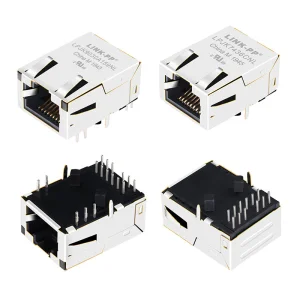
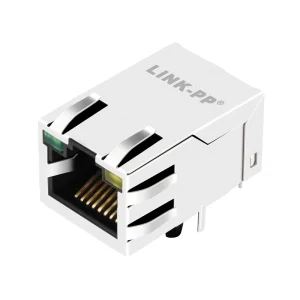
As Japan charges forward with its Society 5.0 national initiative, the intersection of physical systems and cyberspace has placed unprecedented demands on hardware components. In Japanese precision manufacturing, factory automation (FA), and advanced robotics, the physical Z-axis space on printed circuit boards (PCBs) is highly restricted.
Traditional RJ45 connectors, with heights exceeding 13mm, present a physical obstacle when designing modern compact control modules, ultra-thin industrial PCs (IPCs), and micro-PLCs. The market demands low-profile RJ45 connectors that reduce spatial height down to less than 11.5mm while guaranteeing signal integrity up to 10G Base-T speeds.
Furthermore, Japan's rigorous industrial environments require components to withstand high ambient vibration, extreme temperatures, and electromagnetic interference (EMI). Whether operating on a Nagoya-based automotive assembly line or within Kyoto's high-precision medical imaging devices, copper interfaces must ensure reliable connectivity without transmission dropouts.
Low-profile RJ45 connectors allow a reduction of up to 35% in profile height compared to standard RJ45 ports. This enables stackable PCB arrays and slimmer enclosure designs.
Engineered to comply with Japanese VCCI standards and JIS environmental stress tests, ensuring zero electromagnetic compatibility (EMC) failures in dense multi-card cages.
How low-profile RJ45 magnetics and modular connectors are shaping key technological sectors in Japan
Joint-integrated sensors and compact motor drives within 6-axis robotic arms require compact cabling interfaces. Low-profile connectors fit inside tight chassis and support EtherCAT communication protocols with zero latency.
Installed inside Japanese train monitoring systems (TCMS) and substation monitoring gateways. Excellent thermal resilience ensures constant performance under varying voltage conditions and continuous mechanical vibrations.
Single Board Computers (SBCs) and industrial computers require interface connectors that match the physical profile of modern low-profile PCIe cards, securing the slim 1U rack-mount chassis form factors.
Addressing signal integrity, high-speed performance, and mechanical reliability standards
To operate reliably in high-density installations, low-profile RJ45 jacks are built with specific materials and tolerances. Transolix uses Liquid Crystal Polymer (LCP) housing to prevent warping during lead-free reflow soldering profiles (peak temperatures reaching 260°C). Our contact pins are engineered using high-grade phosphor bronze, selectively plated with 50 micro-inches of gold, complying with the stringent durability and connection resistance limits demanded by Japanese OEMs.
| Parameters | Standard Specification | Japanese Industrial Expectation |
|---|---|---|
| Profile Height | < 11.5 mm | < 9.5 mm - 11.0 mm (Targeted) |
| Gold Plating Thickness | 15u" to 30u" | 50u" (Ultra-Reliability Standard) |
| Housing Material | Standard PBT / Nylon | LCP (Reflow SMT Compliant, UL94V-0) |
| Data Support Speeds | 10/100/1000 Base-T | Up to 10G Base-T (Forward Compatible) |
| EMI Shielding | Standard brass wrap | Integrated multi-point grounding tabs |
Our integrated magnetics filter common mode noise, reduce EMI spikes, and protect the physical PHY chips from electrostatic discharges (ESD). This direct integration eliminates discrete filters on the main board, saving up to 60% of layout footprint.
Transolix SMT style low-profile connectors maintain a coplanarity of less than 0.1mm. This reduces soldering defects (tombstoning, open joints) on fast, automated Japanese assembly lines.
By matching the CTE of our LCP base material with standard FR4 substrates, our connectors maintain stable mechanical and electrical interfaces over operating ranges from -40°C to +85°C.
Navigating the complex Japanese supply chain require manufacturers to maintain both extreme quality standards and strong pricing competitiveness. Transolix bridges this gap by leveraging the highly integrated ecosystem of Shenzhen and Ningbo's electronic hardware components manufacturing zones.
Our 860 certified upstream supply partners guarantee access to first-rate raw copper alloys, advanced magnetic toroidal cores, and premium plating services even during component shortages. Coupled with geographical proximity—shipping from mainland Chinese ports to Yokohama, Osaka, and Tokyo within 3 to 5 business days—our logistics pipelines minimize downtime for JIT (Just-in-Time) Japanese inventory frameworks.
With an annual export revenue of USD 8 to 15 million and a focused workforce including 42 quality assurance professionals and 128 R&D engineers, we are equipped to support both massive production runs and custom customized prototyping schedules.
A professional optical transceiver and networking connectivity manufacturer committed to speed and high-precision quality
Company Established
Focusing on advanced networking & high-speed interfaces.
Annual Export Revenue
Serving clients in North America, Europe, Japan, and Southeast Asia.
R&D Engineers
Specialists in high-frequency signal design and material science.
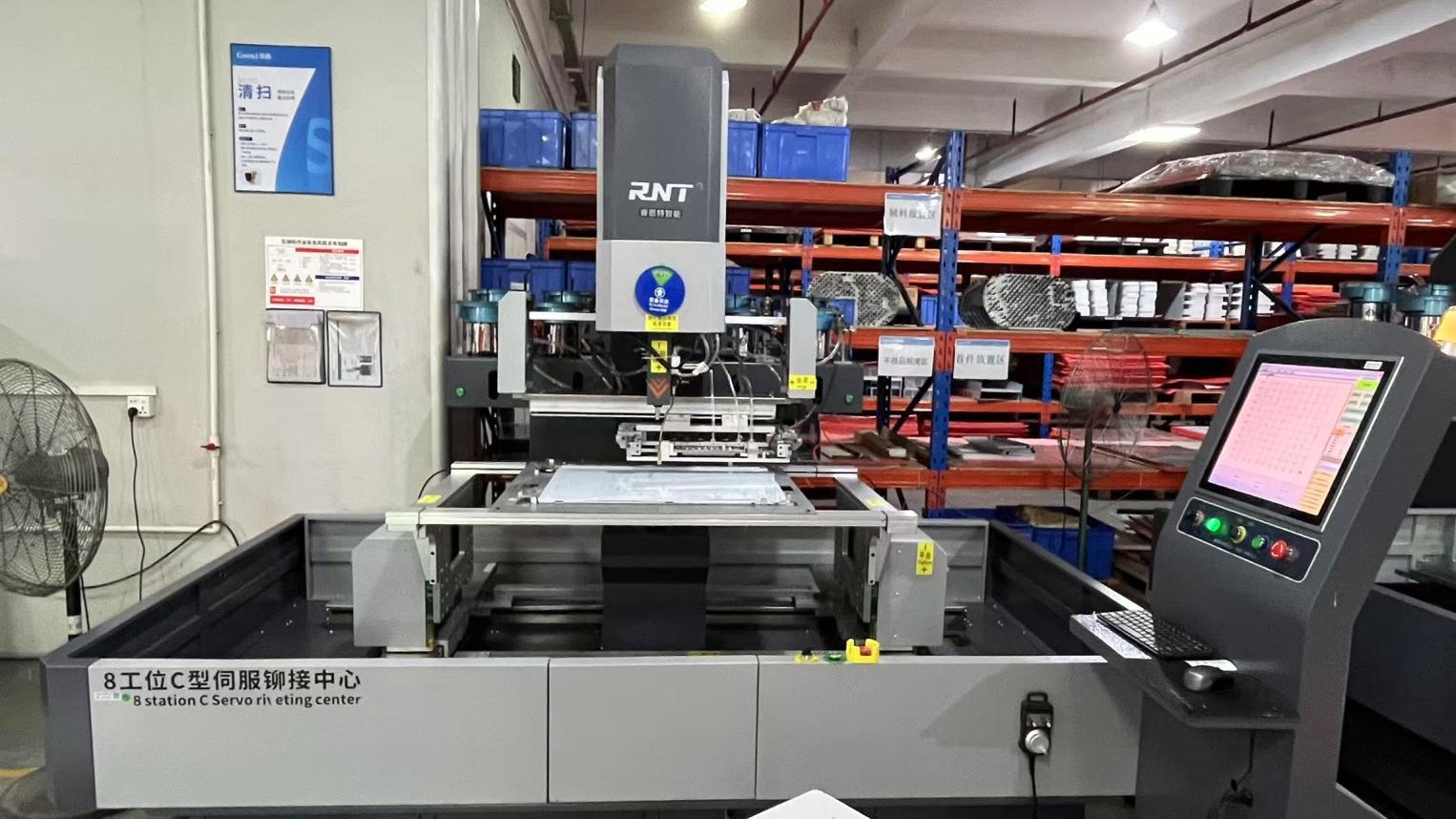
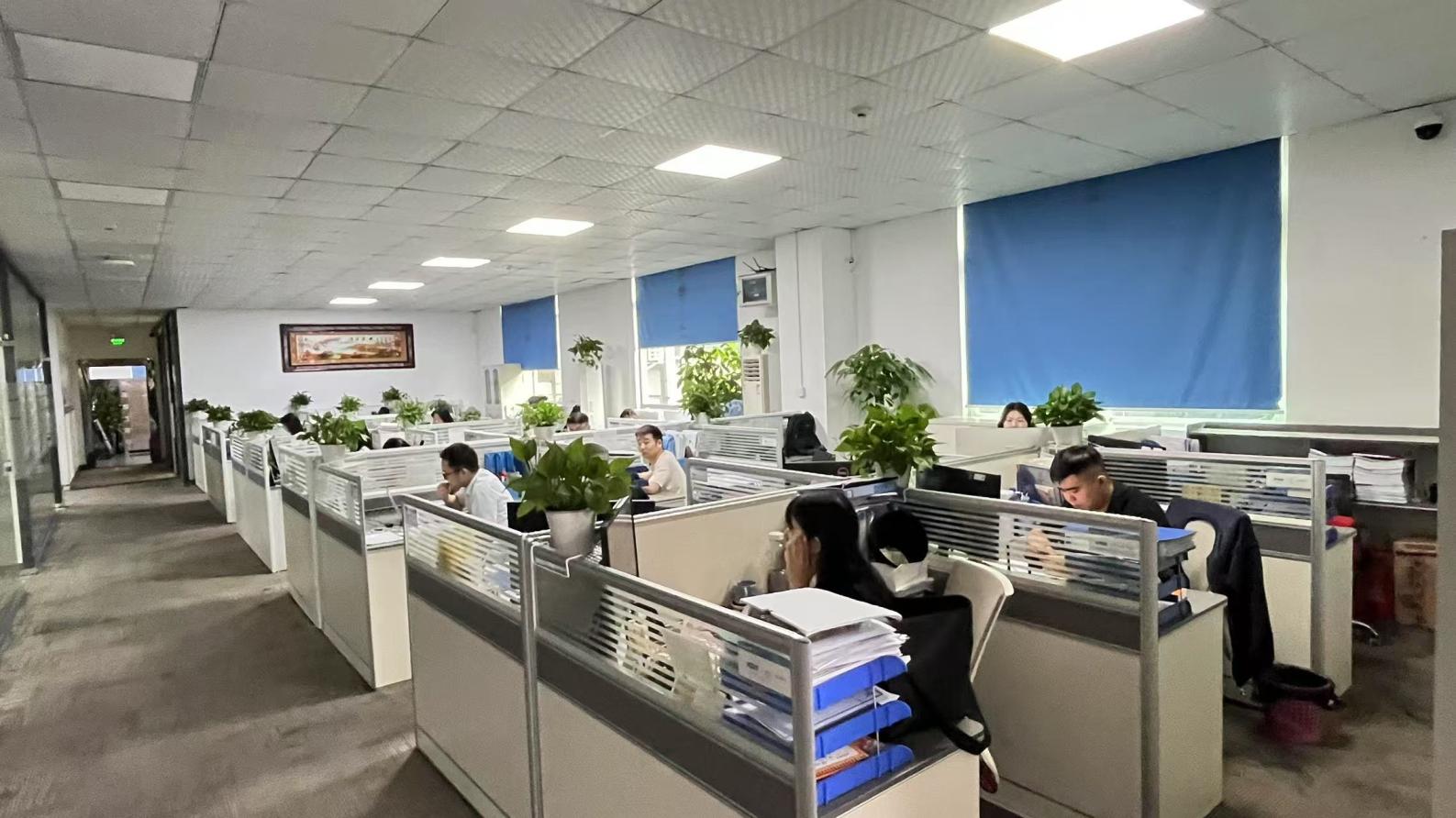
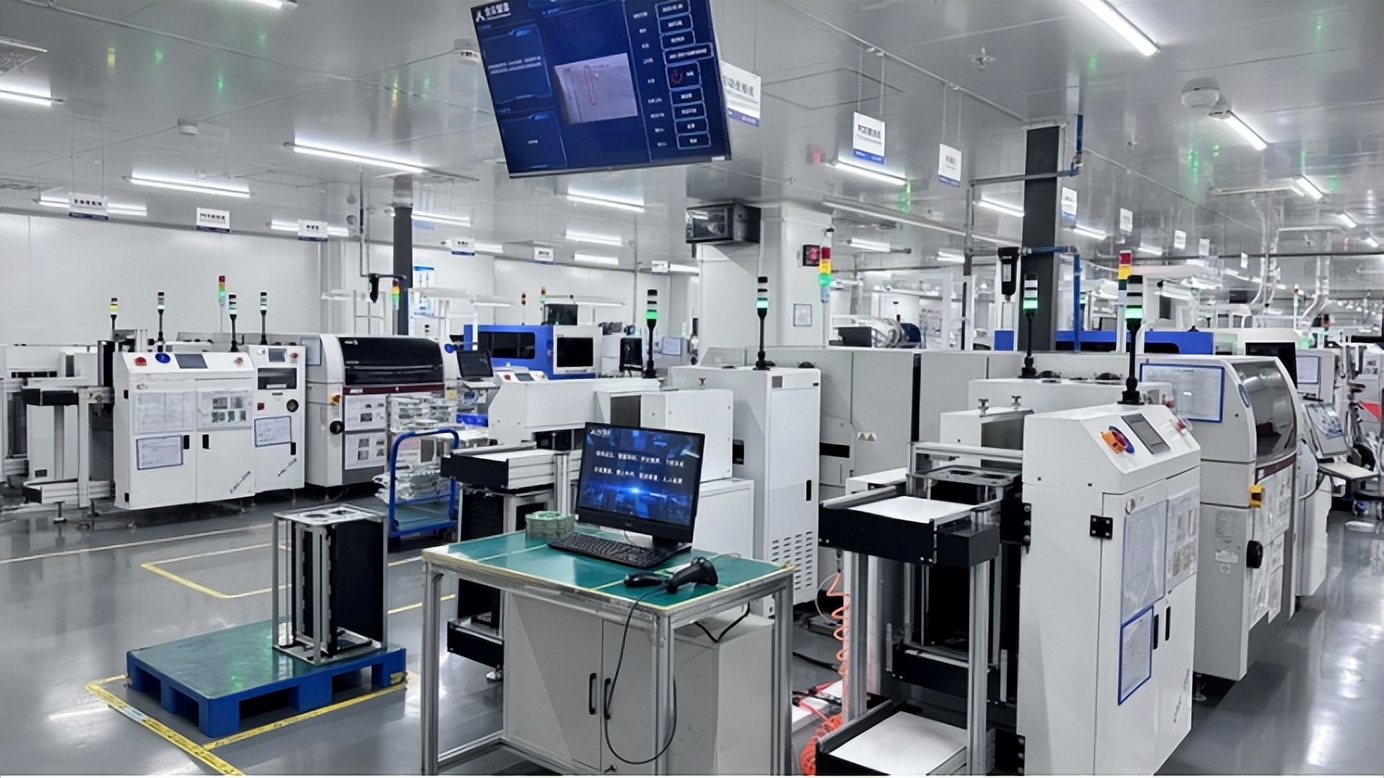
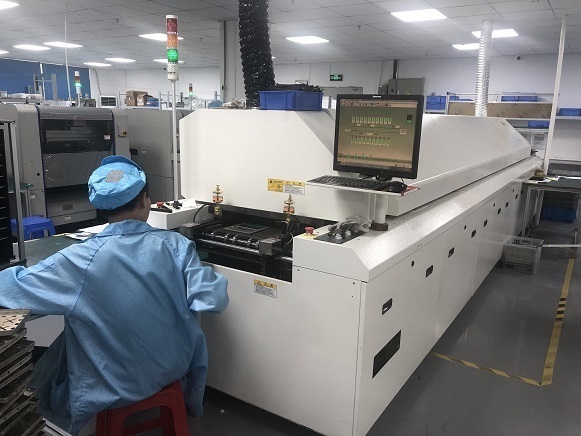
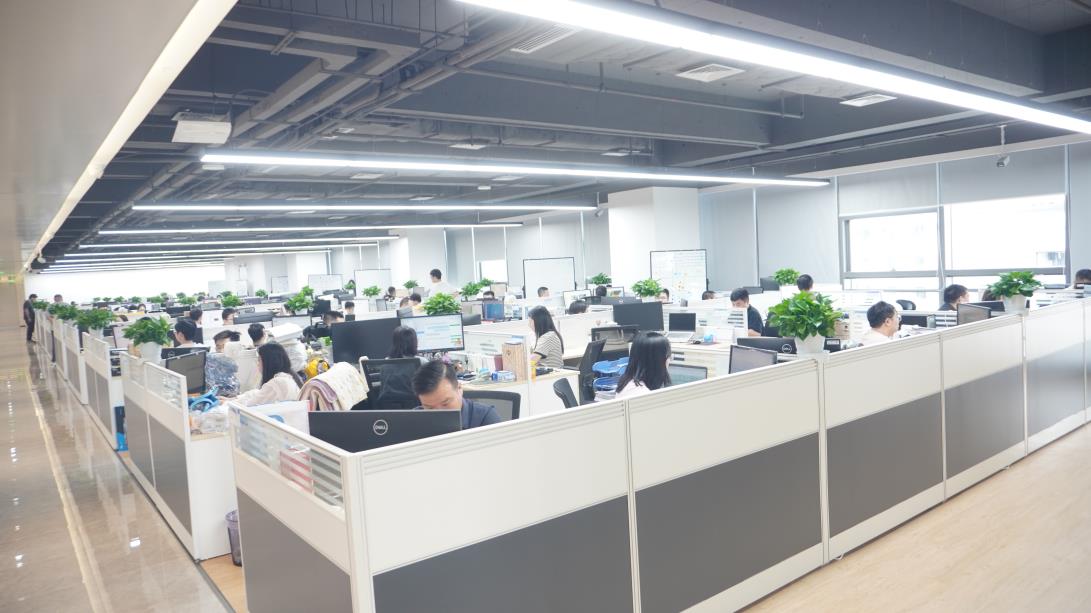
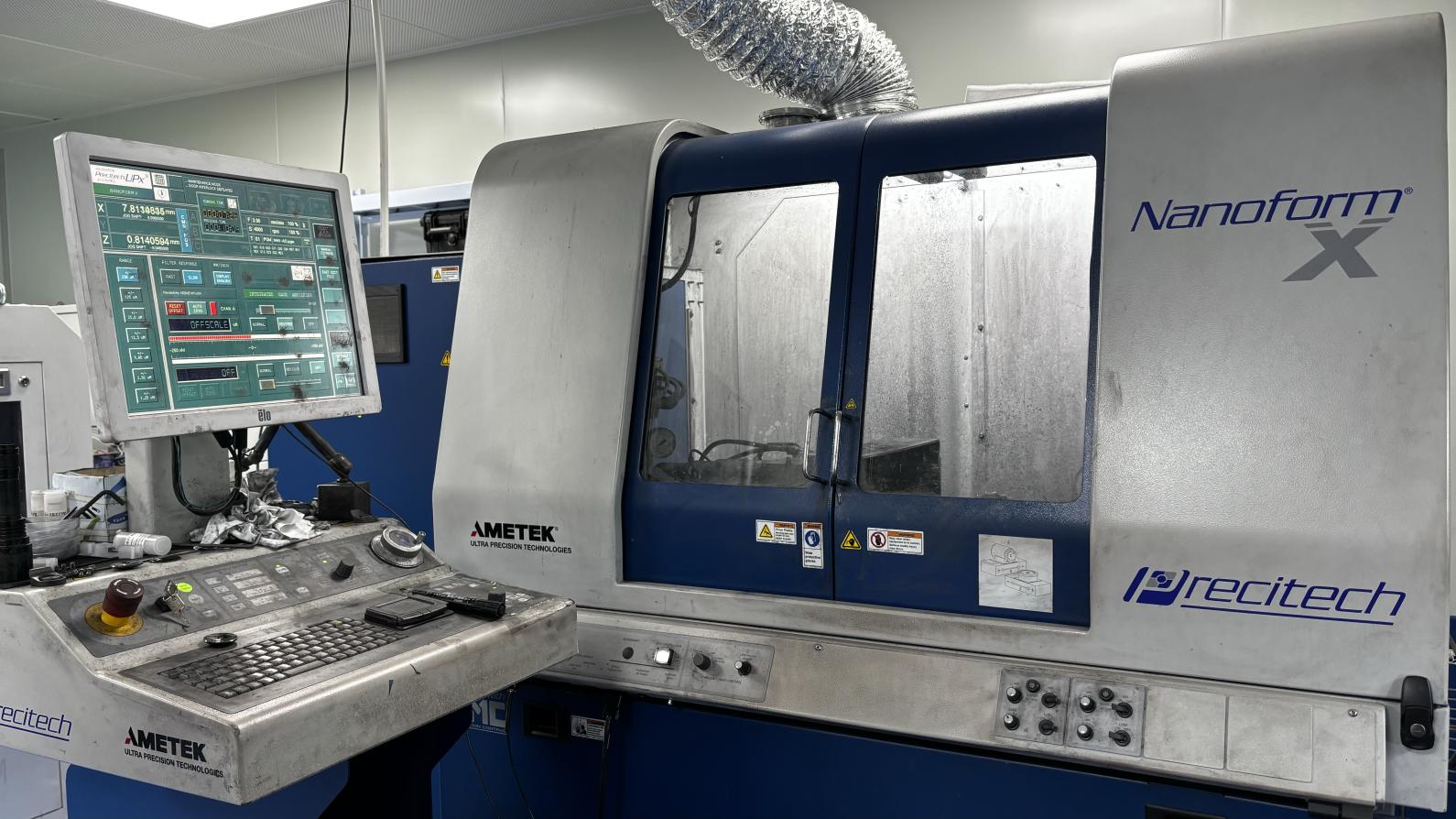
Transolix is a professional optical transceiver manufacturer specializing in high-performance fiber optic communication solutions for global data centers, telecom operators, and enterprise networks. With strong engineering capabilities and scalable production capacity, Transolix is committed to delivering reliable, high-speed, and cost-effective optical connectivity products worldwide.
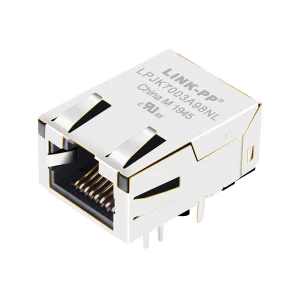
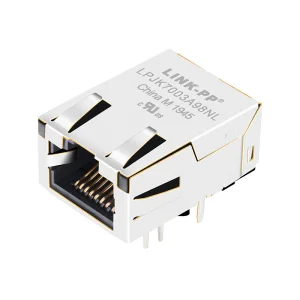
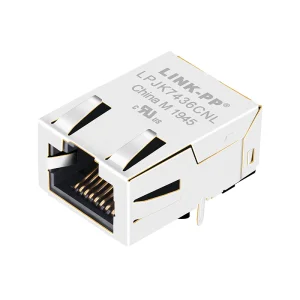
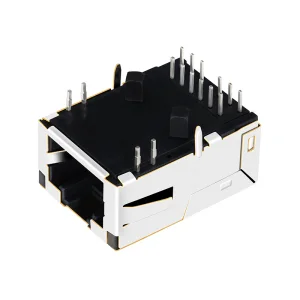
Explore our extensive line of RJ45 connectors with integrated magnetics, LED configurations, and shielding options
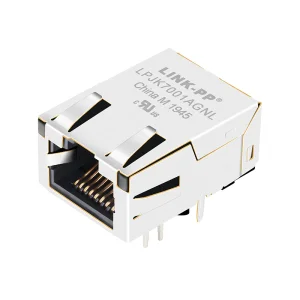
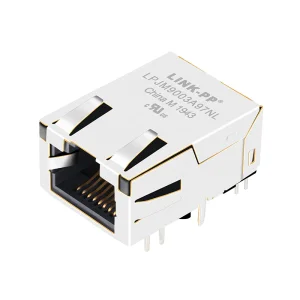
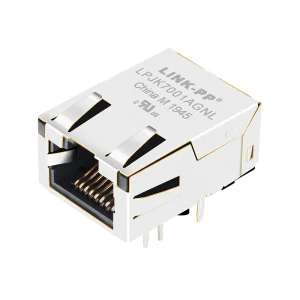
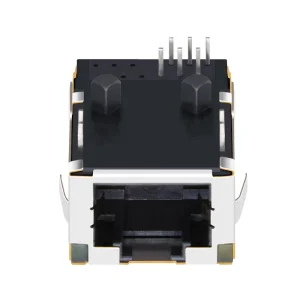
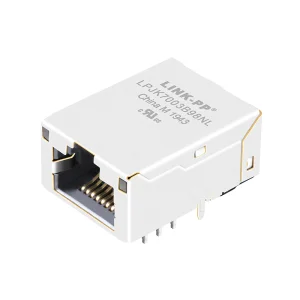
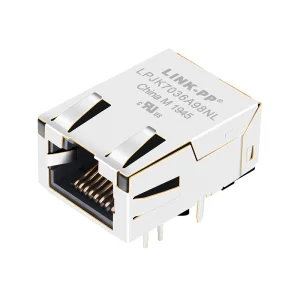
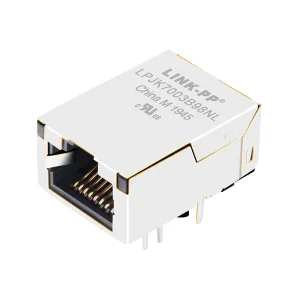
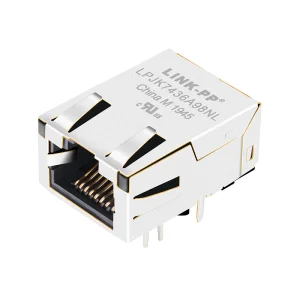
In-depth responses to engineering, design-in, and compliance questions common in the Japanese B2B electronics industry
Standard industrial RJ45 jacks normally measure between 13.5mm and 15.5mm in height from the PCB surface. Transolix Low-Profile RJ45 connectors reduce this dimension to 11.5mm or as low as 9.5mm depending on the exact model (e.g., the HR871182C and 7499311000 series). This provides a physical clearance saving of up to 35%, allowing designers to employ compact multi-board stackups in dense cabinet designs.
Yes. Several of our low-profile connectors with integrated magnetics support PoE (IEEE 802.3af), PoE+ (IEEE 802.3at), and can be customized to support PoE++ (IEEE 802.3bt) configurations up to 90W. The thermal design uses internal copper windings capable of carrying currents up to 720mA per pair without causing excessive localized heating on dense PCBs.
Our connectors utilize 360-degree tin-plated brass metal shielding, coupled with strategically positioned PCB grounding tabs to direct stray high-frequency electromagnetic noise directly to the chassis ground. Internally, the integrated magnetics (MagJack) act as high-attenuation low-pass filters that suppress common-mode and differential-mode noise. This ensures full compliance with VCCI Class B emission standards in Japanese industrial systems.
We use glass-fiber reinforced Liquid Crystal Polymer (LCP) for our connector housings, which features a high heat deflection temperature (HDT) and is completely lead-free reflow compliant up to 260°C. The mechanical mounting tabs (solder tabs) are heavy-gauge brass to reinforce physical retention, mitigating mating stress and preventing the pads from lifting off the board.
Yes, our low-profile connectors conform to FCC part 68 subpart F and IEC 60603-7 dimensions. They work seamlessly with all standard RJ45 modular plug styles (8P8C configurations) from brands like Hirose (HRS), Panduit, and TE Connectivity, ensuring secure latching and connection integrity.
Through our design team of 128 engineers, we support comprehensive physical and electrical customizations. This includes alternative LED colors (single/bi-color arrangements like Green/Yellow or Red/Green), custom gold plating thicknesses (up to 50u" for highly corrosive environments), special shield tab locations, and custom magnetics configuration to match specific PHY manufacturers (Broadcom, Intel, Realtek, etc.).
Most exports to Japan are cleared out of Shenzhen or Ningbo ports, utilizing fast sea lines directly to major Japanese ports such as Tokyo, Yokohama, Osaka, and Kobe. Average transit times range between 3 and 5 days. For urgent engineering samples or NPI (New Product Introduction) cycles, we offer express air shipping options through DHL/FedEx, reaching Tokyo within 24 to 48 hours.
Every batch exported to Japan includes an ISO 9001 compliance certificate, a Material Test Report (MTR) verifying gold plating and housing material specs, a RoHS/REACH compliance statement, and a standard QC test report outlining electrical parameter sweeps (insertion loss, return loss, and withstand voltage).
Partner with Transolix for dependable, space-saving, and highly-engineered low-profile RJ45 connectors designed specifically for the rigorous standards of the Japanese market. Request customized samples or custom electrical drawings from our engineering team.
Send Inquiry Now Transolix