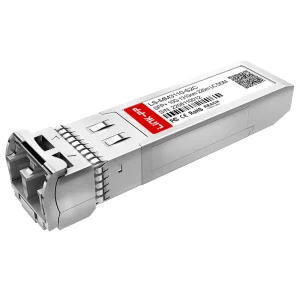
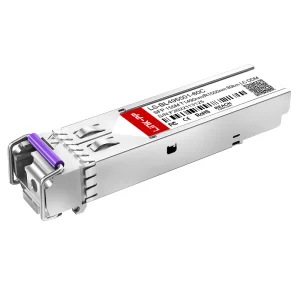
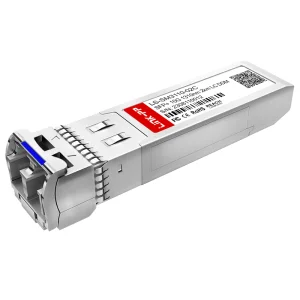
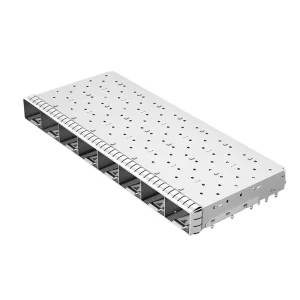
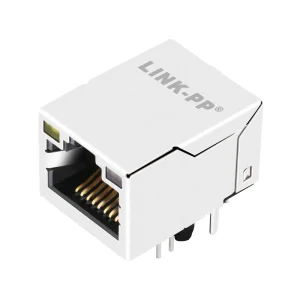
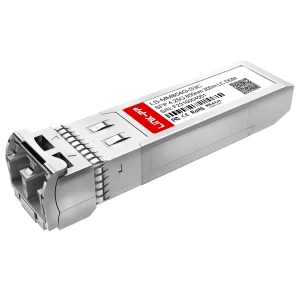
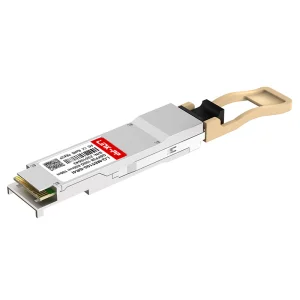
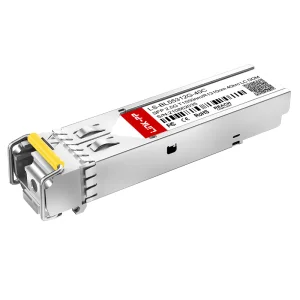
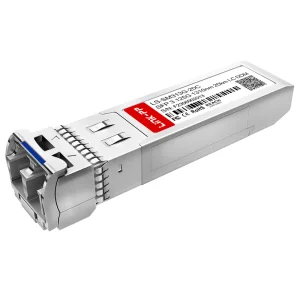
Optimized for metropolitan area networks, ISP termination nodes, and legacy migration frameworks in Lagos, Abuja, and Port Harcourt.
Nigeria is currently undergoing one of the fastest digital transformations in Sub-Saharan Africa. Guided by the Federal Ministry of Communications, Innovation and Digital Economy, and driven by the National Broadband Plan, the country is rapidly shifting from satellite and microwave links to a robust terrestrial fiber backbone. The landing of massive subsea cables such as Equiano, 2Africa, MainOne, and Glo-1 along the coast of Lagos has created an unprecedented influx of international bandwidth. However, translating this subsea capacity into real-world connectivity for businesses in Lekki, mainland Lagos, Abuja, and regional hubs requires high-density routing and switching platforms populated by compatible, high-performance optical transceivers.
As network operators expand their Fiber-to-the-Home (FTTH) networks and transition base stations from 4G LTE to 5G, the optical transceiver has evolved from a simple commodity to a critical point of network reliability. Environmental challenges unique to Nigeria—such as high ambient humidity, elevated temperatures, and dust in northern dry zones—require transceivers designed with industrial-grade semiconductor chips and rugged packaging to prevent premature laser degradation.

Strict adherence to Standards Organisation of Nigeria (SON) regulations for telecommunication and electronic imports, ensuring hassle-free custom clearance.
Engineered to operate reliably under high thermal strain, suitable for non-air-conditioned regional telecom cabinets in sub-Saharan climates.
Fully reprogrammable EEPROM coding to achieve seamless handshake compatibility with Cisco, Huawei, MikroTik, Juniper, and ZTE platforms.
When sourcing optical components from international factories, Nigerian telecom procurement managers and infrastructure engineers face a complex matrix of cost, lead times, compatibility, and durability. As a specialized manufacturer, Transolix addresses these friction points through a comprehensive engineering-focused export process.
In high-density deployments (such as 100G QSFP28 and 400G QSFP-DD), jitter and optical signal degradation are the leading causes of packet loss. Transolix utilizes high-precision automated optical testing systems. Every batch of single-mode and multi-mode modules undergoes rigorous eye-diagram analysis to verify that the transmitter optical waveform margins exceed IEEE requirements. This level of quality control prevents link instability caused by fiber signal dispersion over distances of up to 80 kilometers.
Unlike data centers in temperate zones, communications hardware in West Africa often operates in ambient temperatures exceeding 40°C inside remote cabinets. Under these conditions, commercial-grade lasers (0°C to 70°C) quickly suffer from threshold current shifts and wavelength drift, resulting in optical link failure. Transolix supplies modules equipped with industrial-grade lasers (supporting -40°C to +85°C), utilizing advanced hermetic packaging and thermal dissipation pads to protect internal chipsets from thermal shock.
A major challenge for regional system integrators in Lagos is the lockout policies enforced by major system vendors. When generic transceivers are plugged into proprietary switches, they are frequently disabled or report "unsupported transceiver" warnings. Transolix overcomes this through custom EEPROM coding. We maintain an extensive library of vendor code images and customize the optical module's internal microcontrollers to mimic original hardware signatures, enabling seamless plug-and-play operation across multi-vendor networks.
With 11 years of optical R&D and manufacturing expertise, Transolix bridges the gap between global supply chain capabilities and local deployment requirements.
Transolix is a professional optical transceiver manufacturer specializing in high-performance fiber optic communication solutions for global data centers, telecom operators, and enterprise networks. With strong engineering capabilities and scalable production capacity, Transolix is committed to delivering reliable, high-speed, and cost-effective optical connectivity products worldwide.


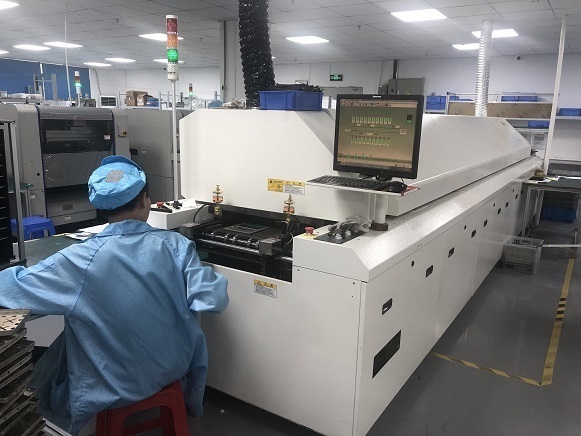

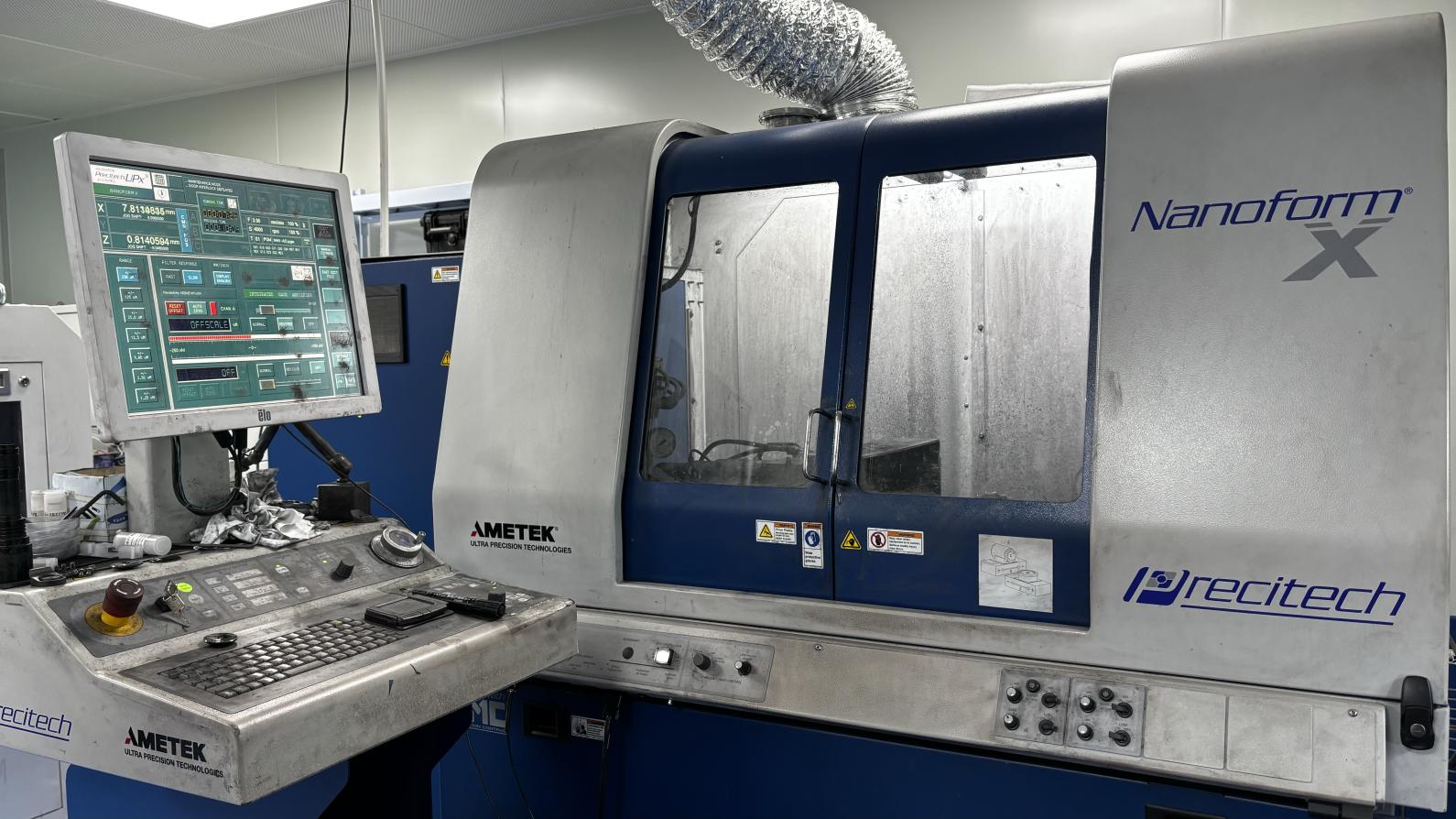
Request raw video inspection or virtual factory tour today.
Contact Exporter Team >Engineered for long-haul transport, edge routing, switching systems, and high-frequency communication boards.
Expanding telecom infrastructure in Nigeria requires navigating challenging customs operations at key ports such as Apapa Port and Murtala Muhammed International Airport. Delays in securing clearance for networking hardware can derail major network rollouts, leading to cost overruns.
As a reliable exporter, Transolix ensures that all shipments contain clear, structured documentation. Each optical transceiver shipment includes precise weight manifests, HS code classifications (typically 8517.62 for optical communication transmission units), and detailed packaging sheets. We label all cartons with readable barcodes and model numbers, allowing Nigerian customs officials and terminal operators to perform rapid verification, minimizing delays at the port of entry.
Additionally, we coordinate directly with forwarders specializing in West African logistics routes, offering sea freight for passive optical equipment (cages, connectors) and secure air shipping for sensitive active transceivers (such as 100G QSFP28 modules), keeping project timelines on track.
Answering crucial technical and business questions regarding optical transceivers import to Nigeria.
Our R&D lab houses major switch and router models from leading global manufacturers. Every transceiver is programmed with vendor-specific EEPROM code and tested in-house on target hardware before shipping, ensuring hassle-free compatibility without error flags.
We supply CE, FCC, RoHS, and comprehensive test reports. For Nigerian imports, we assist buyers in securing SONCAP (Standards Organisation of Nigeria Conformity Assessment Programme) certificates by providing verified factory inspection reports and certificates of conformity.
For deployments in hot or poorly ventilated regional cabinets, we recommend our industrial-grade transceivers. These feature premium laser diodes and thermal substrates tested to operate under high temperatures (-40°C to +85°C), significantly reducing thermal degradation compared to standard commercial modules.
All our active optical modules come with a 3-year warranty. Our products achieve a Mean Time Between Failures (MTBF) of over 500,000 hours, backed by strict ISO 9001 quality standards and continuous testing protocols.
Connect directly with our engineering and logistics teams to plan your next network upgrade. Get tailored technical specifications, custom EEPROM firmware codes, and compliant shipping pathways for Nigeria.
Request Factory Pricing & RFQ Transolix