Engineered for seamless integration into custom OEM enterprise switches, carrier-grade edge nodes, and industrial networks.
The global datacom network architecture is experiencing a monumental transformation. Industrial IoT deployments, 5G cell site densification, enterprise cloud expansions, and resource-heavy AI workloads demand unprecedented bandwidth, lower latency, and absolute signal reliability. At the physical layer, these demands focus directly on the hardware of the Ethernet Switch.
As a leading custom OEM Ethernet switch manufacturer and supplier, Transolix sits at the intersection of structural optical connectivity and specialized PCB design. The switch is no longer just a silicon ASIC package inside a metal enclosure; it is a complex ecosystem where high-frequency physical interfaces, passive optical modules, electromagnetic shielding cages, and robust magnetic connectors must achieve perfect synergy.
Information Gain Insight: System-level performance in high-speed switching is heavily restricted by physical layer (PHY) insertion losses and thermal choking at the port level. Designing a custom Ethernet switch requires tight collaboration between the PCB layout engineers and the optical/magnetic interface suppliers to avoid signal reflection issues above 10Gbps/25Gbps.
In current enterprise and industrial networks, we observe a rapid migration from legacy 10/100/1000Mbps switching architectures toward Multi-Gigabit (2.5G/5G/10G) and ultra-high-speed (25G, 40G, 100G, and 400G) pipelines. This transition is not limited to data centers. Edge computing hubs and remote industrial environments now utilize 2.5G Base-T and 25G SFP28 interfaces to handle high-resolution image analysis, multi-spectral sensor feeds, and complex edge processing workloads.
Supporting dense leaf-spine configurations requiring high-speed transceiver integration (up to 25G/100G) and advanced electromagnetic shielding to maximize uptime.
Providing sub-millisecond latency switches with wide temperature tolerance ranges (-40°C to +85°C), designed for harsh manufacturing floors.
Delivering Power over Ethernet (up to PoE++ IEEE 802.3bt, 90W per port) to support high-power PTZ IP cameras, Wi-Fi 6/7 access points, and remote terminals.
Bespoke L2/L3 Carrier Ethernet access switches with DDM real-time diagnostic reporting over fiber runs spanning 10km to 40km and beyond.
A deeply vertically integrated engineering pipeline, delivering customized active switching hardware and interface systems since 2016.
Transolix functions as a specialized partner for network operators, cloud service providers, and global system integrators. By operating our own advanced R&D testing facilities and maintaining close relationships with 860 certified upstream material and semiconductor vendors, we bridge the gap between initial prototyping and massive global deployments.
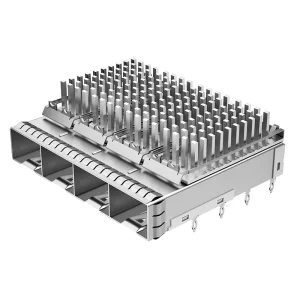
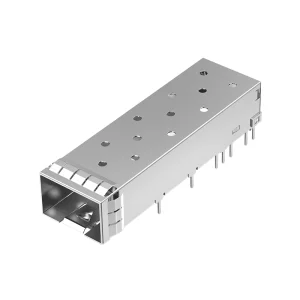
Our engineering methodology focuses heavily on physical layer signal integrity. Standard switches often struggle with electromagnetic interference (EMI) at high port densities. Transolix prevents these issues by matching custom high-density press-fit cages (like our 1x4 and 1x1 EMI-shielded configurations) with custom-designed magnetic RJ45 connectors and high-speed transceivers. We execute strict thermal simulation matrices before releasing any OEM PCB layout to fabrication, guaranteeing optimal airflow around the critical transceiver modules.
Our quality control measures are designed around automated optical testing, eye diagram analysis for high-speed transmission verification, and thermal chamber aging cycles. We test every single custom assembly under real-world traffic load profiles before shipment, ensuring compliance with both internal reliability requirements and international certification standards (ISO 9001, CE, FCC, RoHS).
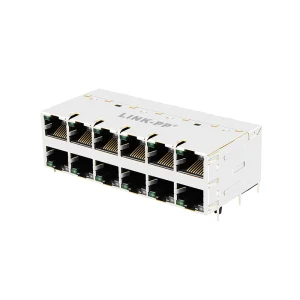
In modern smart factories, machinery requires deterministic communication. Standard packet switching allows queue delays, which can disrupt precision robotics. Transolix designs custom OEM Industrial Ethernet Switches that fully support IEEE 802.1 TSN standards. Incorporating high-reliability integrated magnetic RJ45 connectors ensures isolation against high-voltage transients on the factory floor, while specialized PCB designs protect internal components from ambient electromagnetic noise.
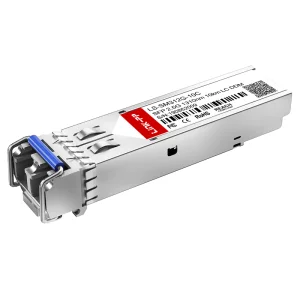
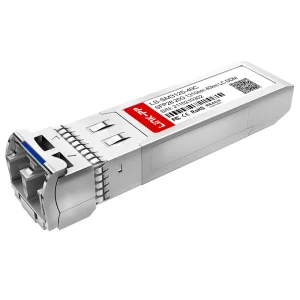
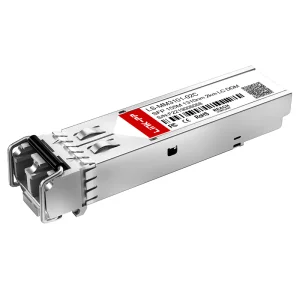
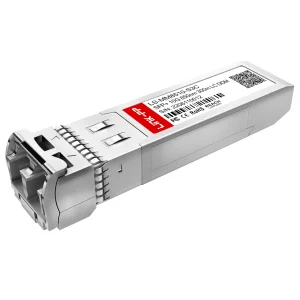
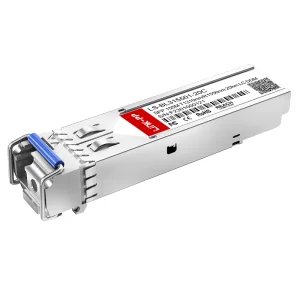
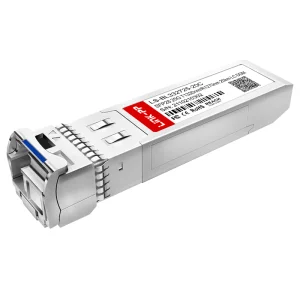
Telecom carrier networks need access platforms capable of linking subscriber loops to metropolitan fiber rings. Our custom OEM switches offer a flexible mix of high-density copper ports and optical SFP uplink ports. By utilizing bidirectional single-mode optical transceivers (such as our 155M BiDi 20km or 25G BiDi options), we help operators optimize fiber usage by running dual-transmit-receive wavelengths over a single strand of fiber, saving significant leasing and physical cable deployment costs.
| Interface Standard | Typical Media | Max Distance Range | Signal Isolation Technique | Primary Application Area |
|---|---|---|---|---|
| 25G SFP28 Duplex LC | Single Mode Fiber (SMF) | Up to 40 km | Complete Galvanic/Optical Isolation | Data Center Uplinks & Metro Telecom Core |
| 2.5G SFP LC Duplex | Single/Multi-Mode Fiber | Up to 10 km | Optical Isolation | Enterprise Core to Distribution Layers |
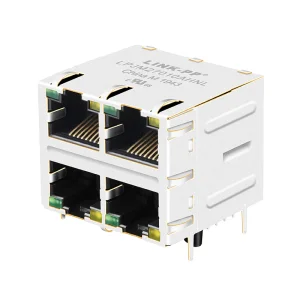
| 1000Base-T MagJack RJ45 | Cat5e/Cat6 Copper | Up to 100 meters | Built-in Magnetic Isolation Transformers | LAN Access Ports & Industrial Edge Nodes |
| SFP+ Direct Attach Copper | Twinaxial Copper Cable | Up to 7 meters | Direct Drive (Low Latency / Differential Pair) | Intra-Rack Server-to-Switch Interconnection |
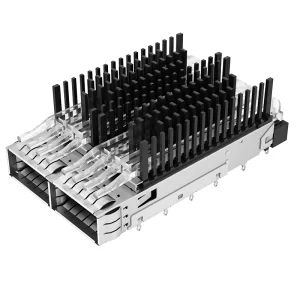
One of the primary failure modes in high-density switch equipment is thermal overload within the SFP cage cluster. When several transceivers operate next to each other at high data rates, they generate considerable heat. Our custom OEM solutions feature specialized SFP+ cages designed with integrated, highly efficient heatsinks and direct press-fit pins. These elements create a clear thermal dissipation path from the optical module directly to the switch chassis' airflow path, lowering transceiver operating temperatures by up to 15°C.
Technical answers regarding custom OEM Ethernet switch designs, physical interfaces, and manufacturing support.
We provide full hardware and software customization. This includes custom board form factors (half-width, 1U, 2U, ruggedized DIN-rail), port configurations (combining RJ45 with built-in magnetics, SFP, SFP28, or QSFP), Power over Ethernet budgets (PoE, PoE+, PoE++), custom L2/L3 firmware (VLAN, QoS, IGMP Snooping, SNMP, CLI/Web UI), and brand labeling.
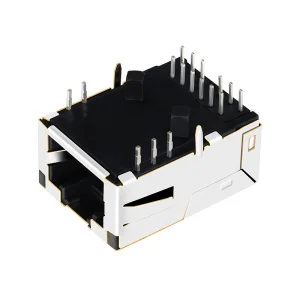
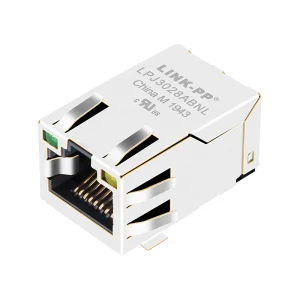
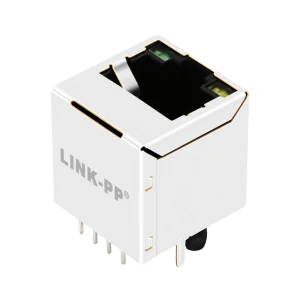
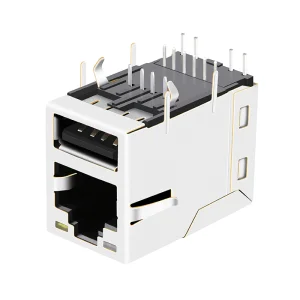
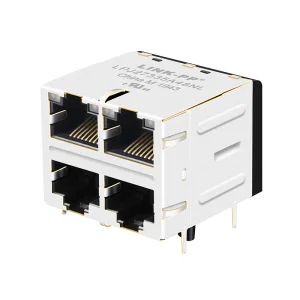
Integrated magnetic connectors (such as the LPJK7003A98NL or JX20-0252NL MagJacks) incorporate isolation transformers and common-mode filters directly inside the RJ45 shielding. This reduces PCB footprint, minimizes electromagnetic crosstalk, enhances lightning and ESD protection, and guarantees compliance with IEEE 802.3 insulation standards.
Our transceivers comply with MSA (Multi-Source Agreement) standards. We code the module's EEPROM firmware using specific vendor identification profiles to ensure compatibility with major networking platforms, preventing port lockouts and link failures.
We use multi-port ganged or stacked SFP+ cages (like our TE Compatible 1x4 and 1x2 configurations) built from high-conductivity copper alloys. These cages feature dedicated clip-on heatsinks, thermal interface materials (TIM), and integrated airflow openings. These elements help transfer heat away from the optical sub-assemblies and out of the switch enclosure.
Extend your transmission distance and secure your ports with our industry-compliant transceivers and shielding hardware.
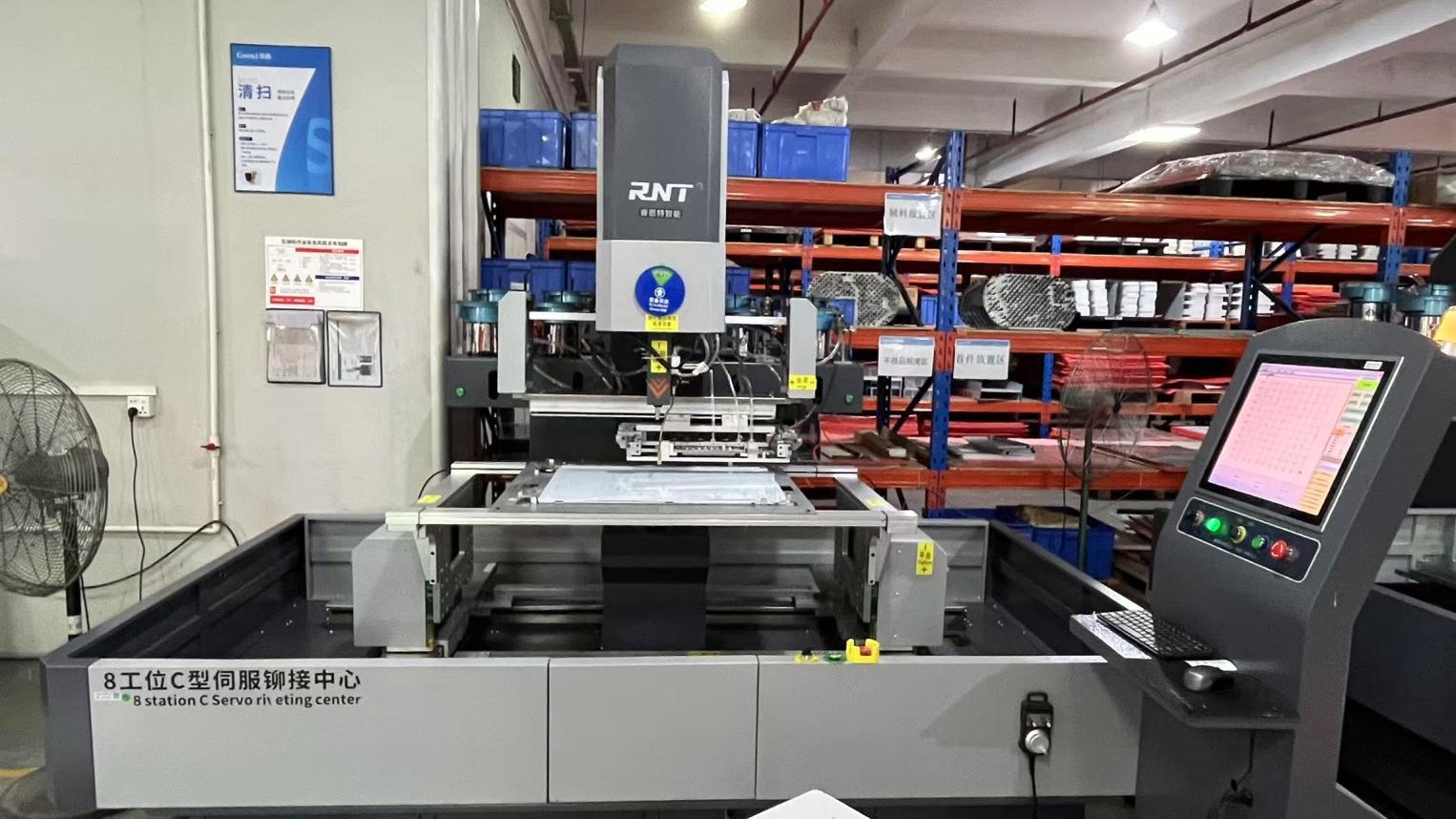
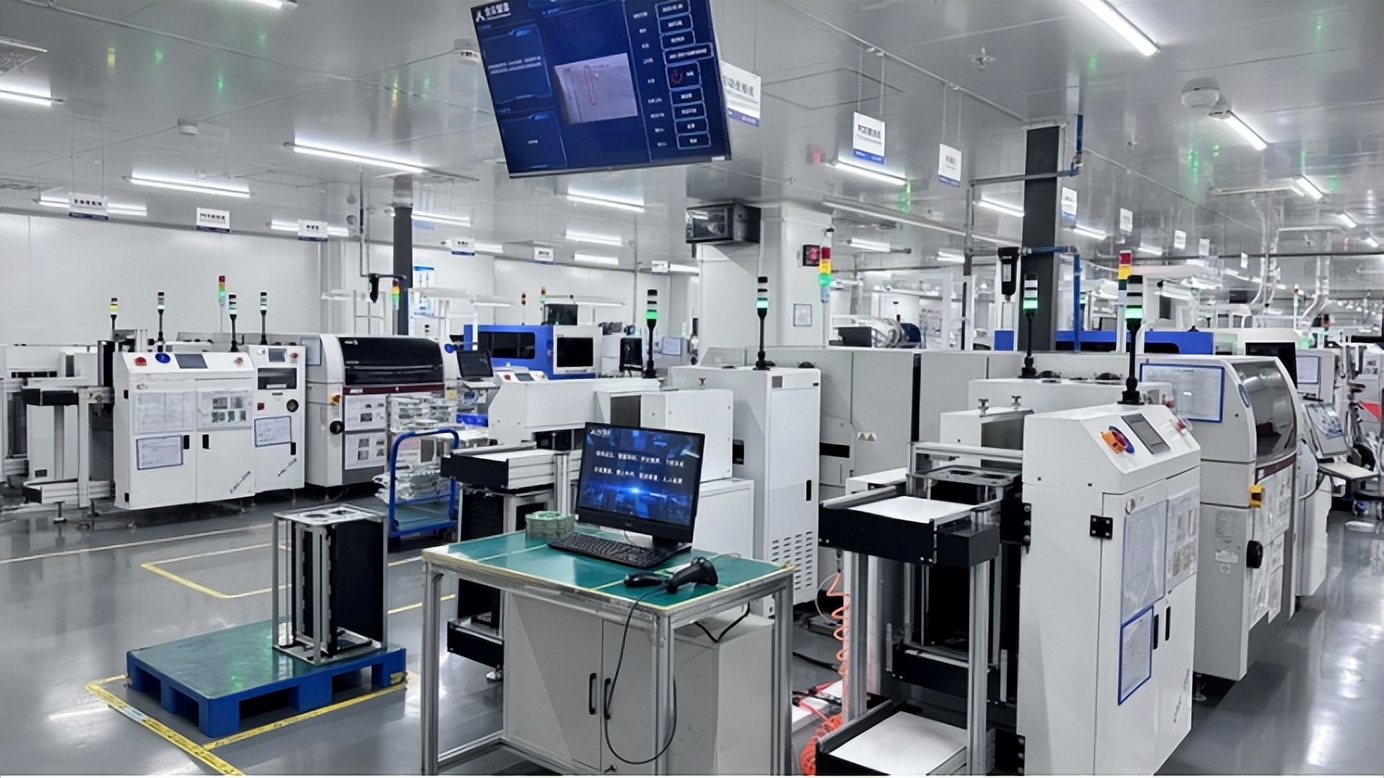
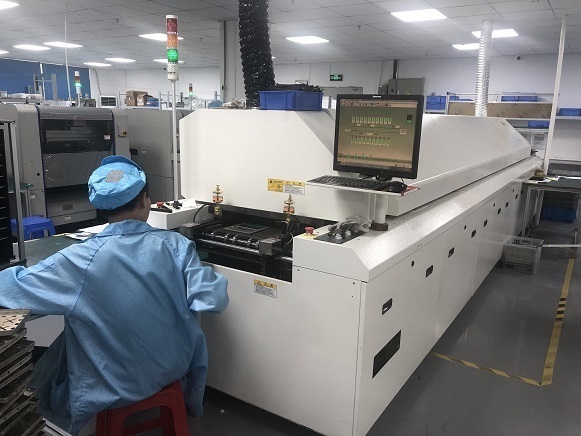
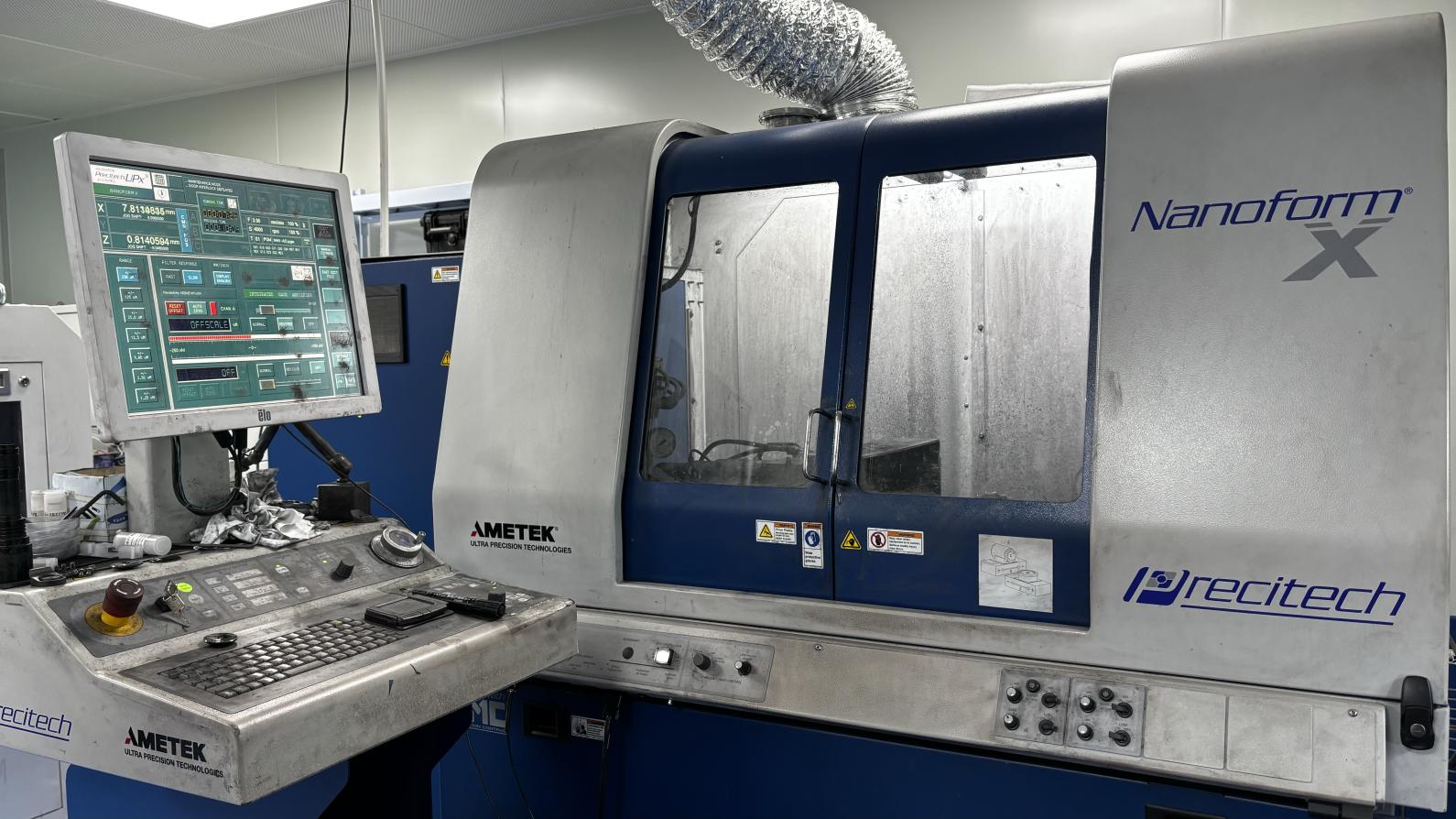
Take a virtual tour through our state-of-the-art packaging lines, automated optical testing labs, and assembly workshops.


 Transolix