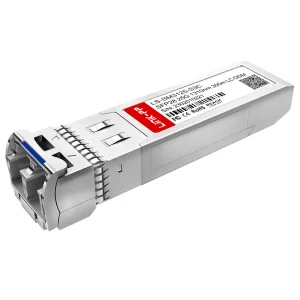
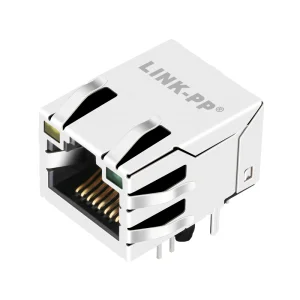
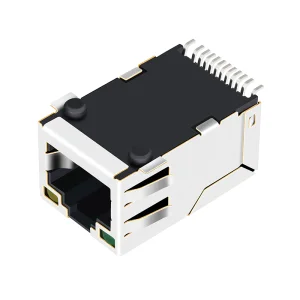
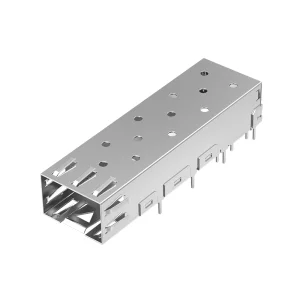
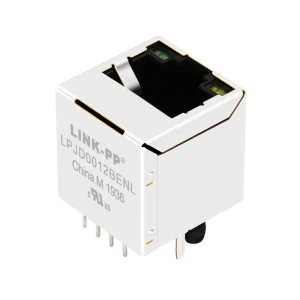
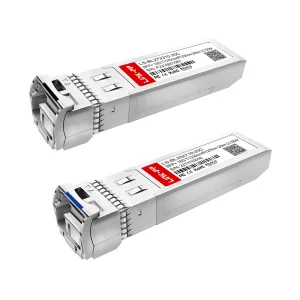
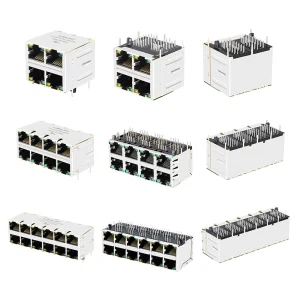
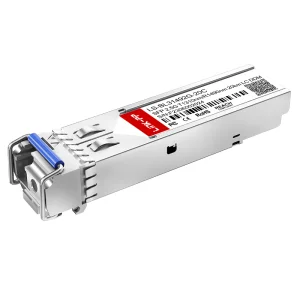
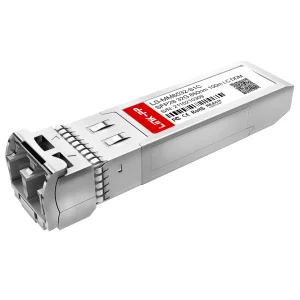
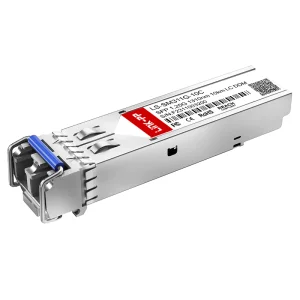
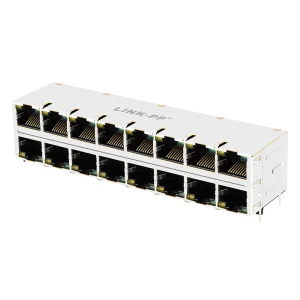
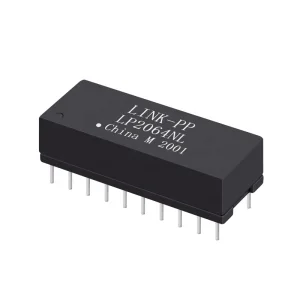
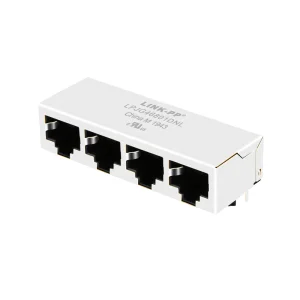
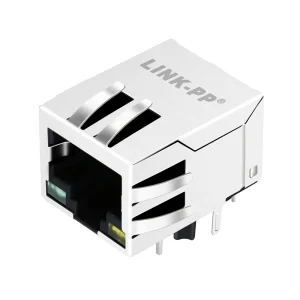
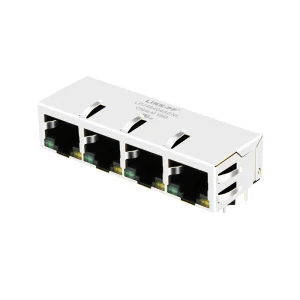
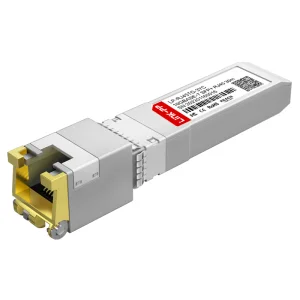
Browse our lead product line featuring optical modules, magnetic RJ45 connectors, and EMI shielded cage configurations engineered for enterprise-grade signal integrity.
In the modern hyperscale enterprise networking ecosystem, the demands on hardware components have escalated from simple point-to-point transmission channels to complex, signal-conditioned systems capable of sustaining high bandwidth over legacy and next-generation media. At the heart of this network grid lies the physical layer connector—the RJ45 port and associated transceiver circuitry. As networks migrate toward multi-gigabit rates (2.5G/5G/10G Base-T) and optical uplinks, understanding the structural, electrical, and thermal constraints of these hardware blocks becomes vital for telecommunication operators, data centers, and original equipment manufacturers (OEMs).
Ethernet architecture is undergoing a rapid evolution. Industrial and enterprise network nodes are phasing out pure Gigabit Ethernet (1GbE) systems in favor of Multi-Gigabit infrastructures. This migration presents major physical layer issues:
Procuring network interface controllers and passive connectors on a global scale presents supply-chain vulnerabilities, technical verification hurdles, and regulatory roadblocks. Procurement managers must prioritize three essential pillars during partner evaluation:


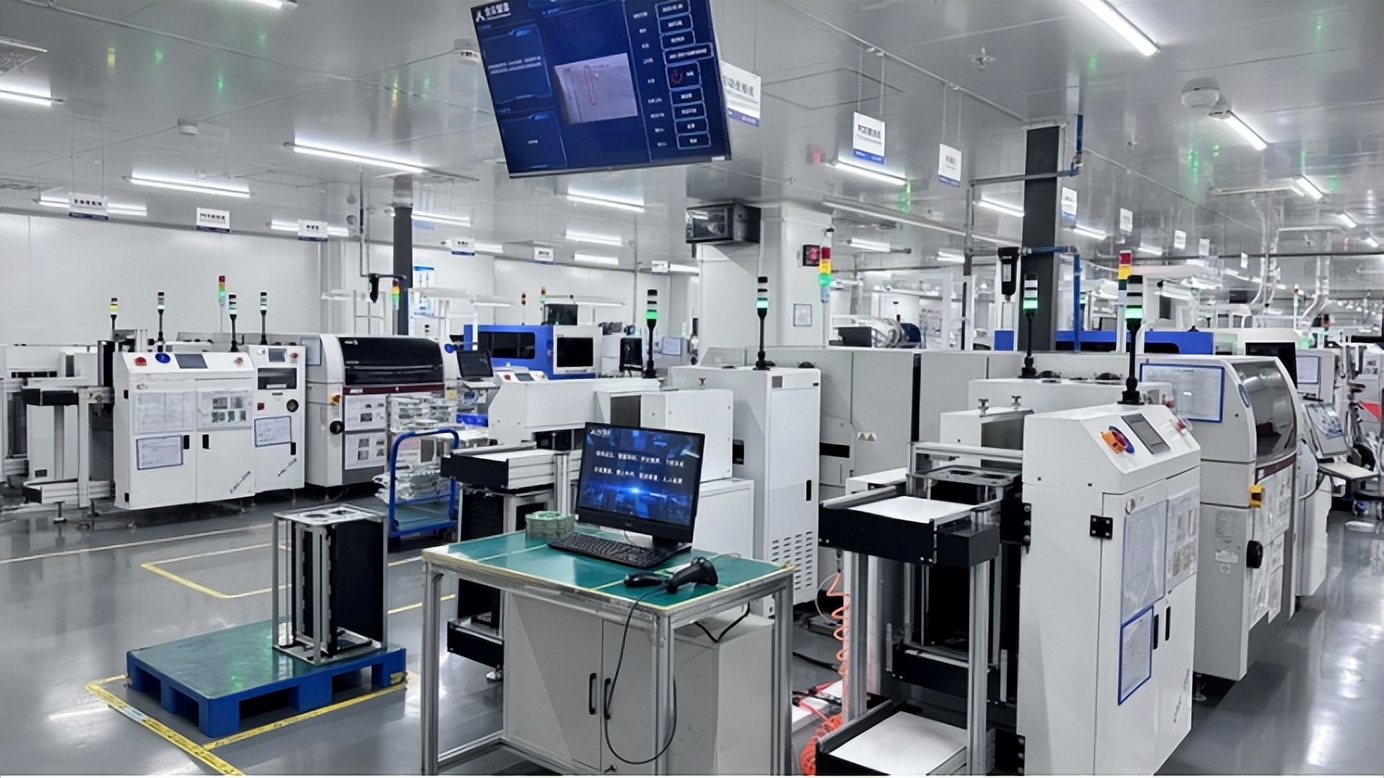
High-reliability RJ45 ports and optical modules are deployed across diverse demanding operational environments:
The roadmap for physical networking interfaces is splitting into two distinct, high-growth directions:
On one side, High-Performance Copper (RJ45/Multi-Gigabit) continues to dominate horizontal enterprise runs and edge environments due to its low installation cost and backward compatibility. We are seeing a major push toward 25GBase-T and 40GBase-T over Category 8 cabling systems, requiring even more sophisticated magnetic coupling inside the RJ45 connector housing.
On the other side, Optical Co-Packaging and Fiber Integration (SFP28/QSFP-DD) are moving from core infrastructure into access networks. In this landscape, optical modules are being designed for lower power footprints, using silicon photonics to drive down energy consumption inside dense switch configurations. Transolix is positioned at the intersection of these pathways, developing both physical magnetic copper jacks and high-speed active optical transceiver products.
Leveraging 11 years of field-tested engineering expertise to deliver robust interconnect interfaces and high-speed transceiver modules globally.
Backed by an engineering division of 128 dedicated R&D staff, Transolix supports full structural customizations, including proprietary pin-out configurations, customized LED colors, magnetic schematics, and specialized firmware adjustments for compatibility with major networking platforms. We released 86 new models last year alone to meet custom demands.
Our ISO 9001-compliant production environment is staffed by 42 dedicated QC specialists. Utilizing automated optical testing, eye diagram analyzers, thermal chambers, and 100% final functional performance validation, we ensure zero-defect integration for critical communication links.
With a verified network of 860 upstream supplier partners supplying raw chipsets, ferrites, and structural plastics, we protect our production capacity against market volatility. Transolix delivers reliable B2B exports to operators, cloud service centers, and system integrators worldwide.
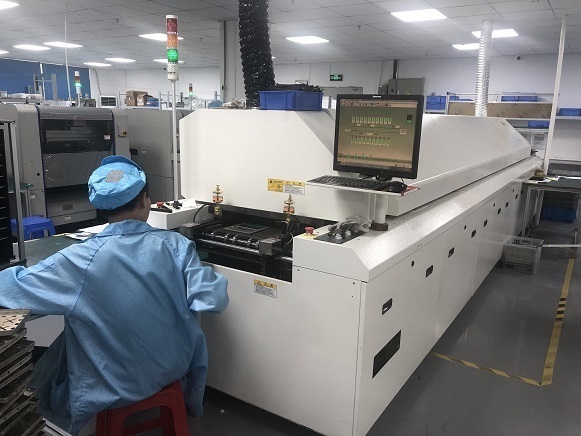

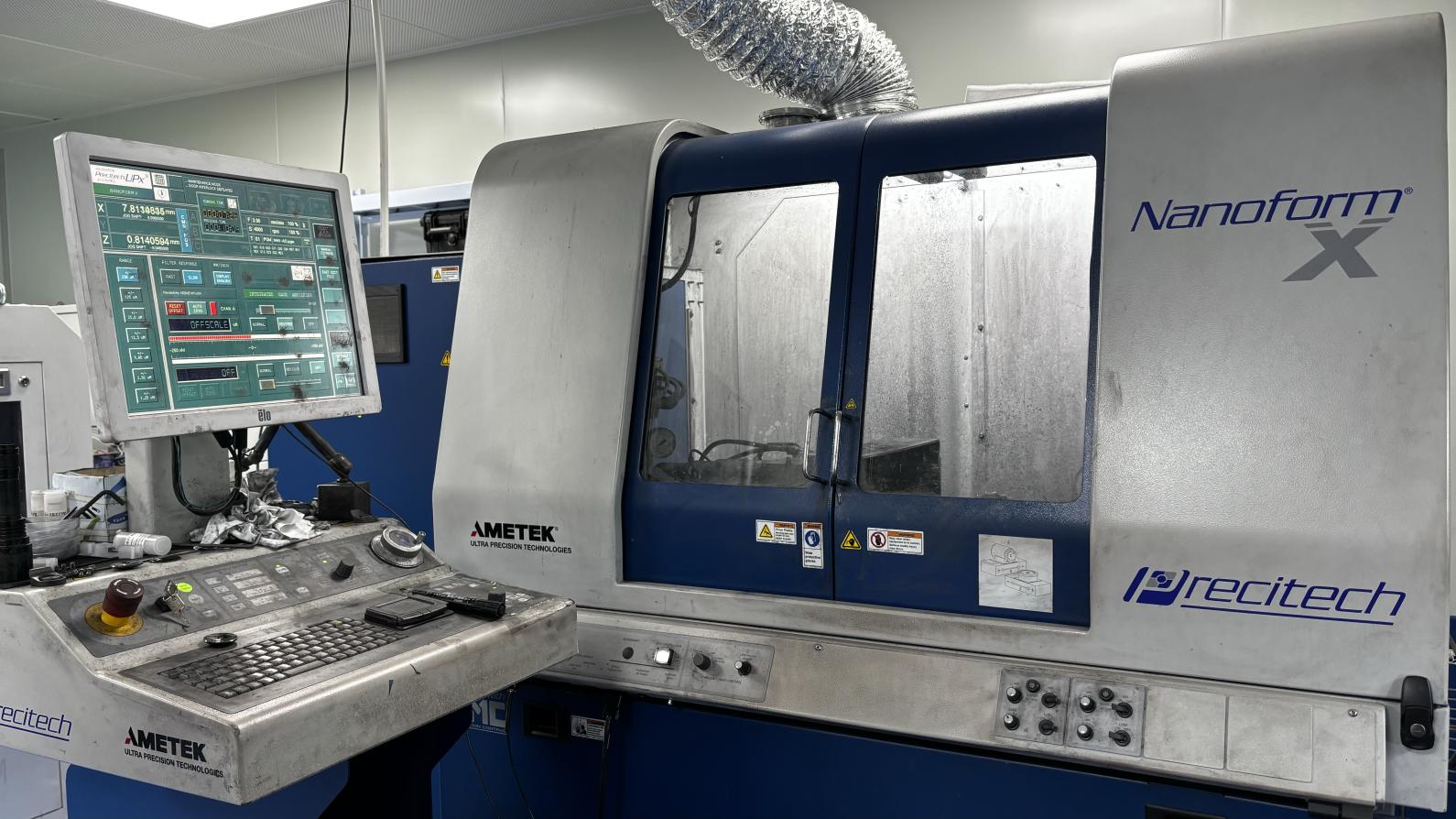
Transolix provides robust post-sale technical support and global fulfillment services. Backed by 6 years of pure B2B export experience, our products comply with regulatory standards across major markets: CE, FCC, UL, and RoHS certificates are standard across all product ranges.
Our logistical coverage includes North America, Europe, Southeast Asia, and the Middle East, allowing for rapid transit times, flexible customs clearing support, and technical assistance for localized engineering implementations.
Get answers to common technical, commercial, and operational questions about RJ45 switch ports, magnetic modules, and optical transceivers.
A: Integrated Connector Modules (ICMs/MagJacks) combine the physical RJ45 port and the necessary magnetic components (isolation transformers, common-mode chokes, resistors, and capacitors) into a single shielded housing. This saves significant PCB real estate, improves EMI performance by placing the isolation components closer to the port, and reduces the design complexity of high-frequency layout paths.
A: Transolix maintains a comprehensive testing lab with physical switches from leading hardware manufacturers. Our engineering team customizes the EEPROM firmware of our modules (such as SFP, SFP+, and SFP28 transceivers) to present the correct vendor-specific digital signatures, preventing software lockouts and ensuring seamless Plug-and-Play interoperability.
A: For magnetic RJ45 connectors, we verify insertion loss, return loss, common-mode rejection ratio (CMRR), and high-pot isolation voltage up to 1500V. For optical transceivers, we conduct automated optical validation, optical power measurements, eye diagram analysis to evaluate signal integrity, and thermal stress aging cycles to ensure long-term reliability in dense switch environments.
A: Yes. Our ODM services specialize in developing multi-port stacked configurations (such as 2x1, 2x2, 2x4, and 2x8 RJ45 setups) with integrated magnetics supporting speeds up to 10G Base-T. We can adjust LED indicator colors, shield grounding tabs, contact pin plating thickness, and physical footprint layouts to match our customers' PCB constraints.
A: 10G Base-T SFP+ copper modules generate significant heat due to the power requirements of the 10G PHY chip. Our transceivers use low-power PHY chips combined with heat-dissipating structural enclosures to keep operating temperatures within safe limits, preventing link drops and extending product lifespan.
Explore our high-speed fiber transceivers, compatible SFP modules, and alternative multi-port RJ45 connector form factors for enterprise expansion.
 Transolix