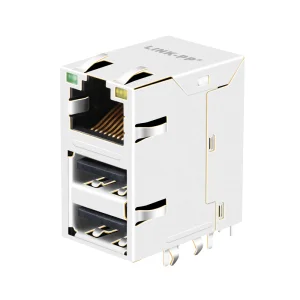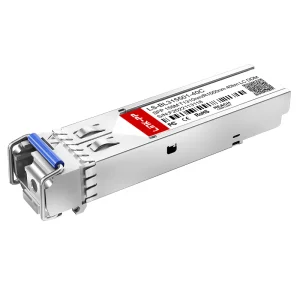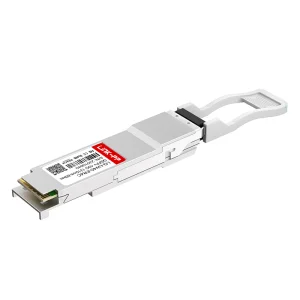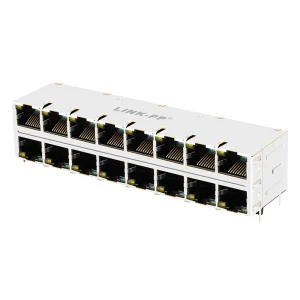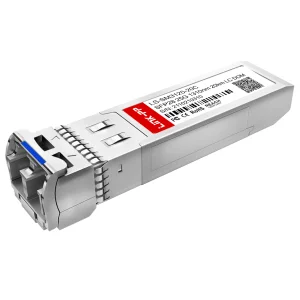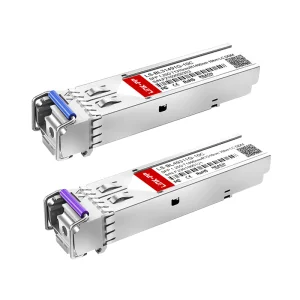
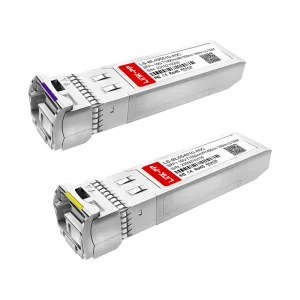
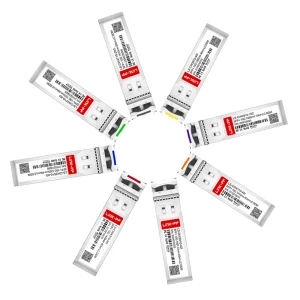
In modern telecommunications, data centers, and enterprise environments, the RJ45 to Ethernet adapter and its associated magnetic connectors play a critical role in bridging physical copper interfaces with high-speed digital networks. As systems scale from Gigabit Ethernet (1GbE) to 10GbE and beyond, the technical requirements for interface integrity, electromagnetic shielding, and signal conversion have reached unprecedented heights.
The global market for Ethernet interfaces is driven by a massive transition toward industrial automation (Industry 4.0), IoT deployment, smart buildings, and the densification of cloud data centers. System integrators and OEM engineers require more than just plug-and-play components; they demand modules that ensure signal stability, low latency, and robust isolation under challenging environmental conditions.
Optimizing differential impedance at high frequencies to eliminate insertion losses and control cross-talk (NEXT/FEXT) inside compact connector footprints.
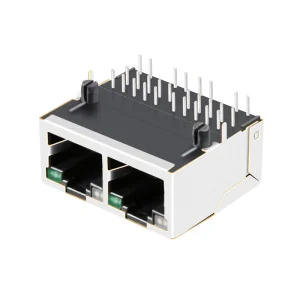
Integrating high-reliability LAN filter transformers directly inside the RJ45 jack to secure 1500V AC isolation against ground loops and transients.
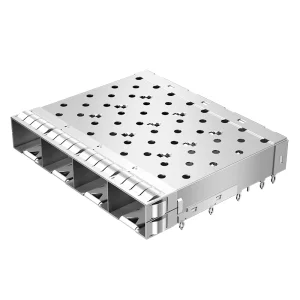
Utilizing high-performance metal cages with EMI shielding fingers and press-fit grounding layouts to suppress electromagnetic interference.
For hardware designers and procurement specialists sourcing from the Top 10 RJ45 to Ethernet adapter suppliers, understanding the internal architecture—such as tab-up/tab-down options, SMT vs. through-hole terminal design, and integrated magnetic filters—is crucial. Selecting a qualified exporter who balances reliable manufacturing systems with strict quality verification processes determines the long-term success of the product lifecycle.
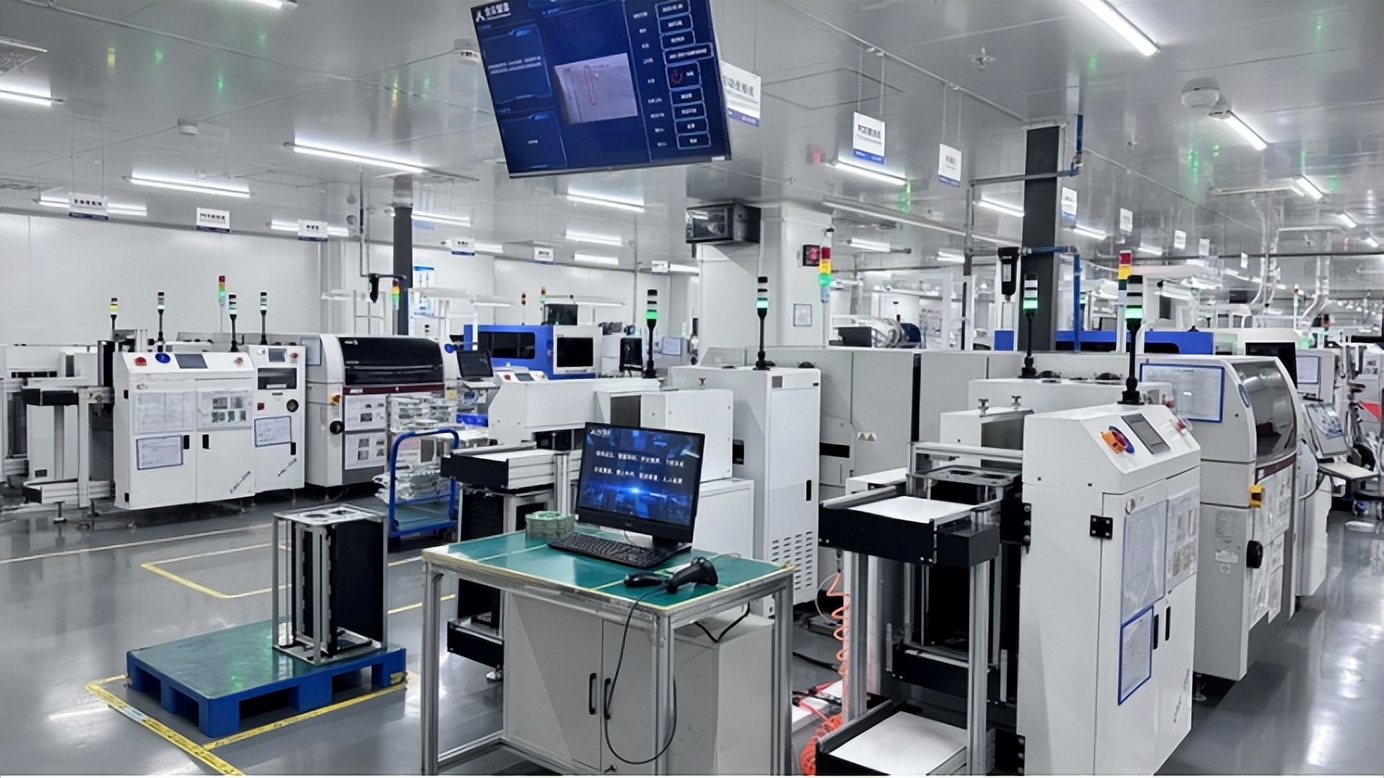
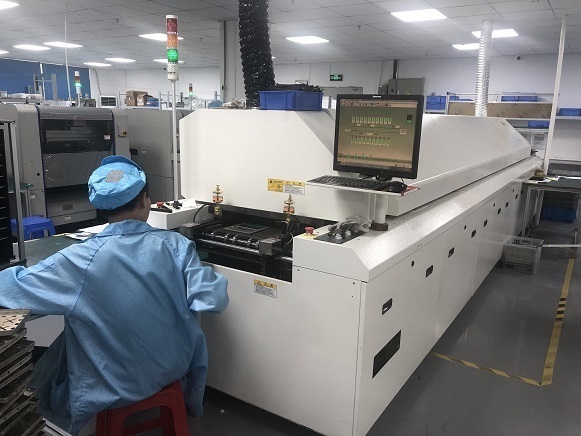
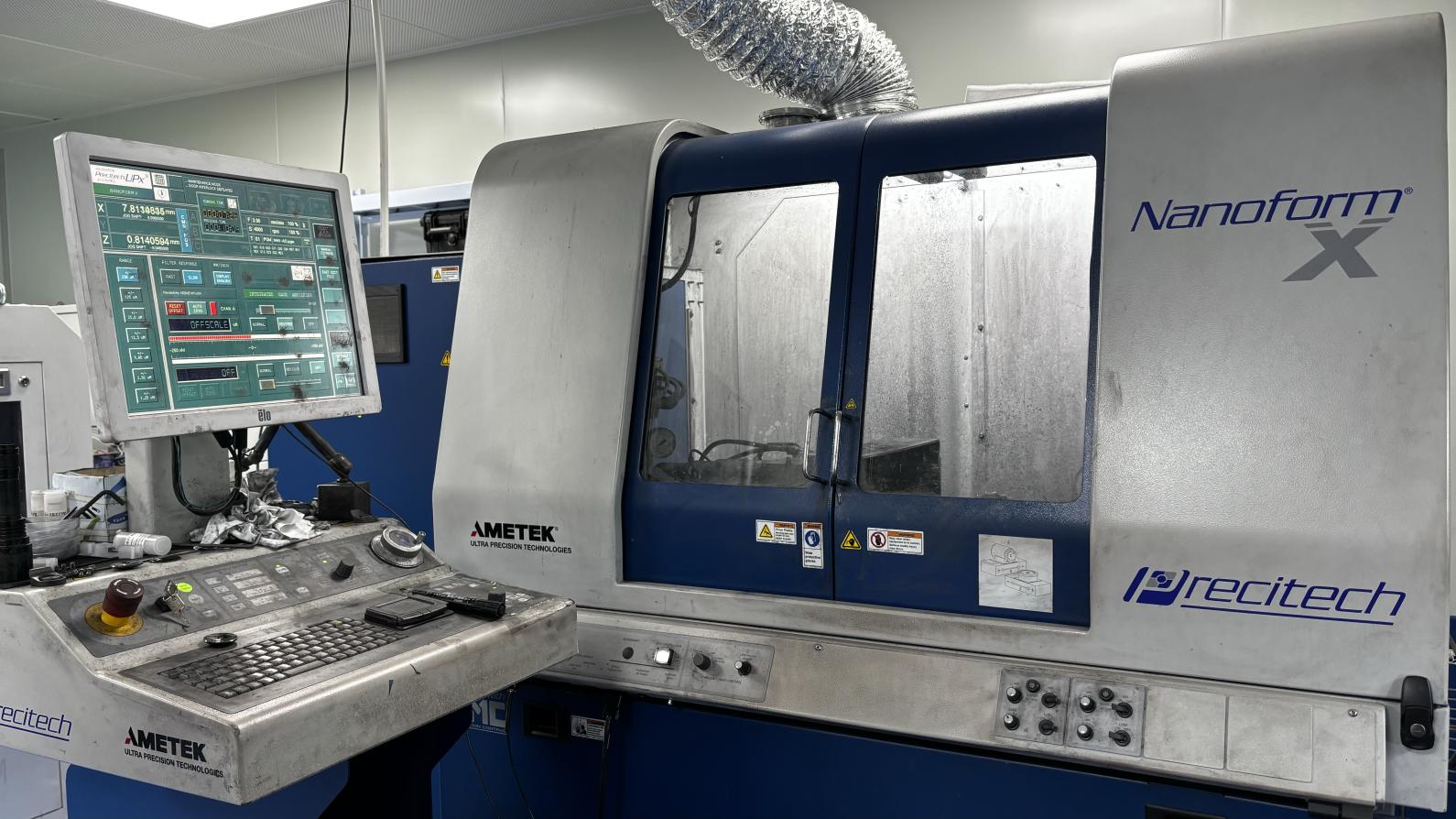
Transolix is a leading, professional optical transceiver and Ethernet interconnect manufacturer specializing in high-performance networking solutions for global data centers, telecom operators, and enterprise system integrators. By implementing rigorous ISO 9001 quality guidelines and advanced automated verification benches, Transolix bridges the gap between state-of-the-art engineering and high-volume, cost-effective manufacturing.
The physical layer (PHY) of any network system requires a seamless interface with the transmission medium, whether copper (RJ45 Cat5e/Cat6/Cat8) or fiber (single-mode/multi-mode SFP/QSFP structures). When evaluating componentry, electrical isolation and noise attenuation are of paramount concern:
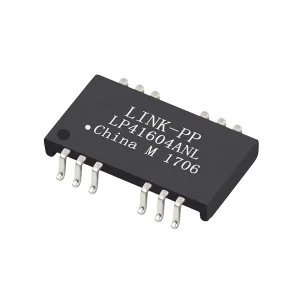
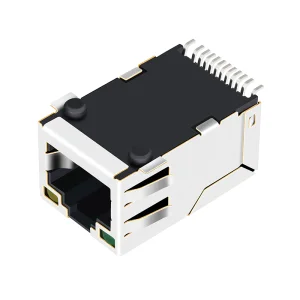
Instead of routing discrete transformers on the motherboard, modern systems leverage integrated RJ45 modular jacks containing 10/100/1000 Base-T transformers (like the RUC-161A9RJF and JB0-1002NL). This integration saves precious PCB space and minimizes electromagnetic emission loops. The magnetics provide three main operations:
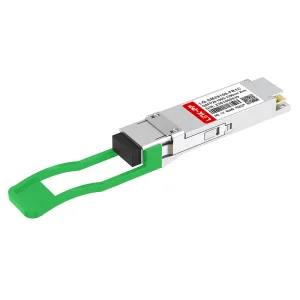
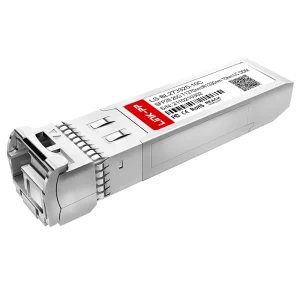
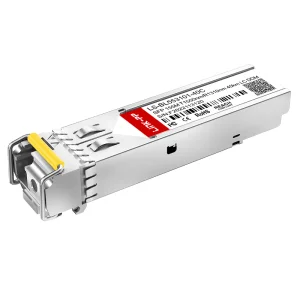
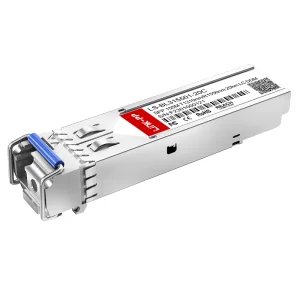
For long-distance trunk lines, optical transceivers (ranging from 1G SFP up to 100G QSFP28 modules) are standard. However, these optical networks must frequently interface with localized copper RJ45 environments. Media converters and SFP-to-RJ45 adapters utilize physical layer chips to translate light pulses into high-speed electrical signals, demonstrating the critical interplay between fiber architectures and physical copper ports.
To ensure flawless network reliability, manufacturers like Transolix employ strict testing procedures. For high-speed SFP modules and RJ45 assemblies, performance parameters are validated through:
Network connectors and RJ45 adapters are used in an array of high-stakes industrial environments:
In automated production lines using EtherCAT, PROFINET, or Modbus TCP protocols, specialized SMD filters and EMI-shielded connectors ensure real-time command routing without interruption from factory motor noises.
Telecom operators rely on hybrid copper-to-fiber infrastructures. High-performance SFP transceivers, paired with bidirectional optical modules, extend data transmission over 10km to 100km spans before transitioning to local copper.
High-density server racks utilize stacked modular jacks, multi-port SFP cages, and QSFP28 optical modules to maximize bandwidth, maintain signal integrity, and minimize power usage.



When vetting potential suppliers among the Top 10 RJ45 to Ethernet Adapter Suppliers & Exporters, procurement officers and engineering directors should utilize a standardized matrix to verify technical alignment:
| Selection Vector | Critical Requirements | Transolix Capability Compliance |
|---|---|---|
| Customization Depth | Wavelength adjustments, protocol compatibility, customized firmware, specific pin-outs. | Fully Supported (86 new designs released annually) |
| Material Reliability | High-spec gold-plating thickness (up to 50u"), UL94V-0 compliant plastics, high isolation materials. | 100% RoHS & Industry Standard Materials used |
| Supply Chain Scale | Secure component sourcing (ICs, lasers, packaging) to mitigate delivery bottlenecks. | 860 certified upstream vendors under strategic management |
| Quality Verification | Automated optical testing, network analyzer runs, thermal shock, and stress verification. | ISO 9001 compliance managed by 42 specialized QC staff |
 Transolix