Direct from Certified Production Lines - Seamless High-Speed Connectivity Assemblies
Enterprise Profile, Capabilities, and Global Supply Chain Penetration
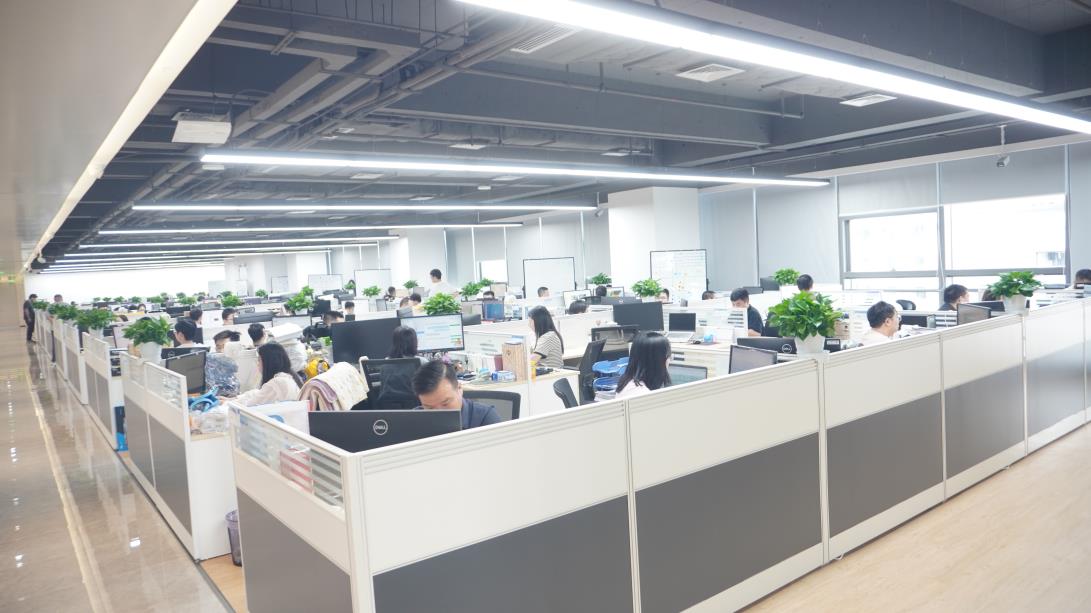
Established as a pioneering force in the hyper-scale connectivity sector, Transolix is a professional optical transceiver and advanced structured cabling component manufacturer. We specialize in high-performance copper and fiber optic communication solutions engineered for global data centers, telecom operators, and enterprise network architectures.
By combining robust engineering capabilities, state-of-the-art testing equipment, and highly scalable production infrastructure, Transolix delivers reliable, high-speed, and cost-effective optical and copper transmission channels worldwide. From bulk Cat6 and Cat6A spooling to micro-electronic transceivers, our manufacturing methodologies are optimized for maximum signal integrity and zero-defect yields.
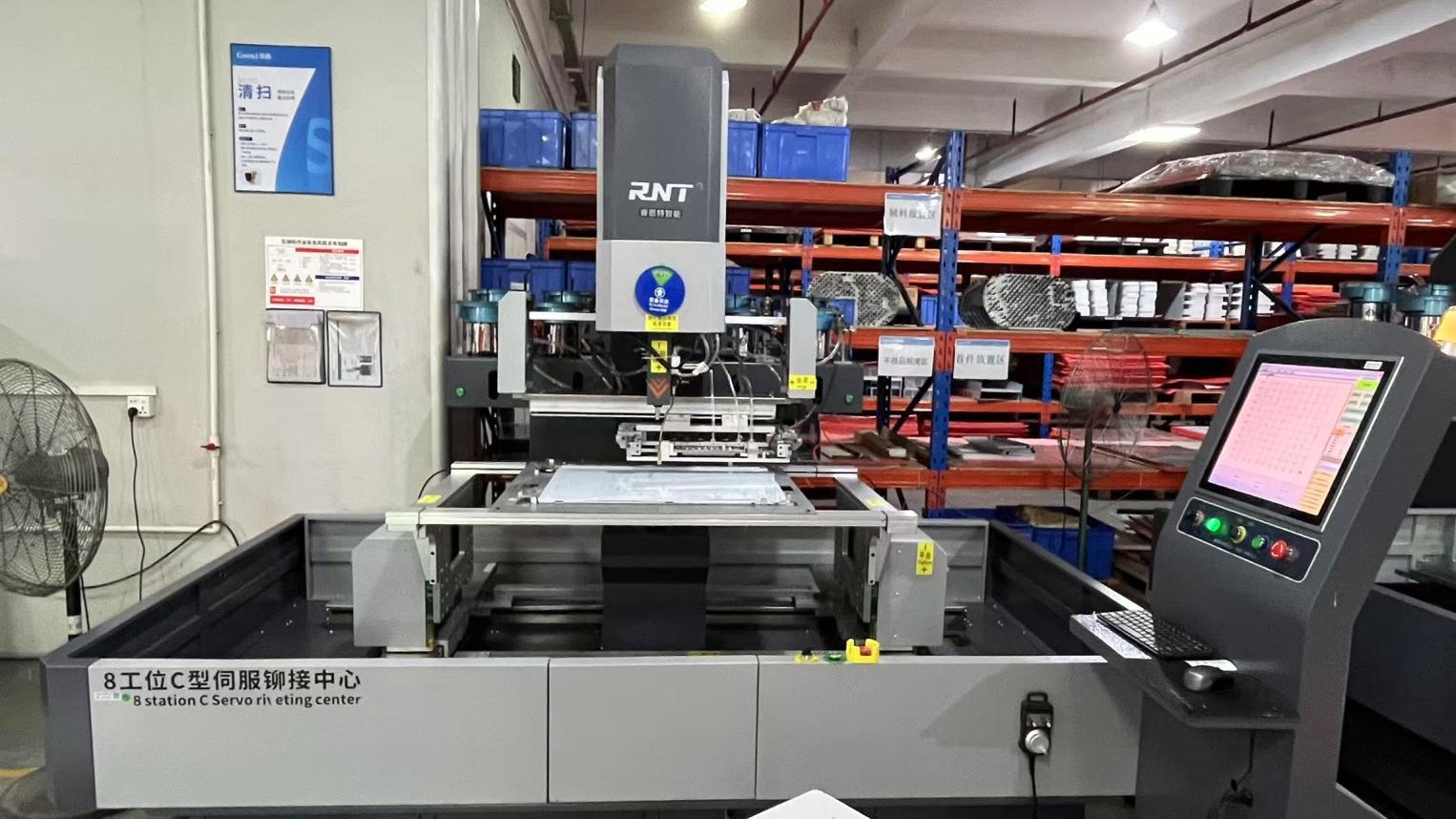
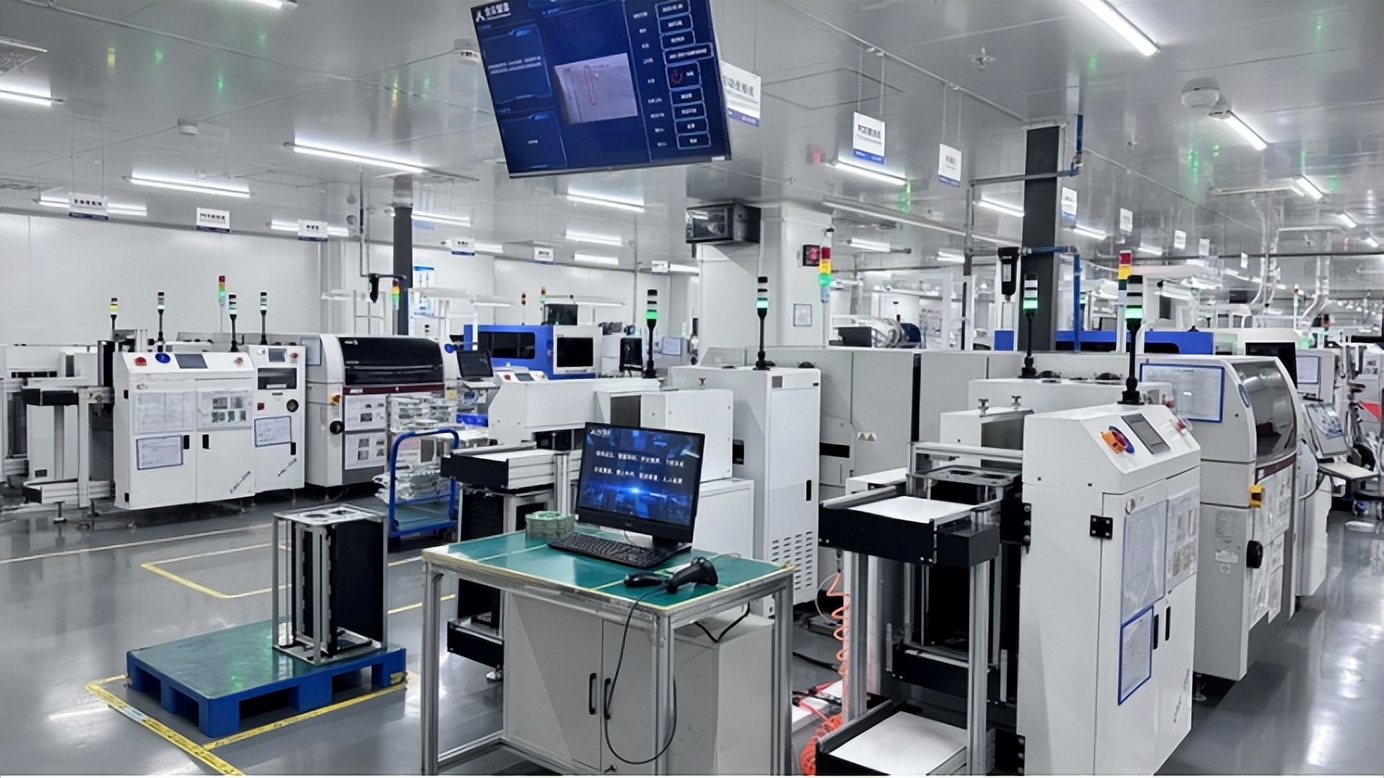
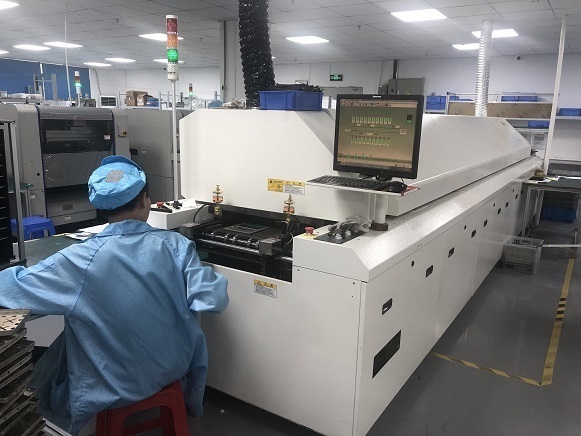
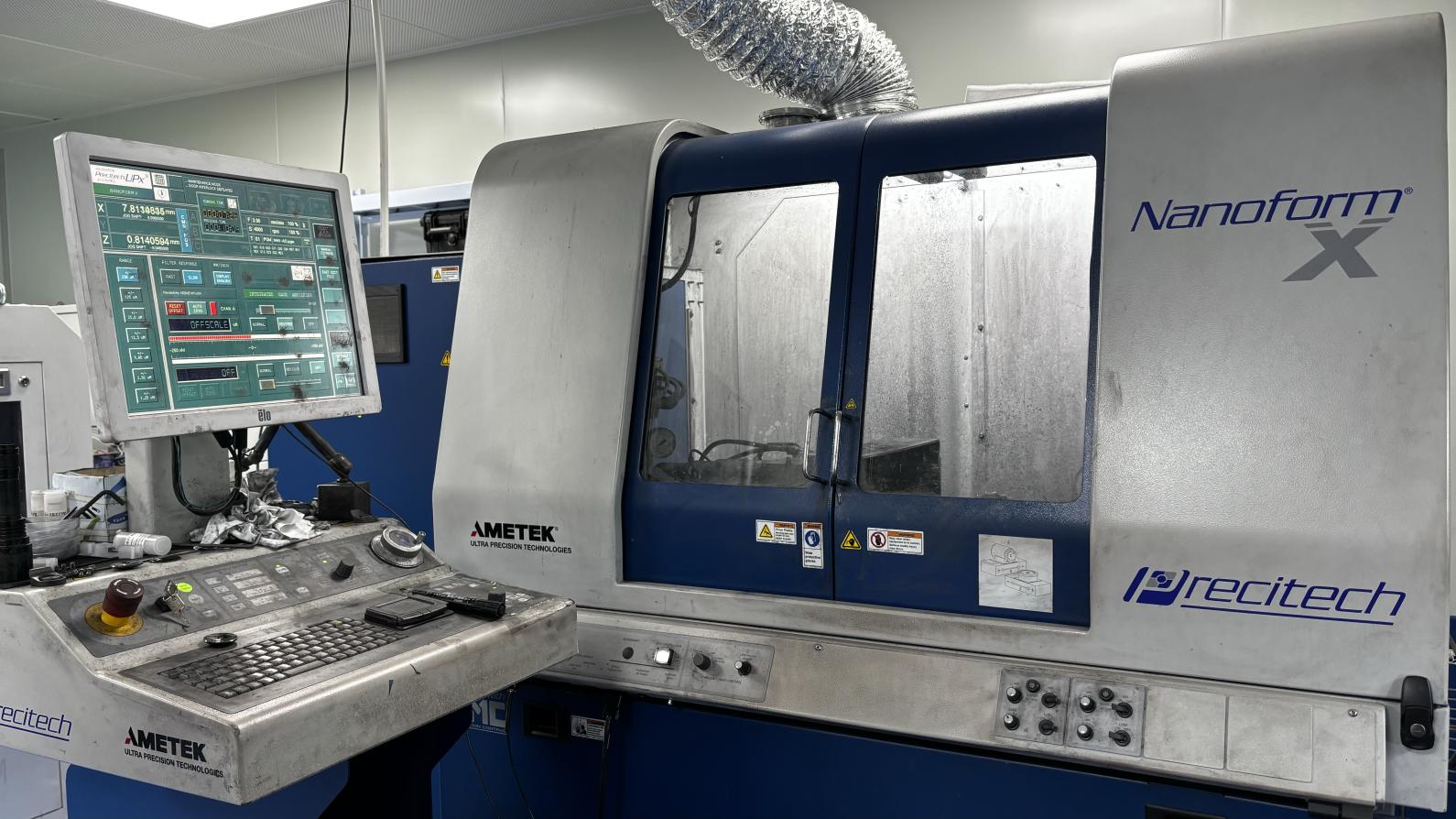
Operates custom-designed testing and integration suites. Optimized flow configuration ensures rapid component assembly and intensive multi-stage verification.
Utilizes automated optical testing, eye diagram analysis, thermal aging chambers, and 100% final compliance checking before packaging.
Comprehensive customization protocols support variations in wavelength, form factors, distance limits, chipsets, and custom firmwares.
Understanding the Structural Anatomy and Performance Metrics of Category 6 Channels
Category 6 (Cat6) cabling is standard copper infrastructure designed to support Gigabit Ethernet (1000BASE-T) and 10-Gigabit Ethernet (10GBASE-T) over limited distances. The physics of Cat6 rely on tighter twist ratios, integrated crosstalk dividers (splines), and high-conductivity pure copper conductors. In comparison to older Cat5e standards, Category 6 increases the operating frequency threshold from 100 MHz to 250 MHz, significantly dropping packet loss rates while elevating noise immunity.
When procuring Cat6 installations, network architects face critical decisions regarding shielding, wire gauge, and jacket composition. Below is an engineering matrix detailing the primary parameters of high-grade copper cables produced by leading Chinese facilities.
| Specification Parameter | Cat6 Standard (UTP/FTP) | Cat6A (Augmented) Target | Impact on Transmission Quality |
|---|---|---|---|
| Conductor Gauge | 23 AWG (0.57 mm typical) | 23 AWG (Solid Bare Copper) | Thicker conductors reduce DC resistance, vital for Power over Ethernet (PoE). |
| Maximum Bandwidth | 250 MHz | 500 MHz | Higher frequencies accommodate greater digital data throughput over longer runs. |
| Internal Cross Spline | Required (PE Spline) | Required (Optimized Pitch) | Isolates pair-to-pair distance, minimizing Near-End Crosstalk (NEXT). |
| Max Distance (1 Gbps) | 100 Meters | 100 Meters | Full standard length for local area distribution networks. |
| Max Distance (10 Gbps) | 37 to 55 Meters | 100 Meters | Cat6 exhibits attenuation limitations at high frequencies over extended ranges. |
| PoE Support | PoE / PoE+ (IEEE 802.3at) | PoE++ (Type 3 & 4 - 90W) | Jacket heat dissipation dictates safe limits for high-wattage power delivery. |
How Modern Infrastructure Dynamics Create Unparalleled Global Value
China remains the epicenter of telecommunication hardware production due to deep vertical integration. Top-tier factories like Transolix maintain direct relationships with downstream raw material suppliers, covering high-purity electrolytic copper cathodes, specialized PVC and Low Smoke Zero Halogen (LSZH) plastic compounds, and precision RJ45 connectors.
This vertical integration reduces lead times dramatically. While Western suppliers often experience bottlenecks waiting for components, Chinese factories operate in clusters where drawing dies, twisting machinery, spooling stations, and testing labs sit within a 50-mile radius.
State-of-the-art dual-extrusion systems apply uniform insulation thickness down to the micrometer, ensuring consistent impedance and return loss levels across the entire length of the cable spool.
Proprietary double-twist machines dynamically adjust tension and pitch matching for each of the four copper pairs. This prevents mechanical stretching and eliminates internal structural imbalances.
With an extensive R&D force (over 128 engineers), factories quickly modify jacket colors, branding, inner conductor compositions, shielding types, and shielding braids to match individual country safety standards.
How High-Performance Cat6 Structured Cabling Adapts to Modern Workspaces
No single network standard fits all environments. Top China Cat6 factories design specific solutions for distinct environmental demands, optimizing thermal performance, pull strength, and resistance to electromagnetic interference:
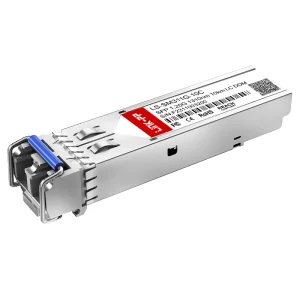
Using ultra-slim Cat6 patch cables allows for optimal airflow and high rack density, which are critical for servers, SFP transceivers, and switch panels. Reduced outer diameters (OD) ease cable tray load capacities.
Cat6 is perfect for PoE devices like IP phones, surveillance cameras, and smart lighting. Thicker copper conductors reduce power loss and thermal buildup within wall conduits.
For factories subject to vibration and electrical noise, double-shielded (SFTP) Cat6 with polyurethane (PUR) jackets resists mechanical wear, chemical exposure, and electromagnetic interference.
A Look Inside the Testing Standards Required for Mission-Critical Infrastructure
A high-quality Cat6 cable is defined by its ability to pass standardized, repeatable tests. Reliable manufacturers adhere to strict ISO 9001 quality controls. Every production batch is tested with industry-standard diagnostic tools like the Fluke DSX-8000 CableAnalyzer. This testing checks for:
1. Wiremap: Verifies that all 8 conductors are terminated correctly and there are no open, shorted, or reversed pairs.
2. Insertion Loss (Attenuation): Measures the signal strength reduction along the link's length. Lower values mean better signal retention at the receiving end.
3. NEXT & PS-NEXT: Near-End Crosstalk and Power Sum NEXT measure how well adjacent copper pairs are isolated from one another.
4. Return Loss: Confirms the cable has a consistent 100-ohm impedance. Variations in impedance can cause signal reflections, which lead to packet errors.
Adapting Copper Networks for 10G, 25G, and 40G Standards
Although Cat6 remains the standard choice for general workstations, next-generation network architectures are shifting toward higher speeds. Modern factory lines are transitioning to support Augmented Category 6 (Cat6A), which operates at 500 MHz and supports full 10-Gbps speeds up to 100 meters.
Further up the chain, Category 8 (Cat8) cabling is designed for data center switch-to-server links, supporting 25 Gbps (25GBASE-T) and 40 Gbps (40GBASE-T) speeds at frequencies up to 2000 MHz. By choosing a manufacturer with active Cat6A and Cat8 production lines, buyers can ensure their vendor has the technical expertise needed to support complex future upgrades.
Crucial Insights for Procurement Managers and Enterprise Network Engineers
High-reliability Sockets, Magnetics, and Transceiver Solutions
 Transolix