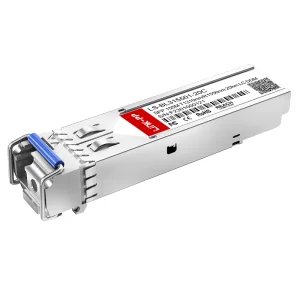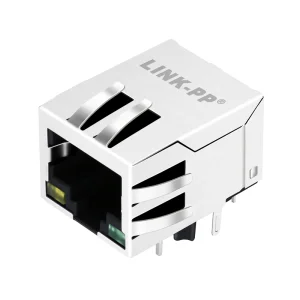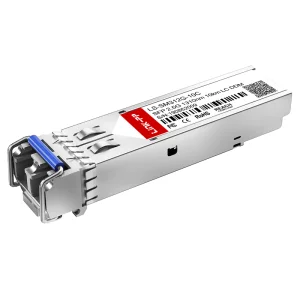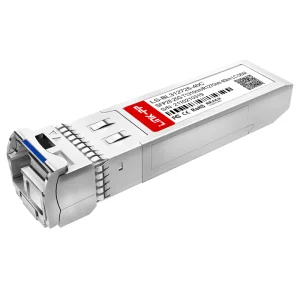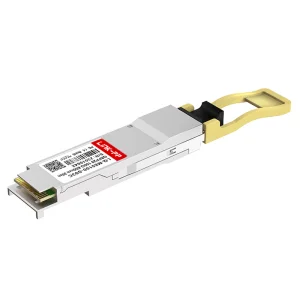
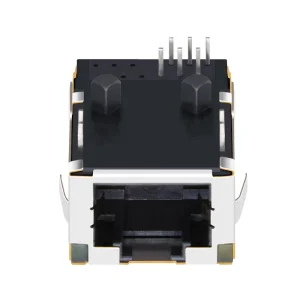
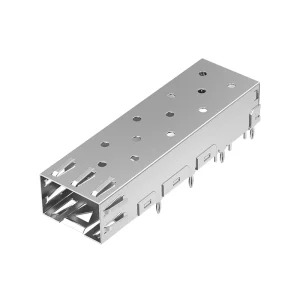
The global optical communication ecosystem is undergoing a generational shift. As hyperscale cloud infrastructure, decentralized edge computing, and 5G network architectures continue to expand, demand for Small Form-Factor Pluggable (SFP) modules is growing. According to recent industrial data, the market is shifting from legacy gigabit speeds to ultra-high-rate systems like 25G, 100G, 400G, and emerging 800G/1.6T protocols. In this environment, optical transceivers are critical interfaces that convert electrical signals to optical pulses, directly affecting latency, bandwidth density, and power consumption across global networks.
China-based SFP transceiver module factories have evolved from high-volume assemblers into leading R&D hubs. By leveraging proximity to chip packaging foundries, optoelectronic sub-assembly suppliers (TOSA/ROSA), and optical fiber component manufacturers, Chinese manufacturers offer a strong balance of performance, supply chain resilience, and cost efficiency. For procurement officers, system integrators, and telecom operators, selecting the right partner involves assessing Multi-Source Agreement (MSA) compatibility, environmental reliability, and advanced manufacturing practices.
Information Gain Insight: Modern optical transceivers must manage both physical space limitations and thermal performance. Transolix modules address these challenges by using proprietary low-power Digital Signal Processor (DSP) chipsets and high-efficiency thermal pads, reducing power consumption by up to 15% compared to generic alternatives. This helps extend the operating life of host switch ports.
The roadmap for pluggable transceivers is evolving to meet the demands of modern artificial intelligence and machine learning training clusters. Key trends include:
Transolix is a manufacturer of optical transceivers, specializing in fiber optic communication solutions for global data centers, telecom operators, and enterprise networks. With experienced engineering teams and scalable production capacity, Transolix provides reliable, high-speed, and cost-effective optical connectivity products worldwide.
Reliability is critical for high-speed network connections, where downtime can be costly. Transolix maintains a strict quality control workflow staffed by 42 QC professionals. The facility follows ISO 9001 and internal reliability standards. Every module undergoes a multi-stage testing process before shipment:
| Testing Stage | Methodologies & Key Parameters Evaluated | Purpose |
|---|---|---|
| Automated Optical Testing | TX Power, Optical Modulation Amplitude (OMA), Center Wavelength validation. | Ensures compliance with IEEE optical output specifications. |
| Eye Diagram Analysis | Jitter, Rise/Fall Time, Extinction Ratio (ER), and Optical Mask margin tests. | Verifies optical signal clarity and low bit-error-rate (BER). |
| Environmental Aging Chamber | High/low temperature cycles (-40°C to +85°C for industrial grade) and humidity tests. | Ensures stable performance under harsh conditions over the module's life. |
| Multi-Platform Compatibility | EEPROM coding verification and real-switch traffic testing (Cisco, Arista, Juniper, etc.). | Guarantees plug-and-play operation and prevents host warning alerts. |
By using automated testing stations, Transolix minimizes human error in testing parameters, ensuring that production batches consistently meet specified performance standards.
Transolix products are designed to meet standard SFP/SFP+ Multi-Source Agreement (SFF-8431 / SFF-8472) specifications, ensuring mechanical and electrical compatibility across network switches, routers, and firewalls.
Digital Diagnostics Monitoring (DDM) allows real-time tracking of critical operational parameters, including temperature, supply voltage, laser bias current, transmit optical power, and receive optical power.
Every network brand implements unique vendor identification checks. Our engineering team modifies EEPROM configurations to enable seamless compatibility with OEM hardware lines.
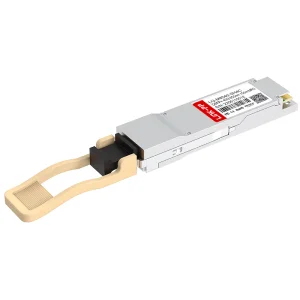
In modern high-density data centers, Leaf-Spine layouts are used to minimize latency. Transolix provides 100G QSFP28 (such as the 100GBASE-SL4) and 40G QSFP+ modules to handle high-volume east-west traffic. For short-reach connections between top-of-rack switches and servers, we offer Active Optical Cables (AOCs) and Direct Attach Copper (DAC) cables, helping operators manage both cost and thermal density.
5G networks demand high bandwidth and wide operating temperature ranges. Our 25G SFP28 BiDi transceivers are engineered for optical distribution networks (ODN), supporting simplex single-mode optical fibers to maximize fiber utilization. These modules are built to meet industrial operating conditions, maintaining stability from -40°C to +85°C to withstand outdoor deployments in remote radio heads (RRH).
For metropolitan and regional networks, Transolix offers Dense Wavelength Division Multiplexing (DWDM) transceivers. These modules allow multiple wavelengths to share a single fiber, enabling operators to scale bandwidth up to 10G or 25G per channel without deploying new physical fiber lines.
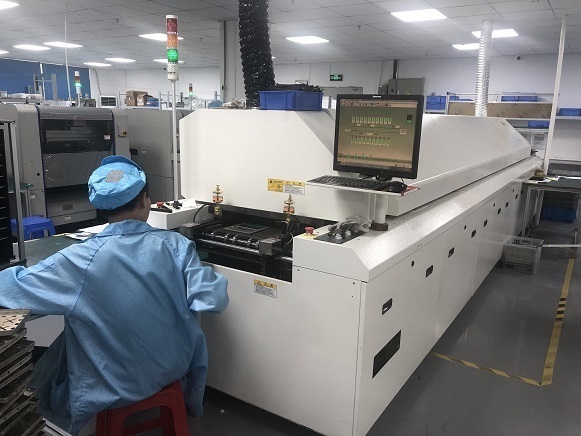
Operating a dedicated 320㎡ cleanroom facility, Transolix focuses on precision assembly and testing. Our facility utilizes automated surface mount technology (SMT), high-precision die-bonding, and automated optical alignment systems. By maintaining strict control over environmental dust, temperature, and static electricity (ESD), we ensure the physical reliability of our optical sub-assemblies (TOSA/ROSA) and connectors.




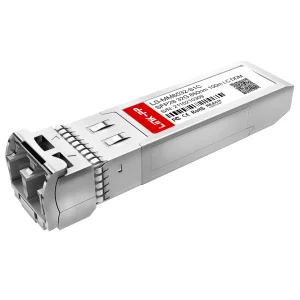
To ensure compatibility with brands like Cisco, Arista, Juniper, and HP, we code and test the EEPROM of each module individually. Using our compatibility lab equipped with active switch engines, we program the correct vendor codes, checksums, and hardware configurations. This ensures the modules are recognized by the host devices without throwing ports into "err-disable" state or triggering unsupported transceiver warnings.
Digital Diagnostics Monitoring (DDM) and Digital Optical Monitoring (DOM) are terms that describe the same technology. Under the SFF-8472 standard, this interface allows network administrators to monitor real-time metrics of the module, such as internal temperature, supply voltage, laser bias current, and transmit/receive optical power. This telemetry data helps detect potential fiber path degradation before link failure occurs.
Our quality control team uses environmental chambers to perform accelerated aging tests. The modules are subjected to temperature cycling between -40°C and +85°C at high relative humidity for extended periods. This helps verify that electrical trace connections, packaging seals, and optoelectronic alignment remain stable over the long term, supporting consistent MTBF (Mean Time Between Failures) ratings.
Transolix offers a variety of customization options to meet specific project needs. This includes customizing the center wavelength (such as specific CWDM or DWDM channel grids), adjusting target distance capabilities (from short-reach to 80km+ long-reach solutions), modifying the mechanical pull-tab color scheme for channel grouping, and configuring compatibility firmware to support legacy host equipment.
 Transolix