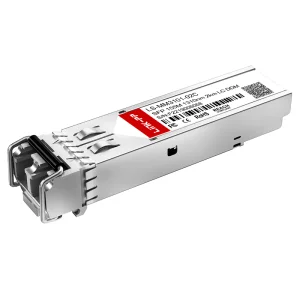
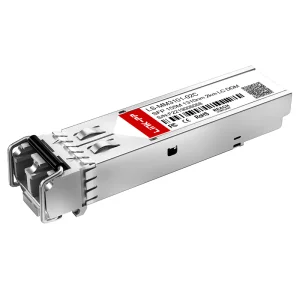
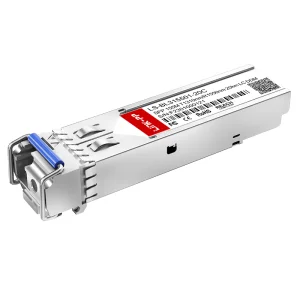
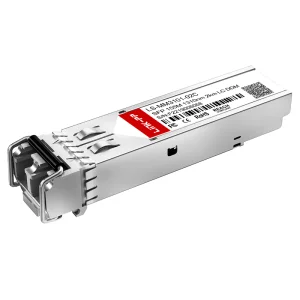
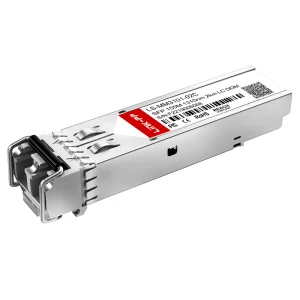
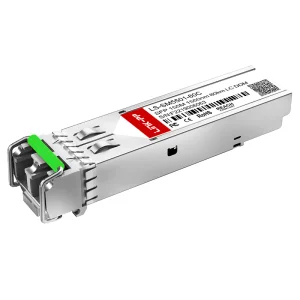
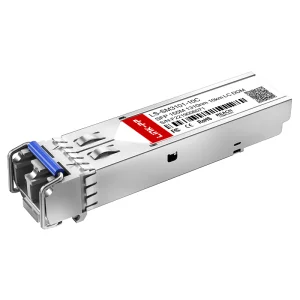
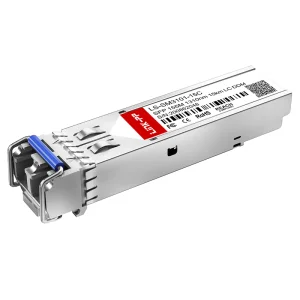
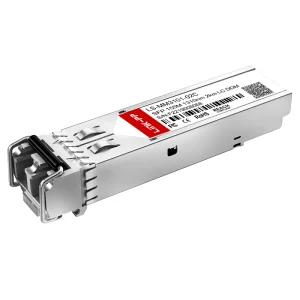
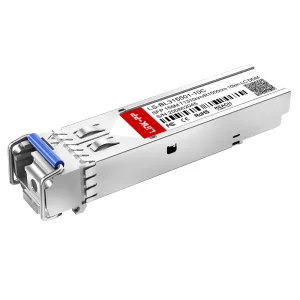
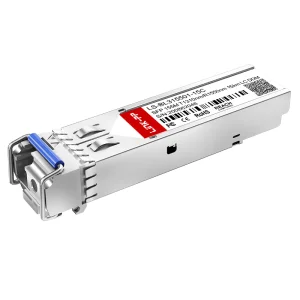
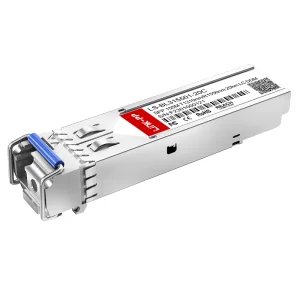
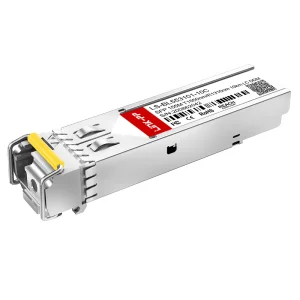
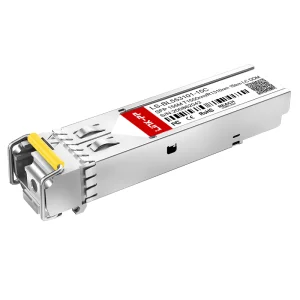
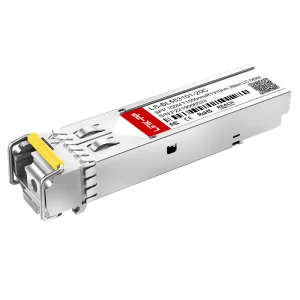
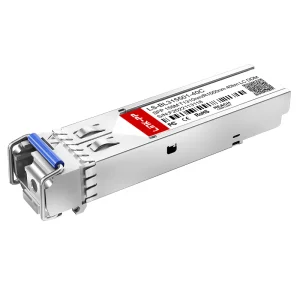
Engineered to match legacy and modern infrastructure environments across Copenhagen, Aarhus, Odense, and industrial offshore hubs.
Denmark is widely recognized as a global leader in green transition and smart digitalization. From the integration of massive Baltic offshore wind farms to the high-density fiber-to-the-home (FTTH) networks monitored by companies like TDC and utility networks operated by Energinet, optical communication serves as the nervous system of Denmark's infrastructure.
While next-generation data centers demand 400G and 800G solutions, the backbone of legacy industrial automation, maritime telemetry in Esbjerg, rail signaling networks overseen by Banedanmark, and utility substations rely heavily on legacy speeds like 155M (Fast Ethernet/STM-1) and 622M (STM-4). These legacy form factors, standard in SFP modules, continue to be irreplaceable due to their proven longevity, structural stability, low latency overhead, and outstanding noise immunity in high-voltage and electromagnetic interference (EMI) environments.
Understanding the precise technical parameters of 155M and 622M SFP transceivers is key to preventing link degradation and diagnostic system failures. Whether deploying Multi-Source Agreement (MSA) compliant modules in Moxa, Hirschmann, or Cisco switches, Danish network operators demand detailed compliance with transmission standards.
Utilizing DFB (Distributed Feedback) and FP (Fabry-Perot) laser configurations, our SFPs control chromatic dispersion. For bi-directional single-fiber setups (BiDi), our optimized 1310nm/1550nm matching delivers precise cross-talk separation over 10km to 40km distances.
Fully compliant with SFF-8472, the DDM/DOM feature allows Danish operations teams in Copenhagen to remotely track real-time telemetry including laser temperature, optical input/output power, voltage, and bias current parameters.
With harsh Northern European winters and high-humidity coastal zones, our industrial-grade transceivers are rated for temperatures ranging from -40°C up to 85°C, ensuring stability in non-climate-controlled roadside cabinets and wind farm nacelles.
Transolix is a professional optical transceiver manufacturer specializing in high-performance fiber optic communication solutions for global data centers, telecom operators, and enterprise networks. With strong engineering capabilities and scalable production capacity, Transolix is committed to delivering reliable, high-speed, and cost-effective optical connectivity products worldwide.
Quality is the cornerstone of our global partnerships. Our QA facility utilizes automated optical testing, eye diagram analysis, aging tests, and 100% final performance verification. With 42 dedicated QC professionals, we ensure compliance with ISO 9001 and strict internal reliability standards, keeping failure rates far below industry averages.
With a robust roster of 860 certified upstream suppliers, Transolix maintains direct access to chipsets, optics, and packaging vendors. This guarantees Danish system integrators a stable supply chain, mitigating global chipset shortages and ensuring that standard 155M/622M SFP transceivers are delivered on schedule.
Take a closer look at our high-grade production processes, automated alignment labs, environmental testing chambers, and dispatch warehouses designed to deliver precision transceivers worldwide.
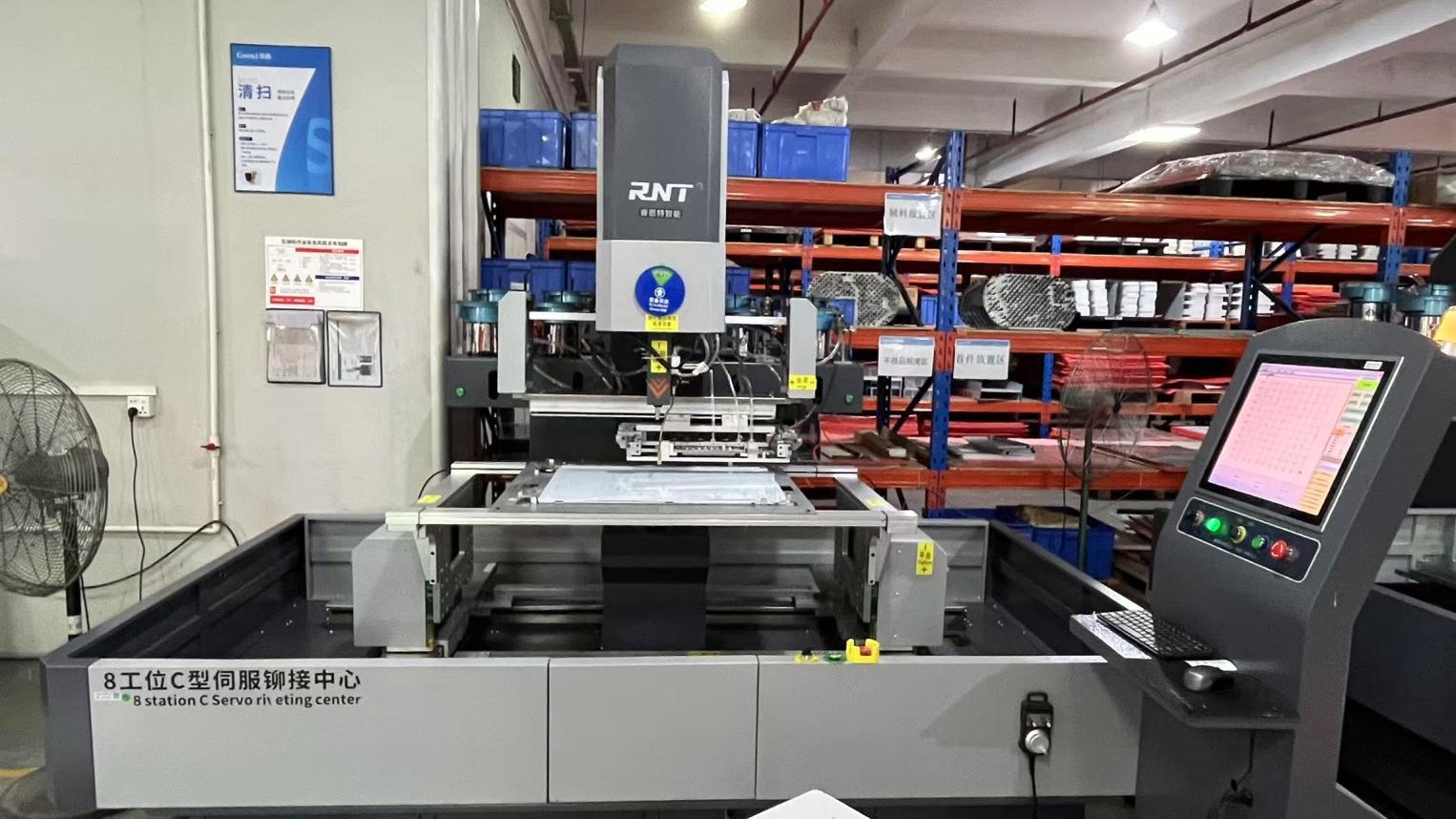

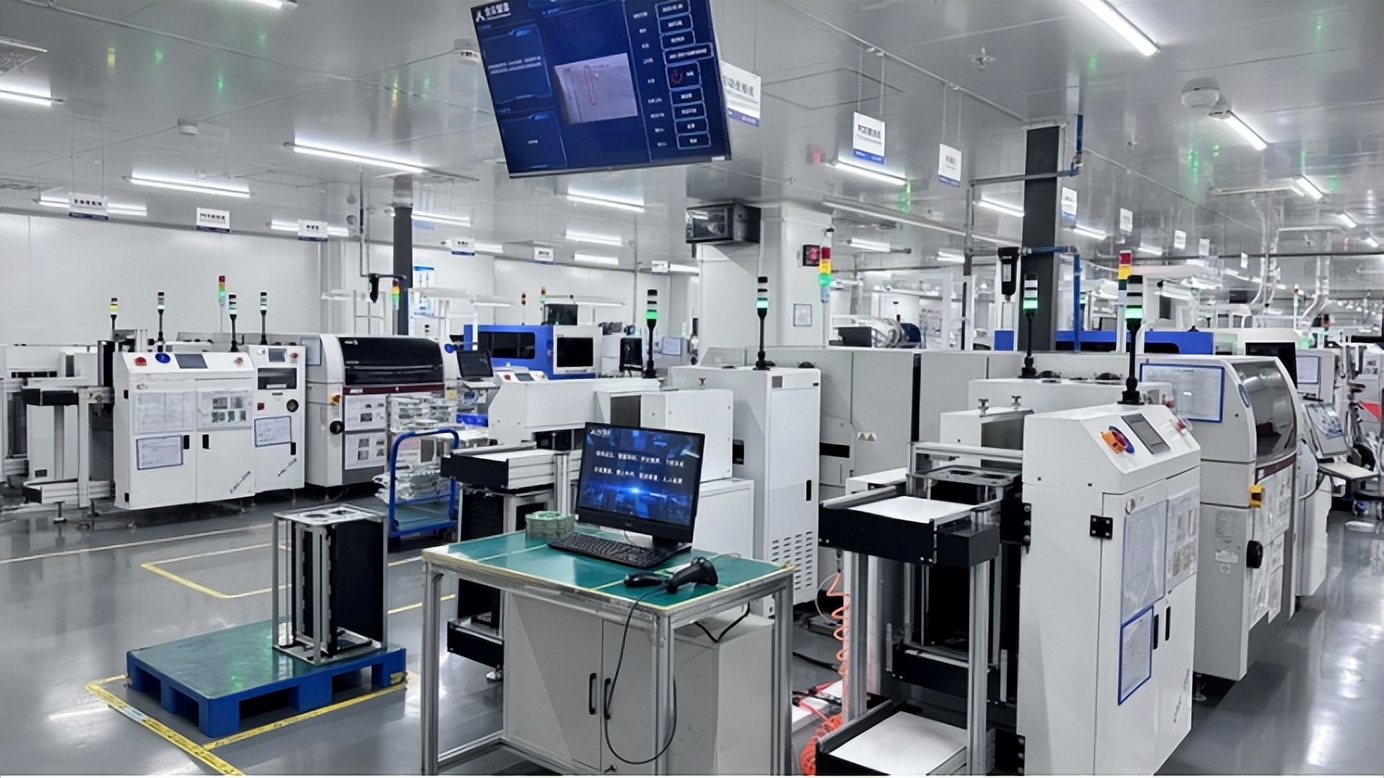
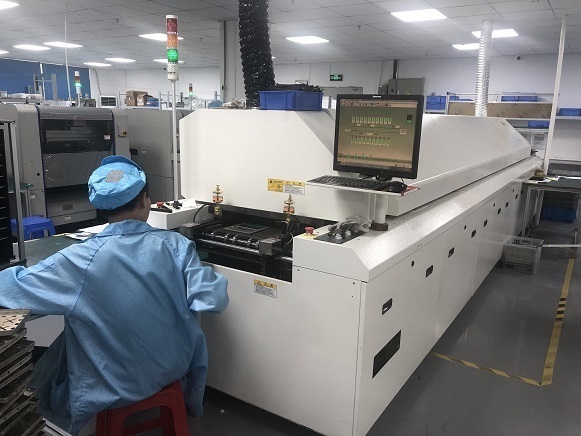

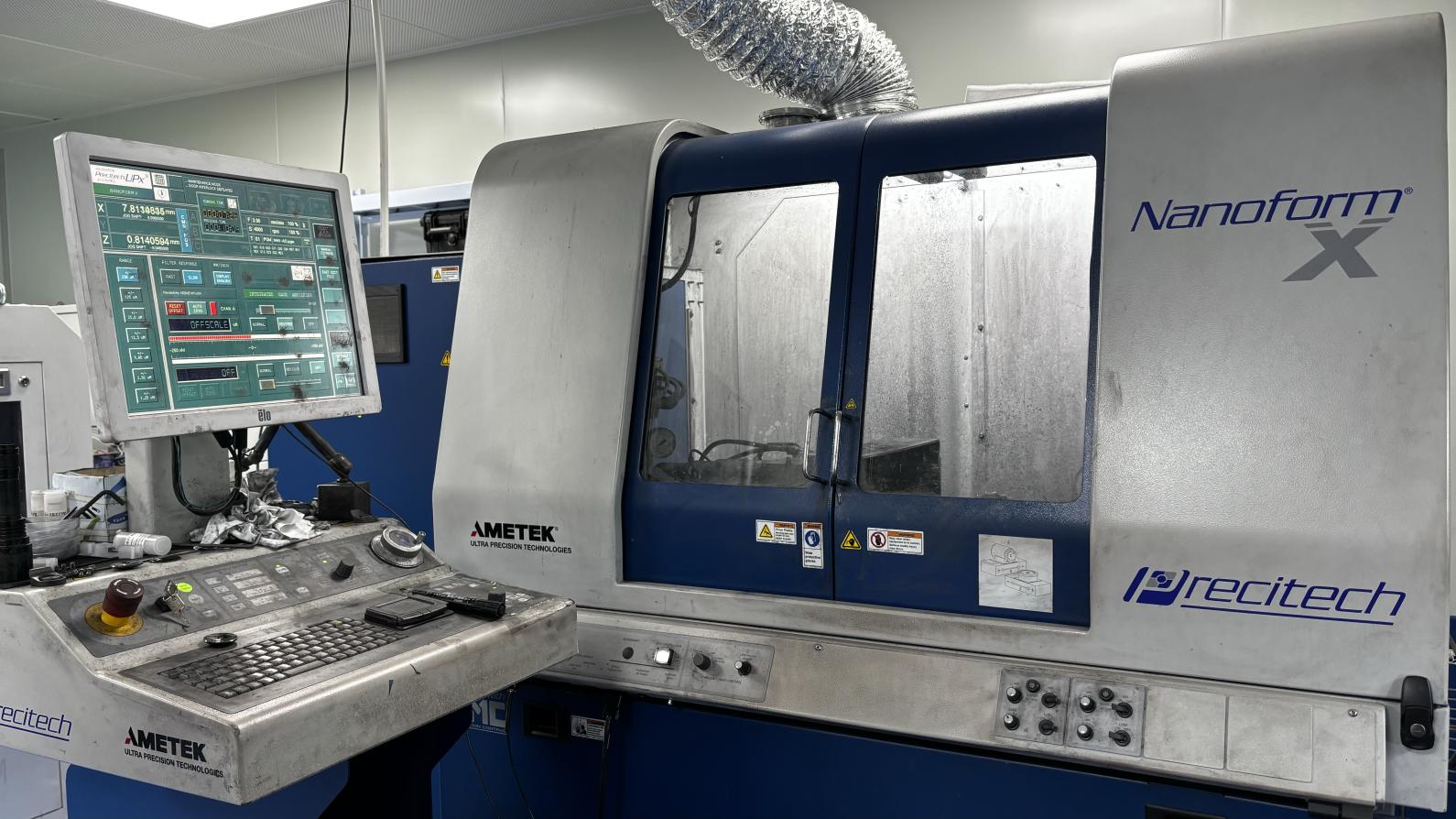
Procuring network gear in Denmark demands compliance with European directives such as RoHS, CE, and WEEE. Furthermore, standard off-the-shelf transceivers can fail to communicate with legacy, custom-programmed switches. Transolix bridges this gap with comprehensive optimization services:
We offer extensive personalization, including custom laser wavelengths, distance tuning up to 120km, custom form factors, and unique protocol compatibilities. Our engineers specialize in coding EEPROM configurations to enable seamless compatibility with switches from Moxa, Hirschmann, Cisco, Juniper, and other vendors.
Our products comply with RoHS and REACH standards, meeting Denmark's strict requirements for green corporate procurement. Transolix ensures that all shipments contain minimal, recyclable packaging, matching the environmental standards expected by Danish telecom enterprises.
High-reliability optical transceivers for long-haul metropolitan fiber loops and offshore monitoring stations.
Critical operational questions answered for Denmark's infrastructure teams and engineering specialists.
Partner with an established manufacturer. Get customized firmware coding, certified product reliability, and resilient logistics direct from our factories.
Send Inquiry Now Transolix