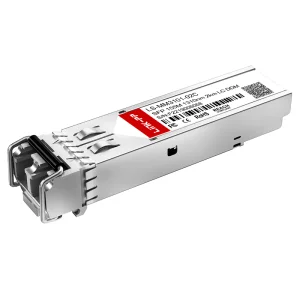
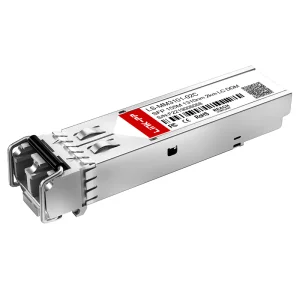
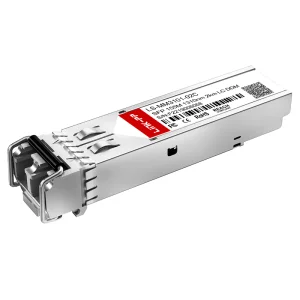
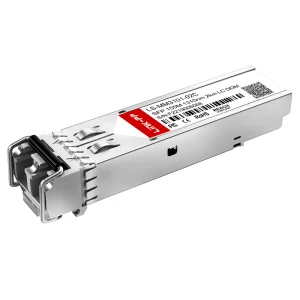
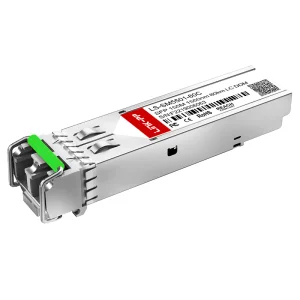
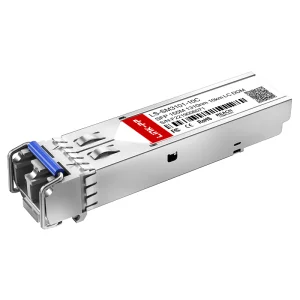
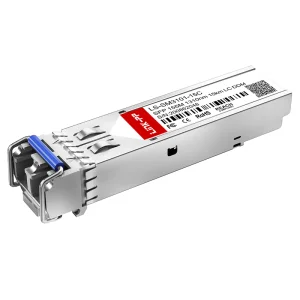
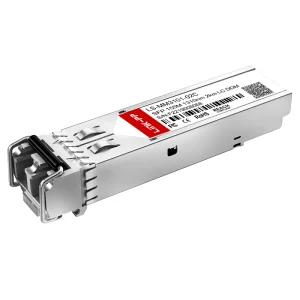
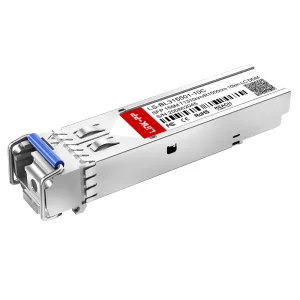
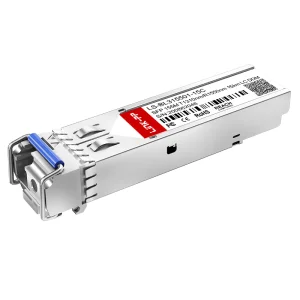
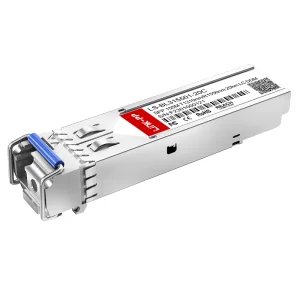
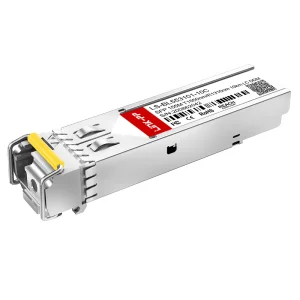
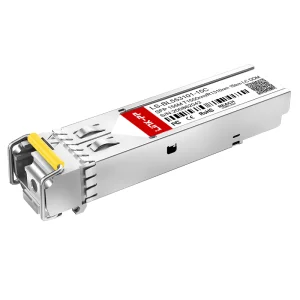
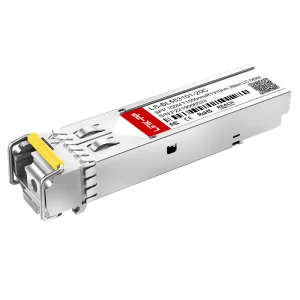
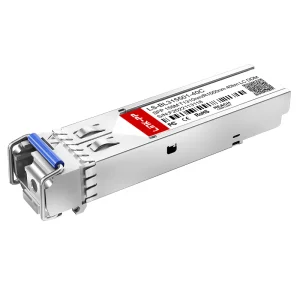
Designed for rugged deployments in regional Canadian networks, power plants, and industrial automation infrastructures.
Canada’s expansive geography presents unique challenges for telecommunications and utility infrastructure. Major utility operators (such as Hydro-Québec, BC Hydro, and Ontario Power Generation) and national rail providers rely on vast, distributed networks. Within these systems, legacy protocols like Fast Ethernet (100Base-FX), SDH/SONET (STM-1/OC-3), and traditional SCADA networks remain highly operational. Upgrading thousands of kilometers of remote fiber optic infrastructure to high-speed coherent optics is often financially and structurally prohibitive.
Consequently, the demand for high-reliability 155M/622M SFP modules remains exceptionally strong. These modules provide the crucial interface link for legacy switches, multiplexers, and remote terminal units (RTUs) operating in extreme sub-zero temperatures. From oil and gas pipeline monitoring in Alberta to municipal wind farm connections in rural Ontario, ensuring constant uptime requires transceivers engineered to survive extreme thermal fluctuations without signal degradation.
Optimized for long-distance regional loops and multi-vendor integrations inside critical Canadian communication arrays.
Meeting stringent Industry Canada (IC) guidelines and critical engineering frameworks.
Navigating the importing and installation regulations in Canada requires a partner with strong global compliance credentials. The Canadian Standards Association (CSA) and Innovation, Science and Economic Development Canada (ISED - formerly Industry Canada) set precise baselines for hardware operation, specifically concerning electromagnetic interference (EMI) and environmental safety.
Our range of 155M and 622M SFP transceivers is tested to meet ICES-003 Class B limits for digital apparatus, ensuring that our modules do not introduce noise or interfere with adjacent microwave backhauls, public safety radio bands, or sensitive industrial equipment. Furthermore, our optical modules strictly follow the RoHS directive, verifying lead-free assembly and eliminating hazardous substances, aligning with the environmental responsibilities mandated by municipal and federal infrastructure bodies across Canada.
| Compliance Specification | Standard Met | Relevance to Canada Network Operators |
|---|---|---|
| Electromagnetic Immunity | ICES-003 Class B / FCC Part 15 | Prevents critical communications interference in industrial hubs. |
| Laser Safety Standard | FDA 21 CFR / EN 60825-1 | Class 1 Laser safety rating for installation personnel safety. |
| Sub-Zero Hardening | Industrial Temp (-40°C ~ +85°C) | Tested under cycling chambers representing Canadian winters. |
| MSA Multi-Source Agreement | SFF-8472 / INF-8074i | Ensures cross-compatibility with Cisco, Hirschmann, Moxa, etc. |
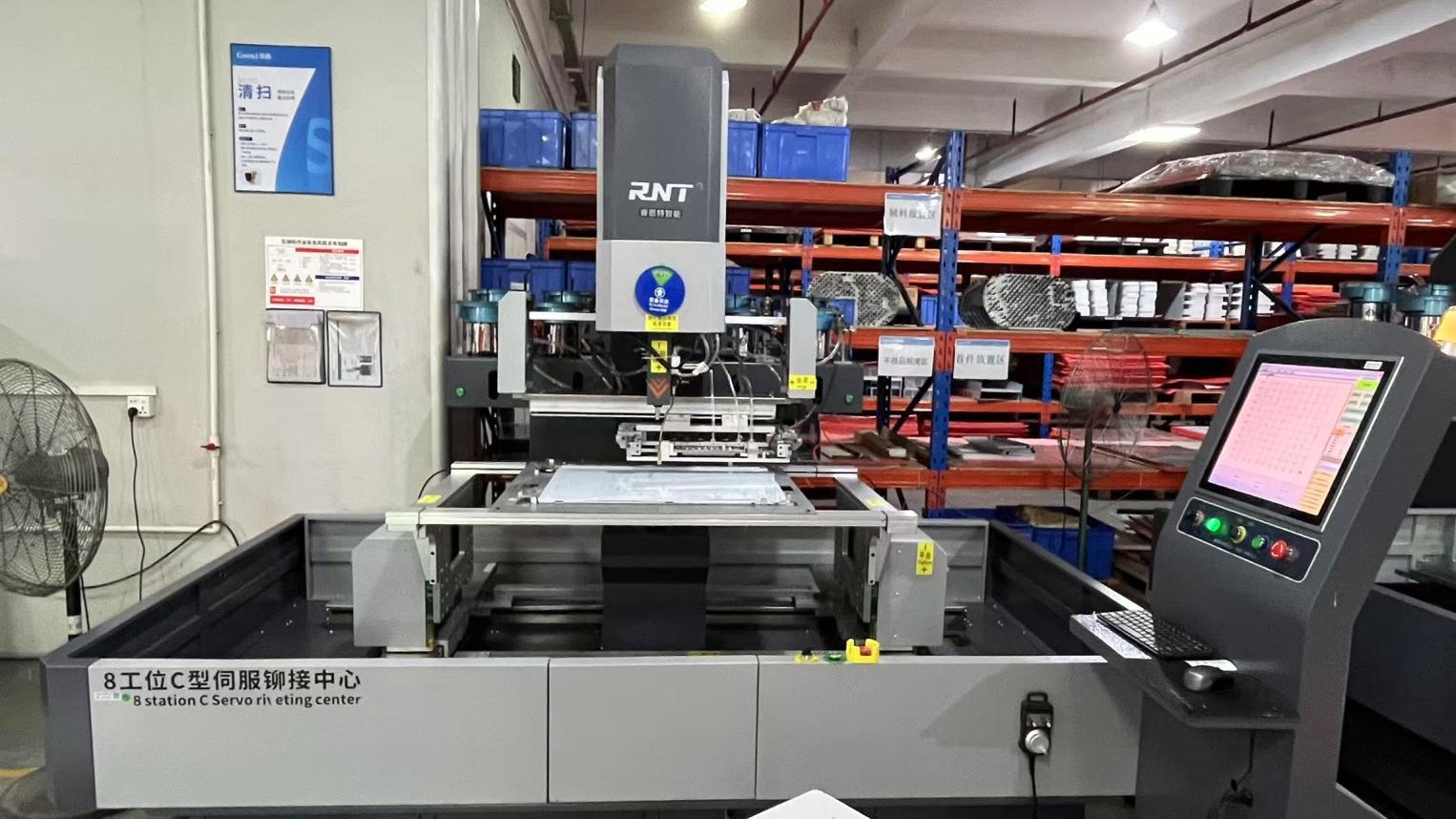
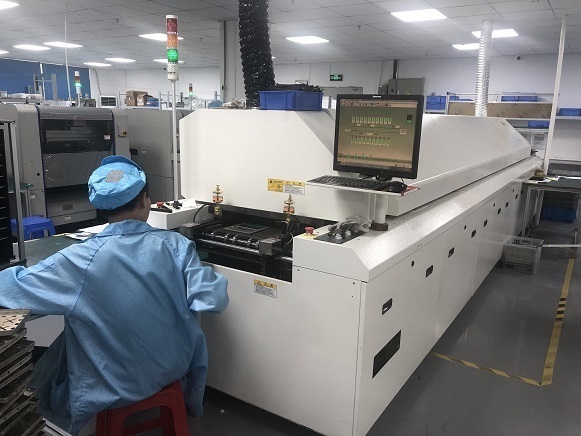
The global telecommunication sector operates on efficiency, speed, and absolute quality consistency. As a leading manufacturer based in China, Transolix combines regional industrial concentration, localized R&D depth, and robust cost-efficiencies. Our production and engineering operations bridge the gap between strict global reliability criteria and competitive cost structures.
Through close partnerships with 860 certified upstream suppliers, Transolix manages the entire lifecycle of transceiver construction—from laser diode sourcing (TOSA/ROSA) to automated sub-assembly packaging and advanced gold-wire bonding. This robust supply chain configuration buffers our production line from global semiconductor fluctuations, allowing us to maintain predictable, short lead times for our Canadian clients. This setup avoids project bottlenecks in municipal network expansions or regional transport system repairs.
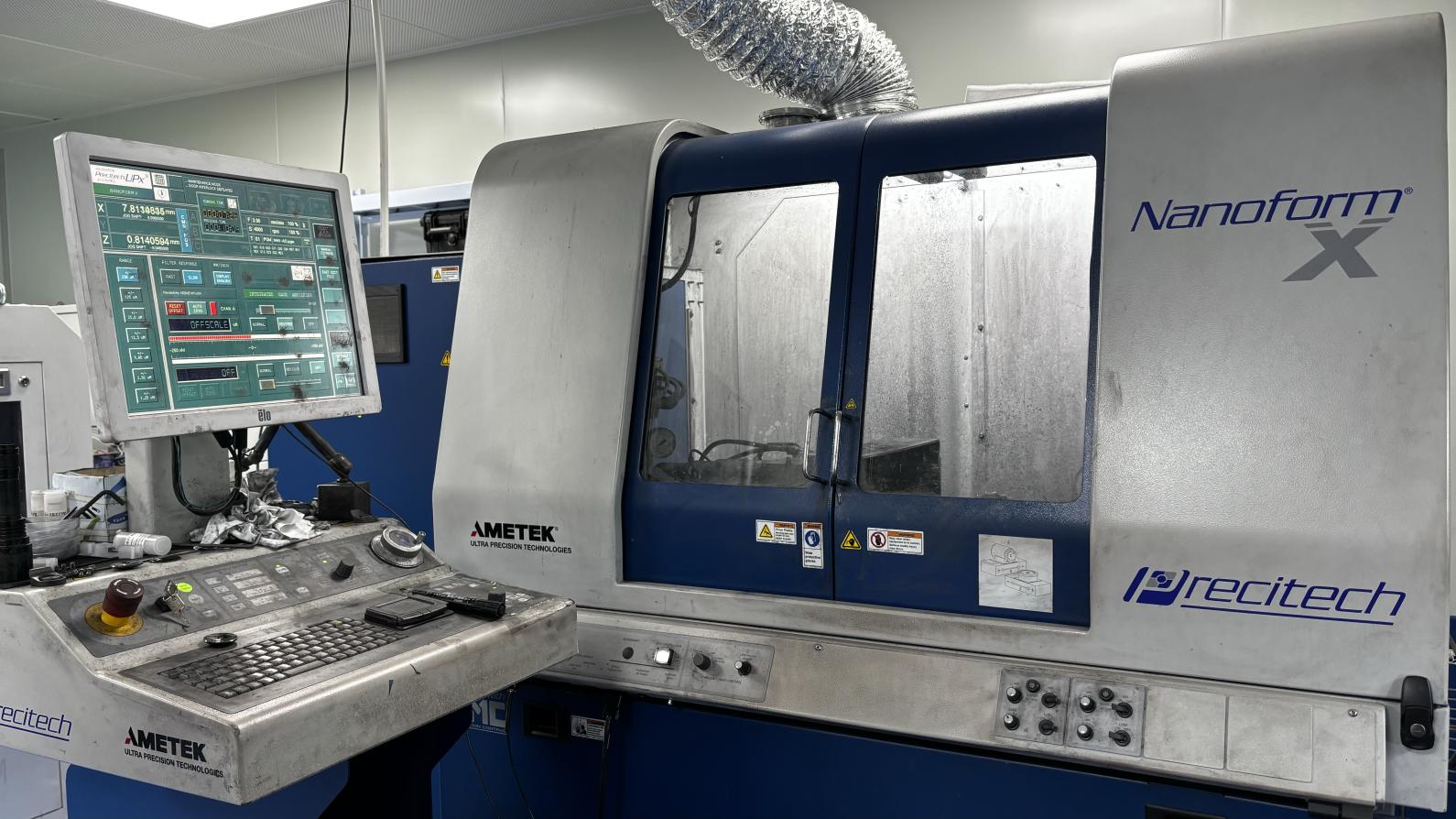
Established in 2016, Transolix has grown to become a crucial player in the specialized optical networking space. Operating a dedicated 320㎡ cleanroom laboratory and production center, we drive an annual export volume ranging from USD 8 million to USD 15 million. Backed by 11 years of deep optical industry experience and 6 years of pure B2B export expertise, we deliver high-reliability modules tailored specifically for global markets, especially North America.
Every single optical transceiver shipped from our facility undergoes automated optical testing, precise eye-diagram analysis, multi-temperature aging testing, and 100% final performance verification. We guarantee direct compatibility with your existing hardware configurations (e.g., Moxa, Hirschmann, Cisco, Juniper, and Ciena), ensuring seamless integration into legacy networks.



How our 155M/622M SFP transceivers support critical services and operational technologies across Canada.
Integrating our hardened Hirschmann-compatible 155M optical modules in utility switchyards across Quebec and Ontario. Supporting IEC 61850 protocol streams over multimode fiber loops, protecting the grid controls from electromagnetic noise.
Providing Moxa compatible Fast Ethernet transceivers for transit organizations in Montreal, Vancouver, and Toronto. These modules interface with trackside signal boxes, managing real-time data backhauls under challenging outdoor conditions.
Deploying extended reach 80km 100Base-ZX SFP single-mode modules along Alberta’s pipeline infrastructures. Delivering reliable data transfer over vast, unrepeatered spans to monitor pressure and temperature sensors safely.
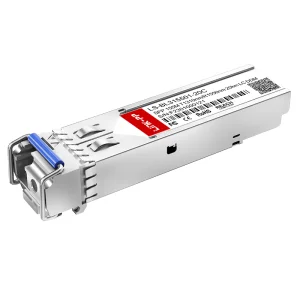
Single-fiber bidirectional and long-range transceivers designed to double fiber capacity and extend connection lengths.
How direct-to-manufacturer procurement structures reduce overhead and secure supply lines.
For Canadian network system integrators and purchasing departments, sourcing specialized network hardware involves balancing cost and reliability. Procuring directly from OEM/ODM suppliers like Transolix minimizes the markup added by local distributors. Our direct model allows procurement teams to optimize Total Cost of Ownership (TCO) while securing fully customized transceivers tailored to their unique deployments.
We provide comprehensive firmware customization to ensure our modules match the original vendor's serial codes. This compatibility bypasses port security locks on switches from Cisco, Ciena, Juniper, and other major systems. Systems integrators gain access to drop-in replacements that perform seamlessly without triggering alarms or requiring switch configuration overhauls, speeding up deployment across Canadian utility and municipal installations.
Answers to technical and logistics questions for importing and deploying SFPs in the Canadian market.
Optimize your project timelines and reduce overhead costs. Get in touch with our engineering team to request compatibility verification samples, custom firmware adjustments, or volume quotes tailored for Canadian distribution.
Send Inquiry Now Transolix