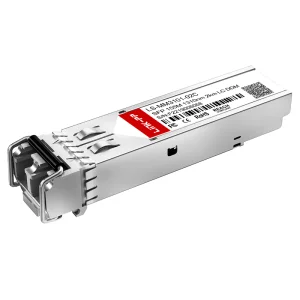
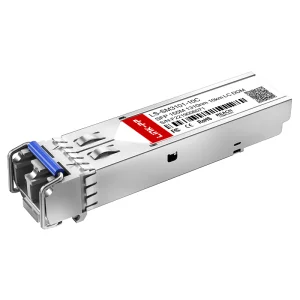
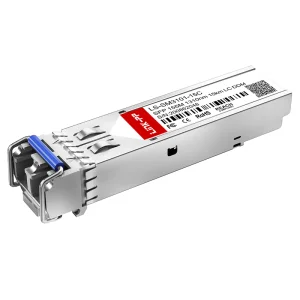
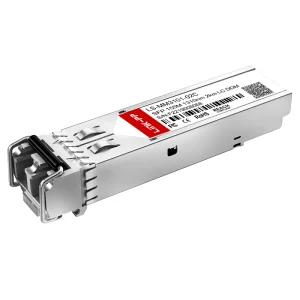
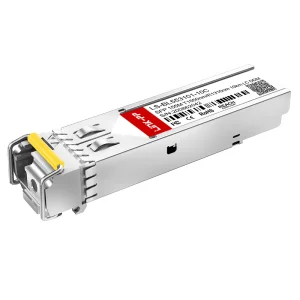
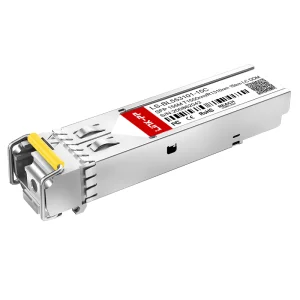
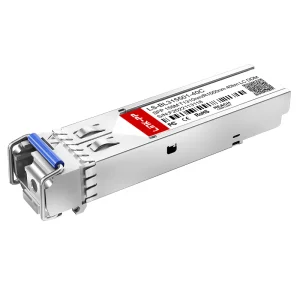
High-performance optical interfaces engineered for critical legacy architectures in the Indonesian industrial automation sector.
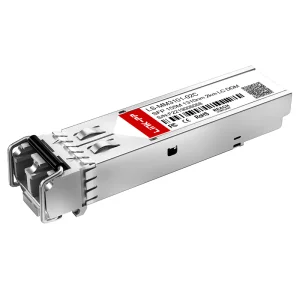
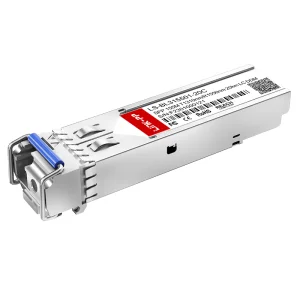
Indonesia's geographical layout as an archipelago of over 17,000 islands poses unique structural demands on telecommunications. Over the past decade, government-led programs like the Palapa Ring project have established backbone optical networks connecting Western, Middle, and Eastern regions. However, at the distribution, industrial control, and last-mile cellular levels, the transition from legacy Synchronous Digital Hierarchy (SDH/SONET) architectures to full packet-switched Ethernet requires a dual-track strategy.
In critical sectors such as power utility distribution networks (governed by PT PLN), railway transport management systems (PT KAI), and industrial mining installations (including those in East Kalimantan and Papua), the 155 Mbps (STM-1) and 622 Mbps (STM-4) protocols continue to serve as the backbone of secure communication. These low-bandwidth, high-deterministic systems provide zero-jitter transmission for teleprotection, SCADA signals, and signaling applications. Replacing this entire architecture is economically and operationally impractical. Consequently, there is an escalating demand for industrial-grade, highly reliable 155M and 622M SFP transceivers that interface seamlessly with modernized networking switches.
As a leading international optical component provider, Transolix supports the Indonesian market by delivering highly compatible, ruggedized 155M/622M transceivers. By deploying modules engineered to withstand tropical heat, high humidity levels, and volatile voltage lines typical in remote locations, Indonesian integrators can sustain their mission-critical legacy links while aligning them with modern packet infrastructure.
Many legacy SDH multiplexers do not accept modern multi-rate SFP ports natively due to firmware restrictions. Our custom-programmed 155M and 622M SFPs bypass these restrictions by mimicking the exact host-interface handshake expected by legacy legacy systems such as Moxa, Hirschmann, and Siemens.
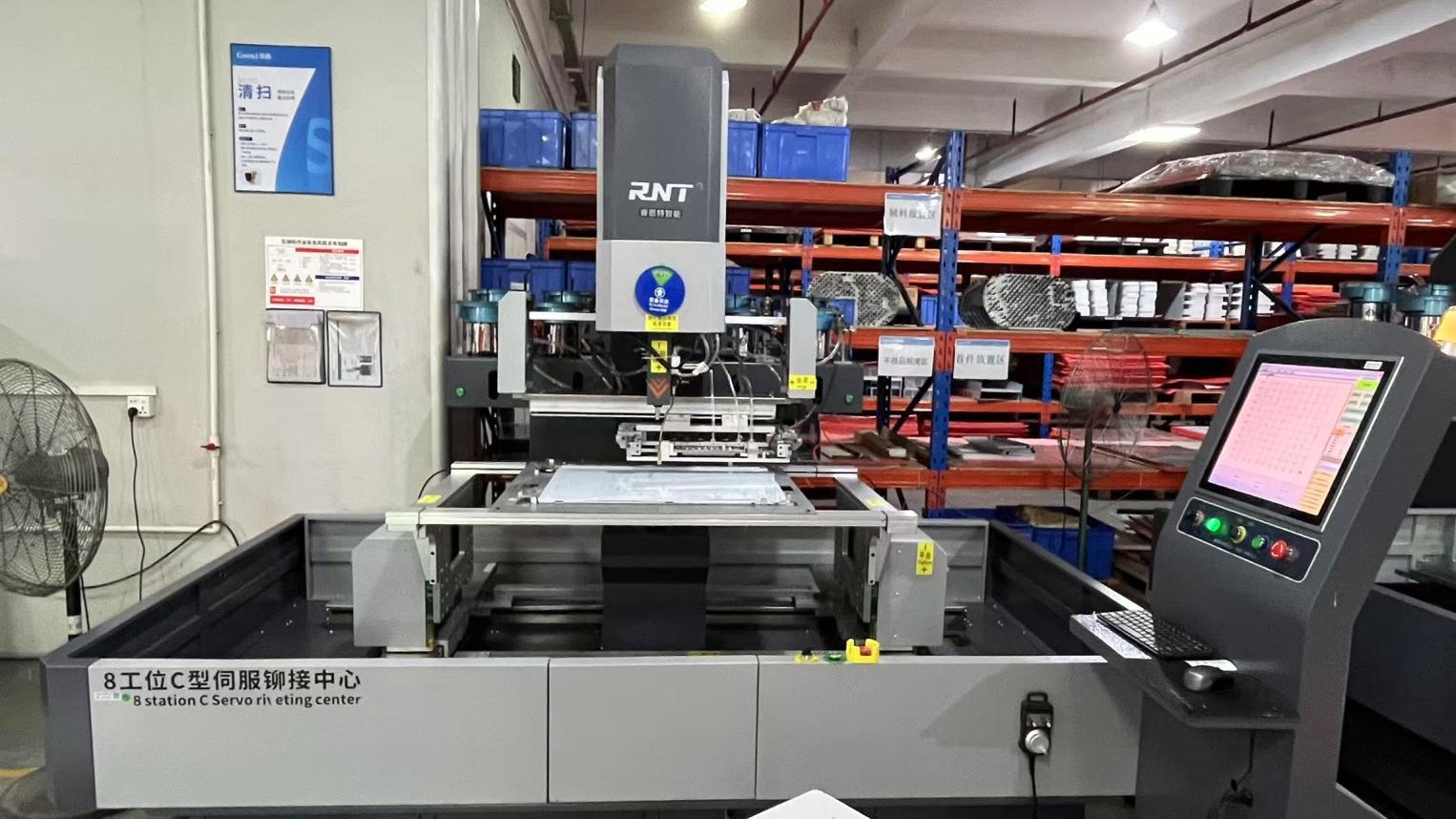
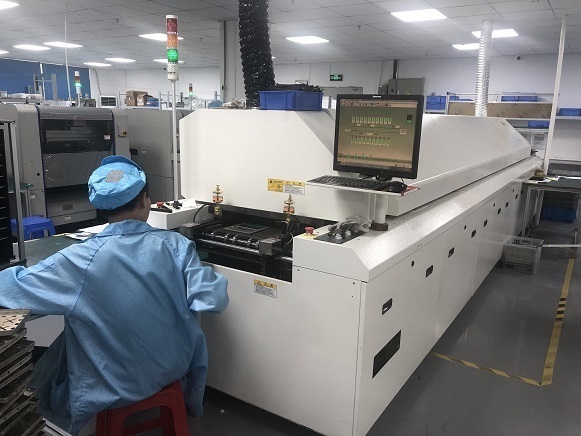
Transolix operations rely on robust material sourcing, stringent automated testing, and comprehensive validation protocols. Over 42 quality control staff conduct automated optical verification, eye diagram checks, and dynamic temperature chamber stress tests to guarantee performance consistency under extreme real-world conditions.
How our clients leverage 155M/622M SFPs to solve actual regional networking challenges.
Interconnecting substations across Java and Sumatra via distance protection relays. Our low-latency 155M optical modules ensure immediate fault isolation in milliseconds, protecting local transformers from cascading blackouts.
Standard transceivers degrade quickly under Indonesia's average 85%+ humidity levels and high operational temperatures. Transolix specializes in industrial-grade (-40°C to +85°C) components to prevent failures in outdoor control panels.
Supporting urban transit lines like LRT and MRT Jakarta. Reliable 622M SFP transceivers transmit real-time telemetry from trackside sensors back to central monitoring stations, guaranteeing continuous operation.



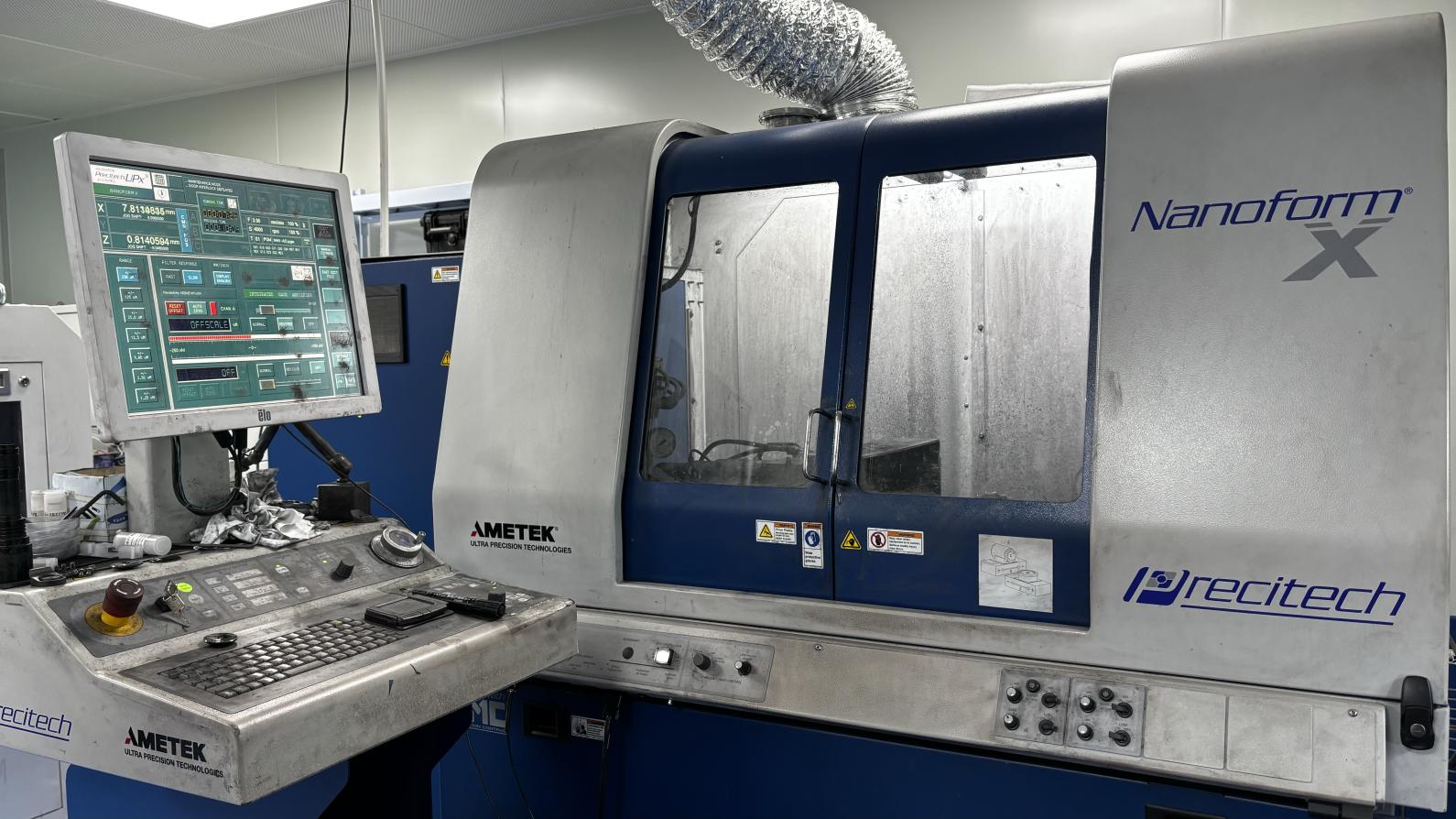
Designed to ensure total compatibility with global network equipment brands for seamless deployment across Indonesia.
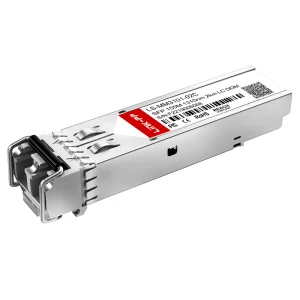
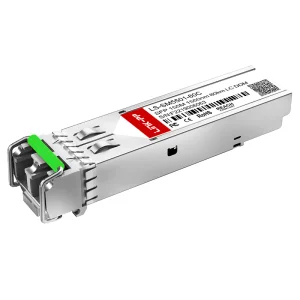
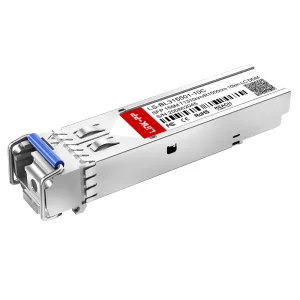
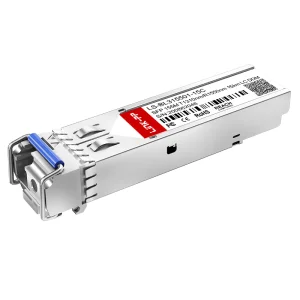
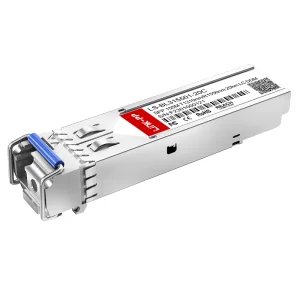
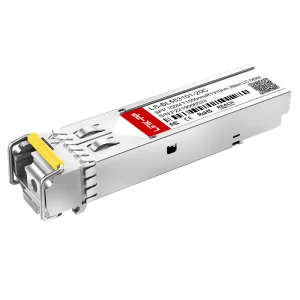
While the global communication spotlight remains fixed on massive data center upgrades featuring 400G, 800G, and terabit optical standards, the industrial physical layer continues to depend on mature technology. Low-speed SFP transceivers (155M and 622M) remain essential components for specialized telecommunications worldwide. This permanence is not due to a lack of innovation, but rather due to architectural and environmental factors.
High-frequency signals (such as 10G, 40G, or 100G) are susceptible to dispersion and attenuation over extended fiber runs. High-speed transceivers require chromatic dispersion compensation and active amplification over distances exceeding 10km. Conversely, 155M and 622M optical signals operating at 1310nm or 1550nm wavelengths can easily span 40km to 80km without signal regeneration. This long-range capability at low power is critical for remote telemetry networks, cross-provincial railway monitoring, and pipeline monitoring in rural Indonesia.
Standard commercial transceivers are rated for 0°C to 70°C environments. However, industrial systems in Southeast Asia encounter severe humidity, minimal passive cooling, and peak cabinet temperatures exceeding 75°C. Transolix's ruggedized 155M/622M SFP transceivers feature laser diodes and photodetectors calibrated for Extended/Industrial temperatures (-40°C to +85°C).
A common issue for network installers is host device compatibility. Network equipment brands write custom firmware locks preventing third-party transceivers from negotiating links. Transolix addresses this by maintaining a comprehensive compatibility matrix. Our R&D engineers reverse-engineer EEPROM signatures for major legacy brands like Moxa, Hirschmann, Cisco, Siemens, Allied Telesis, and Juniper. This ensures plug-and-play operation and reliable link establishment upon installation.
| Module Type | Wavelength (nm) | Fiber Type | Max Reach | Typical Application |
|---|---|---|---|---|
| 155M Multimode | 1310nm | MMF (OM1/OM2) | 2km | Substation Intralinks, LAN backbones |
| 155M Singlemode | 1310nm / 1550nm | SMF (G.652) | 10km - 80km | Long-range SCADA, Utility grid protection |
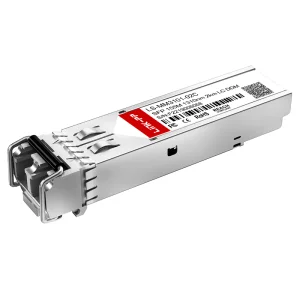
| 155M BiDi | Tx1310 / Rx1550 | Simplex SMF | 15km - 40km | Single-strand fiber saving links |
| 622M Singlemode | 1310nm / 1550nm | SMF (G.652) | 20km - 80km | STM-4 SDH rings, high-res railway signaling |
Essential insights regarding 155M/622M SFP modules deployment, compatibility, and ordering.
Discuss your network specifications with our technical support team. Request compatible optical transceivers programmed to match your existing equipment profile.
 Transolix