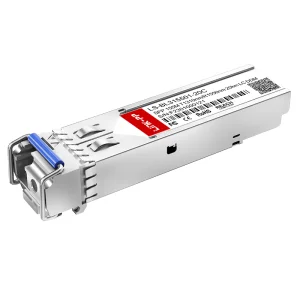
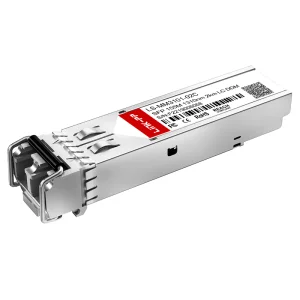
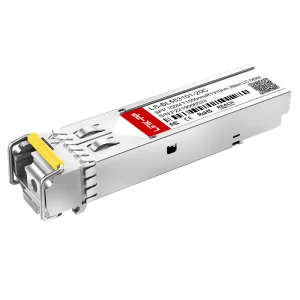
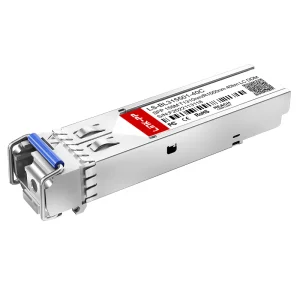
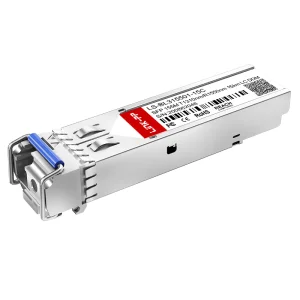
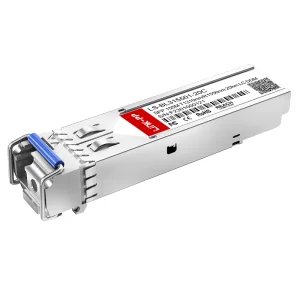
Engineered for seamless compatibility with major industrial switch manufacturers including Hirschmann, Moxa, and Cisco. Extensively deployed in Thailand’s infrastructure projects.
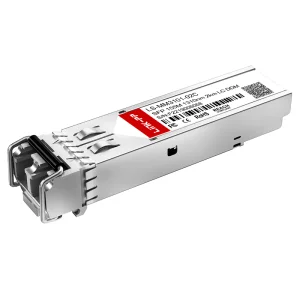
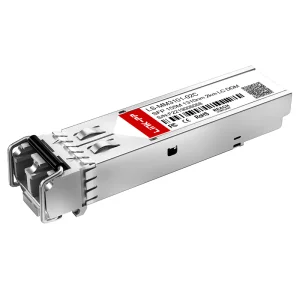
In-depth analysis of optical network demands, transition dynamics, and hardware requirements within the ASEAN second-largest economy.
Under the national mandate of the "Thailand 4.0" initiative, the Kingdom of Thailand is rapidly digitalizing its industrial zones, utility networks, and municipal transportation systems. While high-speed backbone connections have migrated to 10G, 40G, and 100G, legacy industrial networks, power transmission grids, and specialized communication links still rely heavily on robust, reliable 155Mbps (Fast Ethernet / STM-1) and 622Mbps (STM-4) SFP modules. These lower-speed protocols offer unparalleled transmission distance margins and high anti-interference properties over older fiber infrastructures, making them essential for mission-critical networks.
In the industrial clusters of Rayong, Chonburi, and Chachoengsao, the modernization of petrochemical refineries, automotive assembly plants, and smart ports requires hardened network hardware. Industrial switches installed in roadside cabinets or near heavy machinery must withstand extreme operational environments, including operating temperatures up to 85°C and high relative humidity (up to 95% non-condensing). Standard commercial-grade SFP transceivers fail prematurely under these harsh Thai tropical conditions. Consequently, industrial system integrators in the EEC demand hardened industrial-grade (-40°C to +85°C) 155M/622M transceivers with Digital Diagnostic Monitoring (DDM/DOM) to actively monitor link quality, optical output power, and temperature parameters.
The Metropolitan Electricity Authority (MEA) and the Provincial Electricity Authority (PEA) of Thailand are continuously upgrading substations to comply with the IEC 61850 standard. The network infrastructure inside high-voltage substations requires high electromagnetic immunity. Fiber optic cabling utilizing 155M SFP transceivers is the industry standard for connecting Remote Terminal Units (RTUs), Intelligent Electronic Devices (IEDs), and protective relays. In these applications, the 1310nm 2km multimode fiber module and the single-mode 20km/40km BiDi (Bidirectional) modules are extensively deployed to ensure zero electromagnetic interference, zero packet loss, and robust failover operations.
Specially engineered for Thailand’s high humidity and high-temperature profiles, featuring anti-corrosion gold-finger coatings and laser drivers calibrated for high ambient warmth.
Built with customized EEPROM coding to enable seamless, plug-and-play operation with Moxa, Hirschmann, Cisco, Allied Telesis, and Huawei network switches.
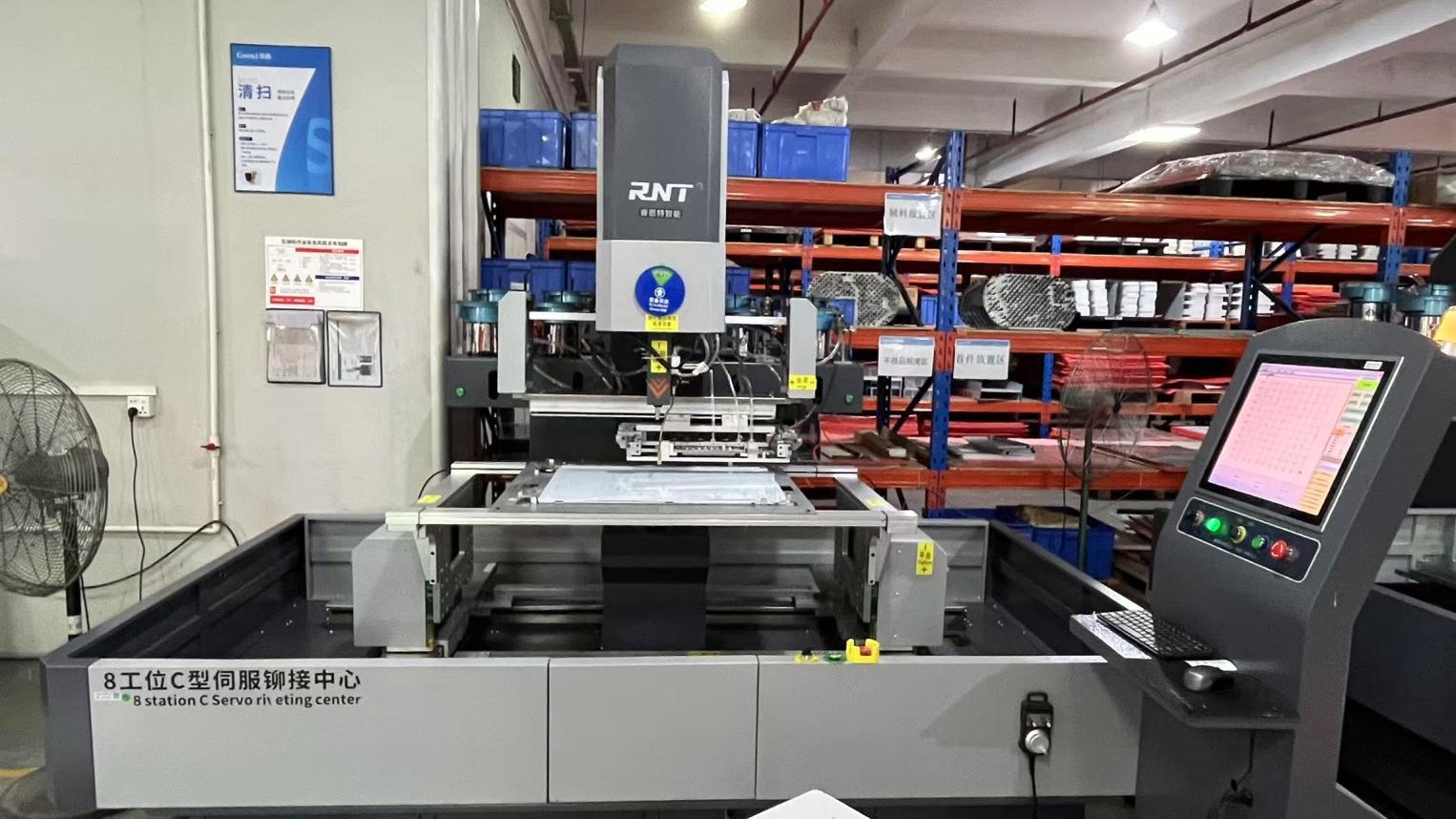
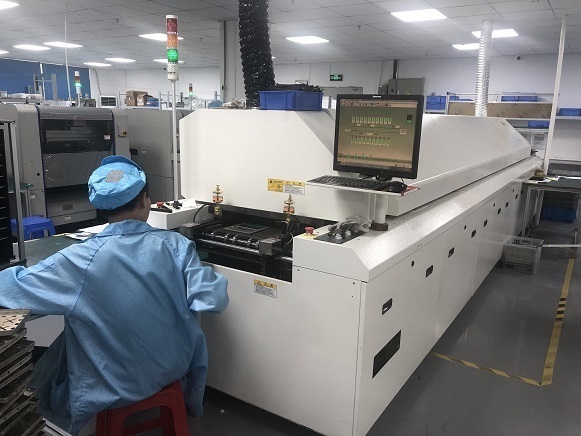
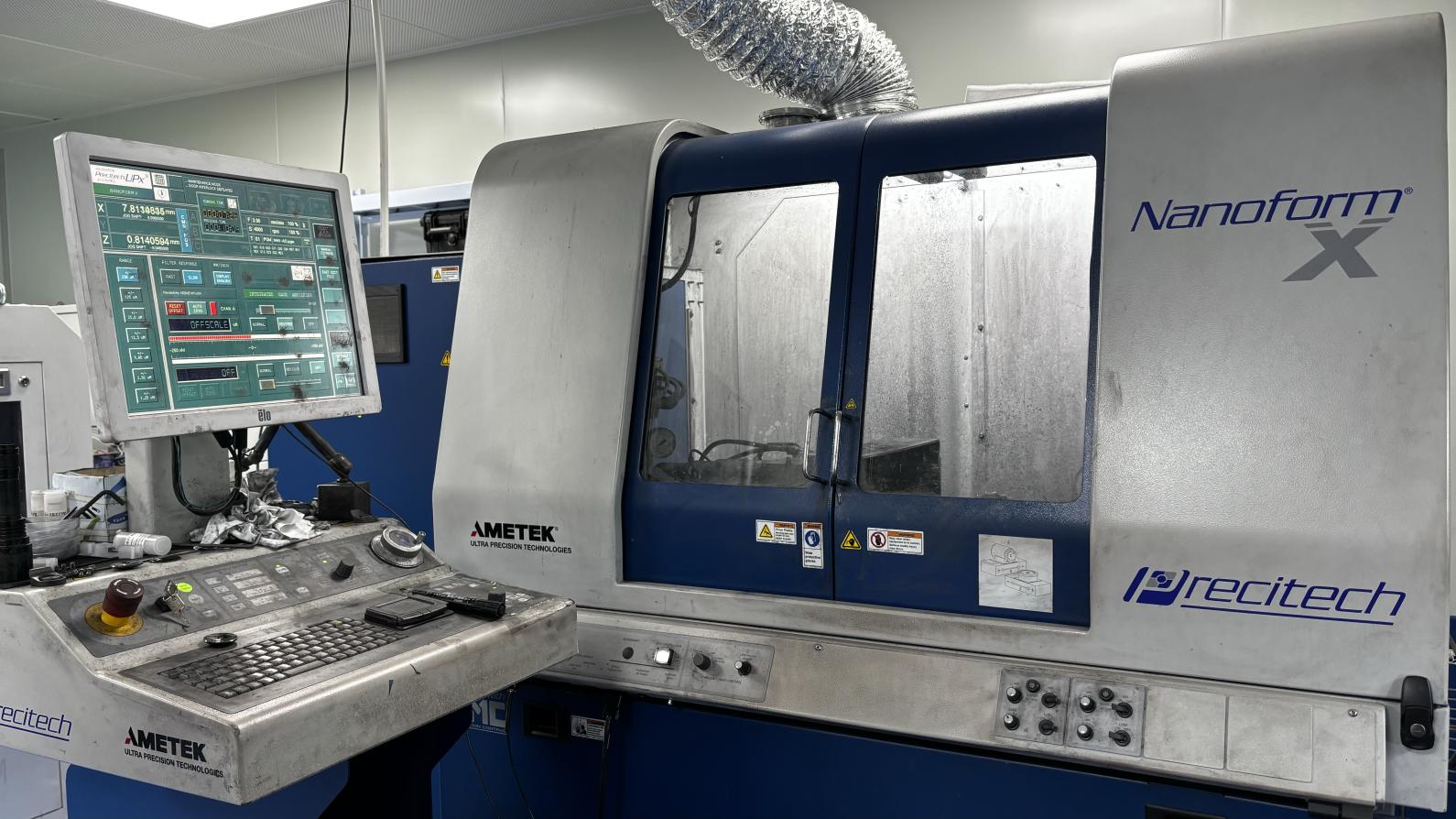
Every transceiver undergoes rigorous automated optical testing, eye diagram analysis, and 100% final performance verification under simulated load at our automated testing facility.
How Transolix leverages automated manufacturing and robust vendor relationships to deliver cost-competitive, reliable optical networking solutions.
In the global optical transceiver landscape, there is a distinct polarization of demand. While cutting-edge hyperscale data centers driving AI workloads demand 800G and 1.6T modules, the global manufacturing, energy, and transportation sectors still require millions of legacy 155M/622M SFP modules annually. Because Western Tier-1 brands have discontinued or dramatically marked up these legacy components, purchasing managers often face long lead times and inflated costs. This is where Transolix fills the void as a specialized high-volume optical transceiver manufacturer.
Located in the heart of China’s optical communication manufacturing cluster, Transolix capitalizes on massive economies of scale and highly optimized upstream supply chain integration. With over 860 certified upstream suppliers for chipsets, OSA (Optical Sub-Assembly), TOSA/ROSA components, and advanced PCB manufacturing, Transolix maintains a stable inventory of essential components. This decoupling from generic distributor networks guarantees rapid order fulfillment and protection against global silicon shortages.
Maximize fiber infrastructure investment in Thailand’s metropolitan networks. Transmit and receive over a single strand of fiber using WDM technology.
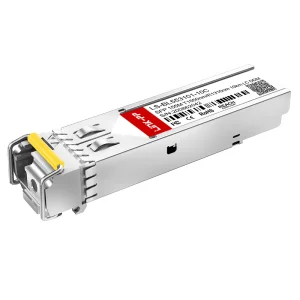
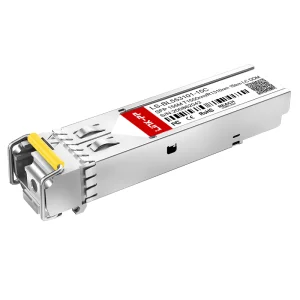
Detailing where and how 155M/622M SFP modules serve essential national connectivity links.
The railway modernization and high-speed rail integration linking Bangkok to the EEC corridor depend heavily on fiber networks to synchronize wayside signaling and interlocking controls. In these setups, reliable, noise-immune 100BASE-FX and STM-1 SFP modules connect trackside controllers (e.g., Siemens or Alstom automation units) to the control centers. The low bandwidth requirement is offset by the absolute demand for continuous runtime and resistance to high-frequency traction noise from catenary power lines.
Thailand's major water treatment and distribution agencies, such as the Metropolitan Waterworks Authority (MWA) and the Provincial Waterworks Authority (PWA), use distributed SCADA systems to monitor dams, water treatment stations, and pumping facilities. Utilizing single-mode SFP transceivers spanning 10km to 40km allows these rural pump houses to maintain stable serial-over-fiber and Ethernet connections with city monitoring hubs, bypassing unstable cellular signals in rural provinces.
Hazardous, explosive, and chemical-heavy environments require intrinsically safe network designs. Transolix SFP transceivers comply with strict quality standards, offering excellent thermal dissipation and low power budgets, minimizing heat emission in confined, sealed industrial cabinets within petrochemical refineries.
Select from our comprehensive list of MSA-compliant transceivers configured with various wavelengths, distances, and connector options.
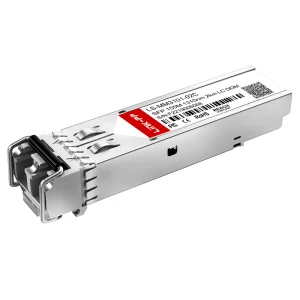
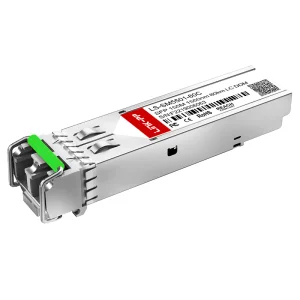
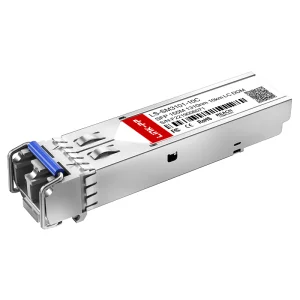
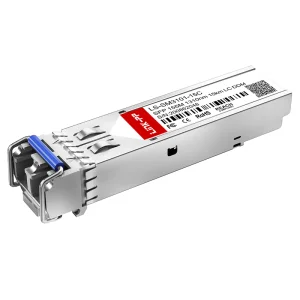
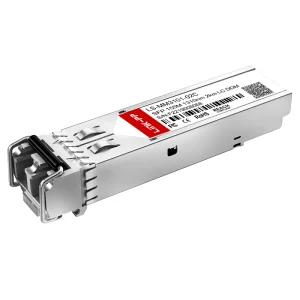
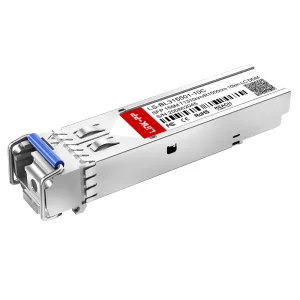
Key architectural criteria network planners must prioritize when purchasing legacy transceivers for industrial environments.
The Multi-Source Agreement (MSA) specifies the electrical and physical dimensions of SFP modules, ensuring standardization across different brands. However, switch brands write vendor-specific verification code on the EEPROM (A0/A2 addresses) of their SFP modules. A generic SFP module plugged into a proprietary switch (e.g., Moxa, Hirschmann, Cisco) will trigger a "Software Unrecognized" error, disabling the port. At Transolix, we build extensive coding libraries to rewrite the SFP EEPROM registers. When ordering, buyers can specify the exact model of host switches, and our lab will configure the transceivers for zero-fault compatibility.
DDM provides real-time access to key parameters via the Simple Network Management Protocol (SNMP) interface:
• Tx Bias Current: Predicts laser aging. High drift signals imminent transmitter failure.
• Rx Optical Power: Monitors cable degradation, micro-bends, and optical loss over time.
• Internal Temperature: Prevents thermal runaway in poorly ventilated outdoor industrial cabinets.
While Non-DDM transceivers are budget-friendly, DDM-enabled modules are strongly recommended for high-reliability networks such as railway signaling and substation SCADA systems.
Ensure your cabling matches the transceiver type:
• Multimode Fiber (MMF): Typically OM1 (62.5/125µm) or OM2 (50/125µm). Recommended for short spans up to 2km. Uses a 1310nm LED or VCSEL source.
• Single Mode Fiber (SMF): Typically OS1/OS2 (9/125µm). Required for distances over 10km. Utilizes FP (Fabry-Perot) or DFB (Distributed Feedback) lasers.
A trusted manufacturing partner delivering certified optical interconnect products worldwide.
Transolix is a professional optical transceiver manufacturer specializing in high-performance fiber optic communication solutions for global data centers, telecom operators, and enterprise networks. With strong engineering capabilities and scalable production capacity, Transolix is committed to delivering reliable, high-speed, and cost-effective optical connectivity products worldwide. Transolix focuses on continuous innovation in optical interconnect technology, offering a full range of products including SFP, SFP+, QSFP28, QSFP-DD, and emerging high-speed optical transceiver solutions for next-generation networks.
• Registration Date: 2016
• Building Area: 320㎡
• Annual Export: USD 8–15 million
• Industry Experience: 11 years
• Standards: ISO 9001 Compliant
• Inspection Staff: 42 specialists
• Testing: Eye Diagrams, Automated Optical Testing, Real-Time Heat Aging
• Upstream Partners: 860 partners
• Main Markets: North America, Europe, Southeast Asia, Middle East
• Customer Types: Telecoms, Data Centers, OEM/ODMs
• R&D Engineers: 128 experts
• Customization: Supported (Wavelength, Form factor, DDM, Custom Firmware)
• Annual Releases: 86 new models



Crucial information regarding compatibility, procurement, shipping, and warranty of 155M/622M SFP transceivers.
Yes. Transolix has an optical compatibility lab equipped with active Hirschmann (such as RS20/RS30 series) and Moxa (such as EDS-510A/EDS-G509 series) industrial switches. We program the EEPROM of each module with custom firmware to match the vendor code required by these brands. Be sure to specify your exact switch models when submitting an inquiry.
We regularly export components to Bangkok, Laem Chabang, and various industrial zones. Standard shipping is handled via DHL, FedEx, or Air Cargo, typically arriving in Thailand within 3 to 5 business days. We provide complete commercial invoices and Form E to facilitate rapid customs clearance.
Form E is a Certificate of Origin issued under the ASEAN-China Free Trade Area (ACFTA). When we ship SFP modules from our factory in China to Thailand with a Form E certificate, Thai customs duties can be significantly reduced or exempted completely, keeping overall project costs lower.
Yes, all of our SFP transceivers can be ordered in Industrial Temperature Grade. These modules feature hardened internal chipsets and laser diodes calibrated to operate reliably within the high heat and humidity levels typical of Thailand's outdoor utility cabinets.
Our industrial-grade optical SFP modules feature a Mean Time Between Failures (MTBF) exceeding 1,000,000 hours, calculated in compliance with Telcordia GR-468 reliability standards. Each batch undergoes rigorous temperature cycling and aging tests to ensure long-term stability.
We provide a comprehensive 3-year replacement warranty on all SFP modules. If any quality-related compatibility or performance issues arise during the warranty period, we will ship replacement units to your site free of charge.
Optimize your project margins and guarantee 100% link compatibility. Get a custom quote and compatibility evaluation within 24 hours.
Send Inquiry Now Transolix