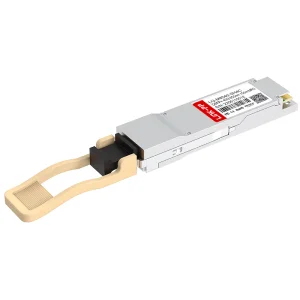
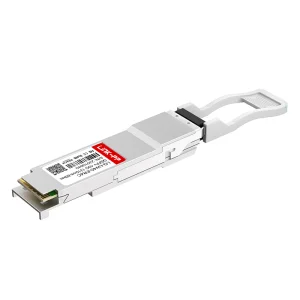
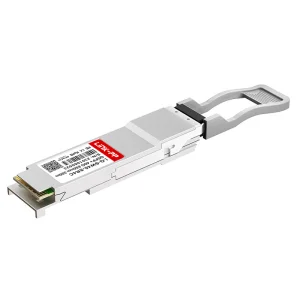
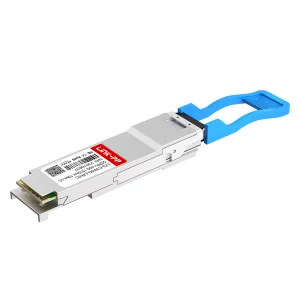
Engineered for exceptional signal integrity, zero latency bottlenecks, and structural adaptability in harsh networking environments.
Nepal is undergoing a rapid, structural digital transformation. Led by national initiatives to expand cross-Himalayan optical fiber backbones and upgrade metro rings in Kathmandu, Lalitpur, and Pokhara, telecom operators like Nepal Telecom (NTC) and Ncell are actively shifting from legacy 10G topologies to high-capacity 40G and 100G architectures. The rugged, high-altitude geography of Nepal introduces unique network hazards—atmospheric pressure differentials, dramatic temperature swings, and lightning-induced voltage surges.
These environmental challenges demand optical transceiver modules designed with premium laser engines (DFB and EML), advanced thermal management substrates, and robust electromagnetic interference (EMI) shielding. By provisioning compatible 40G QSFP+ solutions locally, Nepalese system integrators can bypass standard logistical bottlenecks, ensuring highly stable links that form the bedrock of Nepal's regional data corridors.
Providing technical transparency, supply integrity, and strict design specifications demanded by enterprise networks globally.
Every 40G QSFP+ module leaving the factory floor is built under compliance with IEEE 802.3ba, SFF-8436, and SFP+ MSA standards. Digital Diagnostics Monitoring (DDM / DOM) is integrated directly into the firmware architecture. This capability allows network administrators in Nepal and globally to trace optical power levels, transceiver temperatures, laser bias currents, and supply voltages in real-time, preempting network degradation.
With 860 certified upstream suppliers, our component sourcing is tightly regulated. We utilize premium, industry-tested chipsets and TOSA/ROSA components to ensure that our transceivers consistently pass strict eye diagram analysis, bit error rate (BER) checks, and hardware aging procedures. By mitigating raw material variability, we ensure consistent production outcomes and zero field-level compatibility failures.
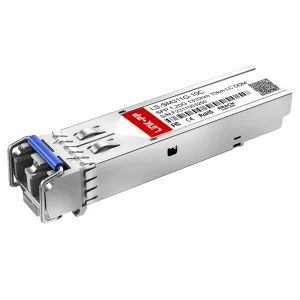
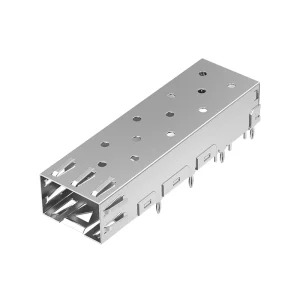
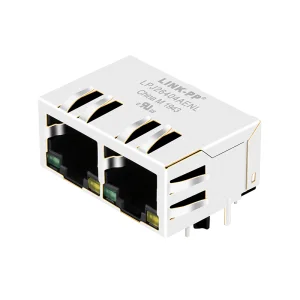
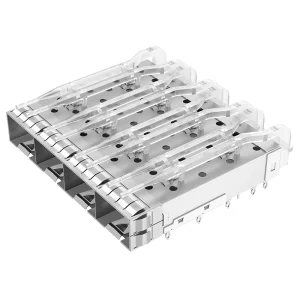
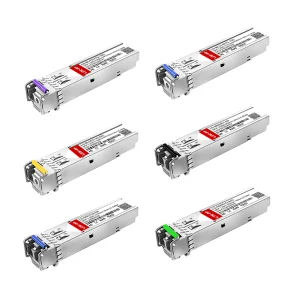
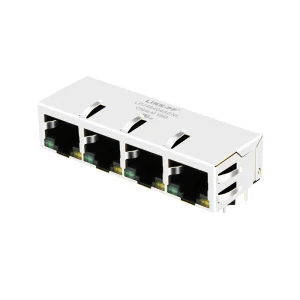
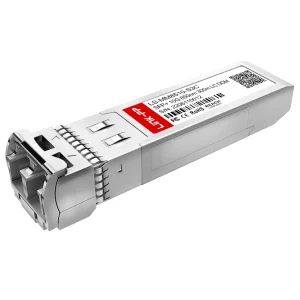
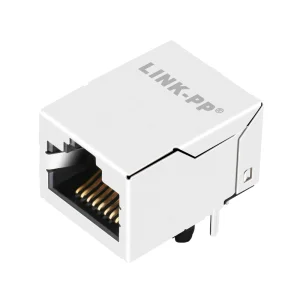
High-speed media connectors, optical interfaces, and protective cage assemblies supporting stable physical layer connectivity.
Developing high-performance fiber optic communications for global datacenters, carriers, and enterprise networks.
Established in 2016, Transolix focuses on the continuous design and manufacturing of high-reliability optical interconnect systems. Combining scalable cleanroom capabilities, advanced testing machinery, and a specialized R&D unit, we support the networking objectives of OEMs, system integrators, and telecom agencies globally.
With 11 years of deep industry expertise and over 6 years of cross-border B2B export activity, we maintain a complete understanding of international standards, global shipping regulations, and technical compliance protocols.
Backed by 42 dedicated QC professionals operating under ISO 9001 systems. Product verification features automated optical testing, eye diagram analysis, thermal chamber aging cycles, and 100% final performance verification.
Offering extensive hardware and firmware customization options, covering proprietary wavelength configurations, unique physical form factors, tailored protocols, and specialized system firmware encoding. Released 86 new models last year alone.
Decoding optical signal structures, media limits, and transition methodologies to higher capacity 100G/400G systems.
Short-reach multimode systems (SR4, BiDi) leverage 850nm VCSEL lasers to traverse up to 150m-300m over OM3/OM4 fiber, ideal for datacenter leaf-spine layouts. Long-reach singlemode models (LR4, ER4, ZR4) incorporate 1310nm DFB/EML laser diodes and PIN/APD receivers, achieving link paths from 10km to 80km without inline optical amplification.
By consolidating four independent transmit and receive paths (each operating at 10.3125 Gbps), the QSFP+ form factor quadruples the bandwidth density of standard SFP+ slots. Modern 40G transceivers implement Coarse Wavelength Division Multiplexing (CWDM) over duplex LC fiber interfaces, maximizing existing physical fiber runs.
Deploying standard 40G QSFP+ transceivers secures a straightforward hardware upgrade path to 100G (QSFP28) and 400G (QSFP-DD). Since form factors match physical dimensions, infrastructure engineers can swap modules to scale network capabilities without replacing line cards or base switches.
Exploring our advanced optoelectronic production spaces, quality stations, and modern assembly floors.



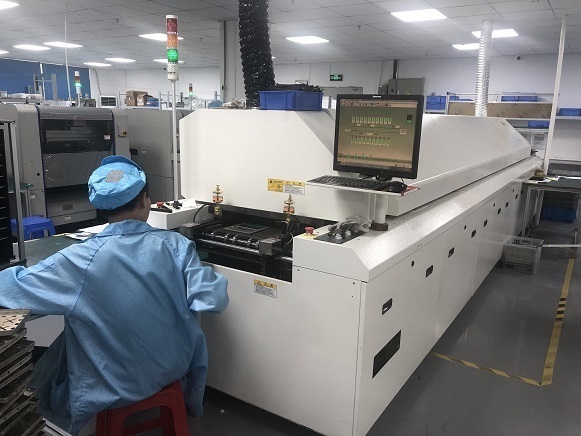

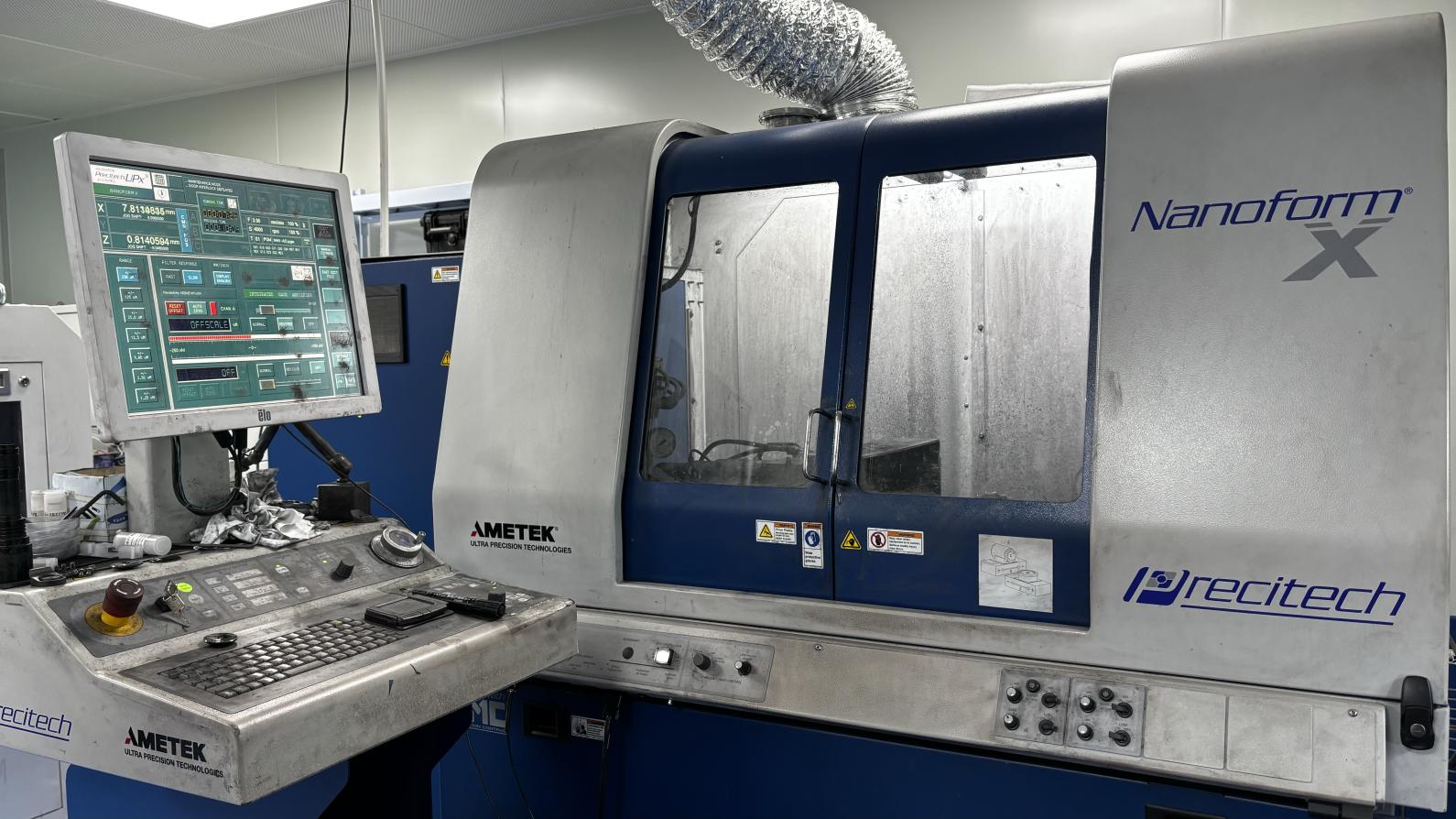
Shipping precision telecom equipment into landlocked economies like Nepal requires clear operational capabilities. Transolix ensures that all optical transceiver shipments are backed by detailed documentation, including Certificate of Origin, CE, FCC, RoHS certifications, and standardized HS codes (typically 8517.62) to accelerate custom clearance protocols at Tribhuvan International Airport (TIA) or Birgunj land ports.
Furthermore, we partner with reliable air freight and local logistics operators in Nepal to guarantee that sensitive electro-optical components arrive without physical damage. We pack our items in anti-static protective cases and temperature-regulated outer layers, protecting fragile components from physical stress and temperature shocks during transit over high altitudes.
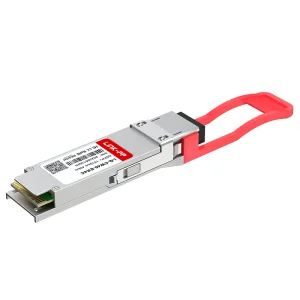
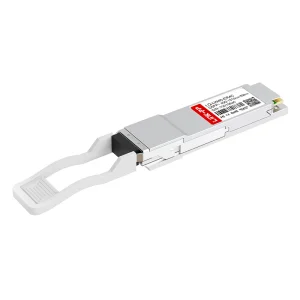
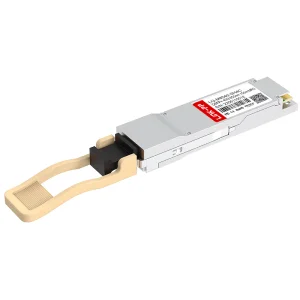
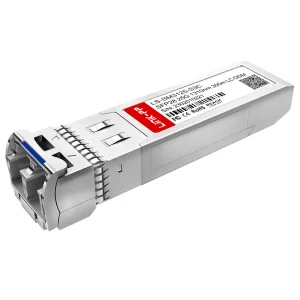
A complete range of long-range singlemode, high-density multimode, and multi-vendor compatible interfaces.
Clear answers to help you select, deploy, and verify the performance of 40G QSFP+ transceivers in high-availability systems.
Get in touch with our engineering team for custom link designs, multi-vendor firmware options, and wholesale manufacturing quotes.
Send Inquiry Now Transolix