Engineered for signal integrity, electromagnetic interference (EMI) containment, and high thermal performance across metropolitan telecom installations.
An authoritative analysis of optical interconnect architectures, regional European infrastructure scaling, and advanced manufacturing efficiency.
Paris is a cornerstone of the global digital economy, anchoring the vital FLAP-D (Frankfurt, London, Amsterdam, Paris, Dublin) data center market. Driven by extensive deployments in areas such as Saint-Denis, Aubervilliers, and the wider Île-de-France region, the metropolitan area handles astronomical throughput demands daily. As operators like Equinix, Interxion (Digital Realty), and Telehouse scale their facilities to accommodate hyper-scale cloud requirements, AI modeling workloads, and financial trading engines near the Bourse, the underlying physical layer technology faces rigorous validation.
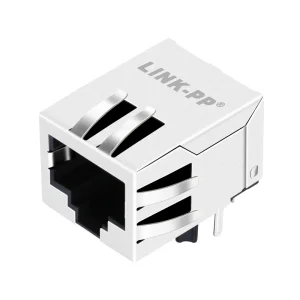
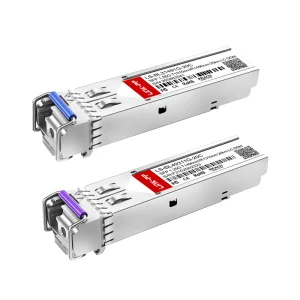
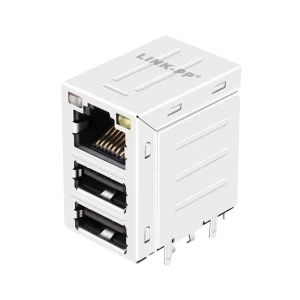
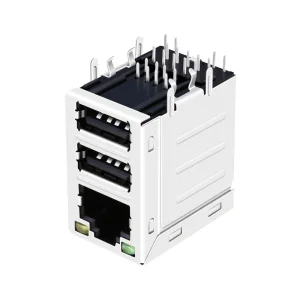
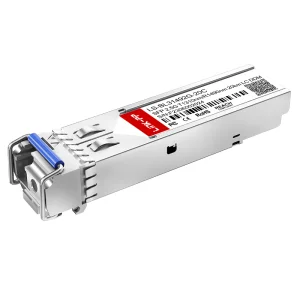
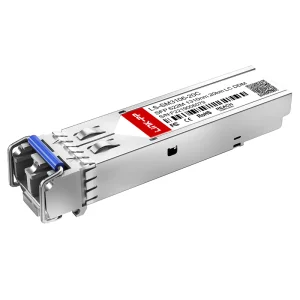
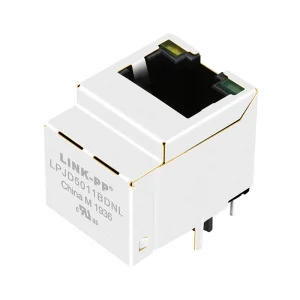
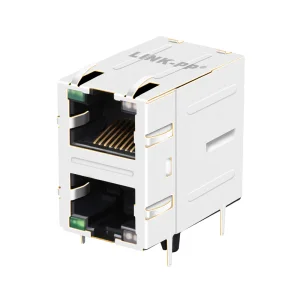
SFP (Small Form-factor Pluggable) cages represent the foundational mechanical framework housing the transceivers that power these Parisian backbones. High-performance SFP cages ensure precision alignment of optic interfaces with high-density PCB boards. Under the unique operating environments of Parisian networks, thermal load management and stringent European electromagnetic compatibility (EMC) regulations are paramount. Localized projects, such as the Grand Paris Express transit network and the modernization of Municipal Smart City telemetry, demand SFP cages and optical assemblies that can withstand continuous mechanical resonance and thermal variations while guaranteeing flawless data integrity.
The global telecommunications hardware market is undergoing rapid evolution. Standard transceiver cages are migrating from 10G/25G architectures to multi-gigabit solutions (100G, 400G, and 800G) utilizing QSFP-DD, OSFP, and advanced SFP-DD configurations. In high-density line cards, SFP cages must operate under increasingly tight spacing parameters. This density creates two structural challenges: Electromagnetic Interference (EMI) leakage and thermal stagnation.
To mitigate EMI, top-tier global factories implement advanced spring finger configurations and elastomeric gaskets. The structural integrity of the copper-alloy shield limits radiated emission paths to comply with global FCC and CE standards. Concurrently, integration of elastomeric thermal interface materials (TIMs) and custom-profile heat sinks built directly onto the cage structure allows heat dissipation from high-power coherent optics (ZR/ZR+ modules) that now consume upwards of 15-20 Watts per port.
Optimized with beryllium copper spring fingers and advanced 360-degree grounding to prevent signal leakage in multi-gigabit designs.
Integrated copper and aluminum heat sinks tailored for the high-wattage demands of coherent optical transceivers.
Precision pin geometry ensuring low insertion force and high retention strength on multi-layer FR4 and Megtron PCBs.
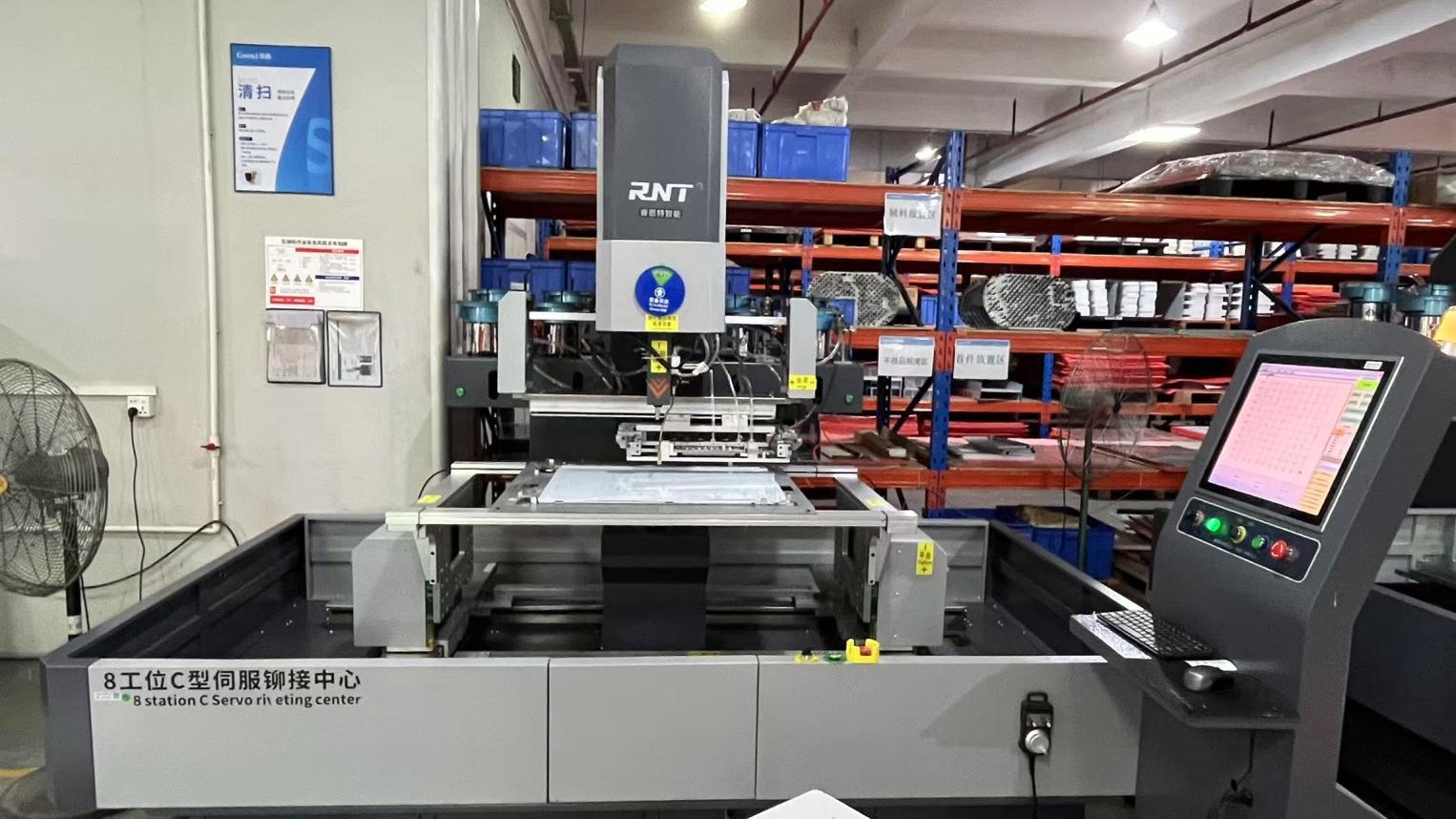
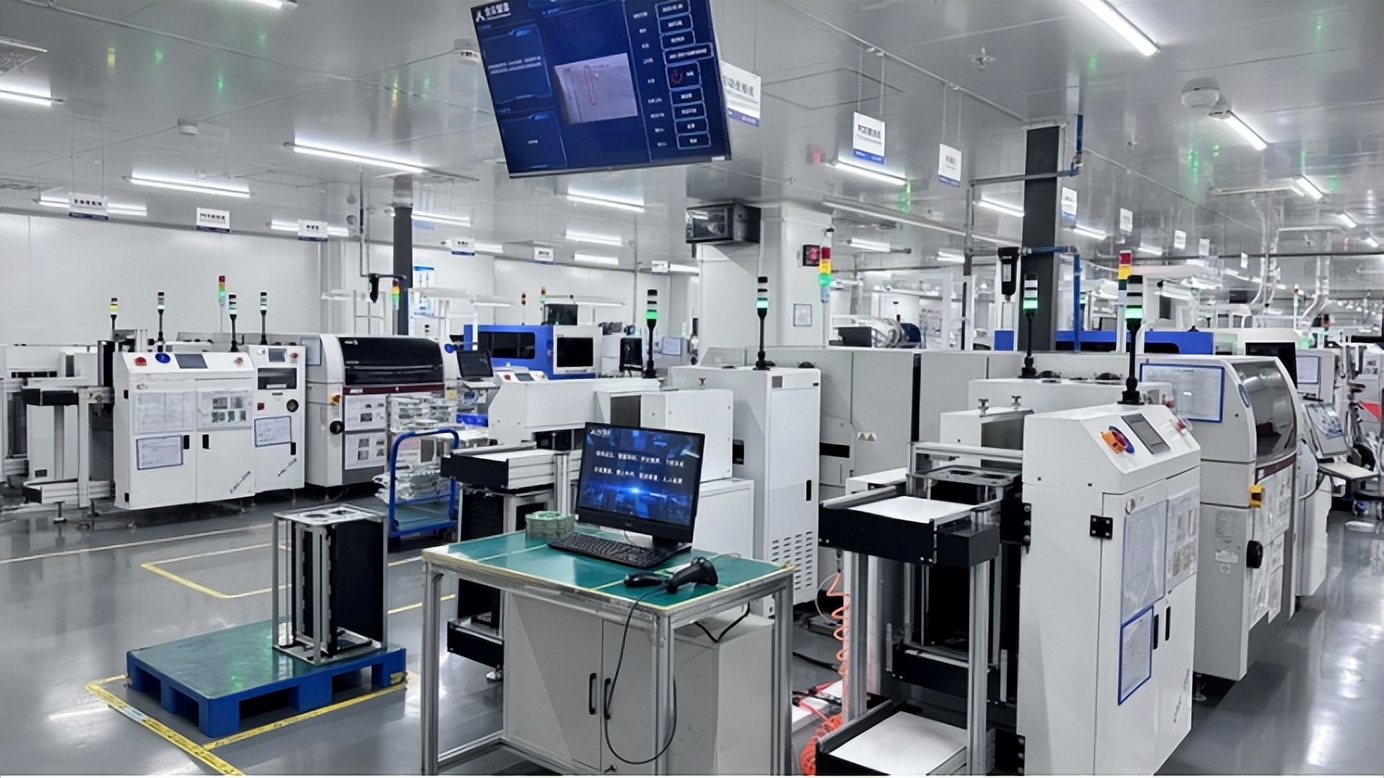
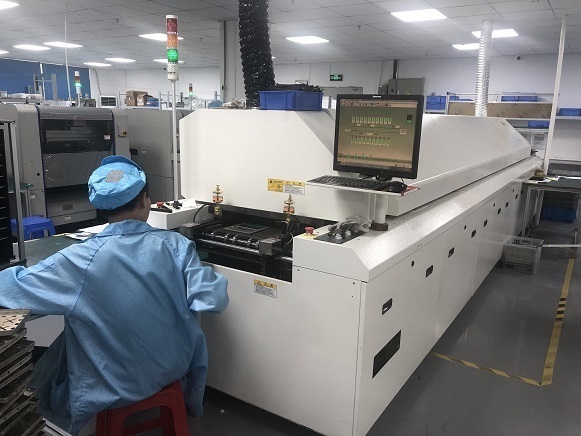
China's manufacturing sector provides vital structural advantages for international telecom procurement. Factories leverage localized vertical integration, housing high-speed progressive die stamping, automated electroplating, and rigorous testing lines within tight regional clusters. This co-location minimizes lead times for custom tool fabrication, enabling quick turnaround for bespoke cage modifications (such as custom LED lightpipe configurations, stack heights, or specific airflow ventilation designs).
Furthermore, economies of scale allow the integration of advanced QA processes, including Automated Optical Inspection (AOI), 3D coordinate-measuring machines (CMM), and real-time press-fit insertion force monitoring. By sourcing from mature Chinese factories, European integrators secure enterprise-grade mechanical components at highly competitive unit rates, meeting both budgetary parameters and the rigorous mechanical tolerances required for reliable long-term operations.
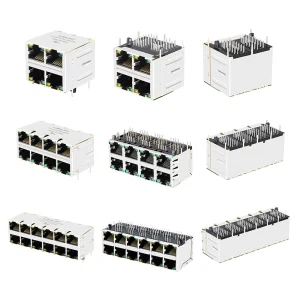
Parisian localized deployments require distinct physical configurations:
Delivering high-performance telecom interconnect components globally. Backed by industry-leading quality systems and robust R&D.
Transolix Company Profile: Transolix is a professional optical transceiver manufacturer specializing in high-performance fiber optic communication solutions for global data centers, telecom operators, and enterprise networks. With strong engineering capabilities and scalable production capacity, Transolix is committed to delivering reliable, high-speed, and cost-effective optical connectivity products worldwide.
Our quality system is certified to ISO 9001 and incorporates advanced automated testing, eye diagram analysis, environmental stress testing, and 100% final performance verification. With over 11 years of industry experience and 6 years of export history, we serve telecom operators, cloud providers, and OEM/ODM partners in North America, Europe, Southeast Asia, and the Middle East. Our product releases exceeded 86 models last year alone, demonstrating our commitment to rapid technological innovation.
Engineered to comply with international standards and optimize signal transmission in high-speed applications.
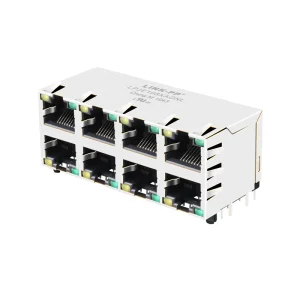
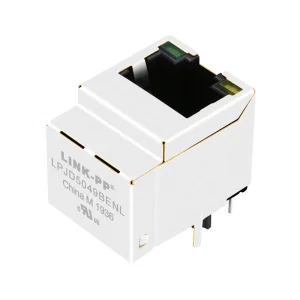
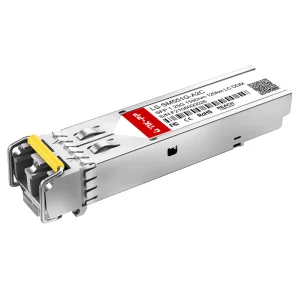
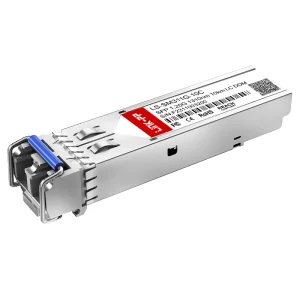
Procuring optical interconnect components for high-reliability infrastructures requires adherence to strict global benchmarks:
The networking industry is moving closer to physical integration limits. As signals reach speeds of 112G and 224G SerDes per lane, traditional copper tracing layouts face significant physical challenges. This has spurred two key structural trends:
Co-Packaged Optics (CPO): By placing optical engines directly on the substrate with the switch ASIC, the length of electrical high-speed lines is minimized. This transition shifts the function of the front panel SFP-style cage from containing pluggable transceivers to managing optical connector interfaces and cooling structures.
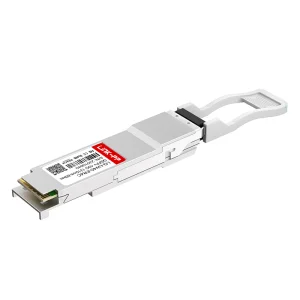
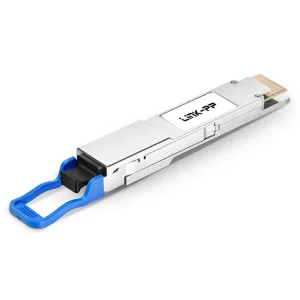
High-Power Coherent Pluggables: To bridge the gap before CPO becomes mainstream, systems use pluggable coherent optical components like QSFP-DD/OSFP. These components require specialized cages equipped with custom micro-channel heat sinks, which utilize direct airflow channels to manage cooling under high thermal loads.
Technical clarifications on mechanical design, supply logistics, and customization parameters for European infrastructures.

 Transolix