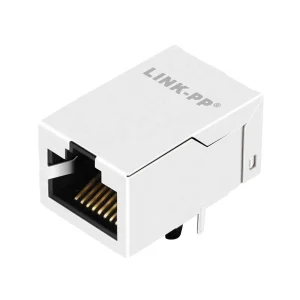
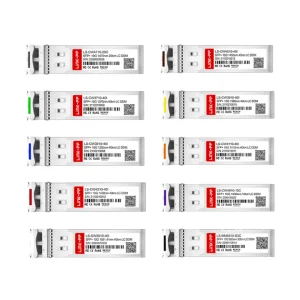
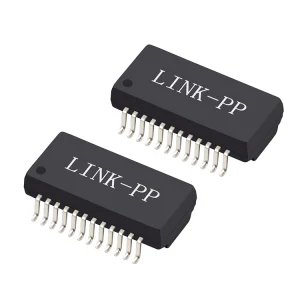
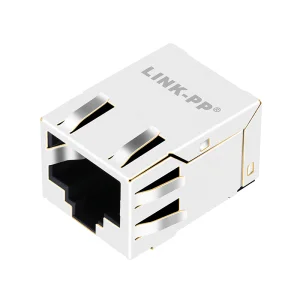
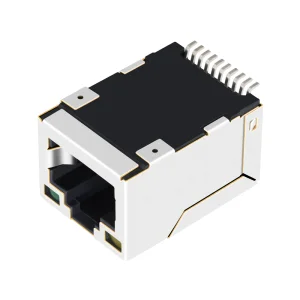
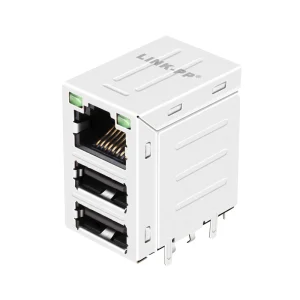
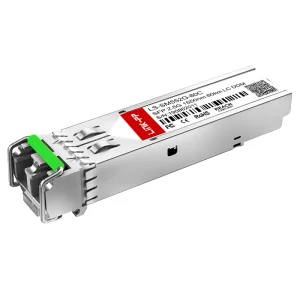
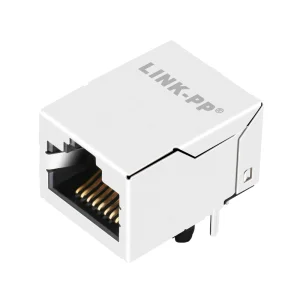
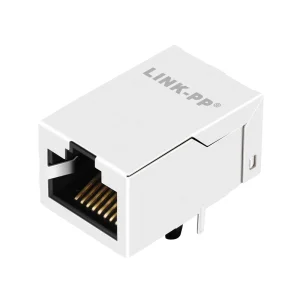
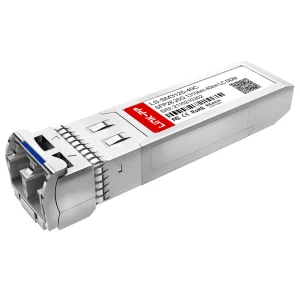
Explore our core product lineup of premium RJ45 coupling modules, magnetic modular jacks, SFP+ cages, and fiber optic transceivers engineered for zero-latency networking environments.
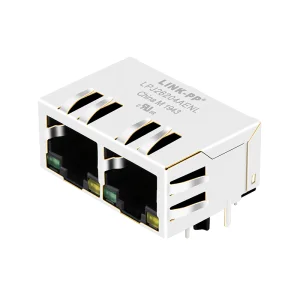
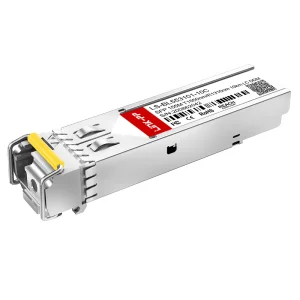
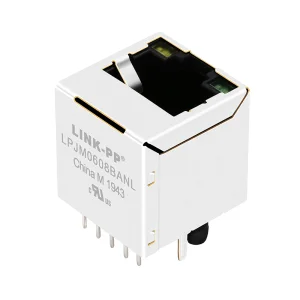
In high-speed telecommunications and industrial networking infrastructure, the RJ45 coupling device is no longer just a mechanical bridge. It is an active component engineered to maintain signal integrity, provide galvanic isolation, and suppress electromagnetic interference (EMI) across long transmission links. With the rise of 10G Base-T networks, 2.5G/5G Enterprise Access Points, and high-power Power over Ethernet (PoE++), selecting the correct coupling topography is essential to mitigate packet loss and ensure round-the-clock reliability.
Ethernet architecture relies heavily on two formats of RJ45 interfacing. Integrated Connector Modules (ICMs)—often referred to as Magnetic RJ45 Jacks—house isolation transformers, common-mode chokes, and Bob Smith terminations inside the connector shell itself. Passive couplers, by contrast, serve as inline extensions. In both cases, the choice of raw materials (such as phosphorus bronze contacts plated with up to 50 micro-inches of gold) determines the insertion life-cycle, which should ideally exceed 750 mating cycles without localized resistance spikes.
As networks expand, they are increasingly exposed to high-frequency ambient noise from machinery, power cables, and wireless signals. High-performance RJ45 couplers combat this with nickel-plated copper alloy or brass shielding cages. When coupled with specialized internal grounding tabs, these cages guide electromagnetic interference safely to the chassis ground, preserving the differential mode signals carried by the Category 5e, Cat 6, or Cat 6A cabling.
Integrated transformers offer 1500V AC isolation between the physical layer (PHY) chip and the external copper network, keeping equipment safe from high-voltage spikes and ground loops.
Surface Mount Technology (SMT) and Press-Fit vertical terminals ensure strong solder connections and easy integration into high-density printed circuit board (PCB) designs.
Full metal shrouds with multiple grounding tabs ensure continuous contact with the panel housing, forming a Faraday cage that keeps external RF interference out.
The global demand for high-speed network connections has led to rapid growth in the market for RJ45 connectors and optical transceivers. Industrial internet architectures, hyperscale data center expansions, and 5G optical transport networks require massive quantities of durable, compliant coupling components. As an industry hub, China's wholesale RJ45 coupling device manufacturing sector combines raw component processing speed, advanced engineering resources, and deep logistical networks to deliver high-performance parts at competitive prices.
However, modern buyers need more than just low unit prices. Achieving long-term savings requires partnering with manufacturers that utilize rigorous Quality and Inspection Systems (such as automated optical testing and eye diagram verification) and comply with international regulations including CE, RoHS, and REACH. This ensures that every component sent to assembly lines in North America, Europe, or Southeast Asia matches the performance profiles of more expensive regional alternatives.
RJ45 coupling devices and high-frequency communication modules from Transolix serve as foundational components across several major industrial fields:
Transolix is a professional optical transceiver and Ethernet connection components manufacturer specializing in high-performance fiber optic and copper communication solutions for data centers, telecom operators, and enterprise networks worldwide. With strong engineering capabilities and scalable production processes, Transolix delivers reliable, high-speed, and cost-effective optical connectivity products across the globe.
As enterprise networks transition from Gigabit connections to 2.5G, 5G, and 10G Base-T, the technical requirements for raw copper transmission lines are reaching physical limits. Future technology roadmaps indicate that next-generation industrial RJ45 couplers will require active signal amplification and integrated digital signal processing (DSP) to support higher bandwidths. At the same time, co-packaged optics (CPO) architectures will bring fiber and copper connections closer together, reducing physical board space and power consumption in network switches.
Transolix remains at the forefront of this evolution. We invest heavily in advanced shielding techniques and high-frequency materials, ensuring that our products continue to meet the requirements of emerging smart factory automation systems and AI-powered hyperscale data centers.
Get authoritative answers to technical questions about signal integrity, component customization, and manufacturing standards.
The Tab-Up or Tab-Down physical configuration is selected based on the PCB layout and routing. Tab-Up jacks place the locking tab on top, which is useful when LEDs are positioned near the bottom of the PCB. Tab-Down connectors are typically chosen when clearance is needed for adjacent SMT components or when using low-profile chassis designs.
Integrated magnetics feature isolation transformers (1:1 ratio) and common-mode chokes. They isolate high-voltage spikes, block common-mode noise, and prevent DC offsets from reaching sensitive physical transceiver chips, satisfying the 1500V electrical isolation requirements of the IEEE 802.3 standard.
Yes, our high-power RJ45 coupling systems are engineered to handle the increased current of PoE+ (IEEE 802.3at) and PoE++ (IEEE 802.3bt). They feature heavier internal wire gauges and specialized transformer designs to prevent magnetic core saturation under load, which could otherwise degrade data signals.
Every batch undergoes automated optical testing, eye diagram analysis (to verify jitter and rise/fall times), high-temperature aging tests, and 100% final performance verification, ensuring stable transmission across all channels.
Gold plating prevents oxidation and wear on contact surfaces. Standard connectors use 3u" to 15u" gold plating, while high-durability industrial and military-grade setups use up to 50u" gold plating to support 750+ mating cycles without signal degradation.
We support customization for wavelengths, transmission distances (up to 80km or more), LED color variations, EMI shielding structures, vertical and horizontal SMT footprints, and custom transceiver firmware to ensure compatibility with host devices.
A Bob Smith termination connects the center taps of the cable-side transformer windings to the chassis ground through 75-ohm resistors and a high-voltage capacitor. This matches the common-mode impedance of the cable pairs, reducing common-mode currents and EMI emissions.
Yes, our replacement cages and modular jacks are drop-in equivalents for major industry brands like TE Connectivity, Molex, and Amphenol, matching their mechanical footprints, pin assignments, and electrical profiles.
Press-fit cages do not require wave soldering, which simplifies PCB assembly. The compliant pin connections make strong gas-tight mechanical contact with the board vias, ensuring good grounding performance and reducing assembly defects.
We select raw materials from certified suppliers, monitor our production lines for lead, cadmium, and mercury, and run periodic lab tests to ensure all shipments comply with environmental regulations for global distribution.
Browse our advanced range of optical transceivers, replacement SFP cages, and shielded Ethernet connectors designed for modern network architectures.
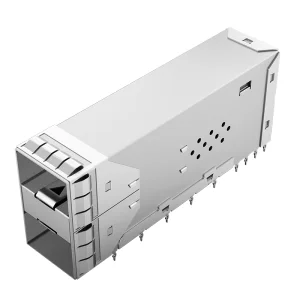
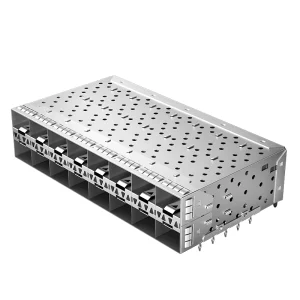
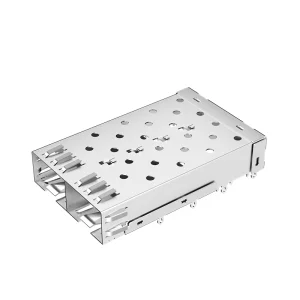
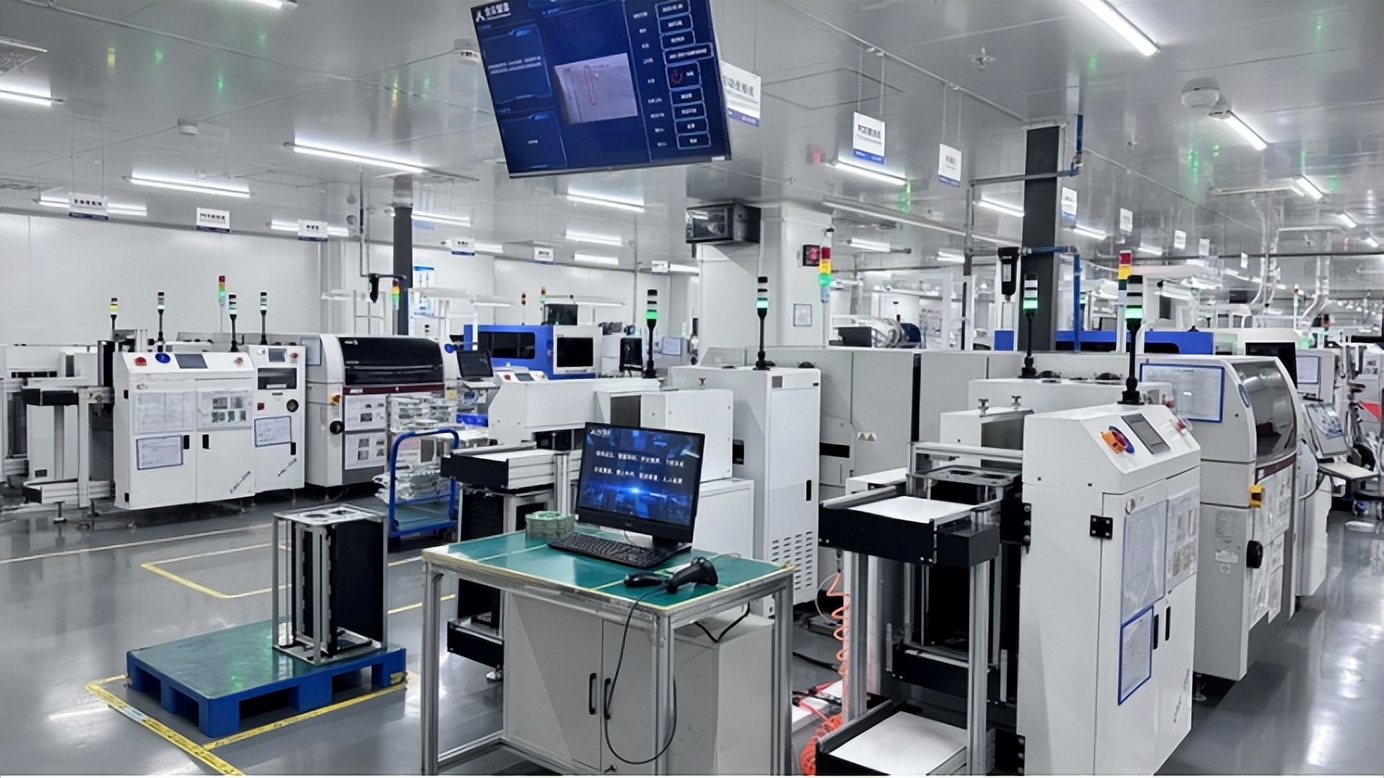
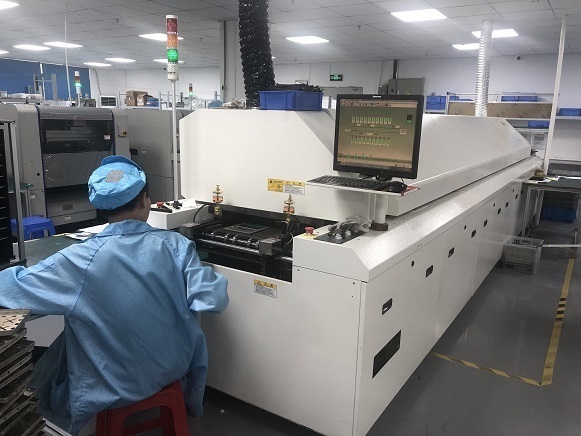
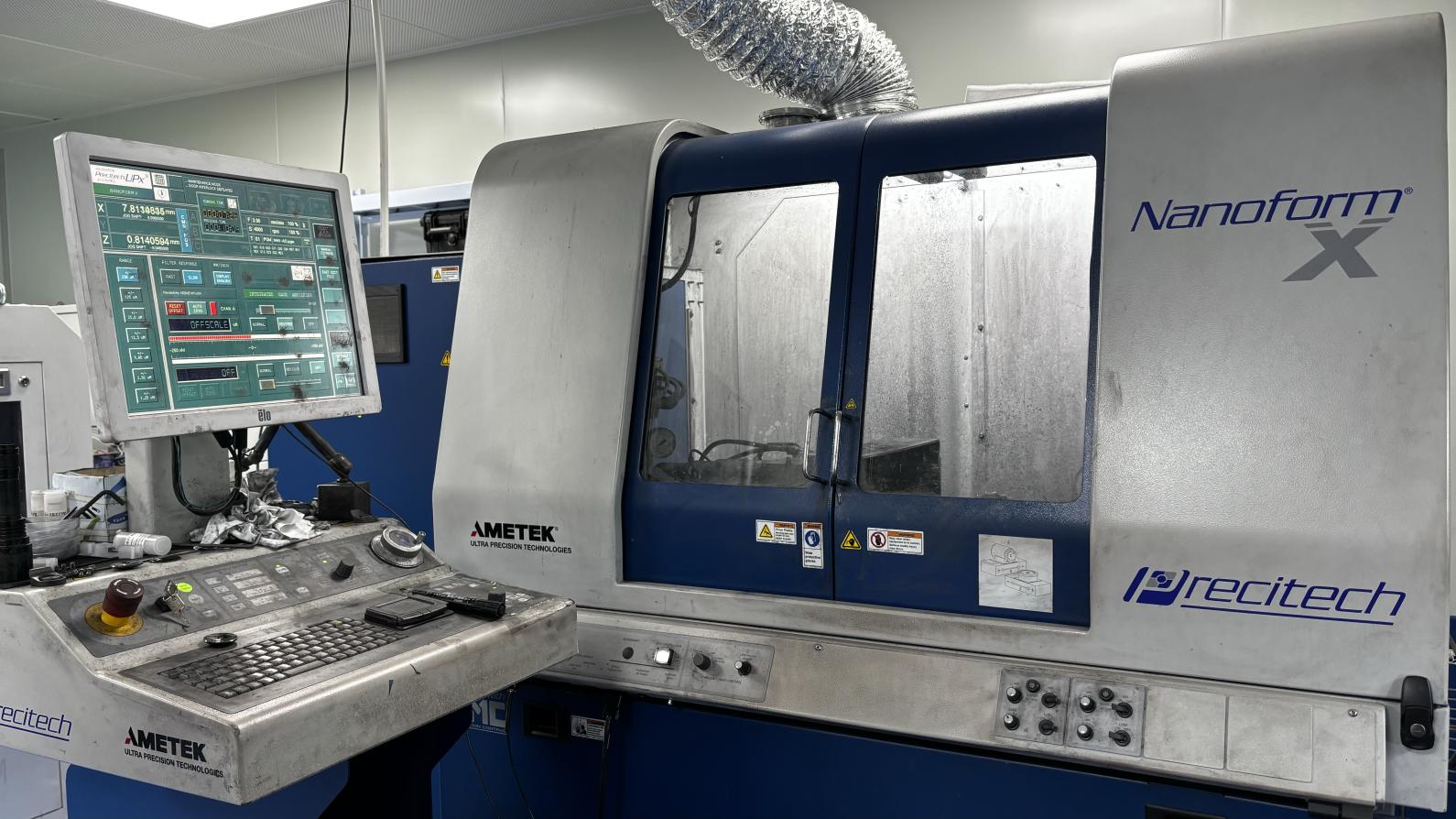
A look into our production lines, quality testing setups, and cleanrooms, where every transceiver and RJ45 module is verified for reliability.



 Transolix