Explore our production-grade optical modules and connectivity solutions built to strict international carrier standards.
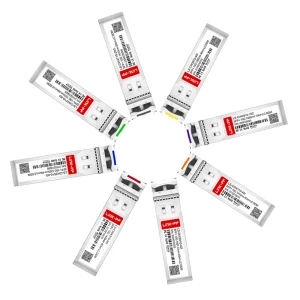
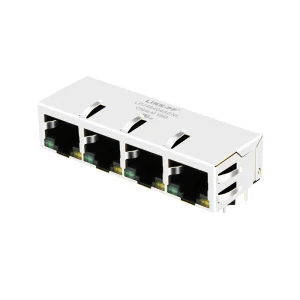
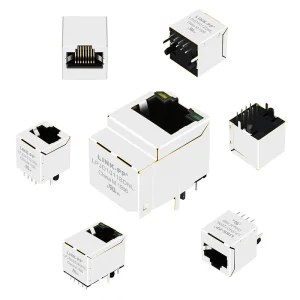
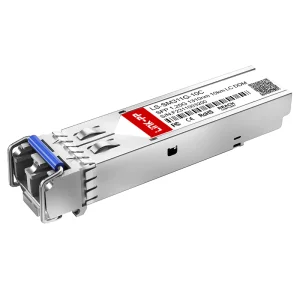
As global digital transformation accelerates, driven by generative AI, edge computing, cloud deployments, and 5G network expansion, the backbone infrastructure demands unprecedented scalability. In any passive optical network (PON) architecture—including GPON, XG-PON, XGS-PON, and the emerging 50G-PON—the Fiber Optic Splitter acts as the vital routing engine. It allows a single PON interface to be shared among multiple end-users, dramatically reducing the structural capital expenditure (CAPEX) of deploying fiber to the home (FTTH), building (FTTB), or node (FTTN).
Modern telecommunication networks require splitters that deliver minimal insertion loss, negligible polarization-dependent loss (PDL), and excellent environmental stability. For global purchasing agents and network architects, sourcing splitters that comply with strict Telcordia GR-1209-CORE and GR-1221-CORE standards is not just a preference; it is a foundational requirement to guarantee network longevity of 25+ years in harsh outdoor environments.
Enterprise buyers must navigate the distinct technical trade-offs between two primary fabrication methodologies: Fused Biconical Taper (FBT) and Planar Lightwave Circuit (PLC) splitters.
The global optical splitter procurement market has shifted toward high-mix, custom-configured solutions. Tier-1 telecommunication companies and hyperscale data center operators no longer purchase off-the-shelf components. Instead, they demand highly specific packaging formats tailored to local cabinet architectures, patch panel requirements, and environmental ratings.
Key customization pathways required by global importers include:
As a premier B2B manufacturer and exporter of optical transceiver modules and fiber routing equipment, Transolix bridges the gap between raw component manufacturing and high-reliability system integration. Founded in 2016, Transolix operates from a specialized 320㎡ facility designed to maximize prototyping agility, firmware coding, and specialized environmental testing.
Our operation is backed by 11 years of deep industry expertise and 6 years of cross-border B2B export experience, generating an annual export revenue of USD 8–15 million. By serving telecom operators, cloud service providers, and data center integrators across North America, Europe, Southeast Asia, and the Middle East, we design systems that integrate seamlessly with active transceiver architectures, including SFP, SFP+, QSFP28, and QSFP-DD form factors.
We support full physical and optical customization, including operating wavelength tuning, custom distance limits, firmware coding, and physical form factor design to match your specific legacy system interfaces.
Supported by a network of 860 certified upstream vendors covering chipsets, laser diodes, planar waveguides, and precision injection moldings, we prevent supply disruptions.
Our dedicated engineering department, comprised of 128 R&D engineers, launched 86 new product designs last year alone, keeping pace with optical communication developments.
An optical splitter is a completely passive component. If it degrades or fails, troubleshooting the exact physical location in an optical distribution network can take hours of downtime, leading to lost customer revenue and high field maintenance costs.
To prevent these incidents, Transolix maintains an inspection system under ISO 9001 and internal reliability standards. Led by 42 dedicated Quality Control professionals, our inspection regimen ensures zero-defect delivery:
As FTTH networks migrate from GPON to higher-speed symmetric 10G PON (XGS-PON) and future-proof 50G PON, splitters must adapt to co-existence architectures. Co-existence elements require splitters to operate cleanly across multiple wavelength windows without introducing out-of-band noise or signal crosstalk.
The future of optical splitting lies in Wavelength-Selective Routing (WDM-PON). Unlike traditional splitters that broadcast the same downstream signal to every port, future systems will incorporate thin-film filters directly on the PLC chip. This enables wavelength filtering at the distribution point, delivering dedicated bandwidth to specific subscribers and reducing security vulnerabilities associated with shared-medium networks.
A visual walkthrough of our high-standard manufacturing assembly lines, chip bonding processes, and warehouse operations.
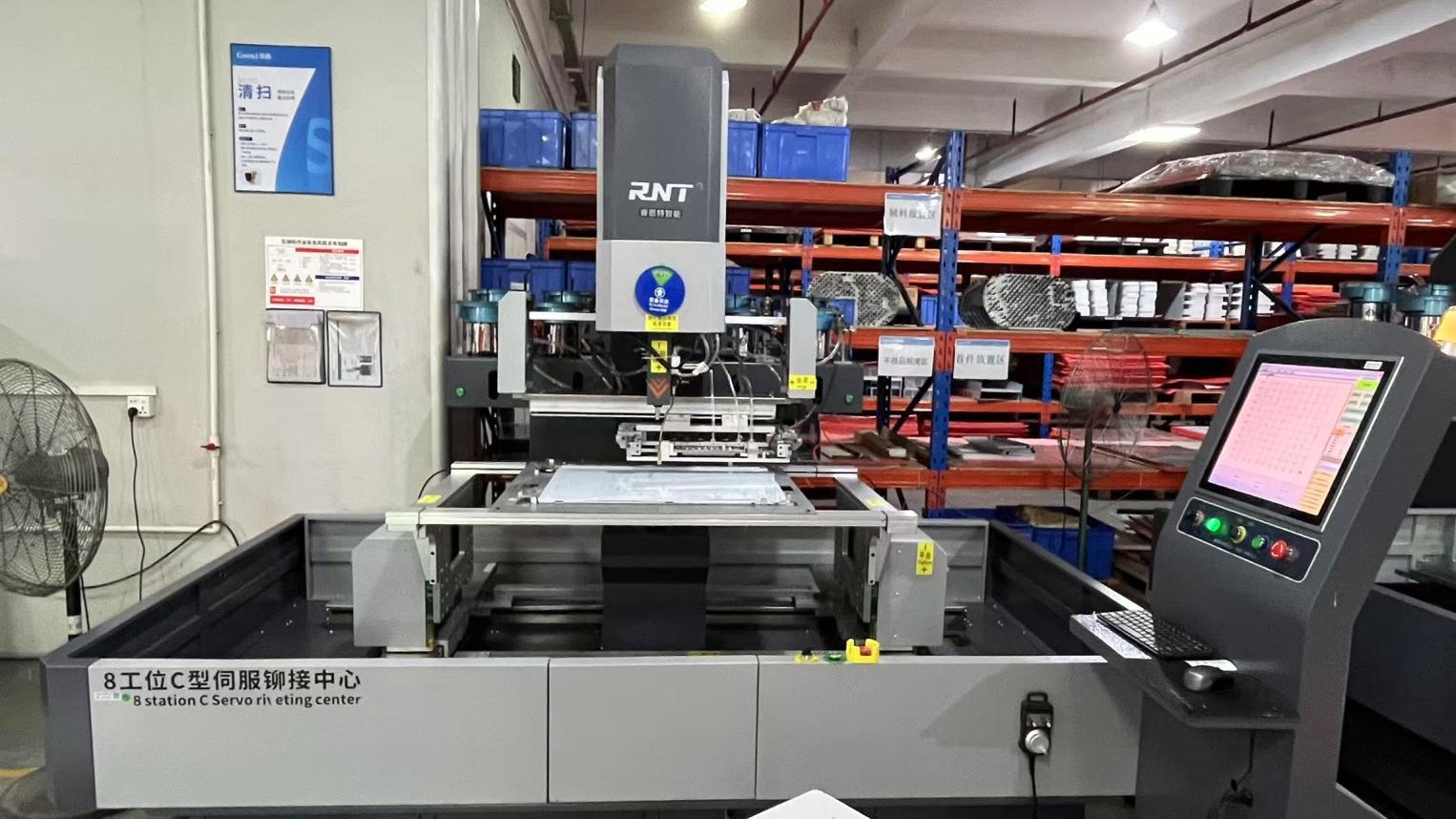


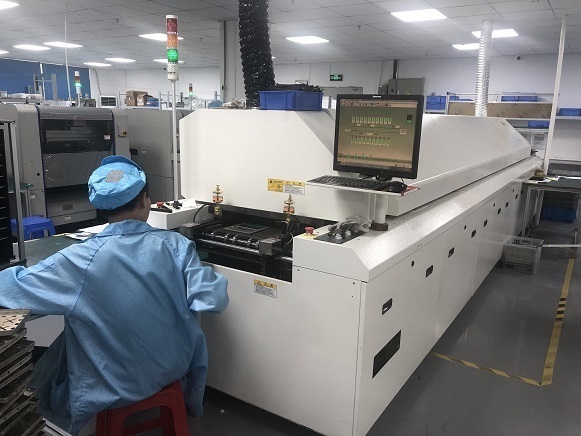

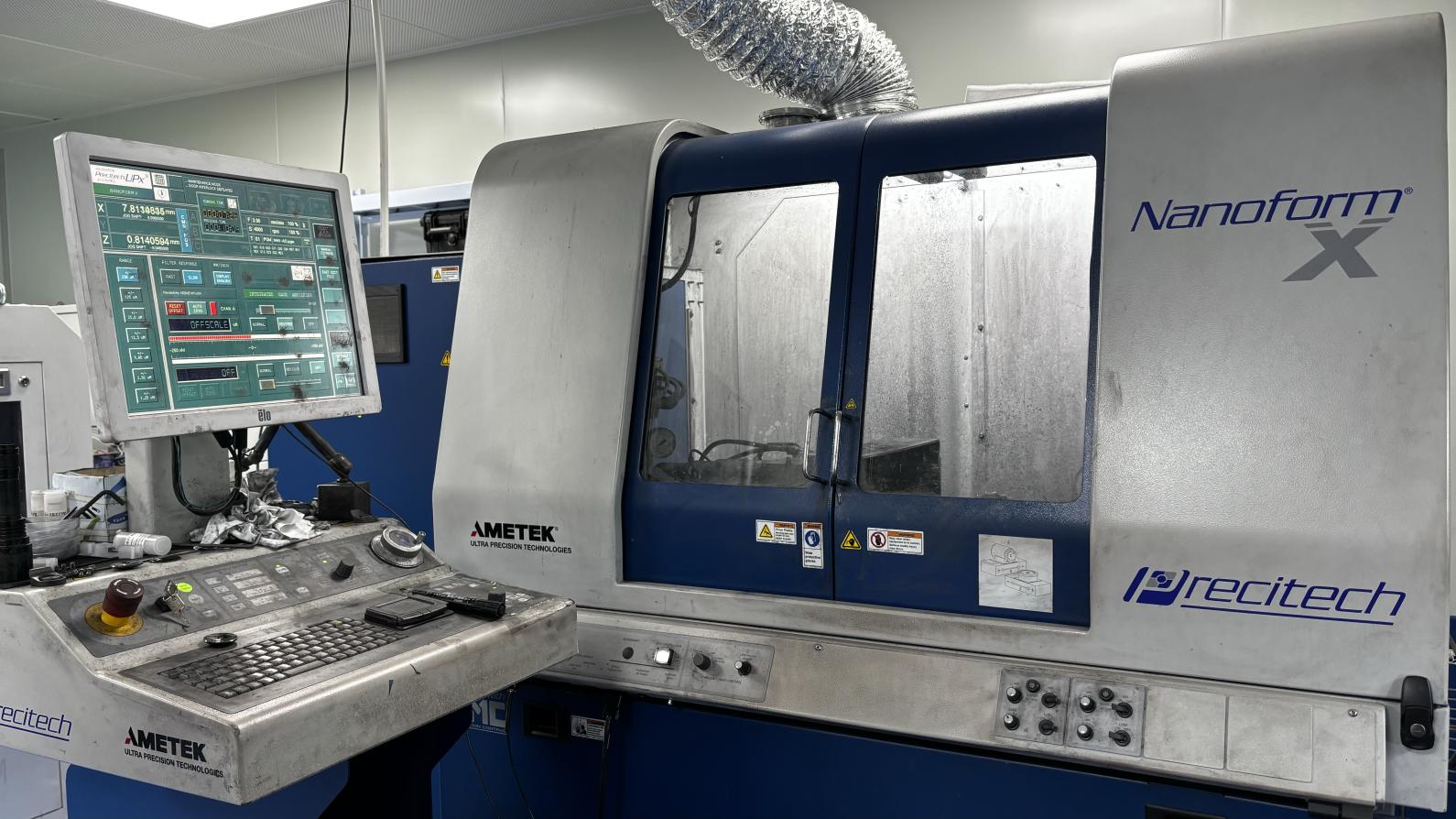
Frequently asked questions answered by Transolix's Senior Director of Engineering and Quality Assurance.
For standard 1x16 Planar Lightwave Circuit (PLC) splitters, the typical insertion loss ranges between 13.5 dB and 13.8 dB, with a maximum limit of 14.2 dB. Standard-compliant splitters limit loss variations to prevent uneven performance across downstream fiber terminations.
For active transceivers, we write brand-specific EEPROM firmware in our testing lab to ensure compatibility with CISCO, Juniper, HPE, Huawei, and other platforms. For passive splitters, we utilize standard ferrule tolerances and connector components that match any standard patching hardware.
PDL measures the insertion loss variation of a component as the input light's polarization state changes. If a splitter has high PDL (above 0.3 dB), it can cause signal fluctuations at the customer ONT as the fiber bends or experiences temperature shifts. Minimizing PDL is essential to maintain link stability.
Yes. All materials—from the LSZH polymer jacket to the internal epoxy components—are fully compliant with RoHS and REACH regulations. Certification documents are available with every export consignment.
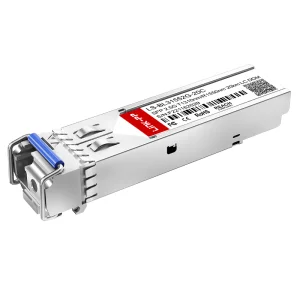
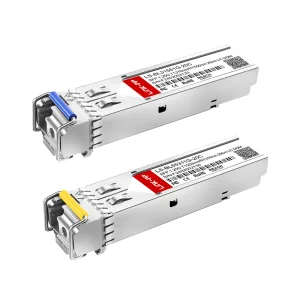
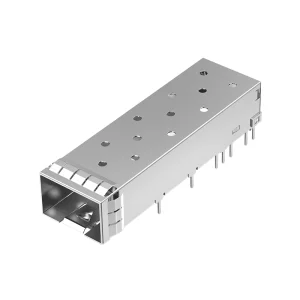
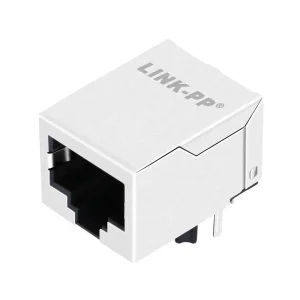
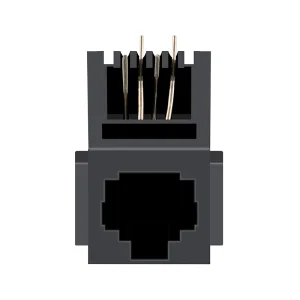
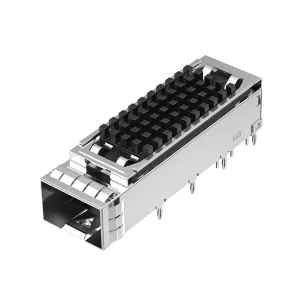
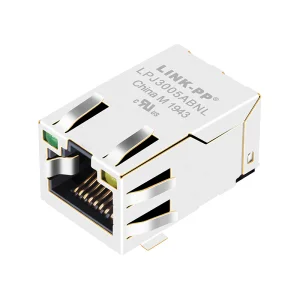
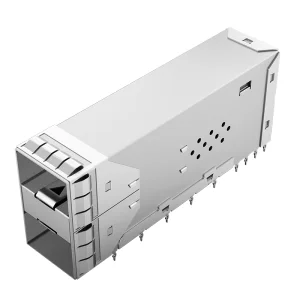
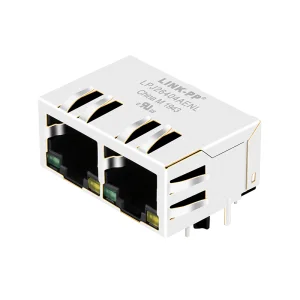
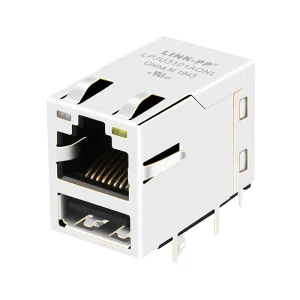
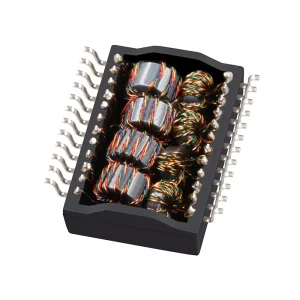
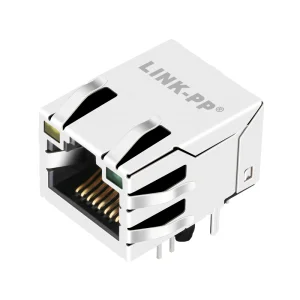
Complement your passive fiber splitters with industrial interconnects, SFP cages, and shielded modular jacks.
 Transolix