Engineered for signal integrity, optical precision, and structural reliability
A premier global manufacturing partner specializing in cross-border B2B connectivity
Transolix is a professional optical transceiver manufacturer specializing in high-performance fiber optic communication solutions for global data centers, telecom operators, and enterprise networks. With strong engineering capabilities and scalable production capacity, Transolix is committed to delivering reliable, high-speed, and cost-effective optical connectivity products worldwide.
Operating under ISO 9001 and stringent internal reliability guidelines. Our inspection process includes automated optical testing, eye diagram analysis, aging tests, and 100% final performance verification. Supported by 42 dedicated quality control staff members to guarantee zero-defect shipments.
We work with 860 certified upstream partners ensuring access to premium chipsets, high-grade optics, and robust packaging materials. Serving major telecommunication operators, cloud service providers, and data center integrators across North America, Europe, Southeast Asia, and the Middle East.
Whitepaper on optimizing data transmission, signal distribution, and high-density networking layouts
In modern hyperscale data centers, the distinction between active networking hardware and passive structured cabling is rapidly blurring. A patch panel serves as the central neural pathway, facilitating orderly cable termination, management, and physical-layer configuration. However, the integrity of the data stream is fundamentally determined by the active optical modules and connectors that interface with these patch systems.
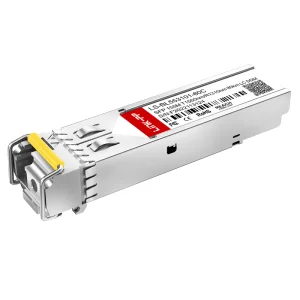
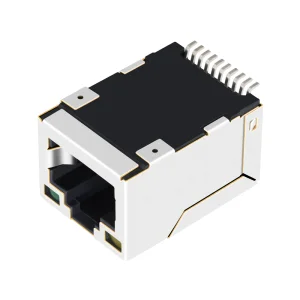
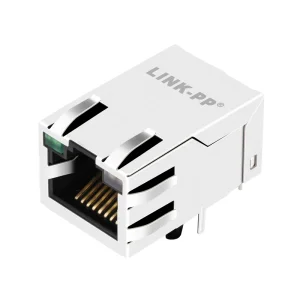
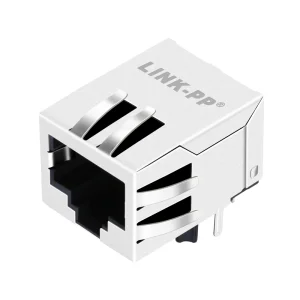
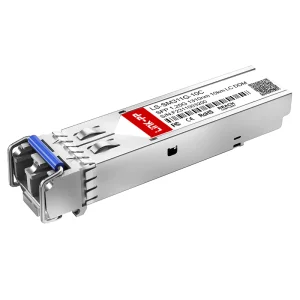
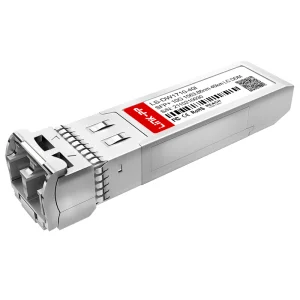
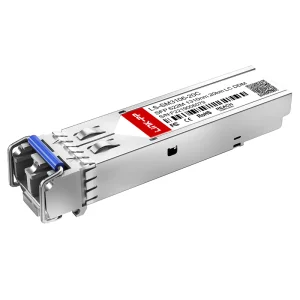
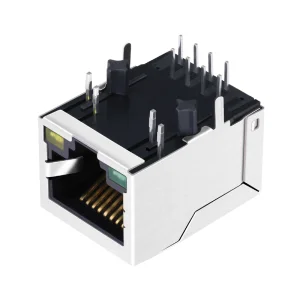
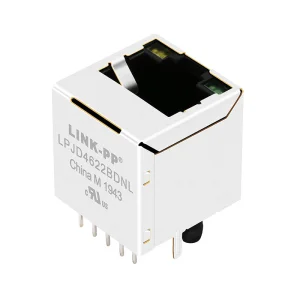
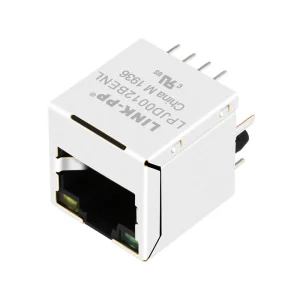
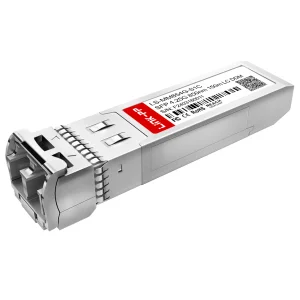
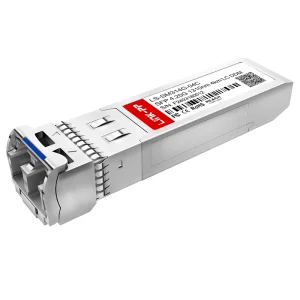
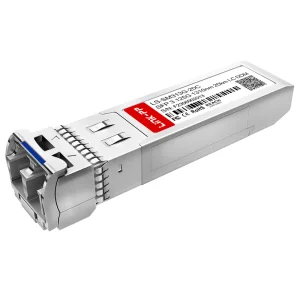
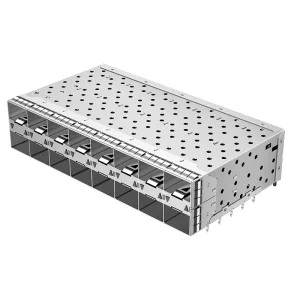
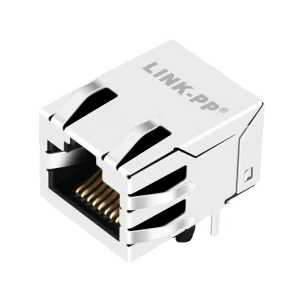
As transmission rates scale from 10G and 100G up to 400G, 800G, and future 1.6T systems, insertion loss and return loss specifications become extremely narrow. High-density fiber patch panels must accommodate complex multi-fiber push-on (MPO/MTP) connectors alongside standard LC duplex adapters, matching the electrical-to-optical conversion capabilities of modules like QSFP28, QSFP-DD, and SFP+ transceivers. Transolix specializes in engineering these critical cross-point components—including shielded RJ45 jacks, SFP cages, and optical transceivers—ensuring that insertion loss remains under 0.2dB and return loss exceeds 55dB across all fiber routing configurations.
The industry's shift toward CPO requires patching frames to transition from standard optical distribution frames (ODF) to ultra-high-density patch solutions. Managing tens of thousands of optical fibers in a single server rack requires precision-engineered connector housings that prevent micro-bending and attenuation, coupled with robust electromagnetic interference (EMI) shielding.
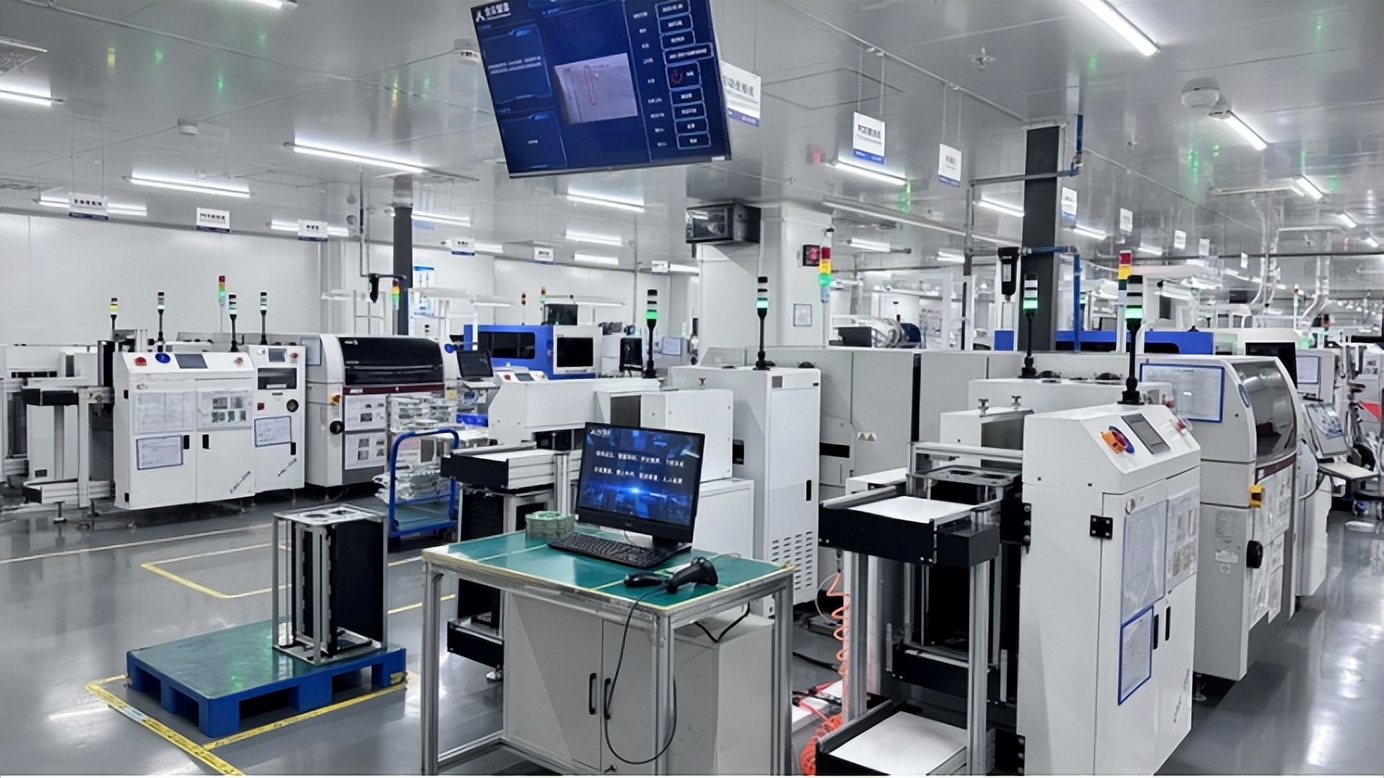
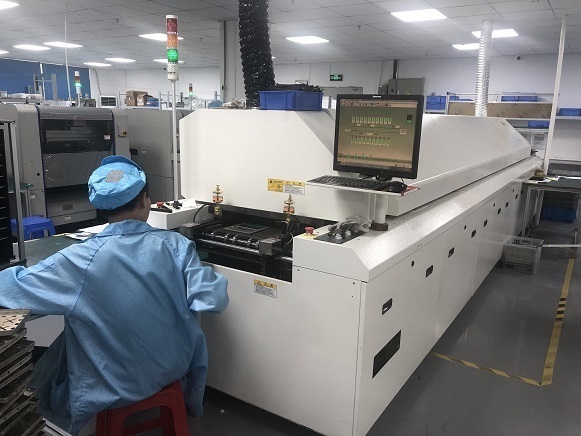
Operating a building area of 320㎡ dedicated to advanced quality monitoring and holding key partnerships with over 860 certified upstream providers, Transolix utilizes the principles of Factory 4.0 to drive manufacturing consistency and cost-efficiency. Our facility utilizes automated optical testing (AOT) and automated robotic assembly for modular jacks and SFP cages, removing manual inconsistencies from high-frequency signal pins.
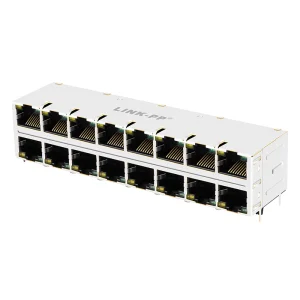
Our supply chain robustness is achieved by maintaining deep integration with certified silicon foundry operators, precision stamping factories, and plastic injection molding partners in China's primary tech clusters. By standardizing component dimensions, we bypass standard supply chain disruptions, assuring steady production of custom configurations, from tab-up magnetic RJ45 connectors with integrated LEDs to multi-port SFP+ cages. With 6 years of dedicated export experience, we align our logistics pipelines with global customs protocols, ensuring quick transit times for global projects.
Different network typologies require distinct cable management and optical signaling configurations:
Global procurement requires strict compliance with international testing and environmental regulations. Transolix ensures that all physical layer products, including RJ45 connectors, PCB jacks, and SFP cages, adhere to global regulatory standards:
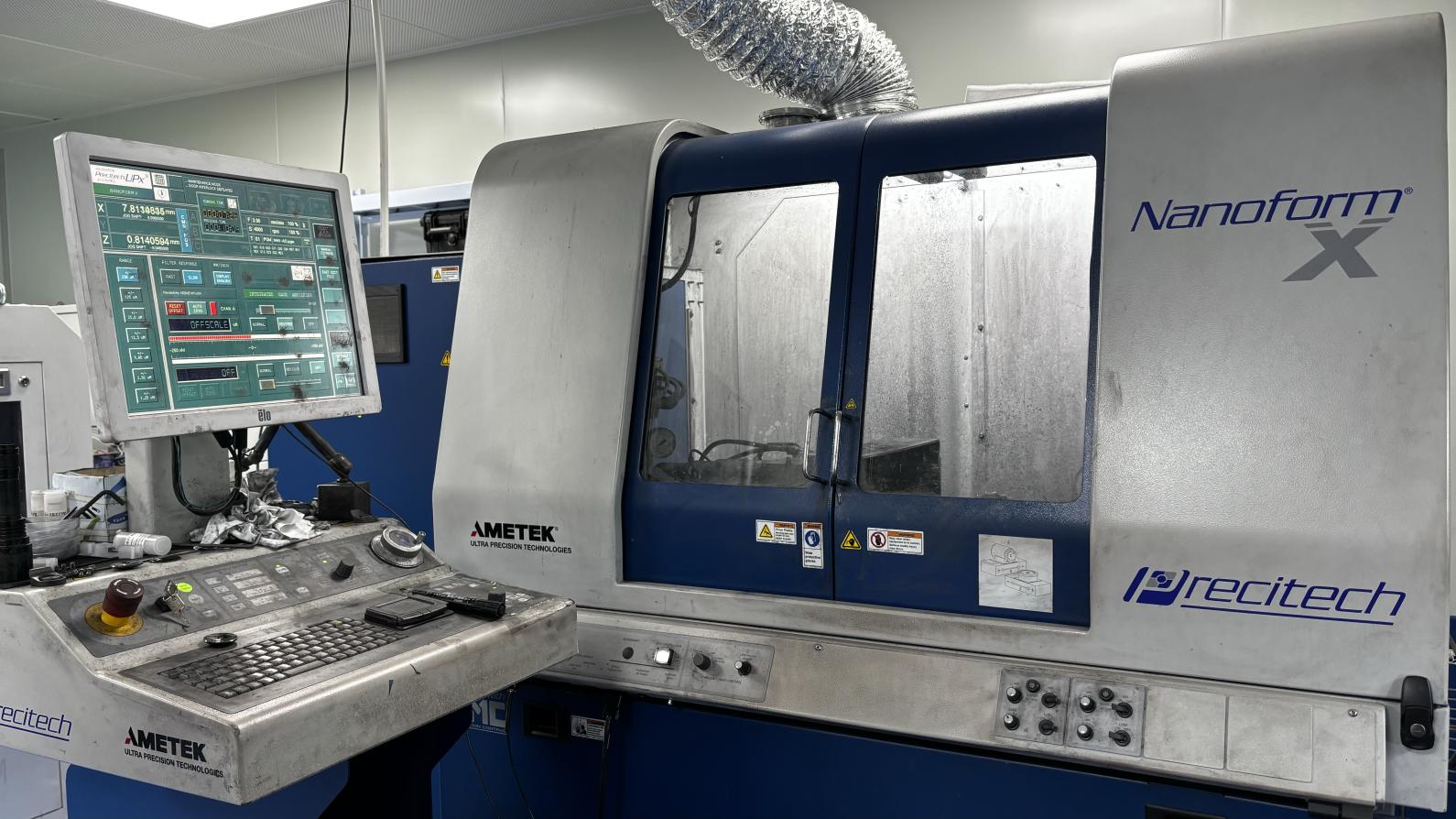
Insight into our automated optical testing, structural validation, and production assembly



Expert technical insights regarding our products, manufacturing standards, and customizations
Integrated multi-port connectors, shielded cages, and long-range transceivers
 Transolix