In the rapidly evolving world of data transfer technology, the QSFP28 transceiver stands out as a crucial component. "The right transceiver can make all the difference in performance," says Dr. Emily Johnson, a leading expert in high-speed networking solutions. Her insights emphasize the importance of selecting an optimal QSFP28 transceiver for any organization aiming to enhance data speed and efficiency.
High-speed data transfer demands reliability, and the QSFP28 transceiver meets this need. With capabilities of up to 100 Gbps, it supports modern data centers and cloud services. However, not all QSFP28 transceivers are created equal. Factors, such as compatibility and quality, play significant roles in their performance. Organizations must choose wisely, as a poor choice can lead to increased latency and data loss.
Many professionals often overlook the significance of these devices. While some assume that all transceivers will perform similarly, this misconception can be detrimental. The industry is rapidly advancing, and staying updated is essential. Failure to do so can hinder growth. Thus, exploring the best QSFP28 transceivers is not merely an option but a necessity for success in today's digital landscape.
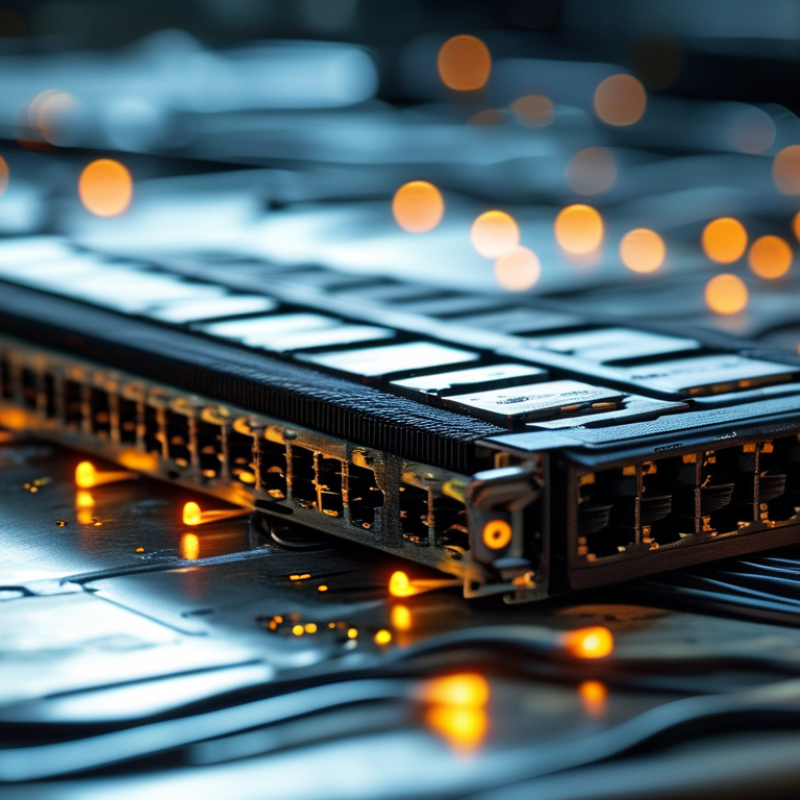
Overview of QSFP28 Transceivers and Their Importance
QSFP28 transceivers play a vital role in modern data centers. They are designed for high-speed data transfer, supporting 100Gbps Ethernet and InfiniBand applications. The compact form factor allows for efficient space usage while maintaining high performance. With the increasing demand for bandwidth, these transceivers bridge the gap between networking equipment and data transmission.
In the realm of high-speed connections, QSFP28 transceivers are indispensable. They ensure reliable data transfer, which is crucial in cloud computing and big data analysis. Their ability to support multiple wavelengths enhances data capacity over existing infrastructure. However, not all transceivers are created equal. Factors such as temperature tolerance and compatibility with network gear vary. It’s important to assess these aspects to avoid potential data loss or downtime.
Many users may overlook the need for quality assessment in their transceiver choices. Some opt for lower-cost options, thinking it suffices. Yet, this can lead to inefficiencies and higher long-term costs. Understanding the importance of selecting the right QSFP28 transceivers is essential for maintaining a robust network. Evaluating specifications and ensuring compatibility can go a long way. This often requires a more in-depth analysis than users initially anticipate.
Best QSFP28 Transceiver for High Speed Data Transfer
| Model |
Data Rate (Gbps) |
Distance (m) |
Connector Type |
Wavelength (nm) |
Power Consumption (W) |
| Model A |
100 |
100 |
MPO |
850 |
3.5 |
| Model B |
100 |
400 |
MPO |
1310 |
4.0 |
| Model C |
100 |
70 |
LC |
1550 |
5.5 |
| Model D |
200 |
100 |
MPO |
850 |
4.0 |
Key Specifications to Consider When Choosing a QSFP28 Transceiver
When selecting a QSFP28 transceiver, multiple specifications must be considered. The data transfer rate is pivotal. A typical QSFP28 supports data rates of 25 Gbps per channel, translating to a total capacity of 100 Gbps. This feature is vital for applications like data centers and cloud computing, where speed is crucial. According to a report by Dell'Oro Group, the demand for such high-speed transceivers has soared, increasing market value significantly over the past few years.
Another key specification is the optical interface type. Common options include MPL and LC duplex connectors. The choice heavily impacts compatibility with existing infrastructure. Furthermore, the reach of the transceiver varies; options typically range from 100 meters using active optical cables to over 10 kilometers for single-mode fiber. These differences dictate the deployment strategy across various networking environments.
Additionally, power consumption cannot be overlooked. QSFP28 transceivers typically consume around 3.5 Watts but can vary depending on the specific model and use case. Effective thermal management is necessary to maintain performance and reliability. Industry reports indicate that inefficiencies can lead to significant downtime. Thus, understanding these key specifications is imperative when selecting the right QSFP28 transceiver.
Top Brands and Models of QSFP28 Transceivers for Data Transfer
The QSFP28 transceiver has become a vital component for achieving high-speed data transfers in modern networking environments. Industry reports indicate that the global demand for QSFP28 technology has risen by over 30% in the past year alone. This surge is attributed to the growth of cloud computing and big data, where rapid data transmission is crucial. Top brands in the market are focusing on delivering improved reliability and performance metrics, catering to these high-capacity demands.
When selecting QSFP28 transceivers, it's essential to consider various specifications such as data rates, distances, and compatibility. According to several industry studies, choosing the right model can enhance network performance by up to 66%. Some popular models boast features like low latency and built-in error correction, ensuring seamless data flow. However, potential buyers should remain cautious. Not all products in the market are tested under rigorous conditions. Relying on user reviews and third-party certifications can provide better assurance.
Certain brands are praised for their durability, while others face criticism for inconsistent performance. It's a reminder that conducting thorough research is critical. Understanding specifications and real-world performance data can help mitigate risks in procurement. As demands increase, staying informed about the latest advancements can drive better infrastructure decisions. This will help organizations to adapt swiftly and efficiently to the ever-evolving digital landscape.
Comparative Analysis: QSFP28 vs. Other High-Speed Transceivers
The QSFP28 transceiver has gained attention for its impressive data transfer capabilities. It supports 100 Gbps data rates over short distances. Many organizations face choices between QSFP28 and other high-speed options like SFP28 or CFP2. However, a 2023 report by the Ethernet Alliance indicates that QSFP28 provides better power efficiency and flexibility for data centers.
In direct comparisons, QSFP28 uses four 25 Gbps channels. This design allows for improved bandwidth management, making it suitable for dense networking environments. According to a study from the International Data Corporation, adoption of QSFP28 increased by 35% last year, largely due to its lower cost-per-gigabit ratio. Yet, it’s worth noting that in some scenarios, alternatives like SFP28, which are simpler, are preferred for their ease of integration.
Reliability is another critical factor. While QSFP28 shows lower latency and higher throughput, issues with heat generation can arise. The Optical Internetworking Forum reports that thermal management is a common concern with multi-channel transceivers. Engineers must weigh these factors carefully when planning network upgrades. Balancing these dynamics can be challenging, as the best choice often depends on specific network architectures and requirements.
Comparison of QSFP28 and Other High-Speed Transceivers
Applications and Use Cases for QSFP28 Transceivers in Modern Networks
QSFP28 transceivers play a crucial role in modern networking. Their ability to facilitate high-speed data transfer is increasingly important. They are commonly used in data centers, enterprise networks, and telecom applications. In environments where speed and reliability matter, QSFP28 offers a solution that meets these needs effectively.
In data centers, these transceivers enable quick communication between servers and switches. They support 100G Ethernet connections, essential for managing large volumes of data. Telecom providers utilize QSFP28 for high-capacity links. This usage supports backbone networks that demand rapid data transmission.
However, integrating QSFP28 into existing infrastructure can present challenges. Users must consider compatibility with other equipment. There's a learning curve associated with installation and configuration. Not every organization may grasp this technology quickly. This can lead to potential misconfigurations or run-time issues, prompting further reflection on training and resources. Careful planning is essential for maximizing the benefits of QSFP28 transceivers.
FAQS
: They facilitate high-speed data transfer, supporting 100Gbps Ethernet and InfiniBand applications in modern networks.
They enable reliable communication between servers and switches, essential for managing large volumes of data efficiently.
They can boost performance by up to 66% when the right model is chosen, including specs for distance and compatibility.
Evaluate specifications, compatibility, and performance data to prevent potential inefficiencies and long-term costs.
No, quality varies. Some models face issues, which highlights the need for careful research before purchasing.
Users may face compatibility issues and require training, which can result in misconfigurations if not properly planned.
Relying on user reviews and certified products can offer better assurance of durability and performance in the long run.
Yes, adequate training can prevent run-time issues and optimize the benefits, given the technology's complexity.
Conclusion
The QSFP28 transceiver is a critical component for high-speed data transfer in modern networking environments. These transceivers support data rates up to 100 Gbps and are essential for meeting the growing demand for bandwidth. When selecting a QSFP28 transceiver, it is crucial to consider key specifications such as reach, power consumption, and compatibility with existing infrastructure.
Various brands offer a range of QSFP28 transceiver models tailored for specific applications, from data centers to enterprise networks. A comparative analysis highlights the advantages of QSFP28 over other high-speed transceivers, showcasing its efficiency and reliability in diverse use cases. Overall, the QSFP28 transceiver plays a pivotal role in enhancing network performance and supporting the increasing data transfer demands of contemporary digital communication.

 Transolix