Explore our high-performance optical interface assemblies, modules, and multi-port connectors designed for telecom networks, cloud architecture, and rugged environments.
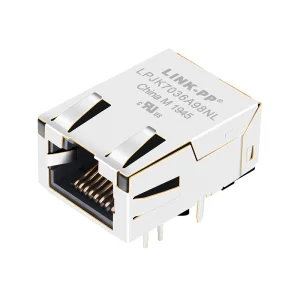
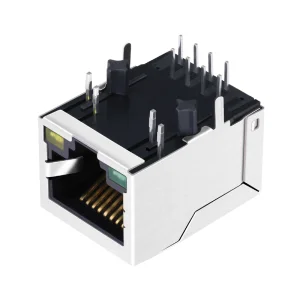
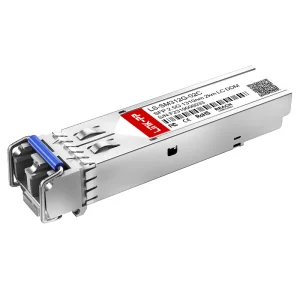
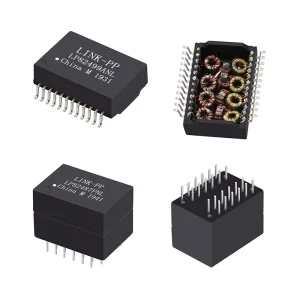
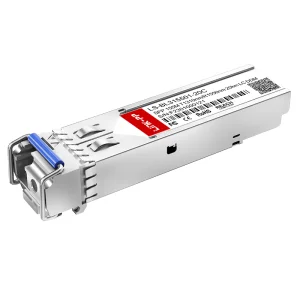
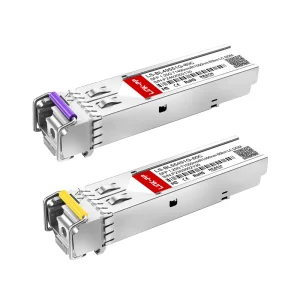
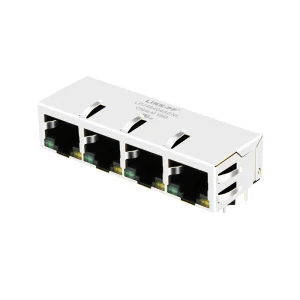
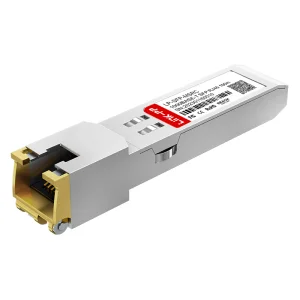
In modern optical communication networks, data transmission rates have expanded exponentially from 1G to 800G and beyond. As signal frequencies scale, electromagnetic interference (EMI) and thermal loading present massive engineering challenges. The SFP (Small Form-factor Pluggable) cage is not simply a piece of stamped metal sheet; it is the fundamental shielding perimeter and physical interface that houses high-frequency electro-optical modules.
An effectively manufactured SFP cage ensures compliance with rigorous Multi-Source Agreements (MSAs). Crucially, these cages prevent electromagnetic radiation from leaking into adjacent slots, which could corrupt high-speed differential signal pathways. The selection of materials, contact points, surface platings, and mounting styles directly controls system return loss, insertion loss, and thermal dissipation paths.
By designing the geometry to include elastomeric gaskets or precision-designed metal spring fingers, quality SFP cage manufacturers establish continuous electrical grounding to the system chassis. Transolix has pioneered this field, bridging precision stamping with state-of-the-art signal integrity optimization for high-density network layouts.
A breakdown of SFP cage architecture, highlighting standard physical properties, mounting variants, and multi-platform mechanical parameters.
| Feature Parameter | Press-fit (Compliant Pin) Type | SMT (Surface Mount Tech) Type | Through-Hole Solder Type | |
|---|---|---|---|---|
| Target Application | High-density Switches & Routers | Edge devices, IO Boards | Legacy telecom systems | |
| Primary Material | Phosphor Bronze (C5191 / C5210) | Brass / Copper Alloy | Nickel Silver / Stainless Steel | |
| Plating Configuration | Nickel barrier with Matte Tin finish | Gold plating over Nickel at mating contacts | Tin plating over Nickel substrate | |
| EMI Grounding | Elastomeric Gasket or Metal Spring Fingers | Integrated Spring Tabs | Direct chassis flange engagement | |
| Mechanical Retention | Friction fit through compliant board pins | Surface solder pads with positioning pegs | Through-hole pins soldered directly |
Selecting the correct SFP cage architecture requires analysis of the transceiver's structural load, thermal profile, and target assembly method. For instance, **Press-fit mounting** is optimal for dual-sided boards (belly-to-belly mounting configuration) because it eliminates the thermal stresses of repeated wave or reflow soldering steps. Conversely, **SMT designs** excel in space-constrained applications where the backside of the PCB must remain free for active components or micro-vias.
A B2B global manufacturer delivering robust fiber-optic infrastructure solutions and precision-engineered connection elements.
Operating with a high-value engineering headquarters of 320㎡, Transolix focuses on continuous innovation in optical interconnect technology. We utilize our 11 years of industry experience and 6 years of international B2B export background to supply systems to operators worldwide.
With 128 dedicated R&D engineers, we released 86 new models last year alone. We specialize in tailoring wavelength, form factor, distance, protocol compatibility, and firmware settings. Our capabilities cover a complete range of SFP, SFP+, QSFP28, and QSFP-DD solutions.
Our Quality Control system is staffed by 42 dedicated quality assurance professionals. We utilize automated optical testing, eye diagram analysis, aging tests, and 100% final performance verification under ISO 9001 and strict internal reliability standards.
Transolix serves major economic zones across North America, Europe, Southeast Asia, and the Middle East. Through a secure supply chain with 860 certified upstream providers, we ensure direct compatibility, timely component sourcing, and compliance with local industrial directives.
Enterprise networking components must survive diverse environment constraints. High-density telecommunications towers are subjected to cyclical extreme temperatures, humidity, and atmospheric dust. Consequently, SFP cages must feature robust alloy formulations that resist stress relaxation under thermal loads.
Transolix manages B2B commercial risks for telecom operators, cloud providers, integrators, and OEM/ODM partners. By collaborating with verified suppliers of raw copper, gold platings, and specialized tooling, we maintain stable production run-rates even during global supply chain disruptions.
Our validation cycle covers structural load analysis, simulation of mating and unmating profiles (up to 250 mating cycles without physical degrade), and detailed plating testing. This prevents high-resistance oxidation layer build-up, ensuring system uptime for mission-critical industrial architectures.
How the physical housing adapts as next-generation data centers shift toward faster optical structures.
Traditional SFP cages relied on simple passive air circulation. For transceivers consuming 15W to 25W of power (such as Coherent DWDM modules), modern cage assemblies feature integrated heat sinks, rider heat sinks, and thermal interface materials (TIM) that interface directly with the module body.
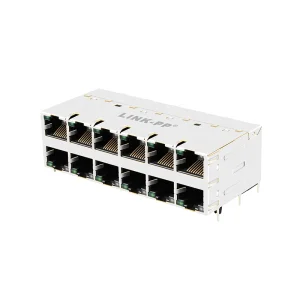
Maximizing faceplate density requires multi-port ganged configurations (e.g., 1x4, 1x6) or stacked cage setups (2x4, 2x6, 2x8). Designing these structures demands high-precision tooling to control the coplanarity of pins and ensure all ports mate correctly.
As speeds approach 1.6T and beyond, the physical distance between the switch ASIC and optical module must shrink. SFP cage engineering is adapting to support board-edge routing, custom shielding enclosures, and direct-attach fiber integration within the system chassis.
Deep-dive responses to structural, electrical, and commercial queries for B2B procurement and network engineers.
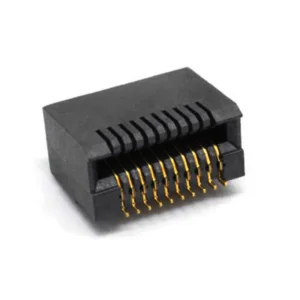
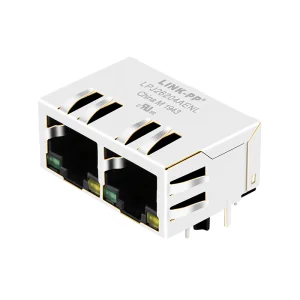
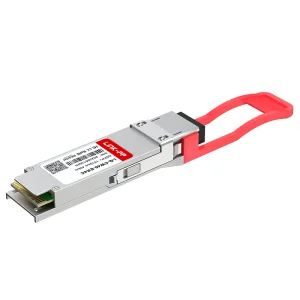
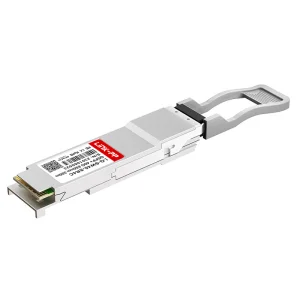
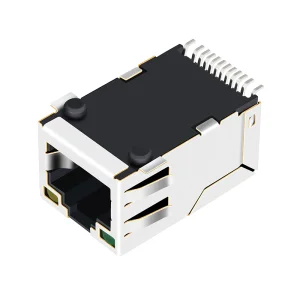
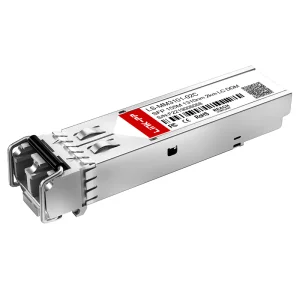
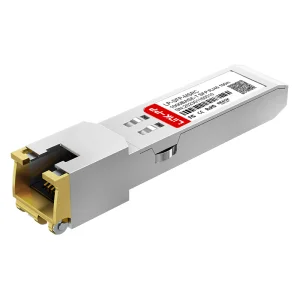
A continuous portfolio of copper SFP components, high-speed optical transceivers, and multi-port stacked modular connectors.
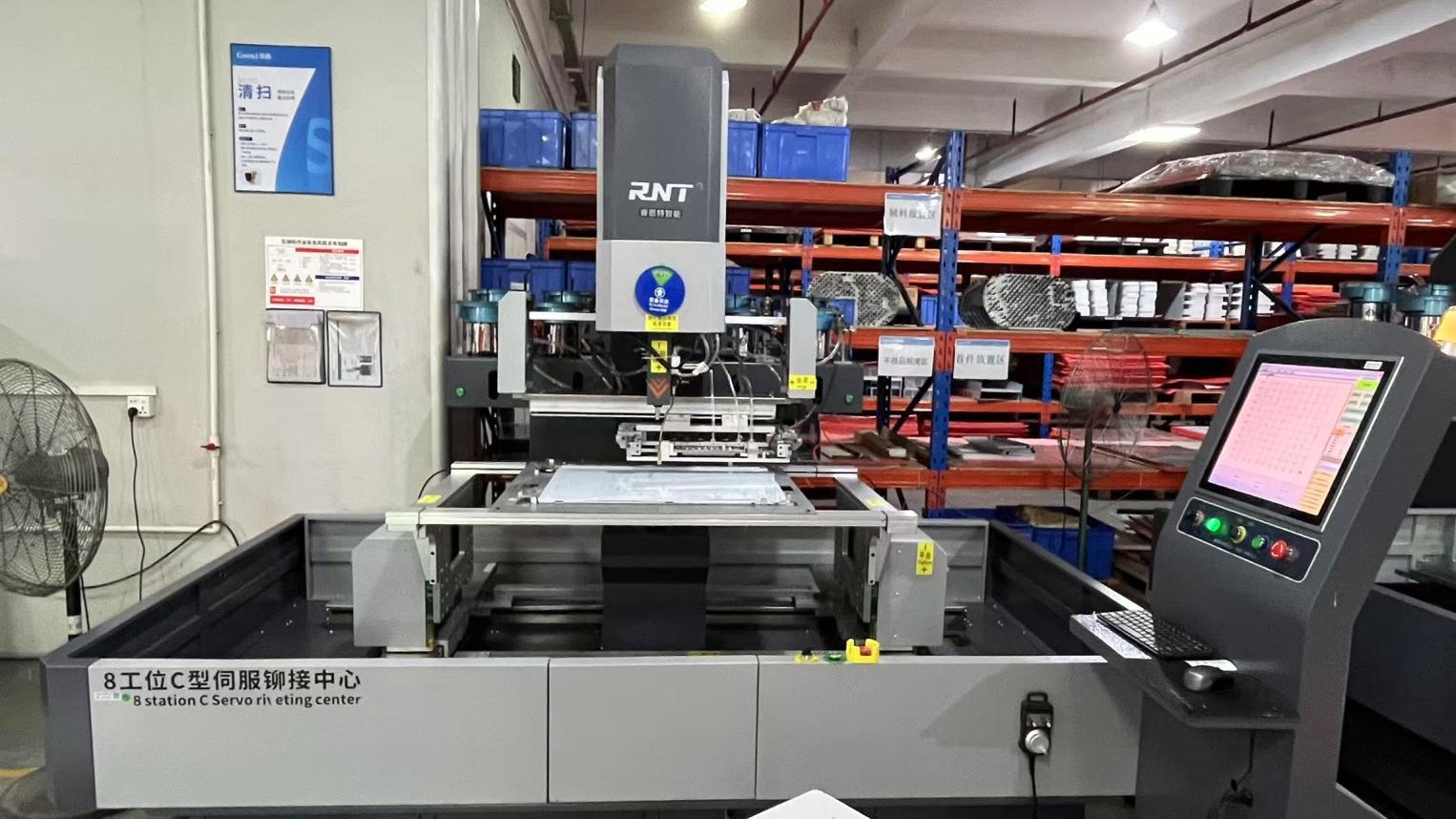
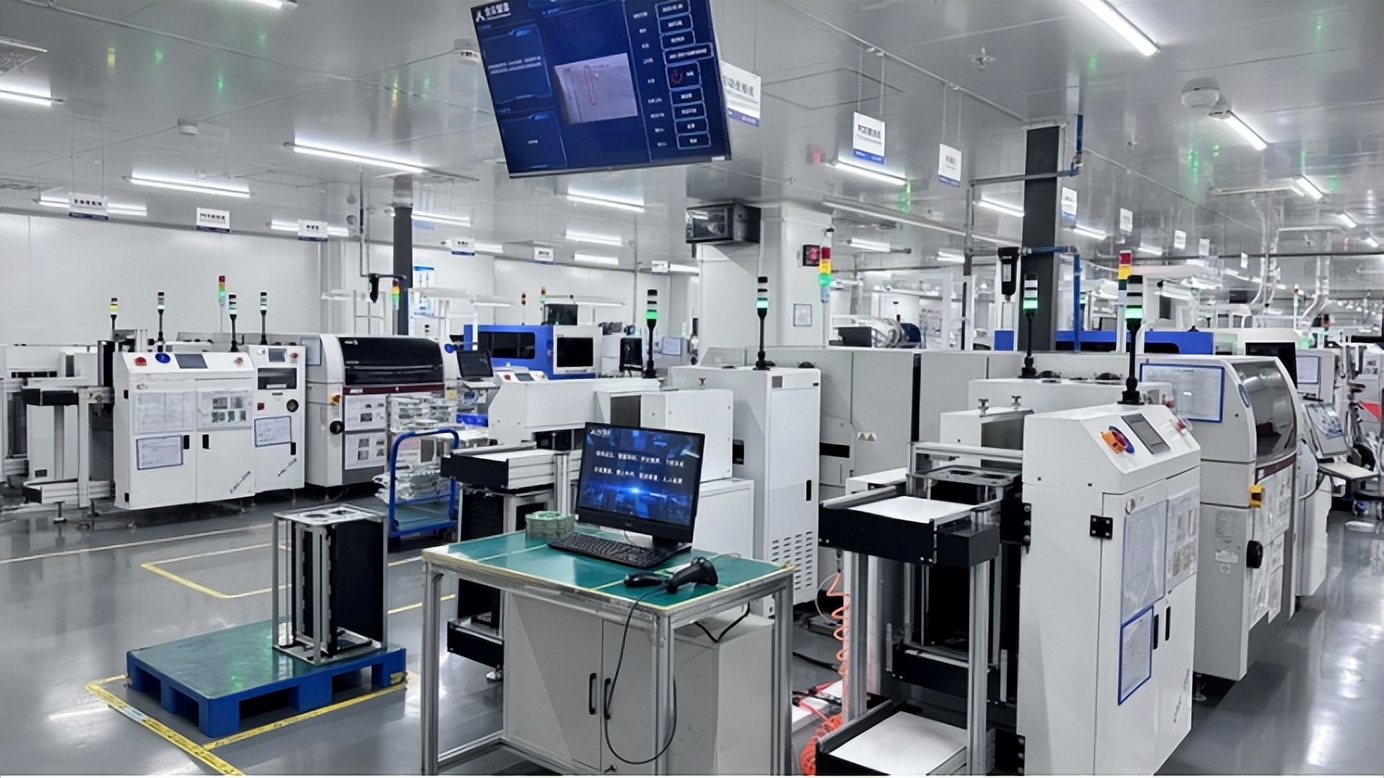
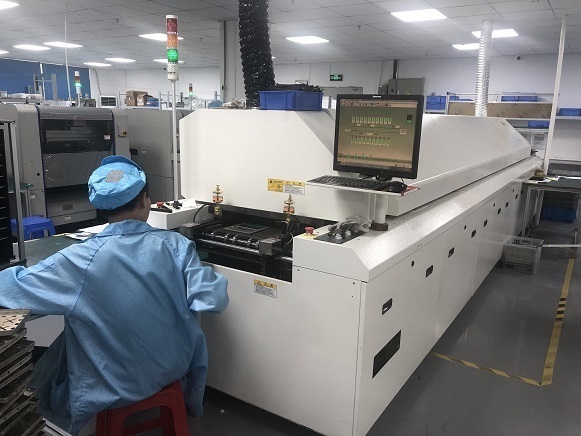
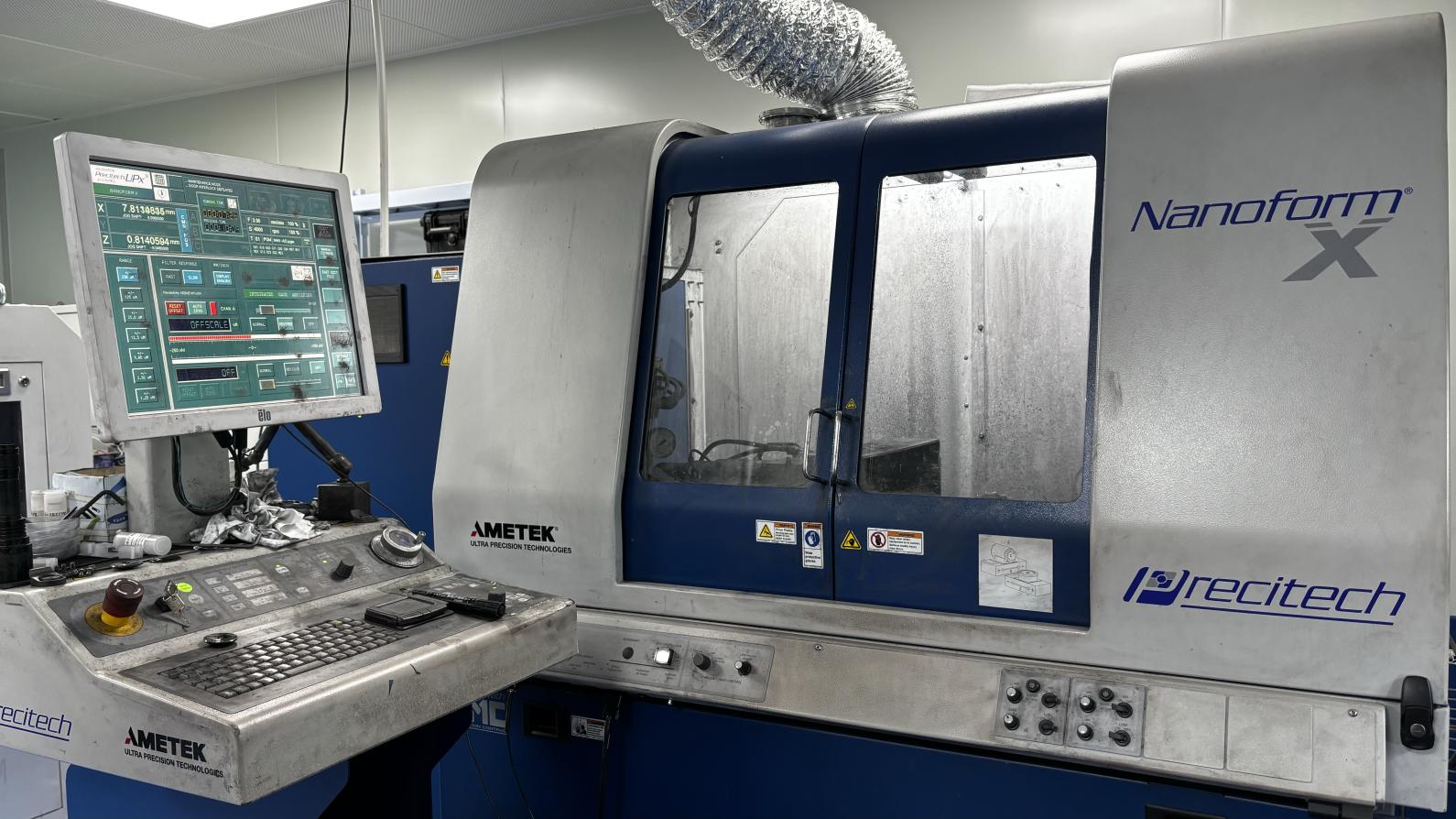
Visual verification of our manufacturing operations, shipping lines, and component processing facilities.


 Transolix