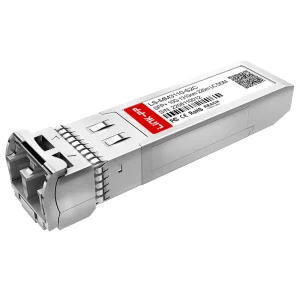
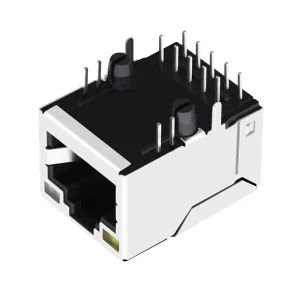
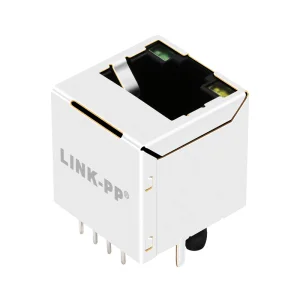
Precision engineered transceivers, integrated cages, and low-latency modular interfaces compliant with leading MSA multisource agreements.
Analyzing market capitalization, high-density transceiver trends, and hyperscale framework deployments.
Hyperscale operators are shifting from legacy 10G/40G architectures to 100G/400G and emerging 800G/1.6T systems. This evolution demands tight tolerances on signal integrity, heat dissipation, and protocol compliance. Upgrading to Co-Packaged Optics (CPO) and high-density pluggable form factors (such as QSFP28 and QSFP-DD) allows data centers to maximize bandwidth density per rack unit.
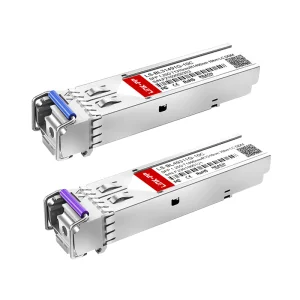
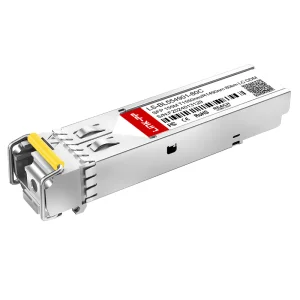
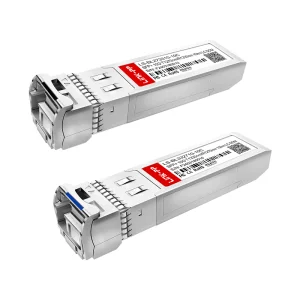
Simultaneously, single-mode bidirectional (BiDi) transceivers utilize wavelength division multiplexing (WDM) to double capacity over existing fiber, reducing infrastructure overheads for metropolitan and backhaul configurations.
| Form Factor | Standard Data Rate | Primary Applications | Typical Distance Options |
|---|---|---|---|
| SFP/SFP+ | 1.25G to 10G | Enterprise Networks, FTTx, 5G Fronthaul | 100m (MMF) to 80km (SMF) |
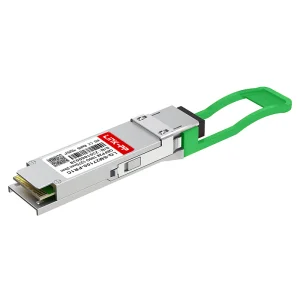
| QSFP28 | 100G | Hyperscale Data Center Interconnects (DCI) | 100m (SR4) to 10km (LR4) |
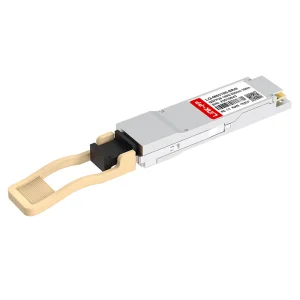
| QSFP-DD | 400G / 800G | AI Compute Clusters, Metro Core Nodes | 500m (DR4) to 2km (FR4) |
A specialized, high-capacity Chinese manufacturer delivering reliable and certified optical connectivity products globally.
Strong design expertise in high-speed optical circuitry, signal integrity optimization, and multi-protocol module integration. Supported customizations include wavelength shifting, form factors, custom protocols, firmware matching, and variable range configurations. We launched 86 new models last year alone, backed by 11 years of industry experience.
Operating with a staff of 42 dedicated QC professionals, Transolix strictly complies with ISO 9001 and custom reliability protocols. Quality assurance practices feature automated optical validation, real-time eye diagram analysis, environmental aging tests, and 100% final performance verification.
A network of 860 certified upstream suppliers provides priority access to premium optical chipsets, laser diodes, and packaging materials. With 6 years of export history, our primary client markets span North America, Europe, Southeast Asia, and the Middle East.
Unlocking cost efficiencies, component availability, and industrial cluster benefits.
Chinese factories are situated in manufacturing hubs with immediate access to passive components, printed circuit boards (PCBs), metal shielding cages, and high-frequency connectors. By sourcing parts locally from certified supply chain networks, manufacturers minimize shipping delays, reduce import duties, and optimize production planning.
This proximity shortens manufacturing times, allowing for rapid iterations of prototype modules and Custom OEM/ODM designs.
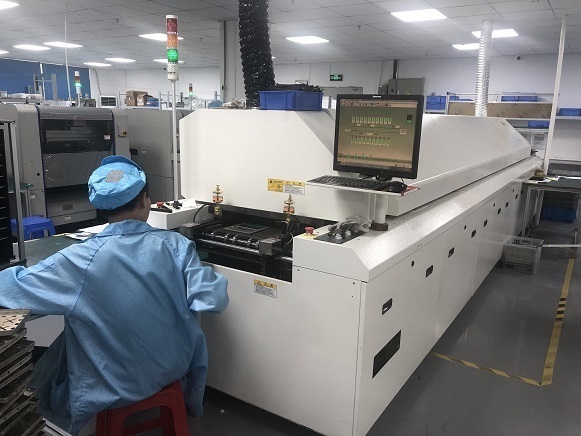
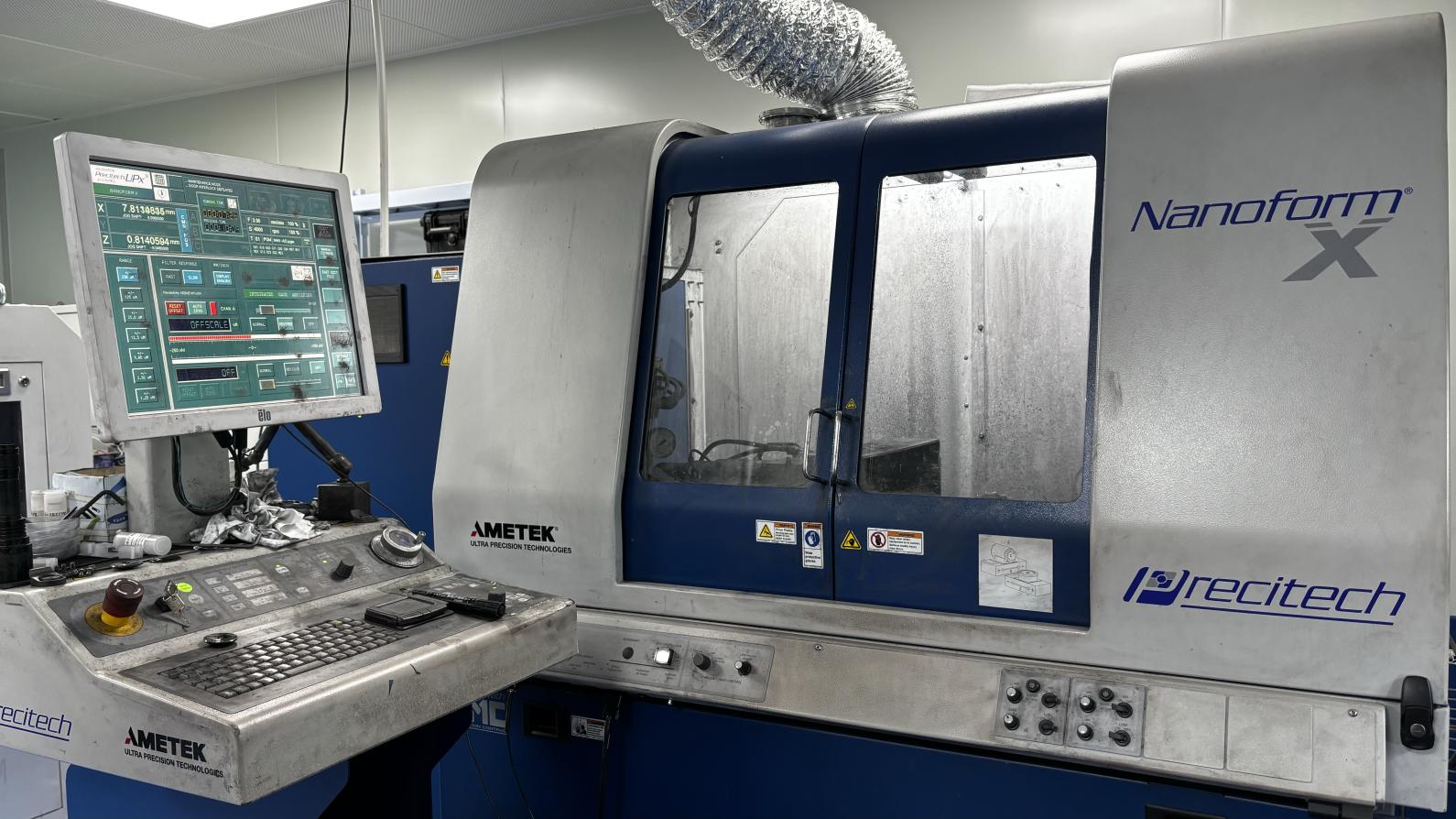
To meet the requirements of international telecom carriers, Transolix utilizes high-throughput testing systems. Precision robotic pick-and-place systems, automated alignment machines, and advanced digital signal analysis check every module's bit-error-rate (BER), eye-diagram health, and temperature thresholds.
This balance of structural efficiency and strict inspection yields modules that match or exceed OEM equivalents in longevity and optical transmission accuracy.
How tailored optical modules support high-speed networks across diverse environments.
Within modern cloud computing centers, East-West data traffic relies on high-density connectivity. Utilizing 100G QSFP28 (both SR4 and FR4 variants) enables low-latency links between switches, maximizing throughput for virtualization and parallel processing workloads.
Outdoor telecom units experience wide temperature fluctuations. Industrial-grade Bidirectional (BiDi) SFP modules operational from -40°C to 85°C provide reliable performance in cell site gateways, reducing physical fiber installation demands by half.
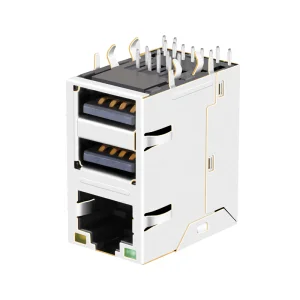
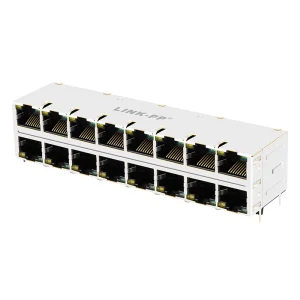
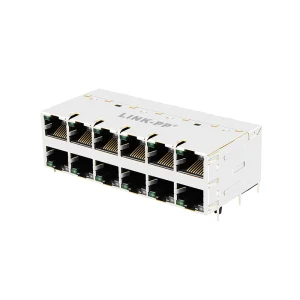
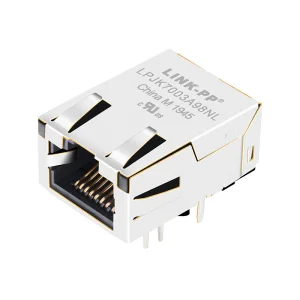
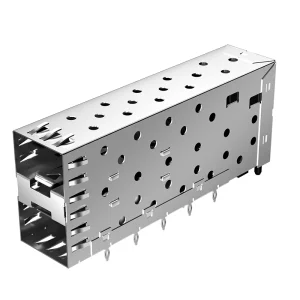
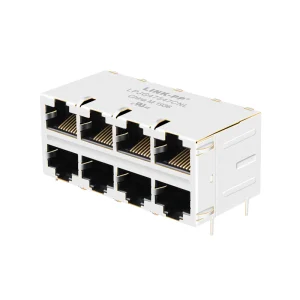
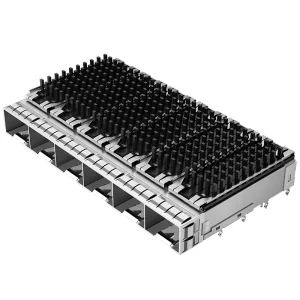
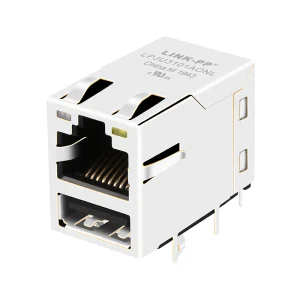
Integrating robust SFP cages with heat sinks alongside modular RJ45 connectors ensures legacy copper infrastructure interfaces smoothly with new optical distribution networks. This setup minimizes packet loss and shields signals from EMI in industrial workspaces.
Exploring Silicon Photonics, Green Data Transmission, and Advanced Modulation Schemes.
As data rates approach 1.6T and beyond, traditional discrete optical designs hit thermal and physical density limits. Silicon Photonics integrates lasers, modulators, and photodetectors onto a single silicon chip. This technology reduces component footprints, simplifies assembly, and improves operational reliability.
With strict emissions targets worldwide, reducing power usage is a priority. Designing transceivers with lower milliwatt-per-gigabit metrics helps data centers lower operational costs and cooling requirements, promoting more sustainable network scaling.
Migrating from Non-Return-to-Zero (NRZ) to 4-Level Pulse Amplitude Modulation (PAM4) doubles the transmission capacity at a given baud rate. This modulation scheme is key to enabling 400G and 800G platforms over single-mode and multi-mode systems, though it requires sensitive DSP error-correction techniques to preserve signal clarity.
Key compliance and engineering checks for international sourcing managers.




Addressing essential technical inquiries regarding compatibility, customization, and factory testing.
Explore our selection of long-range single-mode transceivers, vertical jacks, and shielded EMI cages.
 Transolix