Explore our premium product line manufactured to strict ISO 9001 and high-frequency testing standards.
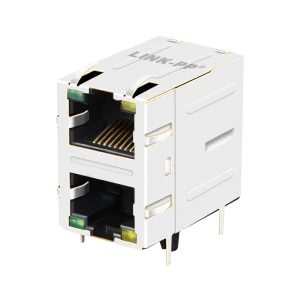
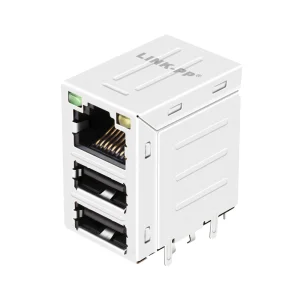
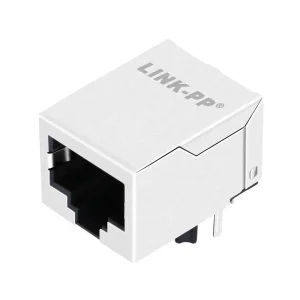
In the era of hyper-scale data centers, Edge IoT deployment, and high-frequency communication architectures, the physical layer remains the ultimate gateway of network reliability. The RJ45 Female Connector, commonly termed the registered jack female interface or modular jack, is far from a legacy passive component. Today, it incorporates advanced electromagnetic compatibility (EMC) shielding, integrated magnetics (Magjacks) for common-mode noise suppression, and power delivery circuitry (PoE/PoE+/PoE++) capable of transmitting high wattages alongside multi-gigabit data streams.
As a leading RJ45 female connector manufacturer and strategic partner to optical transceiver developers, Transolix focuses on resolving the critical impedance matching, return loss, and crosstalk parameters that define physical connectors. By combining physical layer modular jacks with advanced optoelectronic modules, we provide high-bandwidth connectivity from standard copper backplanes up to dense fiber-optic aggregators.
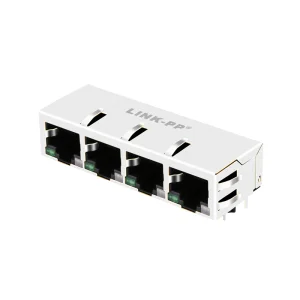
Modern RJ45 interfaces utilize sophisticated internal structural shielding designs. The stamped copper alloy or brass shell, plated with tin or nickel, forms a Faraday cage that attenuates electromagnetic interference (EMI) and radio frequency interference (RFI). Built-in LEDs offer real-time diagnostic indicators for speed and Link/Activity states, reducing field troubleshooting latency in enterprise environments.
To ensure structural performance and reliable compliance with international telecommunication standards, all RJ45 female connectors undergo exhaustive lab-level parameters analysis. The table below represents the benchmark parameters maintained at our manufacturing plants:
| Parameters Specification | Standard Value Range | Test / Quality Verification Method | Target Application Performance |
|---|---|---|---|
| Data Transmission Speed | 10/100 Mbps, 1G, 2.5G, 5G, 10G Base-T | Network Analyzer & Eye Diagram Analysis | High-throughput switches, telecom lines, servers |
| Gold Plating Thickness | 3u" to 50u" (Micro-inches) over Nickel | X-Ray Fluorescence (XRF) Spectroscopy | Minimizes contact resistance, prevents oxidation |
| Mating Cycles Durability | Minimum 750 mechanical mating cycles | Automated mechanical plug insertion systems | Enterprise infrastructure patching and swapping |
| Dielectric Withstanding Voltage | 1000V AC RMS / 1500V DC (min) | Hipot (High Potential) Leakage Testing | Ensures compliance with safety & isolation standards |
| PoE Compatibility | IEEE 802.3af (PoE), 802.3at (PoE+), 802.3bt (PoE++) | Thermal chamber load testing under max current | Smart cameras, wireless access points, PoE lighting |
China's industrial electronics sector hosts the world’s most tightly integrated supply chain network for copper interconnects and optical modules. Sourcing from certified Chinese factories provides unique logistical and technical advantages:
Fulfilling Global High-Speed Networking Demands Through Rigorous Science & Engineering Excellence
Transolix Company Profile: Transolix is a professional optical transceiver manufacturer specializing in high-performance fiber optic communication solutions for global data centers, telecom operators, and enterprise networks. With strong engineering capabilities and scalable production capacity, Transolix is committed to delivering reliable, high-speed, and cost-effective optical connectivity products worldwide. Our integration of transceiver designs alongside robust RJ45 and structural shielding cage platforms positions us uniquely at the intersection of copper and fiber optics infrastructure.
Standards: ISO 9001 & internal reliability protocols.
Methods: Automated optical testing, eye diagram analysis, aging tests, and 100% final performance verification.
Staff: 42 dedicated quality control professionals.
Partners: 860 certified upstream suppliers including chipset, optics, and precision packaging vendors.
Target Markets: North America, Europe, Southeast Asia, Middle East.
Customer Base: Telecom operators, cloud providers, integrators, OEM/ODM partners.
Engineering Team: 128 specialized R&D engineers.
New Releases: 86 models in the last fiscal year.
Options: Comprehensive customization for wavelengths, form factors, transmission distances, protocols, and proprietary firmware.
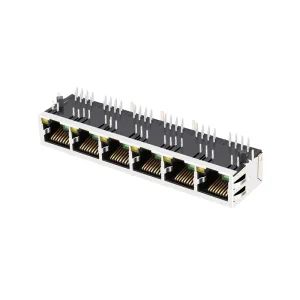
The convergence of network interfaces requires a hybrid understanding of both copper RJ45 connections and fiber optic channels. As high-density switching systems reduce overall chassis footprint, the demand for dual-layered, multi-port, and integrated shielded connectors rises. Here is how modern networks utilize our specialized line of hardware:
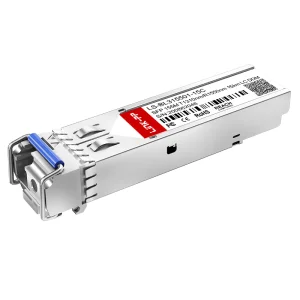
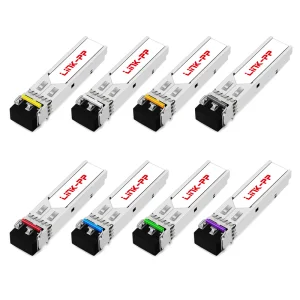
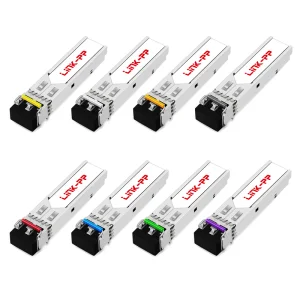
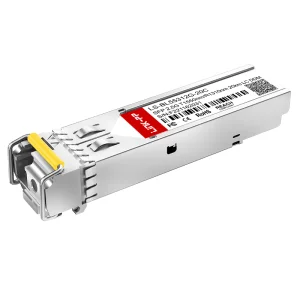
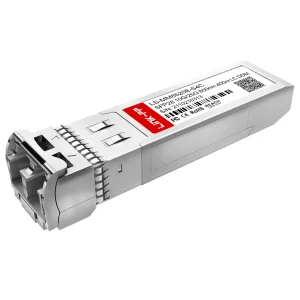
For carrier-grade networks, standard copper-to-fiber integration is vital. Hardware such as our Single Mode SFP Modules combined with rugged *RJ45 Magjacks* at the terminal end ensures uninterrupted backhaul connections. In FTTH (Fiber to the Home) and FTTB (Fiber to the Building) DSLAM deployments, multi-port RJ45 connectors with integrated electromagnetic filters are critical to prevent signal degradation over long telephone wire runs.
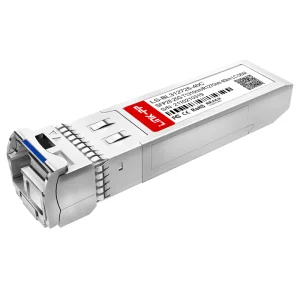
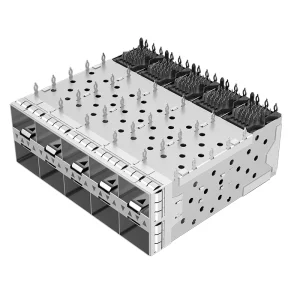
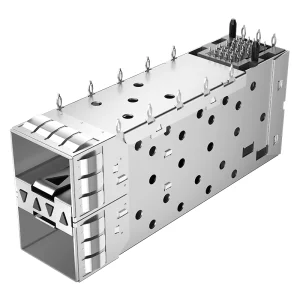
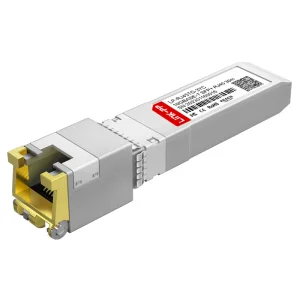
Data center cabinets require modular flexibility. Systems often require optical-to-electrical converters, such as the *10GBASE-T SFP+ Copper RJ45 Transceiver*, enabling legacy copper cabling systems to interface directly with high-speed 10GbE SFP+ switch ports. The design constraints of these transceivers demand high thermal management within the SFP cage to prevent junction overheating during full-load transmissions.
In smart manufacturing facilities, RJ45 ports face exposure to high ambient temperatures, mechanical vibrations, and heavy industrial electromagnetic noise. Standard plastic jacks fail rapidly under these conditions. Factories must deploy shielded RJ45 female connectors featuring high-retention-force solder layouts, thick gold-plated contacts (50 micro-inches), and extended operating temperatures (-40°C to +85°C) to prevent micro-disconnections.
Addressing the core technical and structural queries of hardware engineers and procurement officers.
RJ45 Connectors with integrated magnetics (often termed Magjacks or magnetic jacks) incorporate isolation transformers, common-mode chokes, and sometimes capacitors inside the housing. This integration filters out high-frequency noise, protects against ESD (Electrostatic Discharge), and provides galvanic isolation required by IEEE 802.3 standards. Standard (non-magnetic) RJ45 connectors are simple plastic/metal enclosures with copper leads, requiring external magnetic components layout on the host PCB.
Gold plating prevents the copper pins inside the modular jack from oxidizing due to environmental humidity, corrosive industrial gases, and wear. Thin gold plating (3u" to 6u") is cost-effective for consumer applications but wears down quickly. For telecom and industrial applications, a minimum thickness of 30u" to 50u" is specified to maintain low contact resistance (<20mΩ) and survive at least 750 mechanical mating cycles.
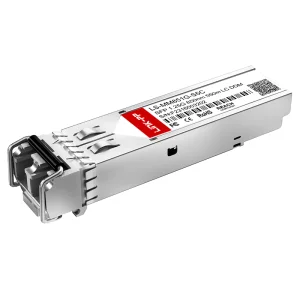
We program our optical transceivers with custom firmware containing specific EEPROM coding matched to target vendor protocols (such as Cisco, TE, Juniper, and Huawei). Every transceiver is tested on real-system host switches in our lab to verify digital diagnostic monitoring (DDM/DOM) parameters, transmit power levels, and receiver sensitivity before dispatch.
Standard lead times for high-volume manufacturing run between 2 to 4 weeks depending on raw material availability (especially specific magnetic core chips or SFP cages). Transolix leverages its integrated supply network of over 860 partners to secure upstream components and accelerate assembly, bypassing market-wide bottlenecks.
Complete your network layout with high-durability shielding structures and optical transceivers.
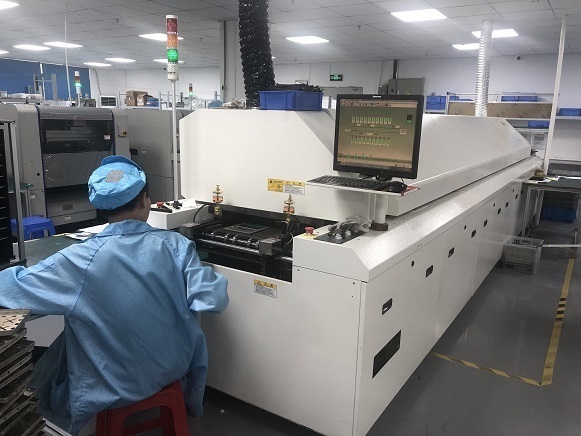
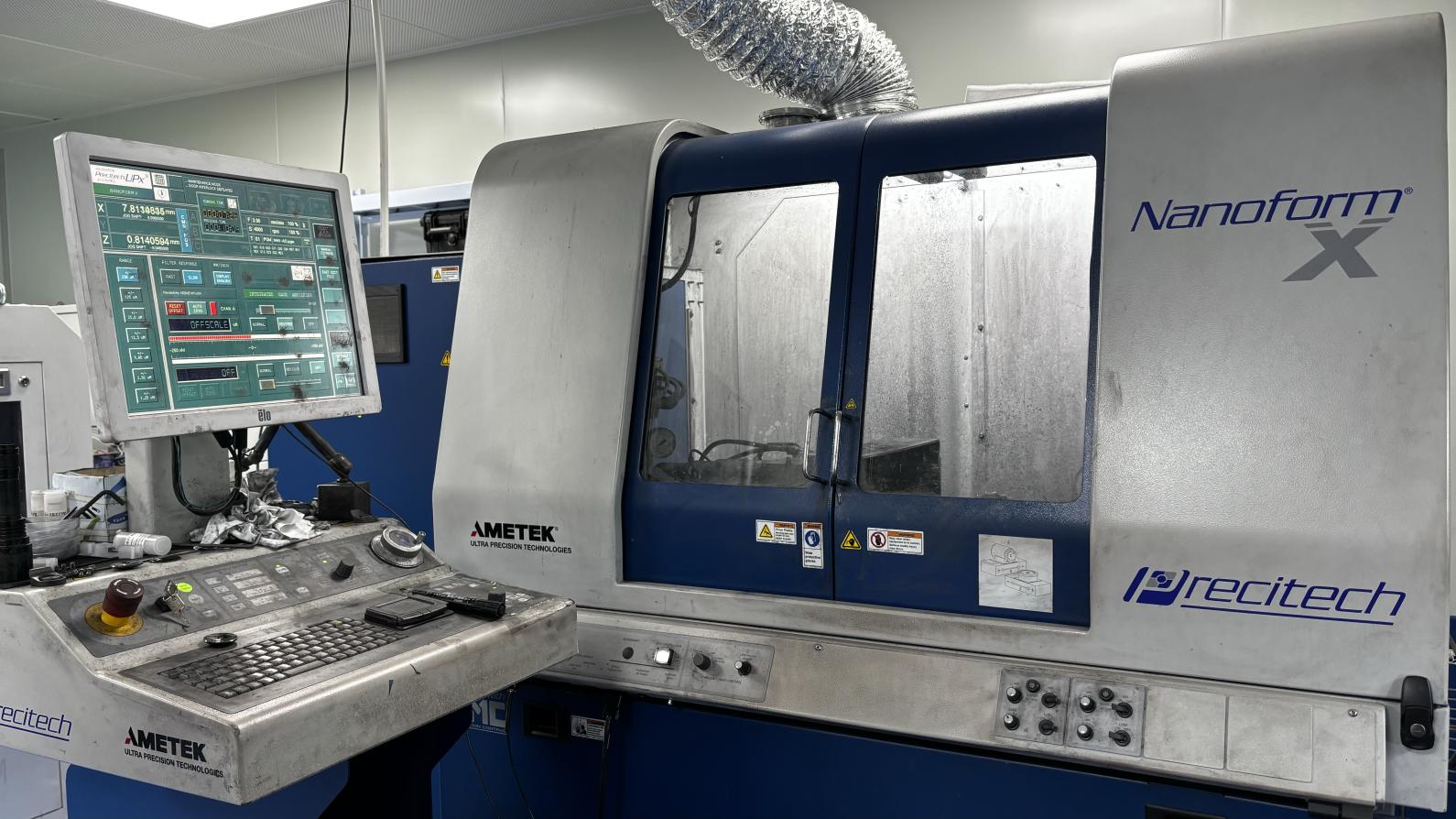
A glimpse into our manufacturing centers, quality checkpoints, and raw component warehouses.




 Transolix