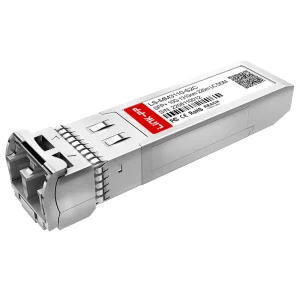
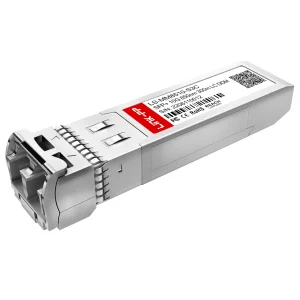
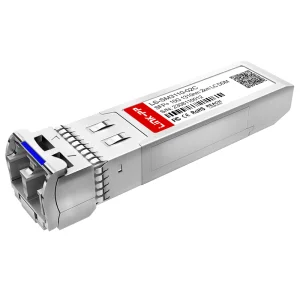
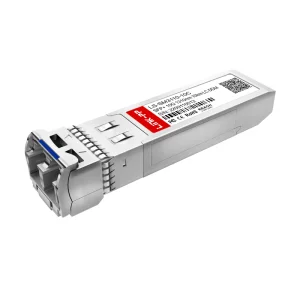
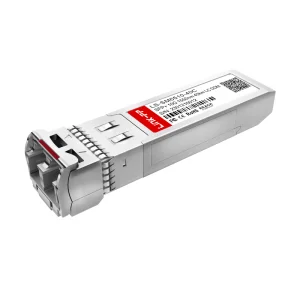
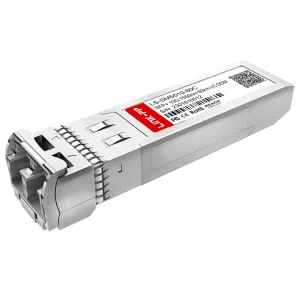
Explore our state-of-the-art optical components optimized for minimum latency, extreme reliability, and maximum compatibility across global network architectures.
Establishing the benchmark for global optical communication manufacturing through precision engineering and unmatched supply chain capacity.
Transolix functions as a premium, cross-border B2B export-focused manufacturing enterprise. Our extensive market outreach spans critical regions including North America, Europe, Southeast Asia, and the Middle East, satisfying the needs of modern hyperscale data environments.
With 128 dedicated R&D engineers, Transolix released 86 new models last year alone. Our capabilities range from high-speed optical configuration and signal integrity optimization to full-stack firmware customization, including protocol compatibility tuning and wavelength adjustments.
Operating a focused 320㎡ specialized testing facility alongside our broader automated partner sites, we handle high-density optical verification. We manage an annual export revenue of USD 8–15 million, drawing on over 11 years of deep industry expertise and 6 years of direct export operations.
A deep dive into physical layer protocols, signal modulation, laser classes, and diagnostic systems.
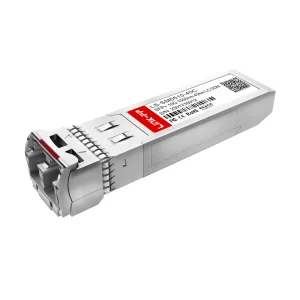
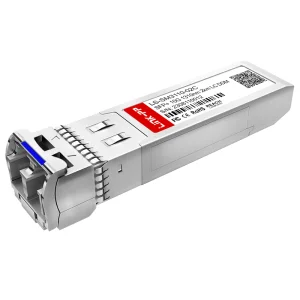
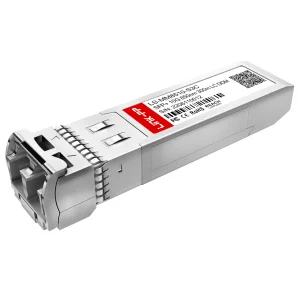
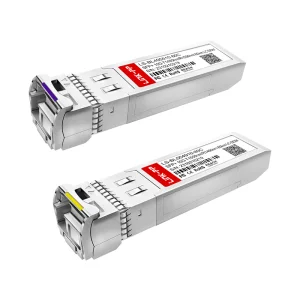
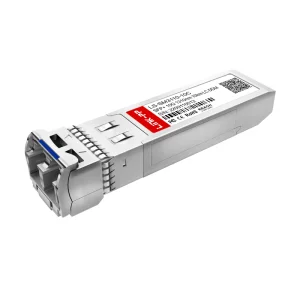
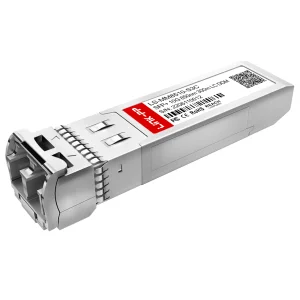
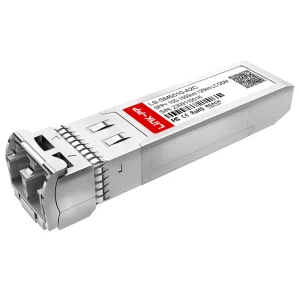
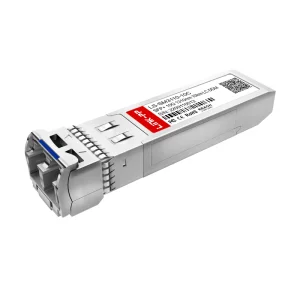
Optical transceivers conforming to the SFP+ (Small Form-factor Pluggable Plus) standard remain the absolute workhorse of modern enterprise access links and high-density SANs. By optimizing the electrical-to-optical conversion interface, these compact modules minimize power dissipation, reduce spatial footprint, and guarantee high-frequency signal integrity. Transolix specializes in producing advanced transceiver architectures designed to operate reliably under varying thermal envelopes and system impedance profiles.
Understanding the optical emitter source is key to aligning hardware with distance requirements:
While sharing a physical layout, 16G SFP+ modules serve Storage Area Networks (SANs) operating at a line rate of 14.025 Gbps. This requires tighter jitter budgets, higher receiver sensitivity, and support for legacy 8G/4G Fibre Channel systems. Our 16G transceivers are engineered using highly responsive photodiodes and robust Clock and Data Recovery (CDR) circuits to guarantee error-free performance in high-speed enterprise storage environments.
Every single unit from the Transolix production line undergoes a rigorous testing pipeline to ensure performance in critical enterprise networks.
All transceivers are evaluated on state-of-the-art optical spectrum analyzers to check center wavelength, side-mode suppression ratio (SMSR), and average output optical power. This automated process ensures every shipped module falls precisely within the defined IEEE 802.3 and MSA limits.
By measuring the extinction ratio, rise/fall times, and optical eye mask margin, our signal integrity engineers ensure that there is minimal inter-symbol interference (ISI). This yields an exceptionally low Bit Error Rate (BER) even when operating through legacy structural cabling.
Our modules are subjected to accelerated thermal chamber aging (ranging from -40°C to +85°C for industrial-grade parts) to detect latent semiconductor defects. This eliminates early failures and ensures reliable operation over extended service lifespans.
All Transolix 10G/16G SFP+ modules feature real-time Digital Diagnostic Monitoring (DDM/DOM) complying with SFF-8472. This system allows network administrators to monitor key parameters in real time, including transmitter optical power, receiver optical power, transceiver temperature, laser bias current, and internal supply voltage. Early anomaly detection prevents unexpected link outages and speeds up troubleshooting.
Balancing current network needs with seamless paths to 25G, 50G, 100G, and Co-Packaged Optics.
Optimizing power efficiency (sub-1W operation) and physical layer stability. Broadening multi-platform compatibility and extending operational thermal ranges to support industrial edge deployments and FTTH/FTTB access gateways.
Enabling seamless backward-compatible upgrade paths. Utilizing PAM4 modulation schemes to double throughput without scaling optical component complexity, facilitating a migration from standard 10G switches to high-density 25G/50G edge nodes.
Integrating laser sources directly onto the silicon wafer substrate. Transitioning to CPO architectures to minimize parasitic electrical loss and latency, ensuring tomorrow's AI training clusters and hyper-scale data centers can manage terabit networks sustainably.
How our manufacturing lines and upstream partnerships ensure production consistency and global cost advantages.
The core of Transolix's strength lies in our integrated supply chain framework in China. Backed by 860 certified upstream suppliers, we maintain a secure, uninterrupted flow of high-quality components, from advanced laser diodes (TOSA) and photodetector receivers (ROSA) to specialized printed circuit board assemblies (PCBA) and high-frequency connectors. This ensures our production remains resilient to localized material shortages and global shipping fluctuations.
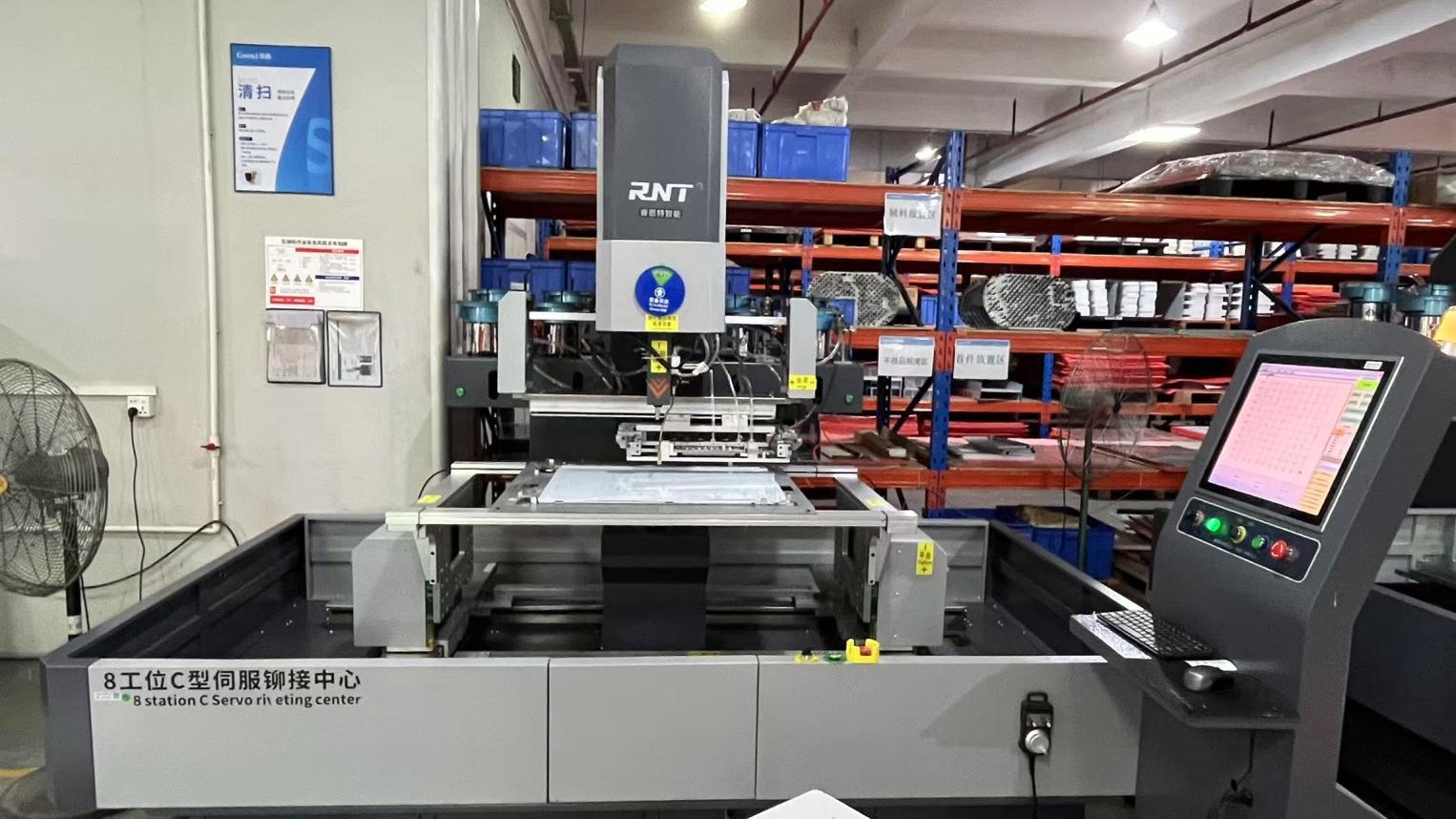
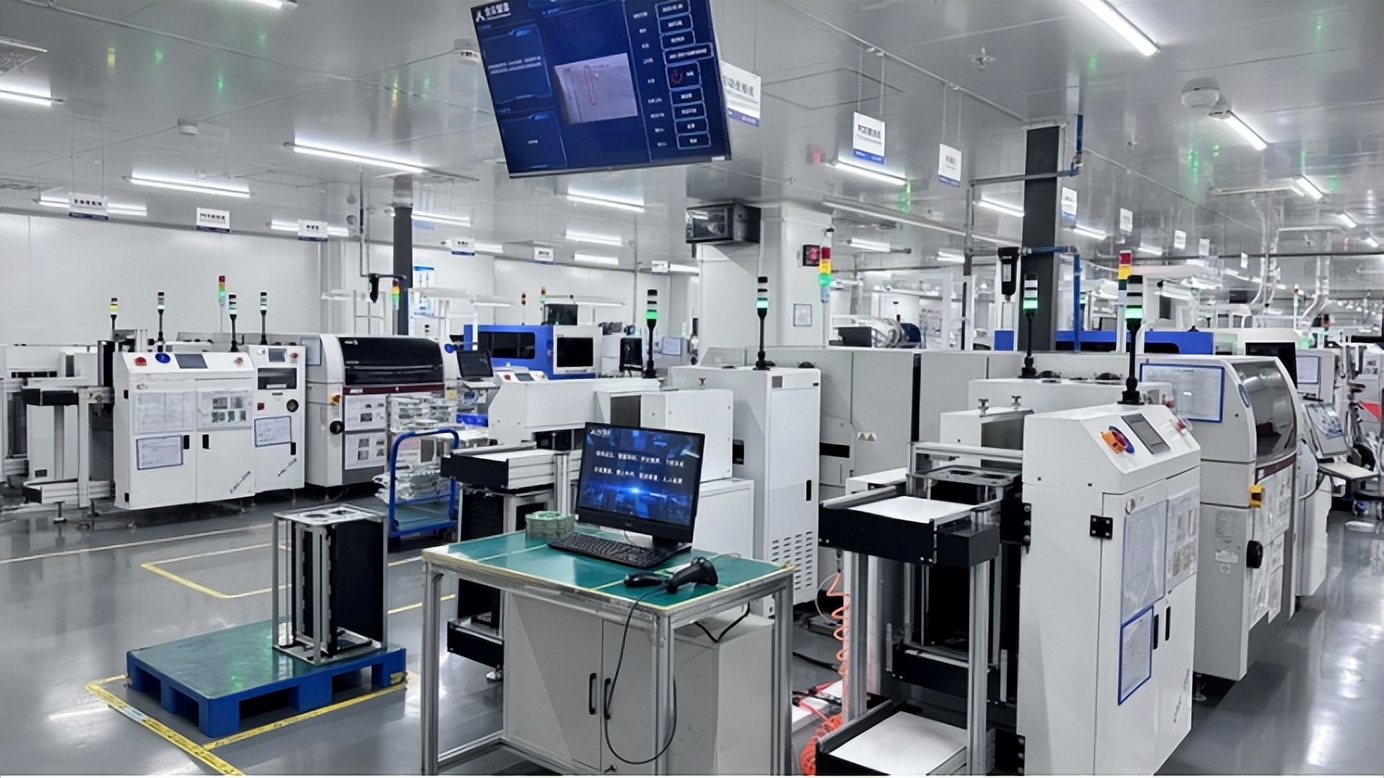
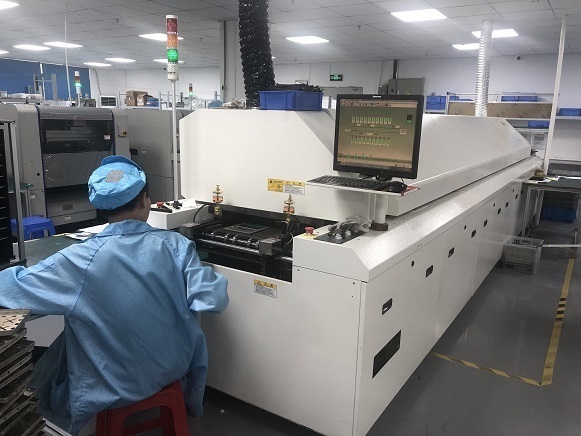
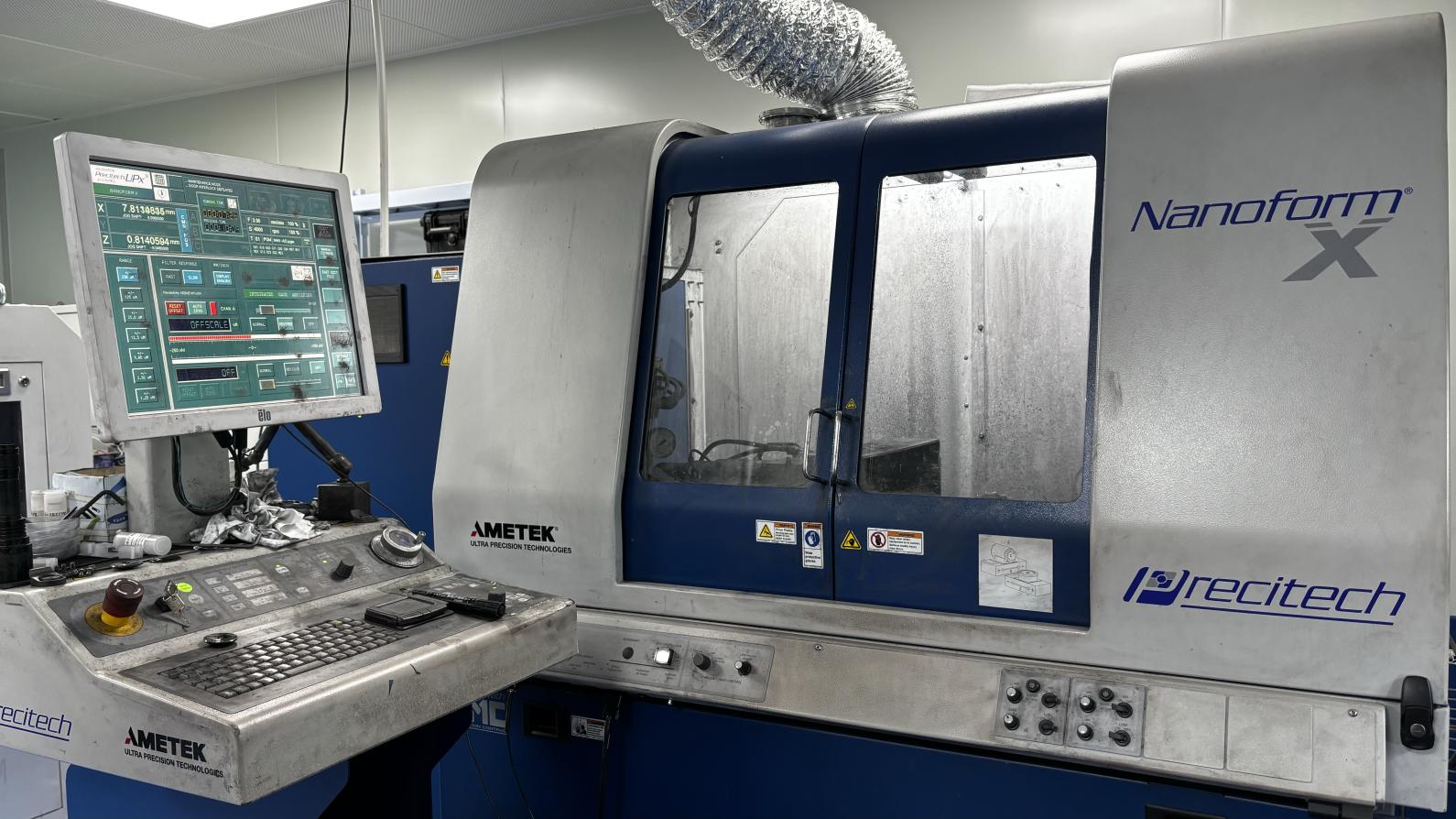
Our production facilities utilize automated sub-micron alignment systems to secure laser chips into optical sub-assemblies. This automated optical alignment ensures repeatable coupling efficiency, resulting in lower insertion loss and improved return loss. By using automated pick-and-place lines and robotic test benches, we reduce variance, cut down human-error defects, and pass structural cost efficiencies directly to our global customers.


We design our transceivers for seamless compatibility, helping global enterprises simplify multi-vendor integration.
All Transolix modules are programmed in-house to match the EEPROM signature requirements of major switch and router manufacturers (including Cisco, Juniper, Arista, and HPE). This ensures hassle-free deployment, eliminating CLI warning flags and software lockout issues.
Our SFP+ transceivers are strictly compliant with the SFF-8431, SFF-8432, SFF-8472 Multi-Source Agreements (MSA), as well as IEEE 802.3ae (10GBASE-SR/LR/ER/ZR) and Fibre Channel Physical Interface (FC-PI-5) standards, ensuring reliable physical fit and interoperability.
With structured warehousing and localized logistical hubs across key regions, we guarantee quick deliveries for high-density projects. Our support engineers provide round-the-clock remote diagnostic assistance and help with firmware reprogramming for custom setups.
Expert technical answers to common queries regarding optical deployment, specifications, and manufacturing.
Further optical interconnect solutions, including OEM-compatible transceivers and extended-reach models.
 Transolix