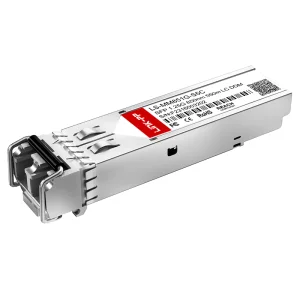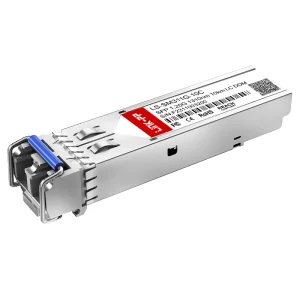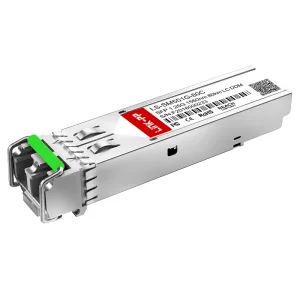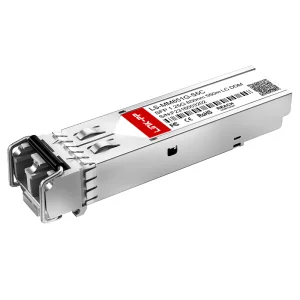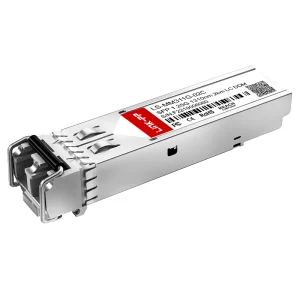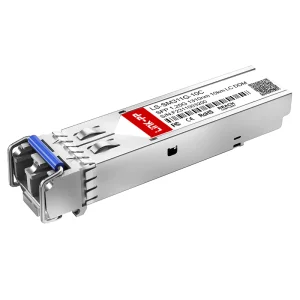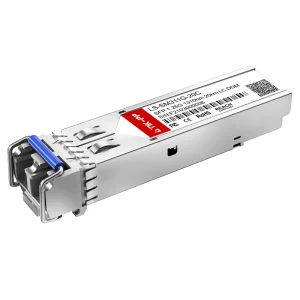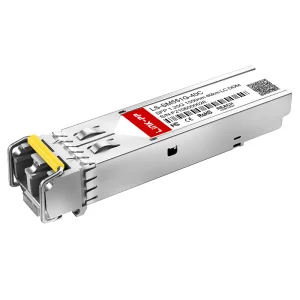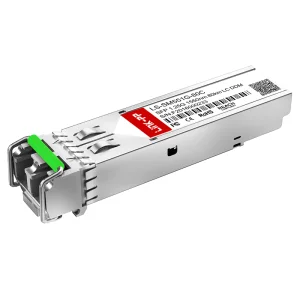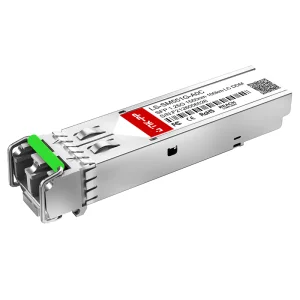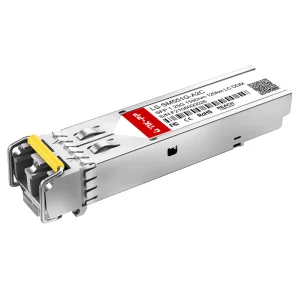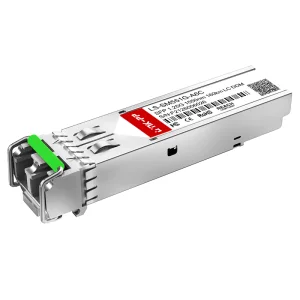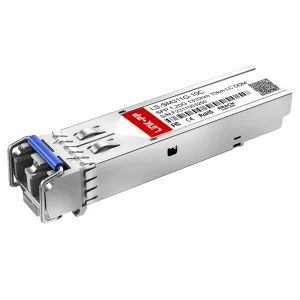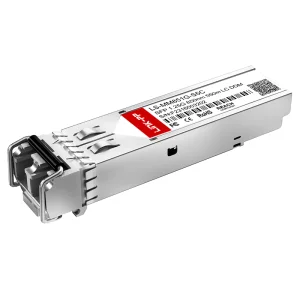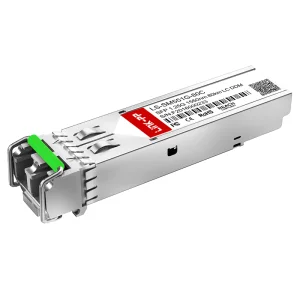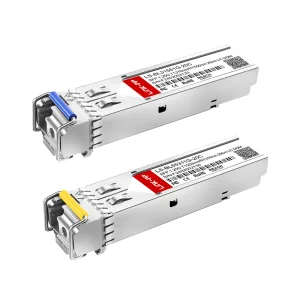
In an era of hyper-scale data centers upgrading to 400G and 800G, the 1.25G SFP (Small Form-factor Pluggable) optical transceiver remains a steadfast anchor of enterprise networking, access networks, telecommunications, and industrial automation worldwide. Its unparalleled cost-efficiency, reliable hardware design, and absolute hardware interoperability secure its place in legacy and edge systems.
As a leading 1.25G SFP Module Manufacturer and Factory, Transolix bridges the gap between high-reliability requirements and cost-effectiveness. Our production processes adhere to rigorous standards, yielding fiber optic products optimized for long lifecycles. Whether deployed in Gigabit Ethernet switches, routers, firewalls, or media converters, our SFP modules deliver plug-and-play capability across various OEM brands.
Understanding the electrical and optical properties of SFP transceivers is key to selecting the correct product for your infrastructure. Below is a comprehensive breakdown of the major transceiver lines engineered at our production facility:
| Transceiver Class | Wavelength (nm) | Fiber Type | Max Distance | Optical Components (TX/RX) | Primary Standards |
|---|---|---|---|---|---|
| 1000BASE-SX | 850nm | Multi-Mode (MMF) | 550m | VCSEL / PIN | IEEE 802.3z, SFF-8472 |
| 1000BASE-LX/LH | 1310nm | Single-Mode (SMF) | 10km / 20km | DFB / PIN | IEEE 802.3z, MSA |
| 1000BASE-EX | 1550nm | Single-Mode (SMF) | 40km | DFB / PIN | MSA Compliant |
| 1000BASE-ZX / EZX | 1550nm | Single-Mode (SMF) | 80km / 120km / 160km | DFB & APD | SFF-8472, GR-253-CORE |
| 1G BiDi (Simplex) | 1310nm-TX/1550nm-RX (WDM) | Single-Mode (SMF) | 20km - 80km | BOSA (Bi-Directional) | IEEE 802.3ah |
| 1000BASE-T Copper | RJ45 (Cat5e/6) | Copper Wire | 100m | PHY Chipset | IEEE 802.3ab |
Transolix is a specialized optical transceiver manufacturer focusing on high-performance fiber optic communication solutions for global data centers, telecom operators, and enterprise networks. With strong engineering capabilities and scalable production capacity, Transolix is committed to delivering reliable, high-speed, and cost-effective optical connectivity products worldwide.
Operating out of a highly automated fabrication facility, our team harnesses 11 years of deep industry experience to optimize SFP modules for signal integrity, thermal dissipation, and long-term durability. We manage a robust quality control architecture supported by 42 dedicated quality assurance professionals who execute rigorous reliability protocols, including automated optical testing, eye diagram analysis, environmental stress testing, and 100% final performance verification.
Our manufacturing center in China offers critical structural advantages that secure supply chain integrity and stability for global telecom operators and data center systems integrators.
By positioning our production within the world’s most dense electronics manufacturing cluster, we gain unmatched access to raw materials, printed circuit board assembly (PCBA) specialists, and testing equipment. This proximity allows us to compress production lead times, scale capacity rapidly, and source components from 860+ certified upstream partners.
Every component is traceable back to its source batch. Testing systems record optical eye diagrams, receiver sensitivity, and transmitter power measurements for each module serial number.
Our 128 R&D engineers deliver customized firmware configurations to achieve compatibility with Cisco, Juniper, HP, Arista, and over 200 other brand switches.
All transceivers are manufactured to ISO 9001 standards and comply with CE, FCC, RoHS, and WEEE directives, ensuring regulatory compliance across global markets.
While newer high-speed standards drive core data center updates, the 1.25G SFP remains a key standard for edge deployments across various industries.
Local telecommunications companies rely on 1.25G SFP modules to link central offices with Optical Network Units (ONUs) in neighborhoods. Using Bidi SFP transceivers, operators transmit and receive signals over a single strand of fiber (using 1310nm/1550nm or 1310nm/1490nm wavelengths), doubling fiber capacity and lowering installation costs.
Power transmission and water management utilities utilize fiber optic backbones for remote terminal units (RTUs) and substations. In these environments, industrial-grade 1.25G SFP transceivers (designed for temperature ranges from -40°C to 85°C) ensure reliable communications despite electromagnetic interference.
Corporate offices and campus networks often use 1.25G SFP modules to connect floor switches to core switch racks. In high-definition IP camera networks, these modules provide stable, high-capacity links over single-mode fiber (up to 10km or 20km) to protect real-time video surveillance feeds from signal degradation.
The SFP form factor is evolving to meet new requirements for energy efficiency, telemetry, and network automation.
Modern transceivers increasingly rely on Digital Diagnostic Monitoring (DDM) according to the SFF-8472 standard. This feature allows administrators to track live parameters such as optical output power, optical input power, temperature, laser bias current, and transceiver supply voltage, enabling predictive maintenance that reduces network downtime.
As operators target carbon neutrality, the power consumption of network interfaces faces closer inspection. Transolix works to reduce the power usage of our 1.25G SFP modules from the standard 1.0W down to less than 0.8W. Lowering consumption cuts electricity costs and reduces heat generation, protecting the lifetime of adjacent networking hardware.
Looking ahead, silicon photonics will play a larger role in edge transceiver design. Silicon integration allows us to combine the laser diode and silicon modulator on a single die, improving reliability and reducing production costs. This approach supports the expansion of edge computing structures, where small, cost-effective, and highly reliable optical links are essential.
A look inside our ISO 9001 certified optical assembly cleanrooms, featuring high-speed testing setups, environmental chambers, and automated packaging lines.
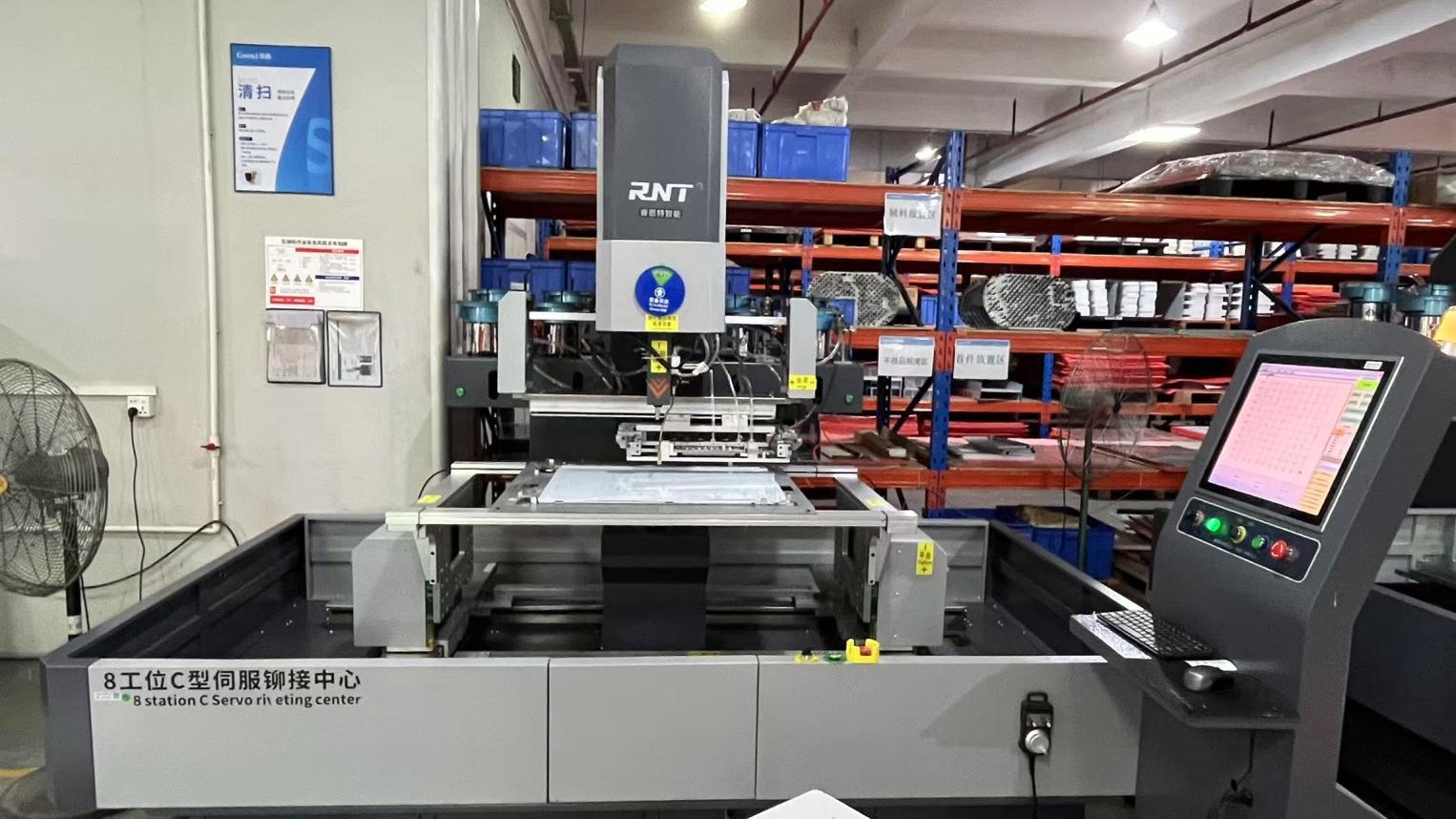


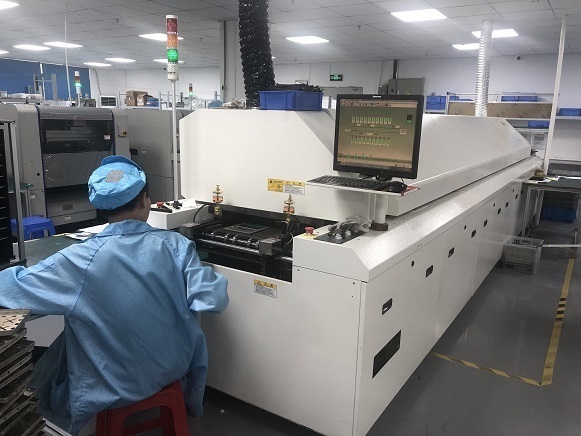

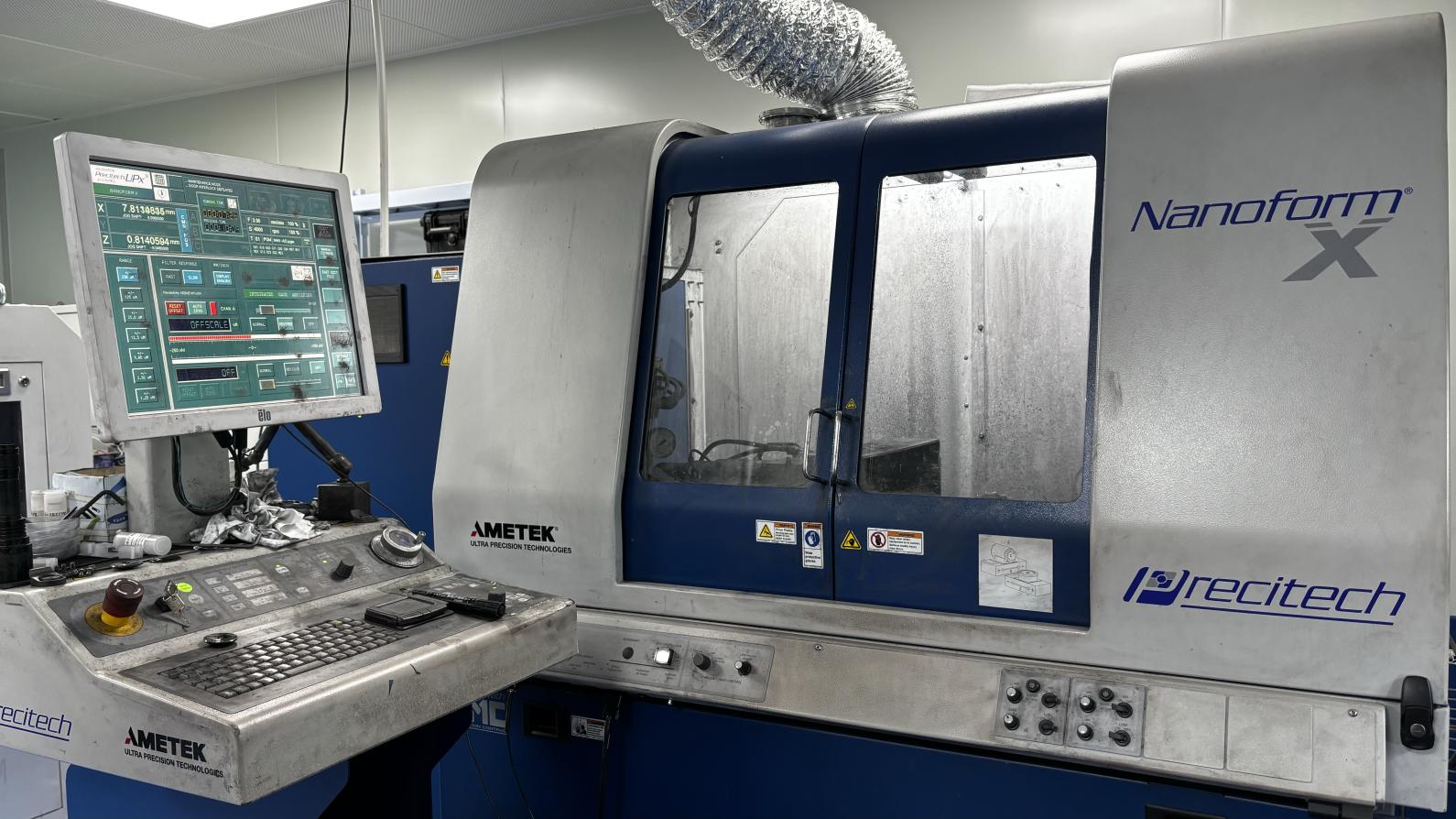
Every 1.25G SFP module contains an EEPROM holding vital parameter data, serial numbers, and vendor ID tags. Our compatibility lab tests these chips against actual target switch hardware (including Cisco, Arista, Juniper, HP, Dell, and Huawei). We customize the microcode to ensure correct recognition, eliminating port lockout issues.
Standard Duplex SFP modules require two strands of fiber optic cable: one for transmitting (TX) and one for receiving (RX). Bi-Directional (BiDi) SFPs integrate Wavelength Division Multiplexing (WDM) couplers, allowing TX and RX signals to travel on different wavelengths (typically 1310nm and 1550nm) over a single optical strand, reducing fiber cabling costs by half.
This depends on the host switch port's configuration. Many switches feature dual-rate SFP+ ports that accept standard 1G SFP modules if the port is manually set to 1000Mbps speed in the configuration settings. However, some newer switches only support 10G speeds on SFP+ interfaces. Check the host system's hardware manual for confirmation.
DOM (Digital Optical Monitoring) or DDM (Digital Diagnostic Monitoring) is an option on Transolix SFP transceivers. It allows real-time tracking of parameters like supply voltage, temperature, receiver sensitivity, and laser bias current. This telemetry is transmitted through the I2C interface, enabling network administrators to monitor performance using SNMP software.
We manufacture both commercial temperature grade (0°C to 70°C) and industrial-grade (-40°C to 85°C) transceivers. Industrial modules utilize laser diodes and internal component layouts designed to resist thermal stress, and they undergo 100% thermal cycle verification in our testing labs.
 Transolix