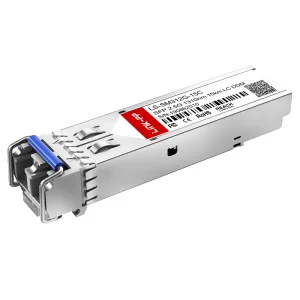
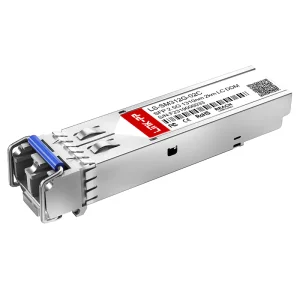
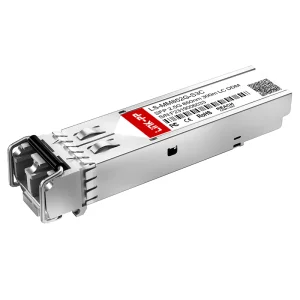
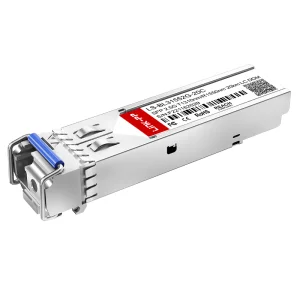
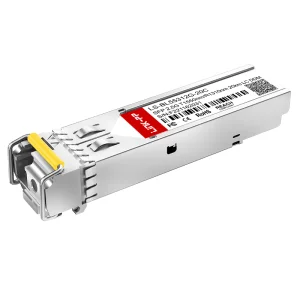
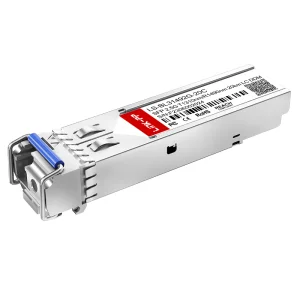
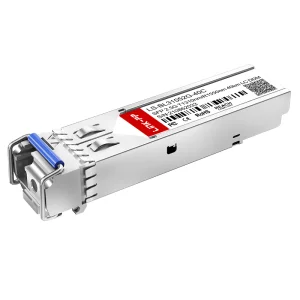
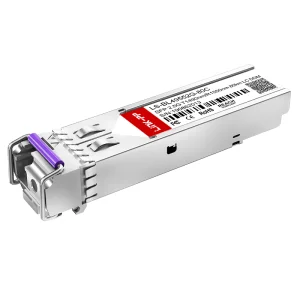
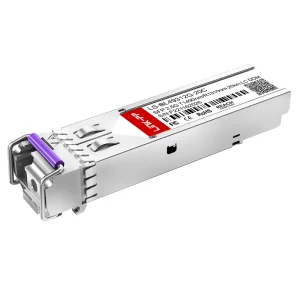
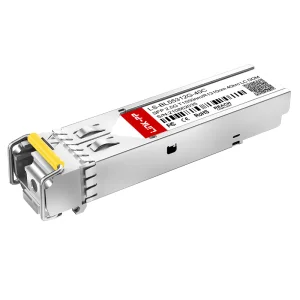
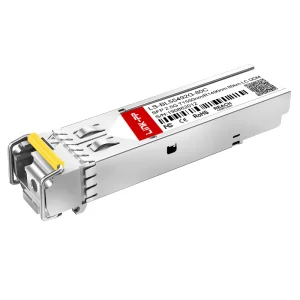
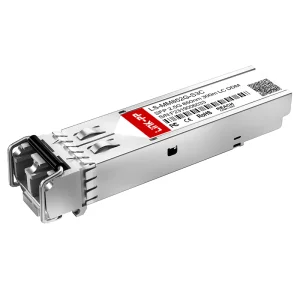
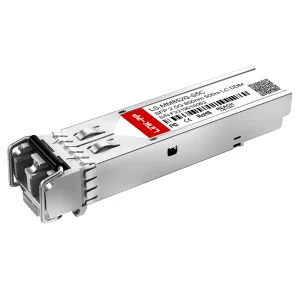
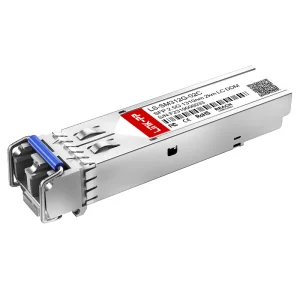
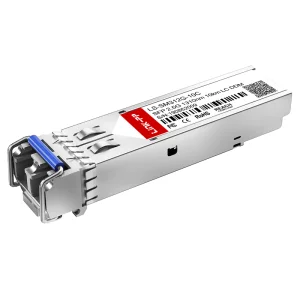
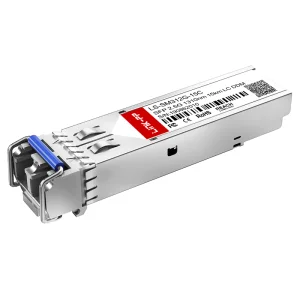
Select from our premier lineup of 2.5G SFP transceivers, designed for single-mode and multi-mode systems, optimized for carrier network distribution and critical backhaul.
A comprehensive analysis of deployment dynamics, architectural demands, and technological optimizations for modern access and transport systems.
In the rapidly advancing telecommunications landscape, the demand for bandwidth is no longer exclusive to core optical highways. The edge network, driven by 5G wireless rollouts, fiber-to-the-home (FTTH/FTTB) expansions, and high-performance industrial IoT networks, requires a sweet spot between structural cost efficiency and processing performance. The 2.5G to 6G SFP (Small Form-Factor Pluggable) optical transceiver portfolio represents this optimal middle-mile and access-layer bridge. Historically, legacy networks jumped from 1.25G to 10G, creating an over-provisioning cost barrier. The deployment of 2.5G, 3G, 4G, and 6G SFP transceivers satisfies requirements such as CPRI/OBSAI wireless protocols and GPON/EPON coexistence layers, matching physical link properties without demanding premium-price hardware updates.
Currently, international network systems face significant upgrade challenges. Standard B2B enterprise procurement demands that modules work flawlessly across multi-vendor switch architectures while withstanding outdoor temperatures ranging from -40°C to 85°C. For system integrators and telecommunications operators, sourcing transceivers that meet MSA standards and provide real-time Digital Diagnostic Monitoring (DDM/DOM) is essential to avoiding unplanned down-time.
As a pioneering optical transceiver manufacturer based in China, Transolix leverages a deeply integrated industrial ecosystem to resolve the classic manufacturing dilemma: balancing cost-efficiency with high reliability. The manufacturing cluster benefits in China enable rapid component sourcing, reducing raw material lead times by up to 40% compared to Western manufacturers.
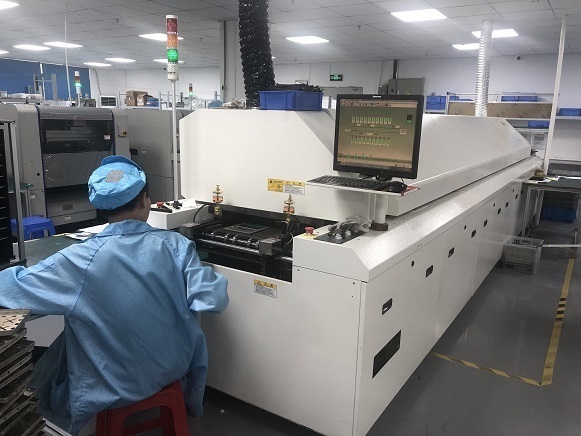
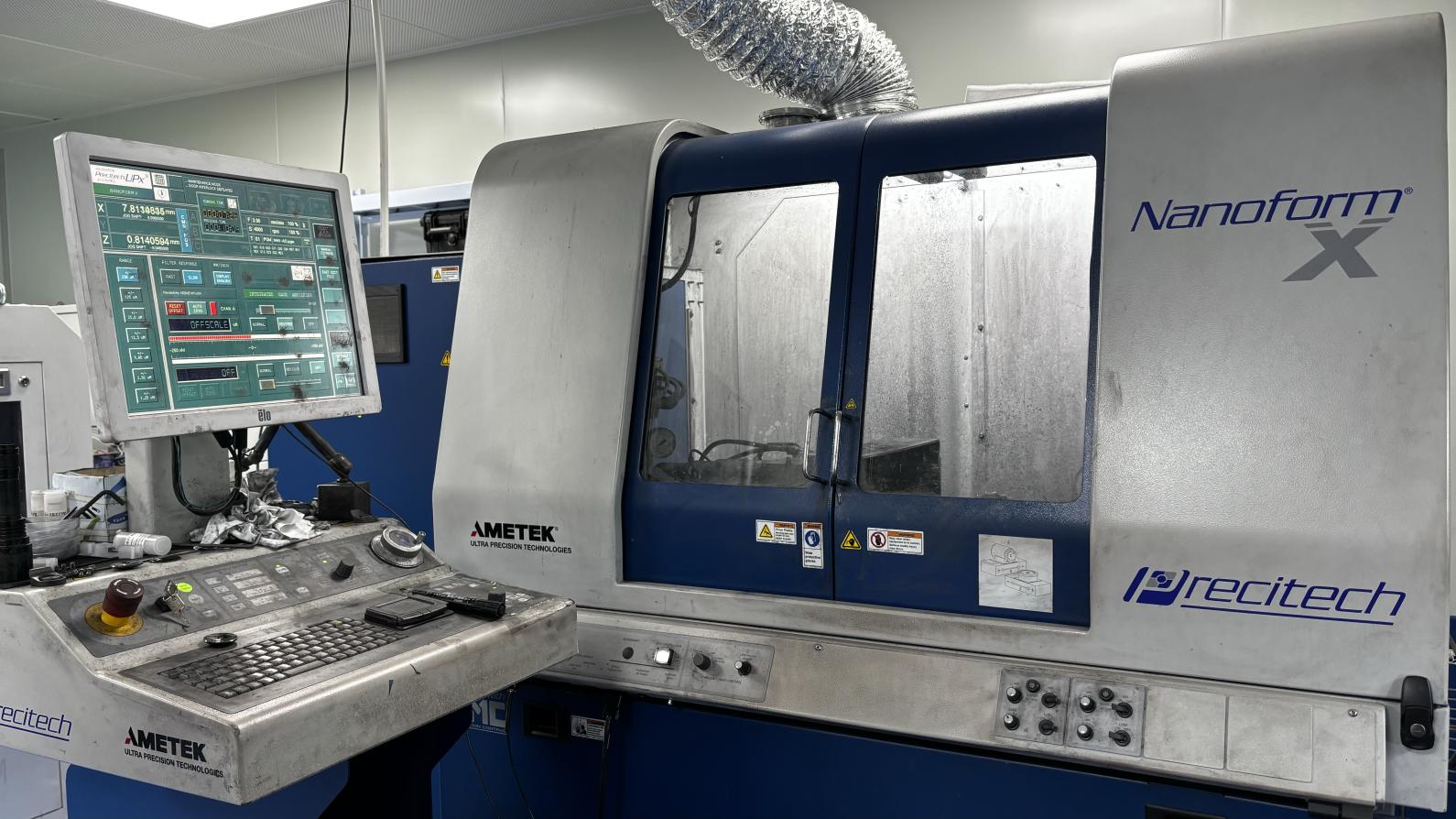
Vertical integration is the foundation of Transolix’s capability. By controlling the optical packaging process—specifically using high-precision Chip-On-Board (COB) and BOX packaging technologies—we optimize coupling efficiency. This directly translates to lower insertion loss and superior thermal management within our modules. Furthermore, our automated testing suites execute high-throughput evaluations, validating optical power, receiver sensitivity, and eye diagram compliance for every unit before shipment.
The deployment configurations of 2.5G~6G modules vary significantly based on topology and geographic demands:
Transolix is a professional optical transceiver manufacturer specializing in high-performance fiber optic communication solutions for global data centers, telecom operators, and enterprise networks. With strong engineering capabilities and scalable production capacity, Transolix is committed to delivering reliable, high-speed, and cost-effective optical connectivity products worldwide.
Our company, established in 2016, features 11 years of industry experience and 6 years of cross-border B2B export-focused manufacturing experience. We operate within a highly specialized 320㎡ facility optimized for optoelectronic prototyping and custom testing.
Our robust R&D and Innovation Capability is highlighted by our team of 128 R&D engineers who excel in high-speed optical design, signal integrity optimization, and module integration. We support extensive customization options including wavelength, form factor, distance, protocol compatibility, and firmware customization. In the last year alone, we released 86 new models.
With an annual export revenue of USD 8–15 million, we serve major markets including North America, Europe, Southeast Asia, and the Middle East. Our strong supply chain partners include 860 certified upstream suppliers for chipsets, optics, and packaging vendors, enabling us to deliver reliable products to telecom operators, cloud service providers, data center integrators, and OEM/ODM partners.
Adhering to ISO 9001 and strict internal reliability standards. Supported by a dedicated team of 42 QC professionals.
Our testing incorporates automated optical testing, eye diagram analysis, aging tests, and final performance verification.
860 certified upstream chipset, optics, and packaging vendors ensure a stable component pipeline and fast delivery.
Take an inside look at our manufacturing processes, environmental testing chambers, cleanrooms, and testing setups.




Find authoritative answers to common inquiries regarding deployment, hardware compatibility, and customized module specifications.
Explore our specialized Bidi modules, long-distance single-mode, and short-range multimode solutions designed to optimize your optical networks.
 Transolix