Explore our top-performing modular jacks, integrated magnetic connectors, and high-speed vertical sockets designed for modern communication systems.
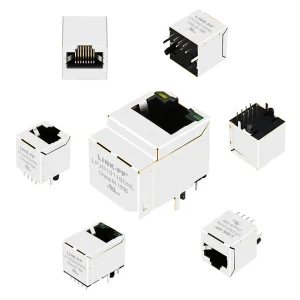
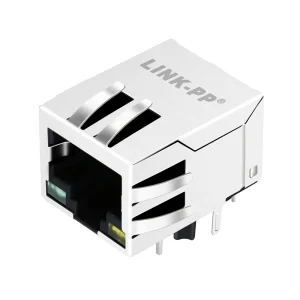
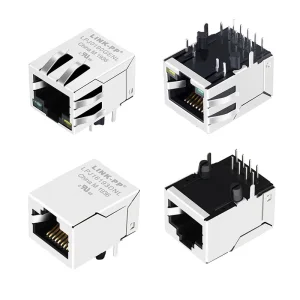
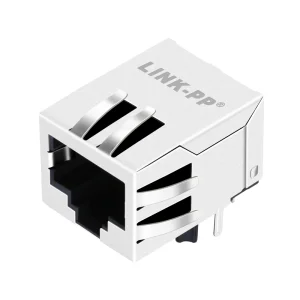
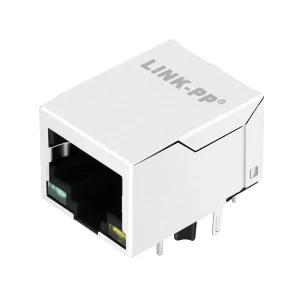
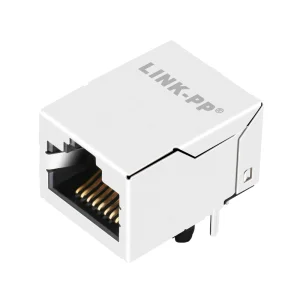
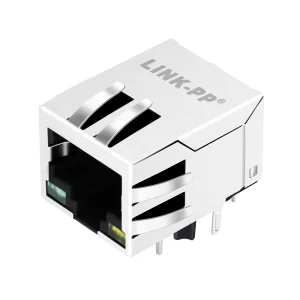
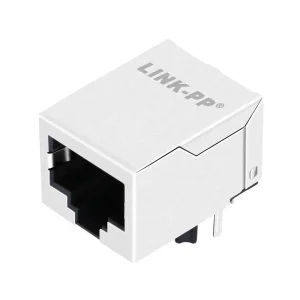
In the rapidly advancing landscape of high-speed telecommunications and data transmission, the single port RJ45 female connector remains the bedrock of physical layer connectivity. As bandwidth architectures transition from Standard Gigabit Ethernet to multi-gigabit speeds (2.5G, 5G, and 10G Base-T), physical hardware components must adapt. The interface between the PCB and the transmission line requires meticulous signal integrity preservation, robust electromagnetic interference (EMI) protection, and mechanical stability.
A single port RJ45 female connector is not simply a mechanical port; it is an optimized electrical system. When integrated with internal magnetics (known as Magjacks), these components act as isolation transformers, shielding the delicate PHY silicon chips from voltage surges, common-mode noise, and ESD strikes. By isolating external loops, they secure high-speed links in complex electrical environments.
Traditional non-magnetic RJ45 connectors require discrete magnetic modules placed on the PCB. However, modern dense network applications favor integrated magnetics (Magjacks). Our high-performance Magjacks pack the following core structural components into a single space-saving interface:
How localized specialized engineering, raw material ecosystems, and scale drive the quality-to-cost advantage for global networks.
Our Chinese manufacturing facility operates within a dense local ecosystem of precision metal stamping, injection molding, and component manufacturing. This localized network ensures that high-grade phosphor bronze, LCP plastics, and nickel plating are sourced at speed, shortening procurement lead times significantly.
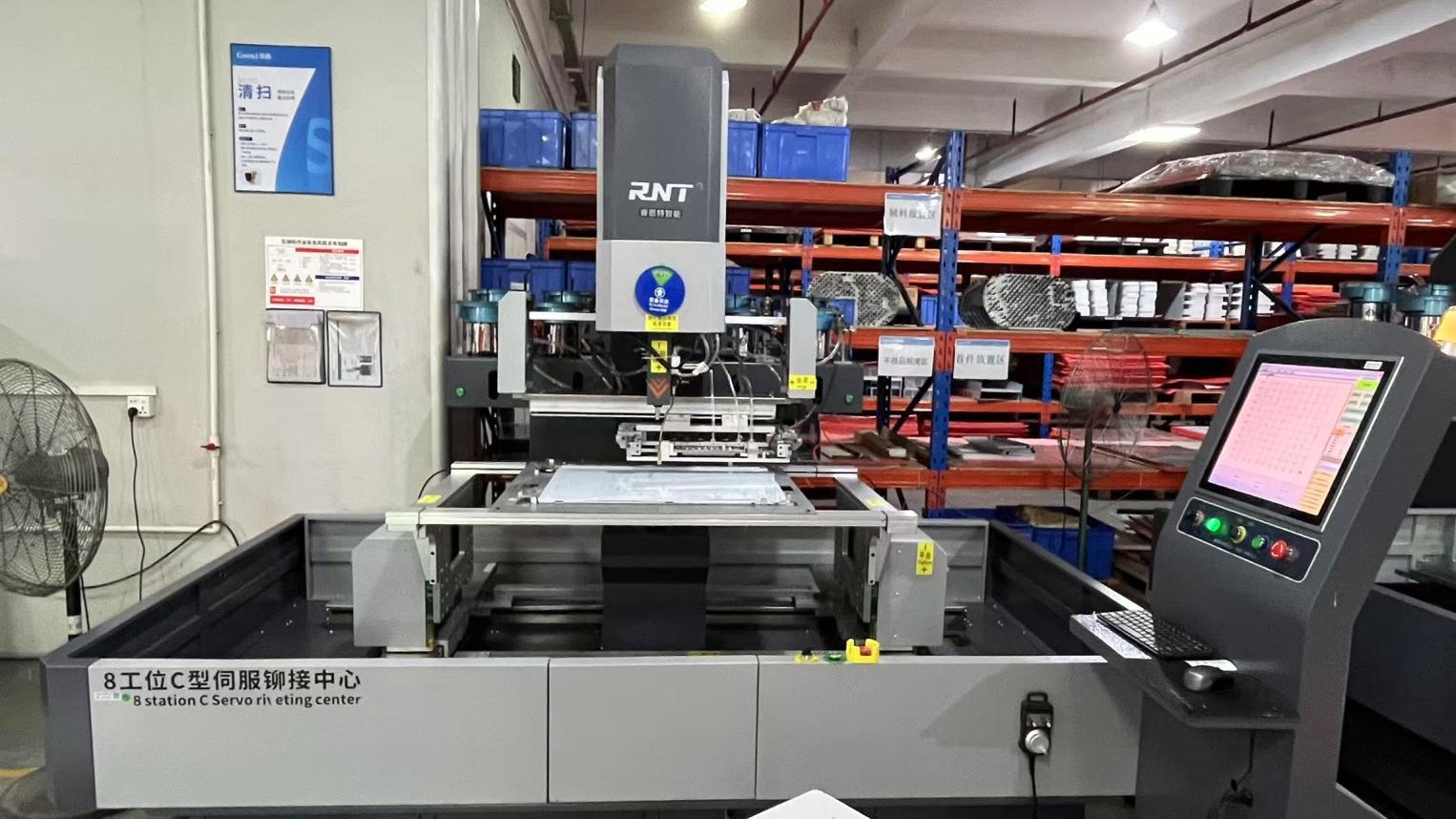
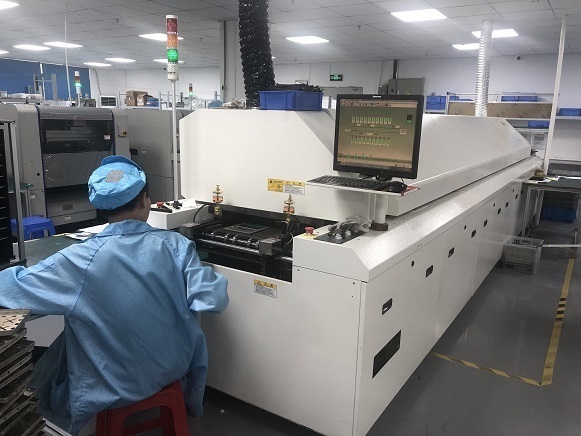
Backed by modular tooling systems and state-of-the-art SMT assembly lines, we easily configure products to exact specifications. Whether you require vertical orientation, low-profile SMT mounting, custom LED colors, or specific POE pin definitions, our team supports full design iterations.
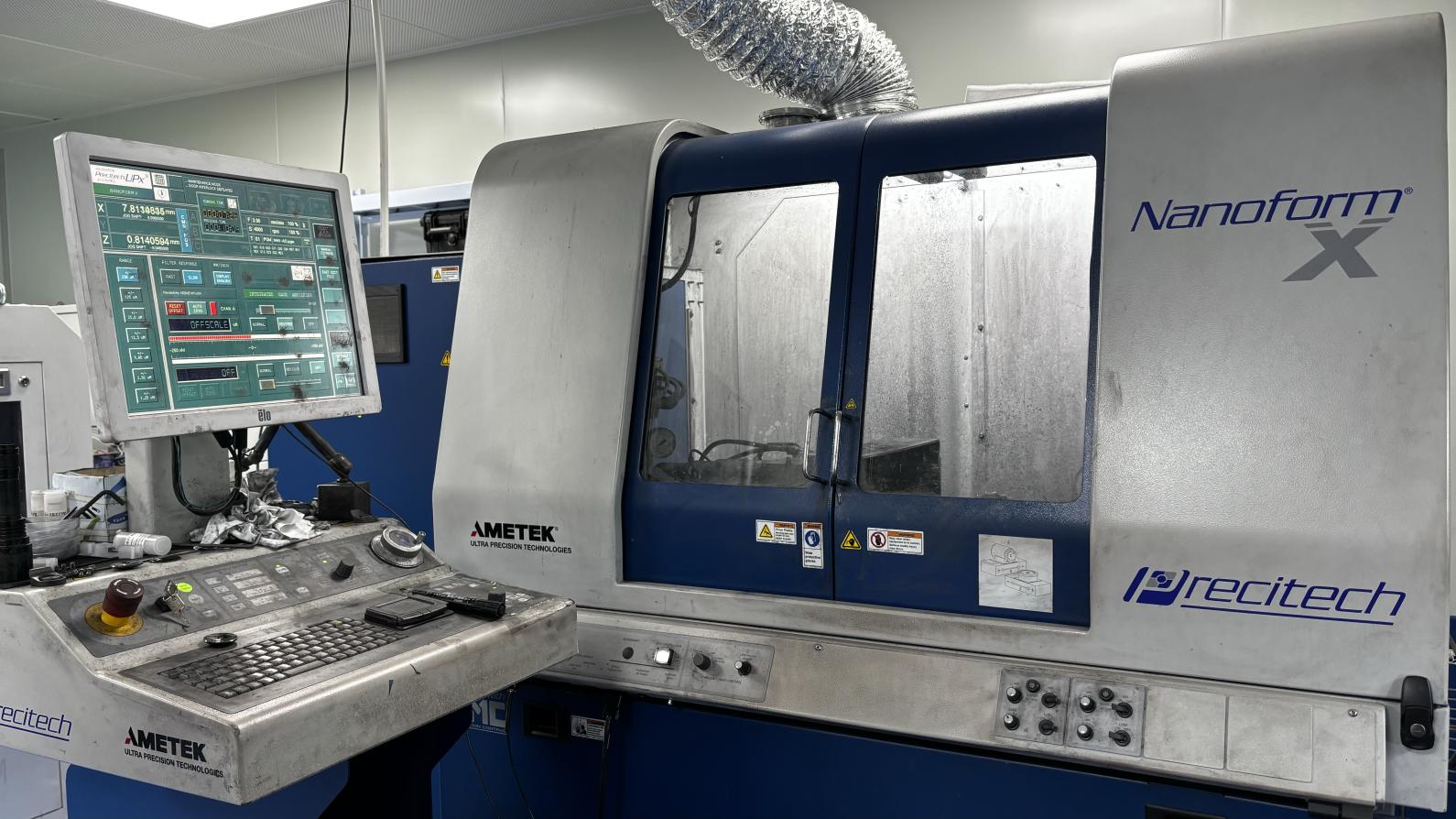
Operating strictly under ISO 9001 and verified internally for mechanical reliability, our quality inspectors monitor raw materials to finished products. We utilize high-resolution optical testing, automated contact tension measurements, and simulated aging environments to achieve zero-defect delivery.
Transolix is a professional manufacturer specializing in high-performance connectivity solutions for global data centers, telecom operators, and enterprise networks. With robust engineering capabilities and scalable production capacity, Transolix delivers reliable, high-speed, and cost-effective fiber optic and copper networking connections. Let's look at the numbers that define our capabilities:
Our product inspection methods incorporate automated optical testing, eye diagram analysis, aging tests, and 100% final performance verification. Supported by 42 quality control professionals, we ensure compliance with international certifications and strict internal reliability parameters.
With 860 certified upstream suppliers including critical chipsets, high-grade plastics, and custom optics, we secure supply chains. Last year, our team launched 86 new product models, proving our engineering agility in high-speed optical and copper transmission.
The growth of edge computing and the Internet of Things (IoT) has caused a surging demand for copper networking interfaces that deliver power alongside high-speed data. Power over Ethernet (PoE) technology has developed from the standard IEEE 802.3af (15.4W) to the modern IEEE 802.3bt (PoE++ Type 4), which transmits up to 90W of power over standard balanced twisted-pair cables.
This continuous increase in power density creates challenges for RJ45 modular jack designs:
Global network integrators and hardware developers require more than catalog parts. They need partners who can offer strategic engineering support:
From standard networking to harsh industrial and high-speed data center interfaces.
Factory environments present challenges like vibration, dust, and electrical noise. Here, heavy-shielded IP67/IP68 waterproof pass-through connectors protect critical PLC, robot controller, and sensor interfaces from moisture and dirt.
Integrated magnetic RJ45 connectors are standard in high-density enterprise routers, access points, and residential gateways. By placing the magnetic components inside the port, designers save valuable PCB space near high-speed processors.
In modern dense server rooms, low-profile and vertical SMT mounting methods allow connectors to fit on compact carrier boards, supporting reliable out-of-band management links.
Explore our full line of shielded modular jacks, vertical mounting options, and magnetic RJ45 connectors.
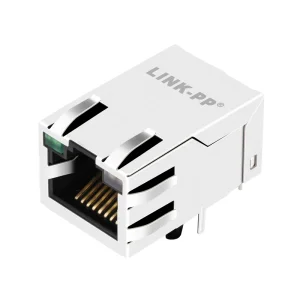
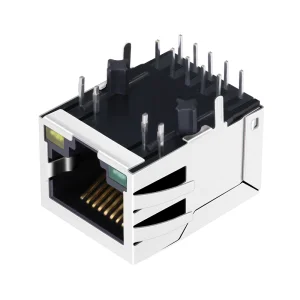
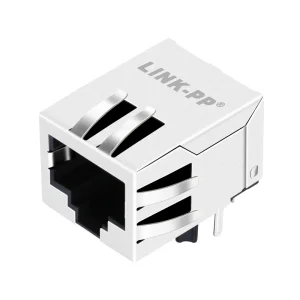
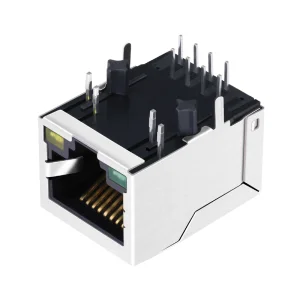
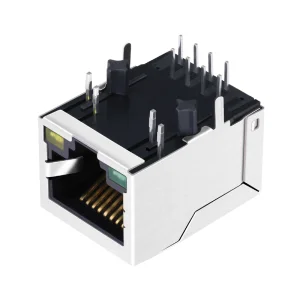
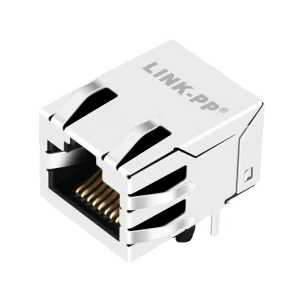
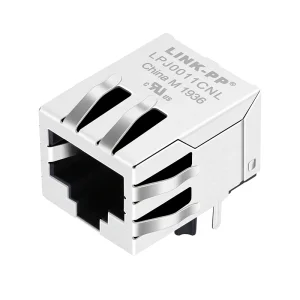
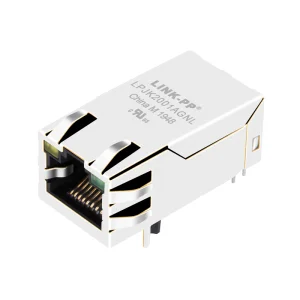
A look inside our manufacturing processes, including clean rooms, signal analysis stations, and automated packing operations.



Answers to common engineering and sourcing questions about single port RJ45 female connectors.
An integrated RJ45 magnetic connector (Magjack) contains internal components—including isolation transformers, common mode chokes, and termination resistors—inside the connector's metal shielding. This configuration isolates EMI and protects transceiver chips from voltage spikes directly at the port, saving PCB space. A standard modular jack lacks these internal components, meaning designers must place discrete magnetics on the PCB.
Through-Hole Technology (THT) uses solder pins that pass through the PCB, providing high mechanical strength that helps withstand frequent cable insertions and extractions. Surface Mount Technology (SMT) or Pin-in-Paste (PIP) solutions are preferred for highly automated assembly lines and double-sided PCBs, though they may require additional mechanical tabs to handle mechanical stress.
For 10G Base-T systems, shielding must extend over the entire connector housing with minimal gaps. The shield should feature ground tabs (EMI fingers) that contact the chassis to keep ground loops short. Contact plating thickness (typically 30u" to 50u" gold plating) and internal PCB traces designed for differential impedance matching are also essential to meet IEEE 802.3an requirements.
Yes. We offer customized mechanical footprints, pin layouts, LED configurations (single color, bi-color, or multi-color), and various shielding configurations. Our R&D team can customize internal transformer designs to match specific transceiver IC requirements.
 Transolix