Select engineered interconnect components built for ultra-thin network interface configurations and high signal clarity.
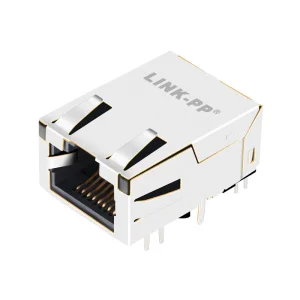
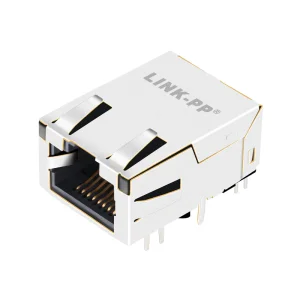
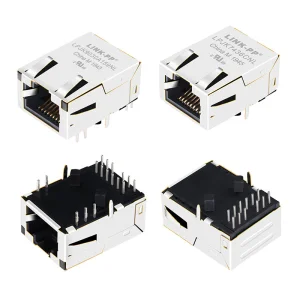
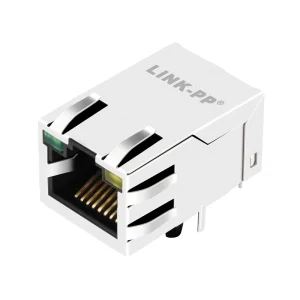
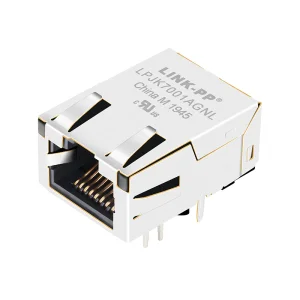
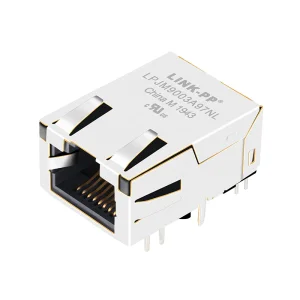
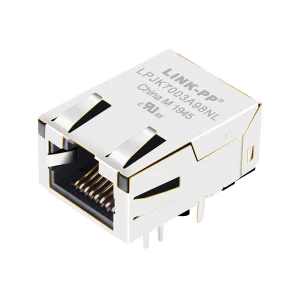
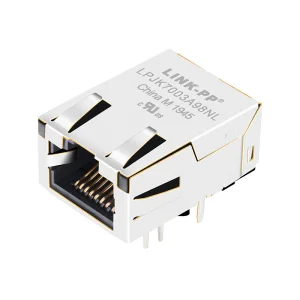
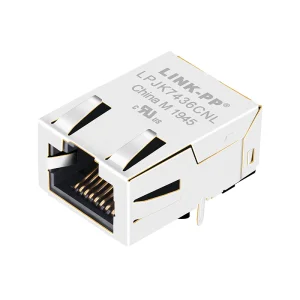
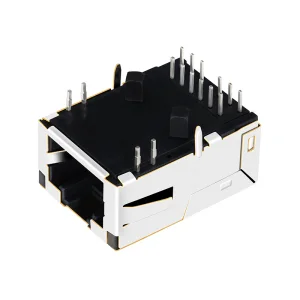
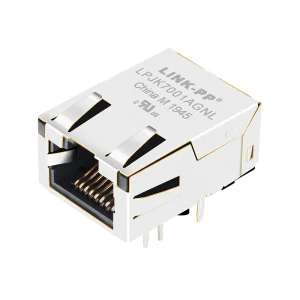
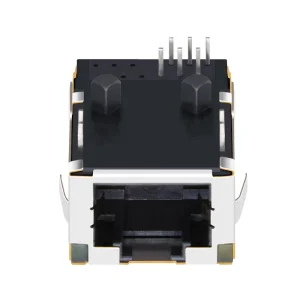
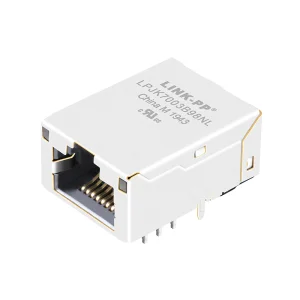
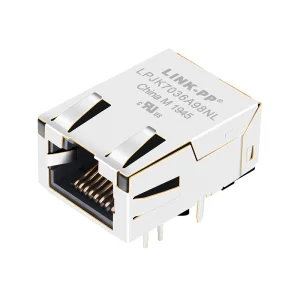
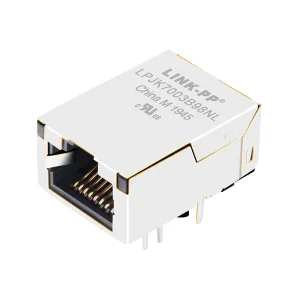
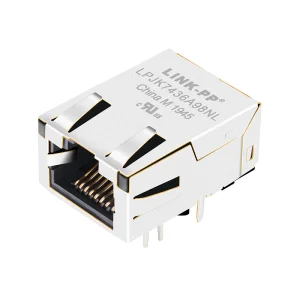
In modern dense telecommunications layout architectures, physical space on the printed circuit board (PCB) is at an extreme premium. A Low Profile RJ45 Female Connector is structurally designed to minimize the vertical height profile compared to standard standard RJ45 modular jacks. Standard connectors typically stand 15mm to 18mm high off the board surface, whereas low-profile iterations push boundaries down to 11.5mm, 11mm, or even under 10mm.
This physical reduction is crucial for applications such as 1U rack servers, slimline router designs, network interface cards (NICs), blade computing blades, and consumer IoT gateways where chassis height limits component footprint selection. By recessing the contact structures and engineering internal magnetic modules to be flatter (Tab-Up or Tab-Down), engineers can realize significant height clearance without sacrificing electrical shielding (EMI/RFI protection) or structural mating integrity.
Backed by Transolix’s extensive production capacity, R&D engineering depth, and certified industrial facilities.
Founded in 2016, Transolix is a leading high-performance communications hardware and interconnect components supplier, recognized globally for data center, telecom, and industrial networking solutions. From our specialized 320㎡ high-precision design and testing center to our collaborative factory ecosystem involving over 860 certified upstream supply partners, Transolix focuses on continuous innovation.
Our product inspection protocol is rigorous: featuring automated optical inspection (AOI), eye-diagram analysis, aging tests, and 100% final performance verification. With 42 dedicated QC staff members, we ensure compliance with ISO 9001 and strict internal reliability metrics. This infrastructure directly feeds into the engineering of our low-profile RJ45 female connectors, making them capable of sustaining optimal return loss, crosstalk reduction, and mechanical longevity.
An integrated magnetic RJ45 connector combines the physical interface (8P8C) with internal electromagnetic filtering components (transformers, common-mode chokes, resistors, and capacitors). Under low-profile configurations, designing these micro-magnetics to fit inside a sub-11mm height requires highly specialized automated wire winding and PCB layouts.
Advantages: Incorporating magnetics inside the connector housing saves substantial board space, isolates the PHY chip from voltage surges, and improves electromagnetic compatibility (EMC) by keeping the return path short.
For system designers who prefer to route and place discrete transformers on the motherboard, non-magnetic modular jacks offer a purely mechanical connection. These are often the lowest profile connectors available, sometimes achieving height clearances below 9mm.
Advantages: Lower unit cost, maximum layout flexibility, and simplified board assemblies when dealing with multi-port high-density designs where custom magnetic arrays are required.
Mapping the future of low-profile Ethernet interconnects from IoT edge nodes to high-speed data centers.
With the rapid adoption of Wi-Fi 6E/7 access points, enterprise switches are migrating towards 2.5G, 5G, and 10G Base-T speeds. Low profile RJ45 female sockets must handle high-frequency signaling without introducing parasitic capacitance.
Compact DIN-rail controllers, automated assembly systems, and automotive diagnostic units require low profile form-factors that can handle intense vibration, thermal cycling, and harsh chemicals.
Metallic shield grounding tabs (top, side, and rear) are integrated directly into our low-profile shells to ground high-frequency noise and prevent chassis radiation in sensitive medical or military environments.
At Transolix, we recognize that off-the-shelf components may not meet specialized clearance requirements. Our engineering team, consisting of 128 specialists, offers rapid modification capability. Custom configurations include adjusted contact pins, unique mounting pegs (plastic posts vs. solderable ground pins), specialized LED color combinations (Green/Yellow, Green/Green, Red/Yellow), and varied gold-plating thicknesses depending on cycles of insertion required (ranging from 1500 to 5000+ mating cycles).
Ensuring hardware reliability, standard conformance, and continuous supply chain resilience.
Global manufacturing operations require absolute conformity to standards. Transolix ensures that all manufactured RJ45 connectors are 100% compliant with RoHS (Restriction of Hazardous Substances) and REACH regulations, assuring lead-free wave soldering profiles can be safely applied during PCB assembly.
Furthermore, our connectors comply with UL 94V-0 flammability ratings, protecting critical data center environments from propagation of internal heat failures. In terms of mechanical strength, every unit is verified to endure harsh plug insertion and extraction metrics under EIA-364-13 standards.
By working with over 860 certified upstream component and material vendors, we protect our clients from critical raw material shortages (copper, plastics, plating gold). Our production schedules are backed by structured logistics networks, offering seamless cross-border shipping across key international trade zones.
Answering typical engineering and procurement inquiries regarding low-profile connector implementation.
Alternative layouts and higher speed models suited for diverse networking system designs.
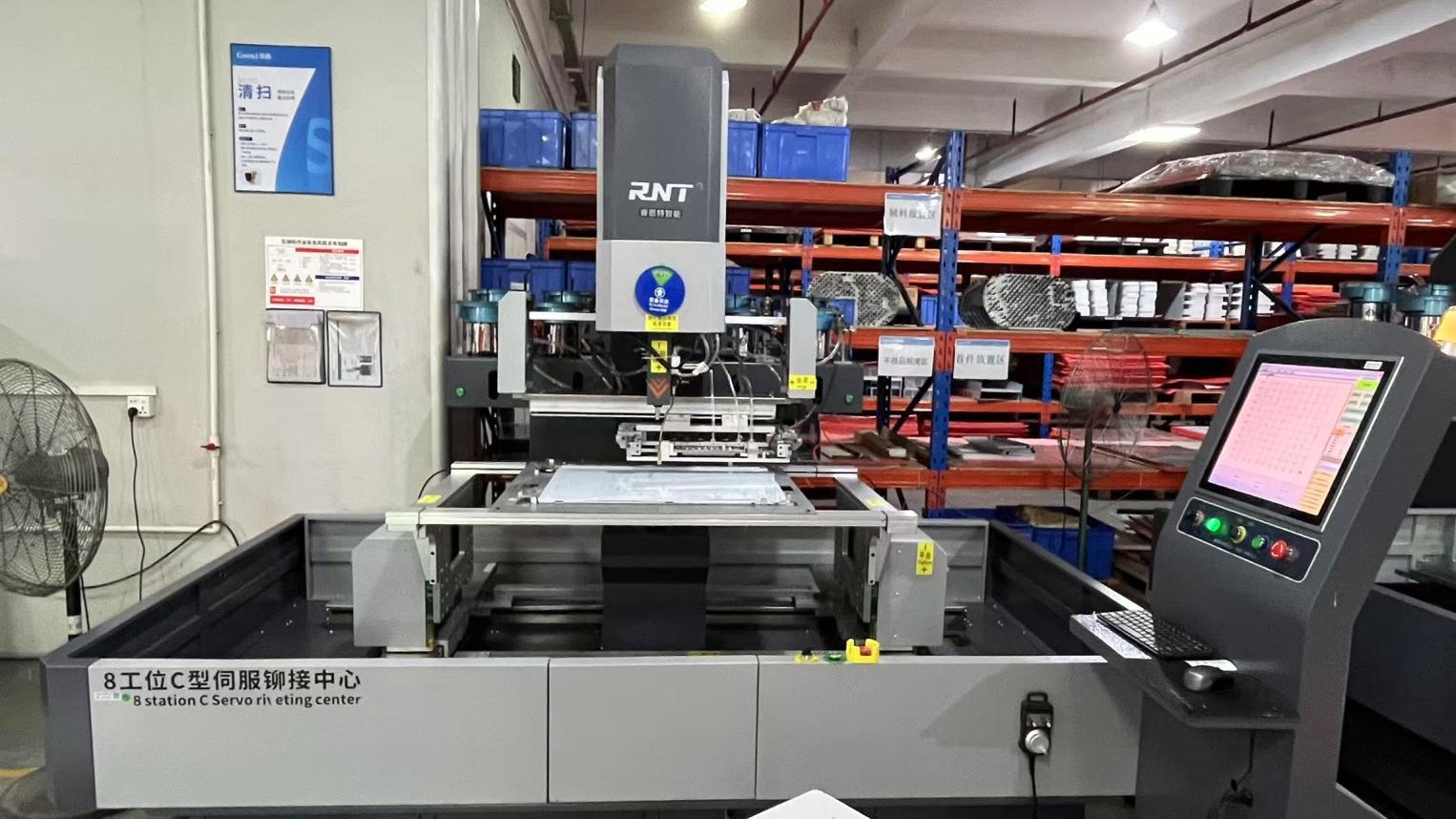
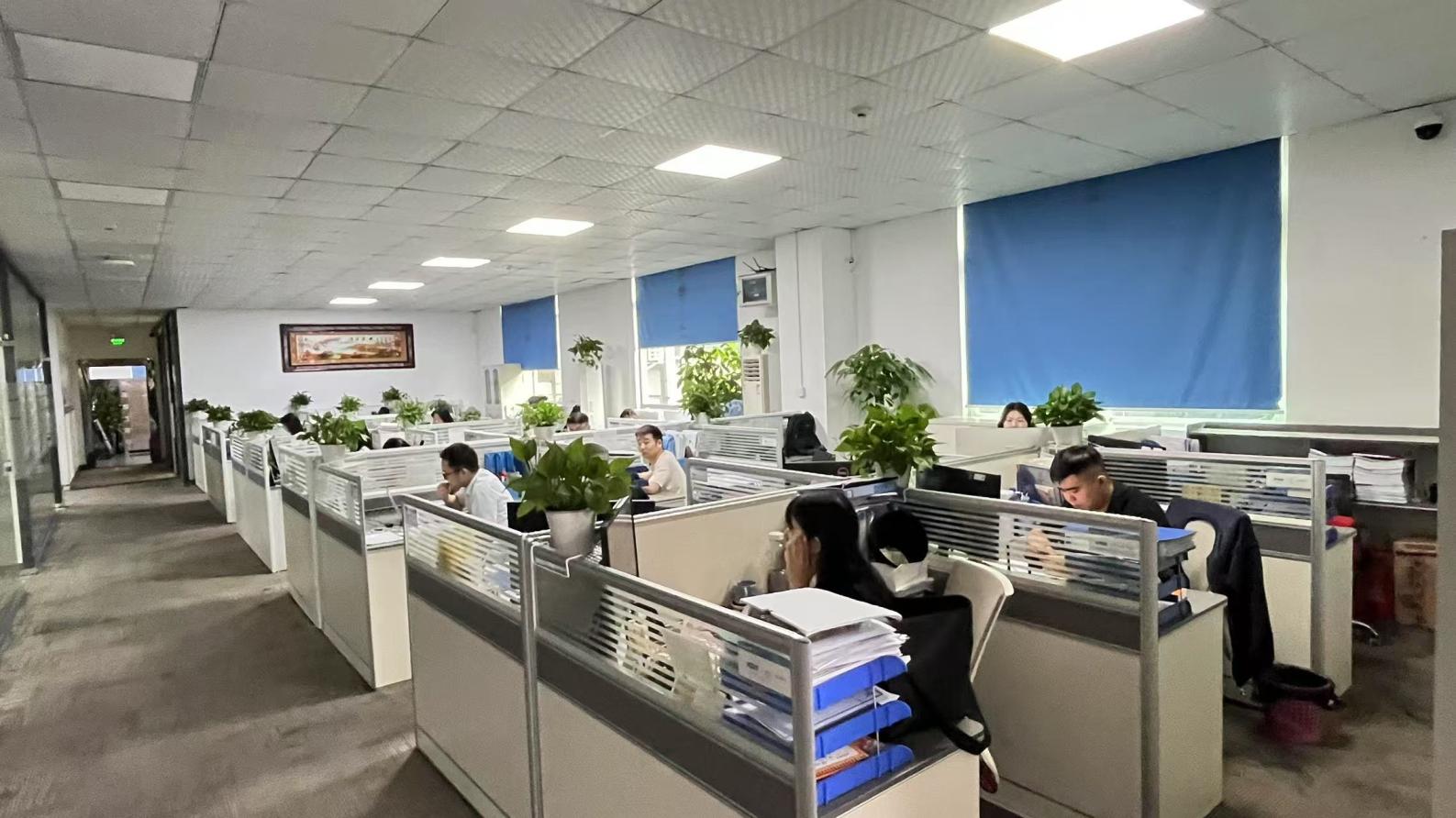
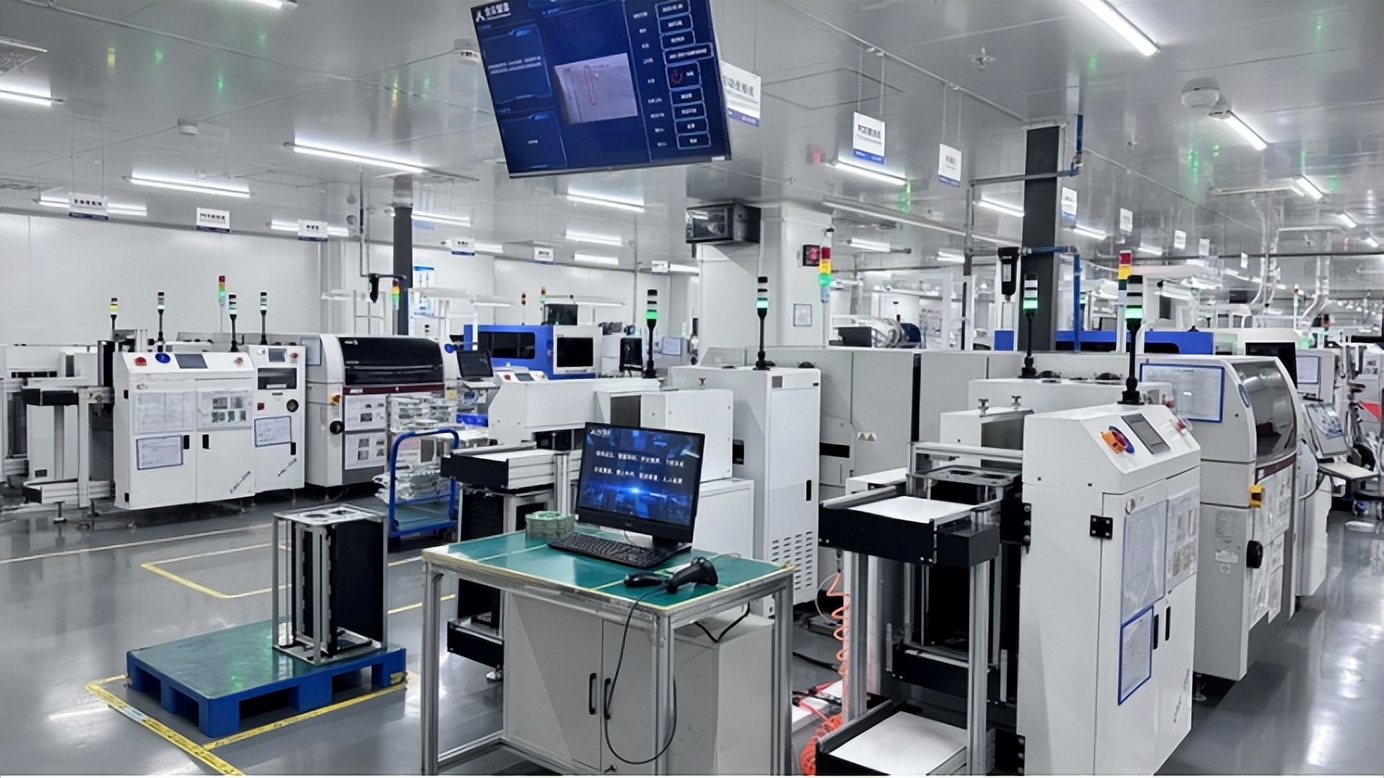
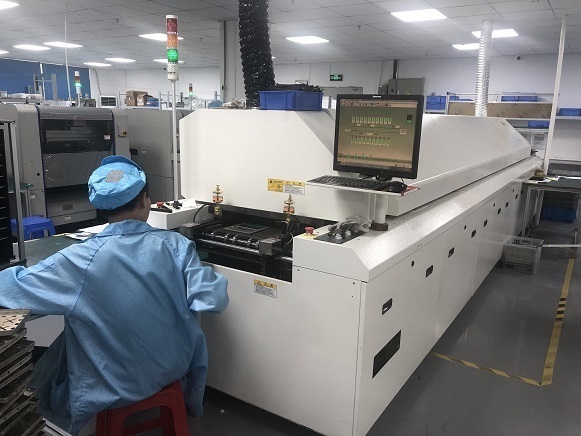
Peek inside our precision production lines, mechanical testing bays, and optical inspection rooms.

 Transolix