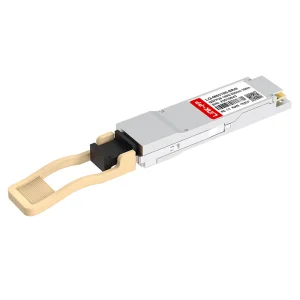
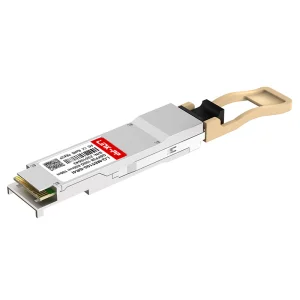
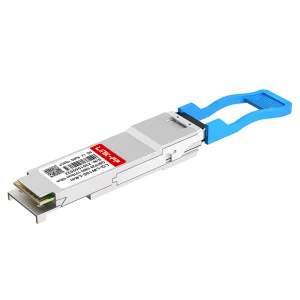
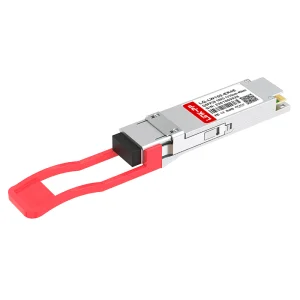
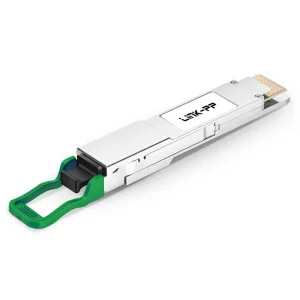
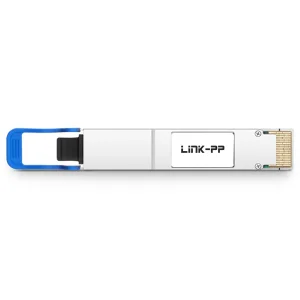
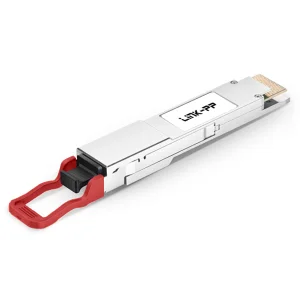
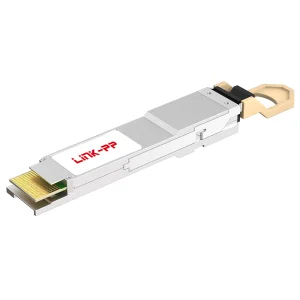
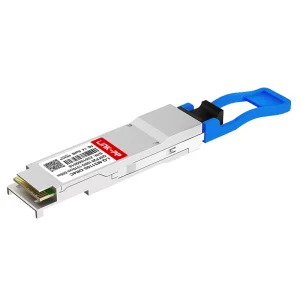
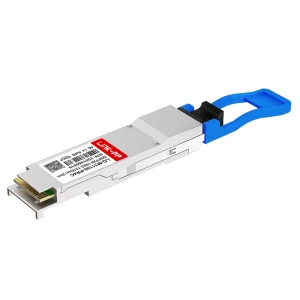
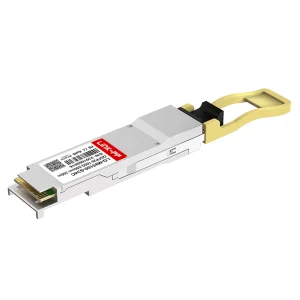
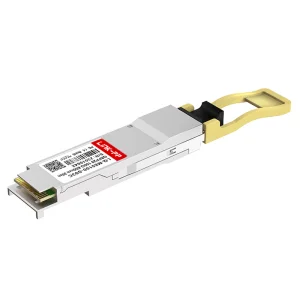
Explore our production-ready, MSA-compliant optical modules designed for telecom and enterprise data centers.
Transolix is a specialized optical transceiver manufacturer focused on engineering high-density, reliable connectivity solutions.
Transolix specializes in the R&D and production of advanced optical transceivers for data centers, telecommunications networks, and corporate enterprise infrastructure. Backed by 11 years of deep industry expertise and 6 years of cross-border trade, we deliver robust, high-performance optical interconnects that support scaling network workloads.
Our operation comprises a dedicated 320㎡ engineering hub that ensures precise validation and firmware optimization. Working alongside 860 certified upstream raw material suppliers, we assure that our components from lasers to digital signal processors meet strict tolerances before integration.

Understanding how global enterprise segments utilize different tiers of high-speed interconnect configurations.
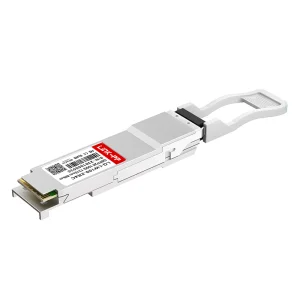
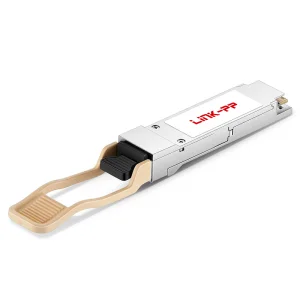
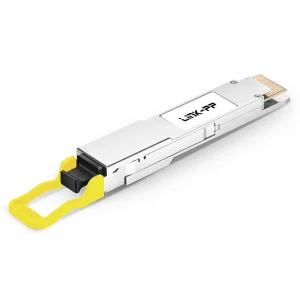
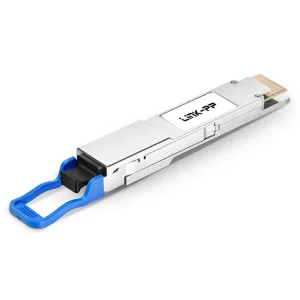
In contemporary machine learning computing nodes, 400G QSFP-DD PAM4 SR8 and DR4 modules offer the low-latency link profiles required for parallel GPU communication. They minimize cluster congestion, maximizing raw AI training efficiency.
Utilizing 100G/400G single-mode long-reach transceivers like the 100GBASE-LR4 and 400GBASE-LR8, telcos route traffic across regional rings spanning up to 10km to 40km without requiring costly intermediate inline repeaters.
Deploying 100G Base-T Ethernet MPO modules and QSFP28 850nm MMF devices across corporate main distribution frames to aggregate access switches, delivering cost-effective fiber links across localized campus infrastructures.

Every transceiver batch is subjected to rigorous hardware validation. By implementing automated optical testing and digital eye-diagram analysis, we determine the jitter performance, transmitter extinction ratio, and receiver sensitivity margin of our modules.
Transolix modules are subjected to systematic high-temperature aging chambers to screen out early optoelectronic component failures. This process delivers reliability that minimizes on-site maintenance expenses for data center managers.
Navigating from established NRZ technologies to high-density PAM4 and emerging Co-Packaged Optics architectures.
To keep pace with the growth of data center processing loads, the telecommunications market is scaling up from traditional 100G (4x25G NRZ) systems toward 400G and 800G modules utilizing 50G/100G per-lane PAM4 (Pulse Amplitude Modulation 4-Level) signal encoding. This transition doubles bandwidth efficiency within the same physical fiber geometry.
Transolix R&D is focused on addressable industry opportunities like Linear Drive Pluggable Optics (LPO) and Silicon Photonics (SiPh). By eliminating external DSP units in select hardware designs, we reduce device power consumption and latency—a key factor for modern hyperscale compute rings.

| Module Category | Form Factor | Modulation Type | Typical Reach Options | Ideal Application Case |
|---|---|---|---|---|
| 100G Modules | QSFP28 | NRZ / PAM4 (Single-Lambda) | 100m (SR4), 10km (LR4), 40km (ER4), 80km (ZR4) | Enterprise Core, Metro Edge & Cloud Uplinks |
| 200G Modules | QSFP56 / QSFP-DD | PAM4 (4x50G) | 100m (SR4), 2km (FR4), 10km (LR4) | AI Compute Clusters, Mid-tier cloud networking |
| 400G Modules | QSFP-DD / OSFP | PAM4 (8x50G / 4x100G) | 500m (DR4), 2km (FR4), 10km (LR8/LR4), 40km (ER8) | AI Backbone Interconnects, Hyperscale Spine-Leaf Core |
Why leveraging Transolix's integrated manufacturing matrix offers sustained cost and deployment advantages.
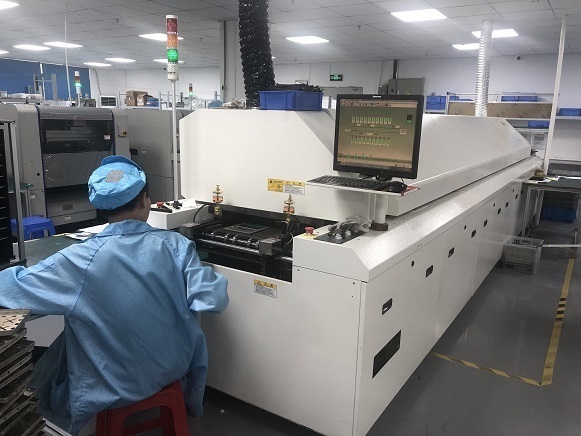
By operating inside China's deep optoelectronic supply hubs, Transolix maintains direct communication with a network of 860 certified upstream manufacturers. This enables continuous access to crucial subcomponents, including laser diodes, photodiodes, and TOSA/ROSA elements, mitigating shortages that disrupt international projects.
Our factory utilizes high-efficiency production lines that support quick adjustments between different form factors (QSFP28, QSFP56, QSFP-DD). This adaptability minimizes tooling downtime, allowing us to roll out custom modules and prototypes efficiently.
Transolix employs 42 dedicated quality assurance professionals to verify that our components meet international standards. From the inspection of wafer dies to testing with digital eye-diagram parameters, each transceiver is validated to match specified bit-error-rate limits.
Our quality system is ISO 9001 certified. We also perform multi-vendor firmware optimization, ensuring out-of-the-box hardware integration with network switches from Cisco, Juniper, Arista, and other OEMs.

Delivering certified network hardware to Tier-1 infrastructure markets across Europe, North America, and Asia.
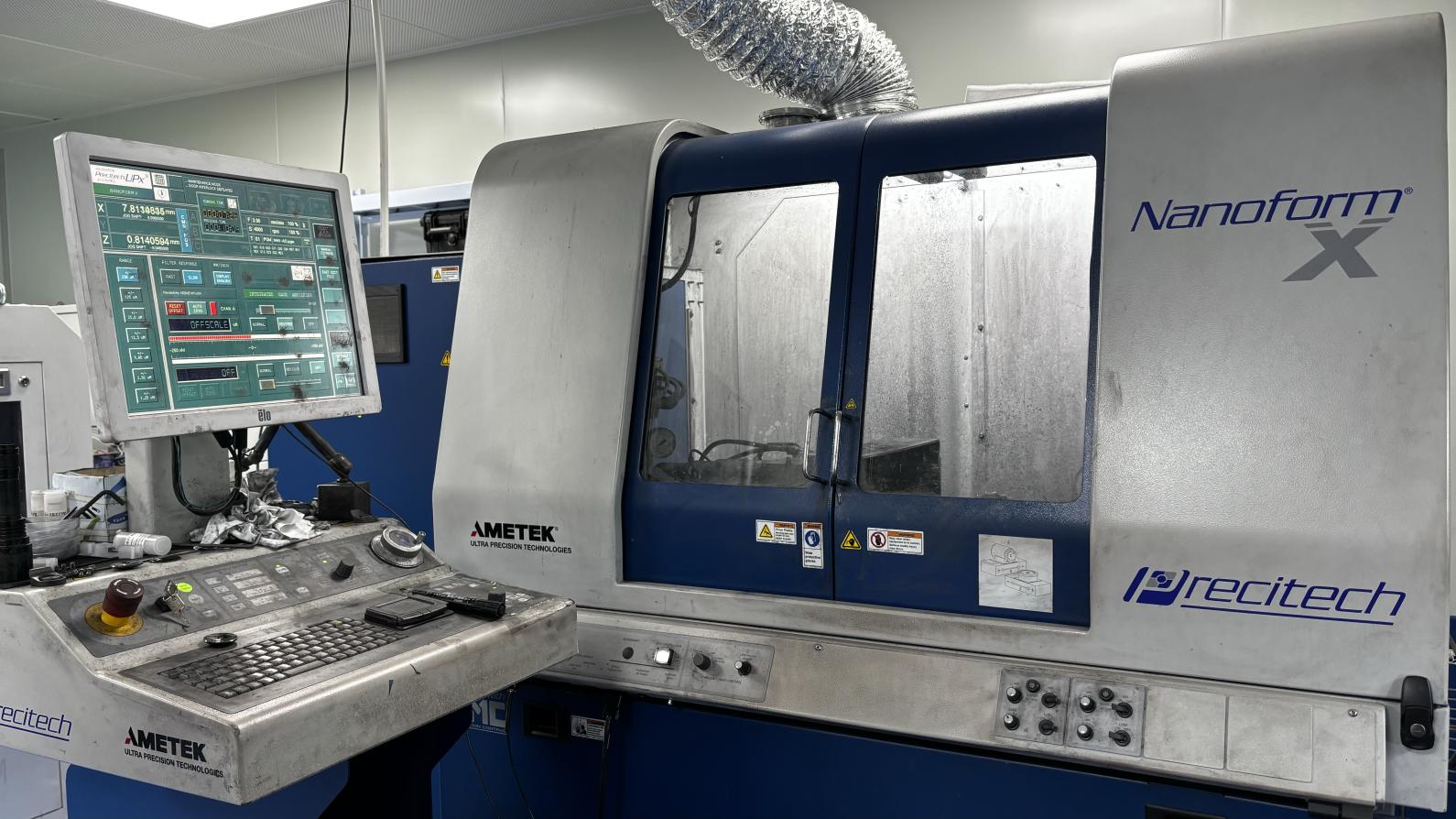
Exporting optical transceivers globally requires compliance with safety, environmental, and electromagnetic compatibility frameworks. Transolix ensures that all 100G, 200G, and 400G products conform to CE, FCC, RoHS, and REACH guidelines, facilitating easy integration into international network setups.
Our engineering support services help customers design systems matching their specific requirements. Whether you require custom wavelengths, specific link reach options, or multi-vendor hardware compatibility, our team can write and test custom EEPROM firmware to match your setup.
Addressing common installation, compatibility, and design queries from network engineers.
NRZ (Non-Return-to-Zero) uses two voltage states to represent 1s and 0s, sending 1 bit per clock cycle. PAM4 (Pulse Amplitude Modulation 4-Level) utilizes four signal levels, enabling it to transmit 2 bits per cycle. This effectively doubles the bandwidth capacity without needing double the physical fiber infrastructure, making it the standard choice for 200G and 400G systems.
We operate compatibility verification labs equipped with target switches from major brands (including Cisco, Arista, Juniper, Dell, and HP). Our engineers program each module's EEPROM/MCU to ensure that domestic DOM/DDM values and identification registers match the switch operating system requirements.
Connector selection depends on the optical interface. For multi-lane parallel optical setups like the 400G DR4, MPO/MTP-12 connectors are standard. For multiplexed duplex single-mode links like the 400G FR4 or LR4, duplex LC connectors are typically used.
Important diagnostic parameters include input/output optical power levels, transceiver bias current, operating temperature, and Bit Error Rate (BER). Transolix modules feature integrated DDM (Digital Diagnostic Monitoring) functionality, giving network administrators real-time visibility into these metrics.
Select options for specialized network configurations, including long-reach single-mode and high-density multimode systems.
 Transolix