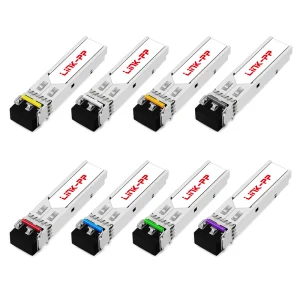
Browse our curated selection of high-reliability SFP connectors, cages, and optical modules engineered to withstand demanding operational parameters in modern communication systems.
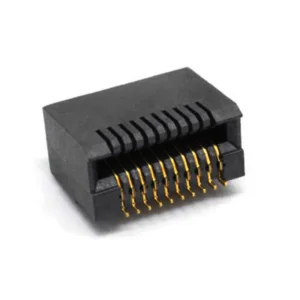
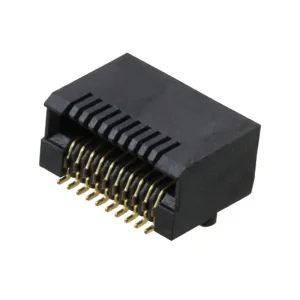
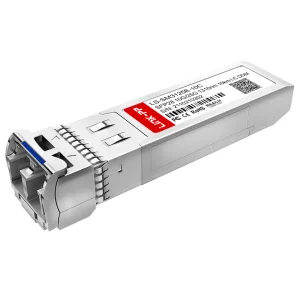
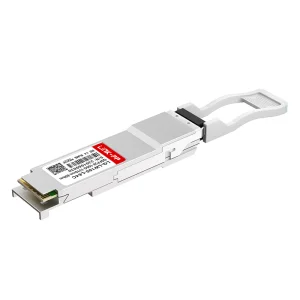
In high-density optical transceiver networks, the physical layer connector and mechanical cage housing act as the primary interface ensuring high frequency signal fidelity. As bandwidth requirements escalate from 10 Gbps and 25 Gbps up to multi-gigabit speeds, signal integrity (SI) parameters such as Insertion Loss (IL), Return Loss (RL), and Near-End Crosstalk (NEXT) become highly sensitive to spatial tolerances and material quality.
High-performance SFP cages are engineered with specialized EMI grounding tabs, elastomeric gaskets, and spring fingers to contain radiation leakages. Our 1x1 and multi-port configurations utilize strict mechanical sealing to prevent electromagnetic crosstalk between adjacent channels.
The electrical contact system utilizes Phosphor Bronze base materials plated with precision gold layers (ranging from 15u" to 30u") over nickel. This minimizes contact resistance, guarantees durability over hundreds of hot-plug cycles, and prevents interface oxidation.
Our advanced cage architectures feature integrated riding heat sinks and ventilation apertures to maximize airflow. By dissipating heat generated by optical transceivers, we prevent thermal runaway and ensure continuous uptime in enterprise switches.
Transolix is an optical transceiver and high-speed connector manufacturer specializing in fiber optic communication systems for global data centers, telecom operators, and enterprise networks. With deep physical-layer design capabilities and highly optimized production systems, we deliver certified optical connectivity products worldwide.
Quality assurance at Transolix is not an afterthought; it is built into the physical assembly line. Operating under ISO 9001 and strict internal reliability guidelines, our quality verification structure features a dedicated staff of 42 QC professionals who execute continuous testing processes.
With 128 R&D engineers, Transolix transforms product requirements into physical products. We support comprehensive firmware and hardware customization to resolve system compatibility bottlenecks across legacy and modern network ecosystems.
As optical architectures transition from 10G/25G SFP28 toward 50G/100G per-lane architectures, connector designs must evolve to manage higher frequencies, tighter physical spaces, and thermal loads.
| Interface Form Factor | Typical Data Rate per Lane | Signaling Method | Connector Contact Style | Key Challenges Addressed |
|---|---|---|---|---|
| SFP / SFP+ | 1 Gbps to 10 Gbps / 16 Gbps | NRZ | Card Edge (20-Pin SMT) | Standard compliance, basic EMI containment. |
| SFP28 | 25 Gbps to 28 Gbps | NRZ / PAM4 | Optimized 20-Pin SMT (30u" Gold) | Resonance suppression, impedance control (100±5Ω). |
| QSFP28 / QSFP56 | 25 Gbps x 4 / 50 Gbps x 4 | NRZ / PAM4 | High-Density 38-Pin SMT | Near-End Crosstalk (NEXT) reduction, multi-port cage thermal paths. |
| QSFP-DD / SFP-DD | 50 Gbps / 112 Gbps per lane | PAM4 | Double-Density Stacked Contacts | Extreme density, structural heat dissipation, co-packaged optics (CPO) alignment. |
Our R&D roadmap focuses on four primary architectural improvements to address future computing requirements:
Transolix designs interconnect solutions that address the specific performance, reliability, and cost parameters of various industrial applications.
In high-density switching fabrics, link failures cause traffic routing penalties. Our 30u" gold-plated connectors (such as the E81M0-002-02-LT) and QSFP28 modules ensure stable, low-latency performance under thermal loads. Certified compliance with MSA standards ensures multi-vendor hardware interoperability.
With networks transitioning to 5G and open-RAN architectures, equipment must operate reliably in unconditioned remote sites. Transolix provides industrial-grade transceivers and ruggedized connector assemblies engineered to withstand extreme temperatures, moisture, and vibrational stresses.
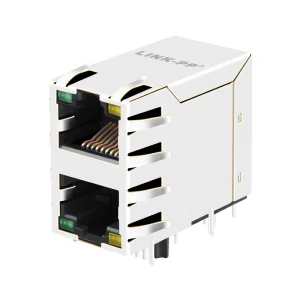
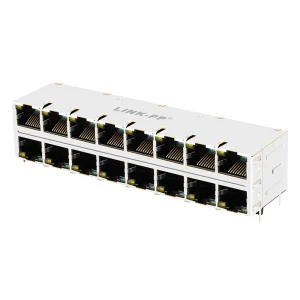
Factory floors and smart-grid substations present harsh electromagnetic environments. Our shielded RJ45 modular jacks and SFP cage assemblies feature advanced ground designs to prevent EMI/RFI-induced packet loss and ensure stable field bus communications.
Operating from a specialized engineering and manufacturing facility, Transolix utilizes lean manufacturing principles and a vertical integration model to provide stable supply networks and cost-competitive interconnect solutions.
Global B2B procurement requires supply chains that can withstand trade fluctuations, localized raw material shortages, and shipping bottlenecks. Transolix has built a robust supply network featuring 860 certified upstream vendors. This ensures access to critical components, including:
By diversifying component sourcing and maintaining an active inventory of raw materials, we insulate our clients from manufacturing delays.
Our production facility coordinates high-volume output with precision tolerances. Automated assembly machinery minimizes human error in mechanical step heights and gold-plating thickness, while integrated traceability systems record test histories for every serialized module shipped.
This control structure ensures that every component—whether a 5G SMT SFP Connector or a 100G QSFP28 Transceiver—maintains strict compliance with target electrical and optical specifications.
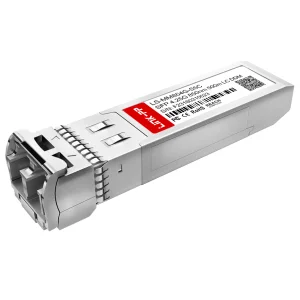
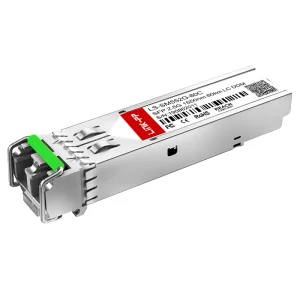
Explore our full-featured transceiver modules and network connectors designed to meet MSA specifications and integrate with leading OEM hardware.
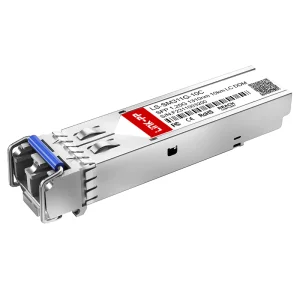
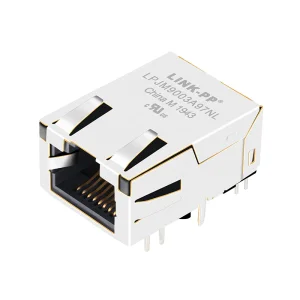
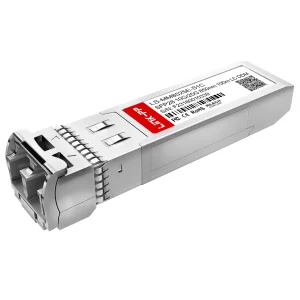
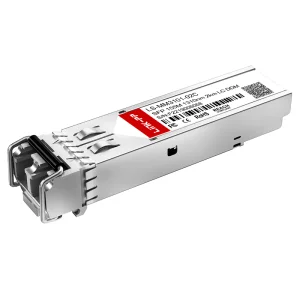
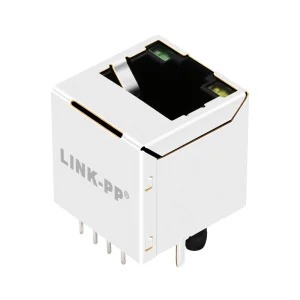
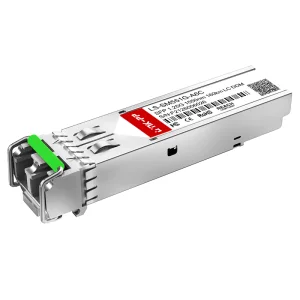
Transolix operates advanced assembly cleanrooms, engineering evaluation labs, and warehouse units to maintain high product quality and reliable delivery timelines.


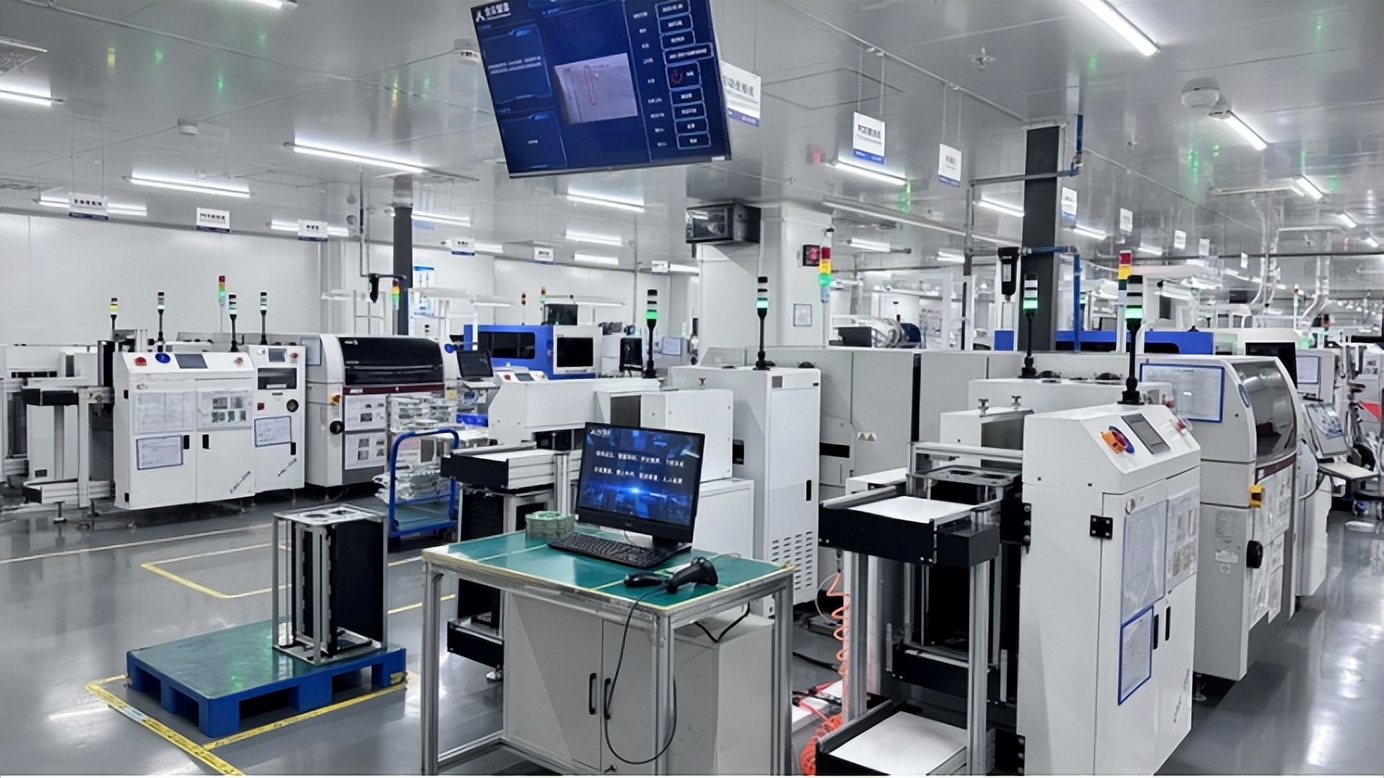
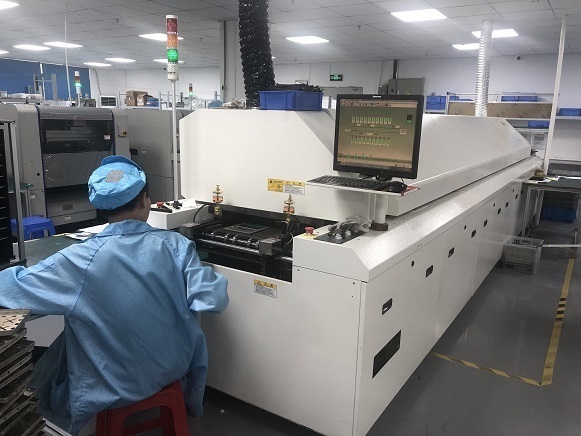

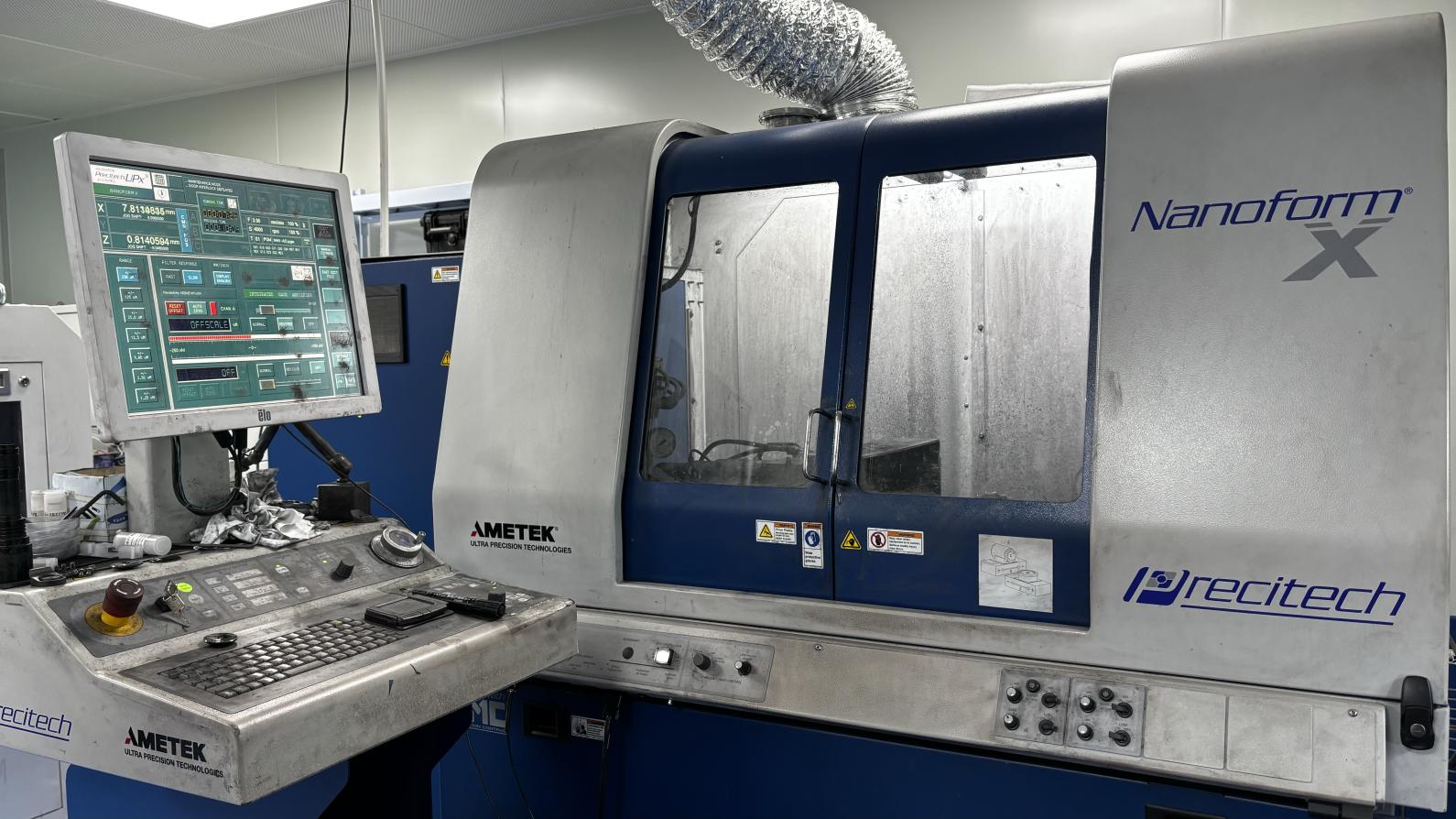
Providing components to international B2B buyers requires matching engineering capabilities with reliable trade operations. Transolix supports procurement teams with robust technical and logistics workflows.
With six years of direct B2B export operations, Transolix ships components to North America, Europe, Southeast Asia, and the Middle East. We process customs clearing steps, handle Incoterms (FOB, CIF, DDP, EXW), and package shipments to safeguard optical components during transit.
We comply with international environmental and electrical safety directives. Transolix products conform to standard industry directives, ensuring smooth integration into your final system configurations:
Find technical answers addressing common questions from network engineers and procurement professionals regarding SFP cages, connectors, and optical modules.
The gold plating thickness directly impacts the durability and contact resistance of the electrical interface. A 15u" gold layer (such as in E81M0-002-01-LT) is suitable for cost-effective applications with moderate mating cycles. A 30u" gold layer (such as in E81M0-002-02-LT) provides superior protection against oxidation, corrosion, and wear, making it the preferred choice for mission-critical enterprise systems and high-density installations that require frequent insertions.
SFP cages are designed with conductive metals (like copper-nickel alloys) and feature integrated grounding spring fingers or elastomeric gaskets. These elements make electrical contact with the chassis bezel, creating a Faraday cage around the optical module interface. This containment isolates high-frequency noise and prevents EMI leakages from degrading nearby signals or violating regulatory emissions standards.
Every module undergoes testing for Tx optical power, Rx sensitivity, eye diagram quality (assessing jitter and extinction ratio), operating current, wavelength accuracy, and temperature stability. We also perform a real-world host communication test to ensure the module's Digital Diagnostic Monitoring (DDM) interface reads accurately.
Yes, our SMT SFP connectors are molded using High-Temperature Liquid Crystal Polymer (LCP). This material maintains structural integrity and terminal coplanarity under lead-free reflow temperature profiles reaching peak values of 260°C.
Our R&D engineering lab maintains a library of switch platforms from manufacturers like Cisco, HPE Aruba, and Juniper. We read and verify the EEPROM firmware configuration (MSA compliant address A0h and A2h tables) to ensure our custom-programmed modules initialize correctly and report no host compatibility warnings.
 Transolix