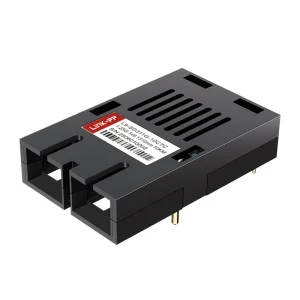
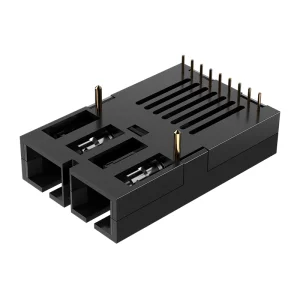
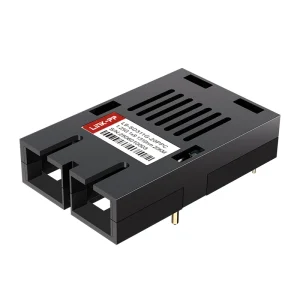
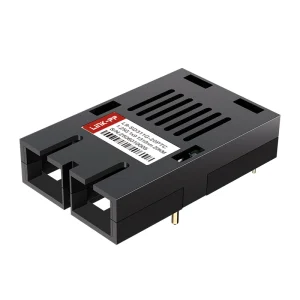
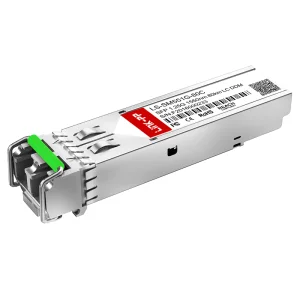
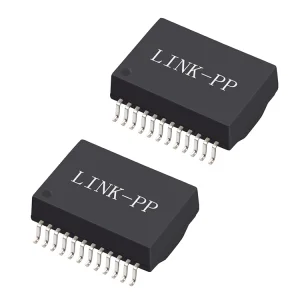
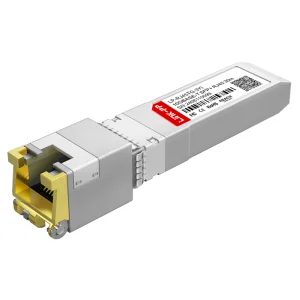
Explore our technical-grade 1x9 optical modules and transceivers, designed for long-term field stability and severe-environment durability.
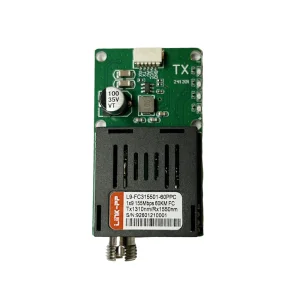
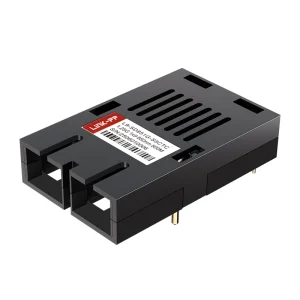
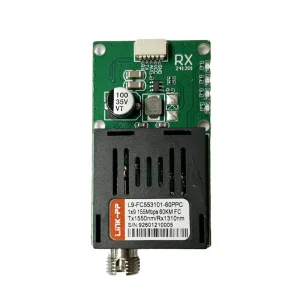
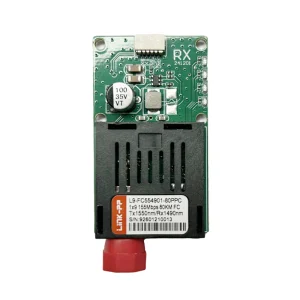
In the rapidly changing landscape of optoelectronics, the industry's shift toward high-density pluggable formats like SFP, QSFP-DD, and OSFP has captured significant focus. However, in legacy telecommunication systems, aerospace avionics, and harsh industrial environments, the 1x9 optical transceiver remains a reliable, irreplaceable standard. Unlike modular components that use leaf springs or slide connectors, the 1x9 module features a dual-in-line (DIP) pin configuration soldered directly onto the host printed circuit board (PCB). This pin-through-hole architecture provides high resistance to vibration, thermal cycling, and mechanical stress, making it a preferred choice for critical control loops and signal-routing environments.
Additionally, the electrical interfaces of 1x9 transceivers utilize basic signaling protocols like Pseudo-Emitter Coupled Logic (PECL) or Transistor-Transistor Logic (TTL). By using direct, low-latency analog logic channels rather than the complex serializing/deserializing and dynamic link negotiations of modern pluggable optics, 1x9 transceivers ensure continuous connection stability. This simplicity reduces link-state failures and startup times, which is essential for industrial safety systems and air/ground traffic control.
The global market for 1x9 transceivers continues to show resilience. While standard enterprise data centers have transitioned to high-speed pluggable transceivers to support cloud-scale workloads, industrial and public sector infrastructures rely on 1x9 modules. This sustained demand is driven by several key areas:
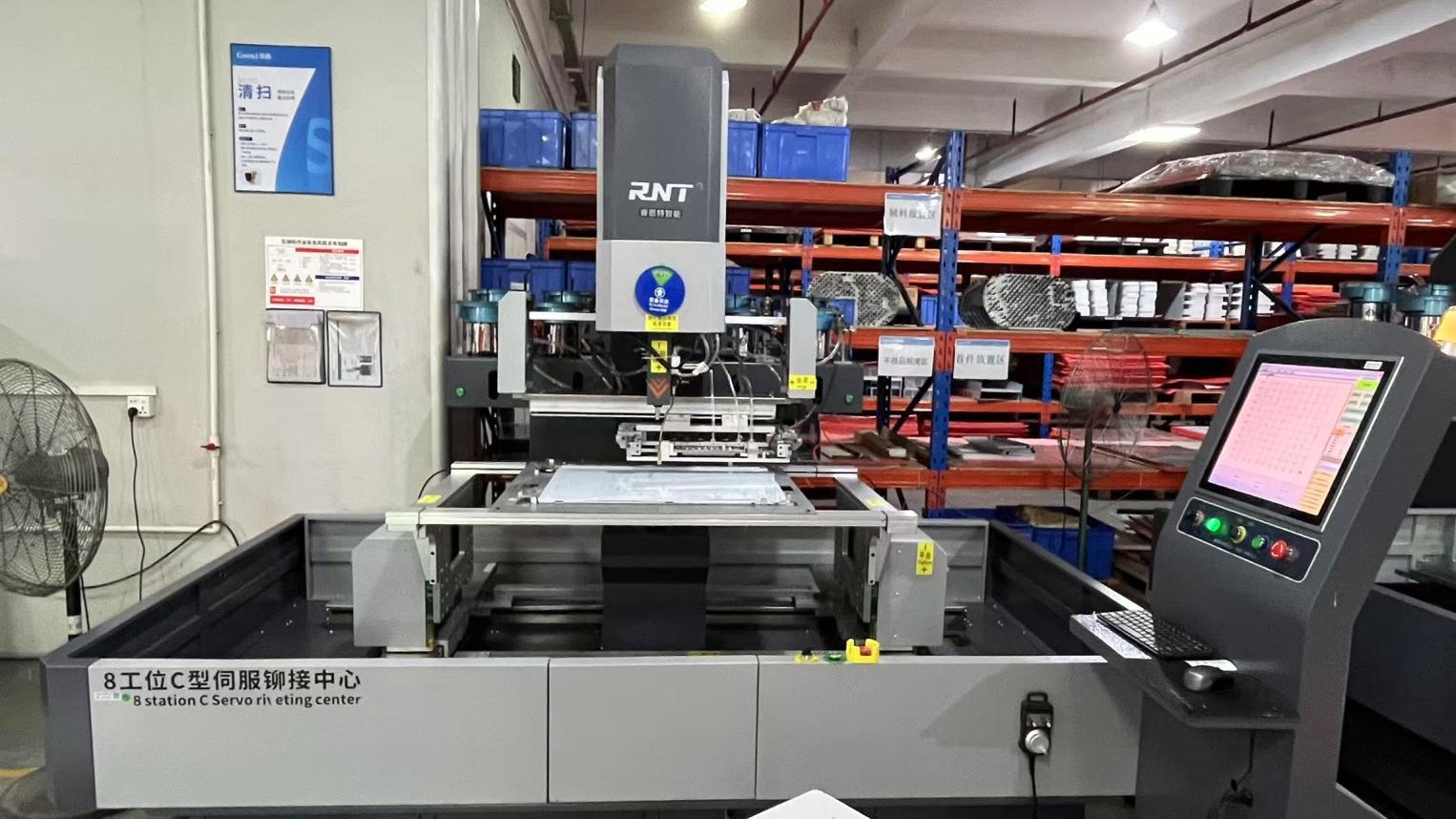
Precision Solder Assembly Line

100% Quality Inspection Hub

Eye-Diagram Mask & Signal Test
Transolix is a specialized optical transceiver manufacturer focused on high-performance fiber optic communication solutions for data centers, telecom operators, and industrial networks. Our engineering capabilities and production capacities enable us to deliver reliable, high-speed, and cost-effective optical connectivity products worldwide.
Transolix operates an internal testing and validation facility. Every transceiver—from the standard 1.25G 1310nm Duplex SC SMF module to customized 155M BiDi long-distance modules—undergoes automated testing protocols, including:
Transolix is built on a certified supply chain featuring 860 certified upstream suppliers, ensuring consistent access to chipsets, optics, and packaging options. This vertical integration allows us to offer extensive customization, including adjustments to wavelength, distance, protocol compatibility, and firmware.
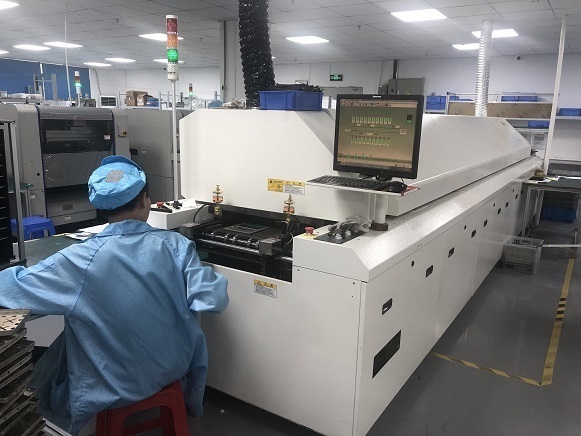
Precision Alignment Area

Micro-Circuit PCB Assembly
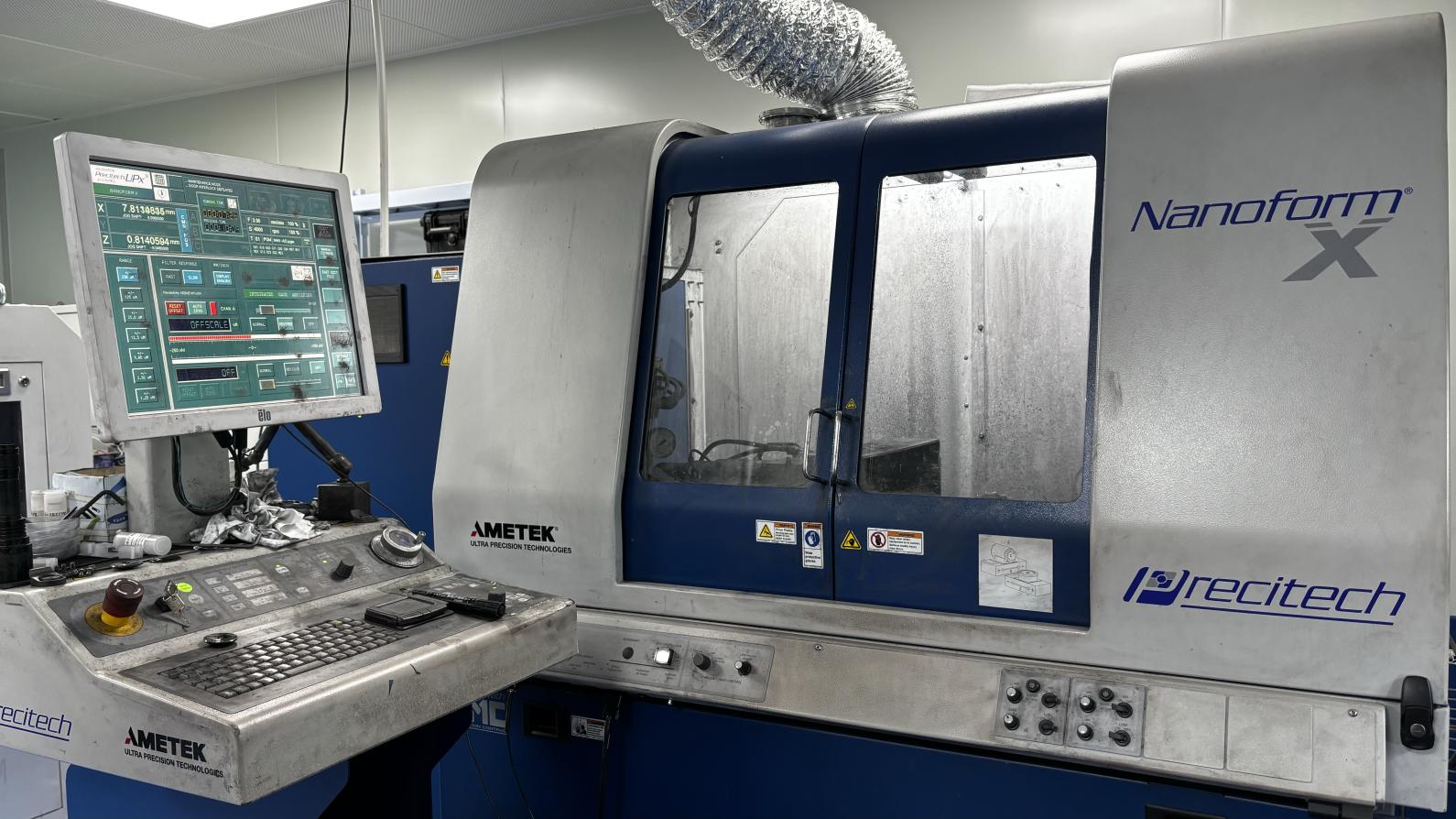
Global Distribution Center
As industrial networks shift toward higher-capacity backbones, legacy 1x9 setups face the challenge of coexisting with newer optical systems. To address this, Transolix maintains a clear technology roadmap:
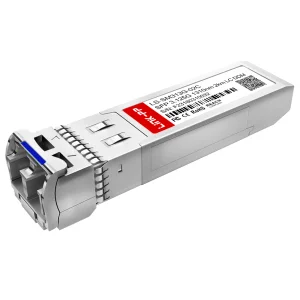
For networks upgrading from legacy 1x9 layouts to modular architectures, Transolix provides transition solutions. These include 3G SFP and 10GBASE-T Copper transceiver configurations, which allow legacy devices to connect with modern Gigabit Ethernet switches without needing complete hardware redesigns.
Bidirectional (BiDi) transmission on a single optical fiber is a key development area. By using complementary wavelengths—such as 1310nm-Tx/1550nm-Rx and 1490nm-Tx/1550nm-Rx—over single-mode fiber (SMF), Transolix BiDi modules enable up to 80km of transmission range. This approach reduces physical fiber infrastructure requirements by 50%, helping network operators lower installation and material costs.
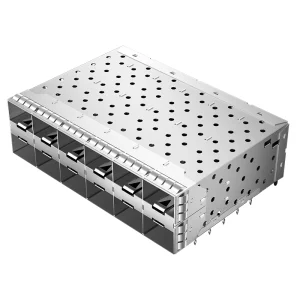
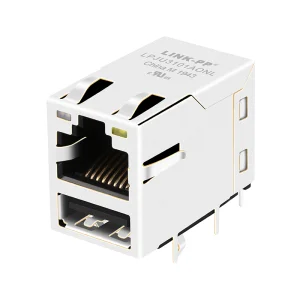
To support high port densities in modern industrial computers, Transolix manufactures compatible SFP cage assemblies and magnetic connectors. These components help maintain high signal integrity in tight configurations, preventing crosstalk and signal attenuation.
Answers to common engineering and deployment questions for 1x9 and industrial transceivers.
High-reliability optical components, passive network transformers, and copper transceiver modules.
 Transolix