Premium unshielded and shielded modular jacks engineered for precise signal routing on custom-designed PCB motherboards.
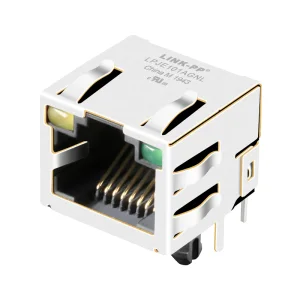
RJHSE-5381 RJHSE538X RJHSE5481 RJ45 Power Connector RJ 45 without Magnetics
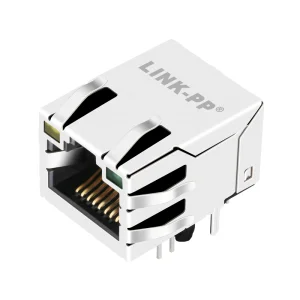
Entry Through-Hole PCB Mounting RJ45 Connector ARJ045-010156
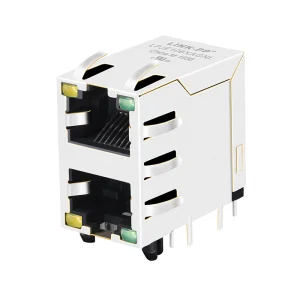
RJSAE-5381-02 615016245421 With G/Y Leds 2X1 Port RJ45 Connector Jack Without Magnetics
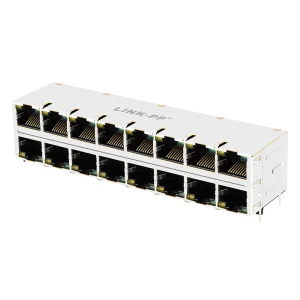
SS73100-047F E6588-GAHQB5-L Without Magnetics 2x8 Port Shielded Ethernet RJ45 Connectors
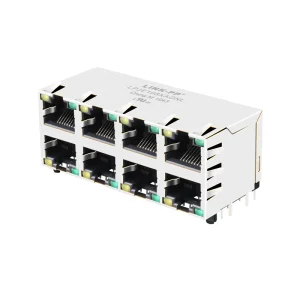
RJSNE-5381-08 RJSAE-5385-08 Without Magnetics 2x4 Port 8 Pin Ethernet RJ45 Connector
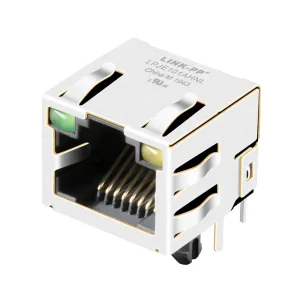
XRJM-S-01-8-8-X-F2 8P8C Shielded Ethernet RJ45 Modular Jack Price
Through Hole Networking Plastic RJ45 Modular Jack W/Y LED 1116173-4
LPJE101AHNL Single Port Without Magnetics Through Hole MagJack Short RJ45 Connector
In high-speed data transmission and communications design, the architectural debate between integrated modular jacks (commonly known as MagJacks) and discrete copper layout configurations remains a pivotal point of engineering. RJ45 female connectors without magnetics (also termed "un-magnetized" or "pure" RJ45 jacks) are components that exclude the internal magnetic isolation transformer and common-mode choke coils, delegating these processing modules to the physical system motherboard (PCB).
This layout shift represents a design philosophy focused on control, flexibility, thermal optimization, and high-frequency signal tuning. While integrated options offer drop-in simplicity, non-magnetic RJ45 connectors provide critical advantages for complex network cards, switch routing matrices, industrial PLC panels, and embedded applications where space, profile, cost, and EM management must be tailored to specific PHY architectures.
Choosing an RJ45 modular jack without magnetics provides engineering teams with the autonomy to select discrete transformers and filters matching their targeted PHY chip (such as Broadcom, Marvell, or Realtek platforms). The engineering rationales include:
The global connectivity landscape is undergoing a transition driven by the proliferation of WiFi 7 access points, edge AI nodes, smart factory automation, and multi-gigabit campus networks. Within these ecosystems, copper connectivity continues to play an essential role alongside optical fibers, demanding robust board-level components.
In industrial environments, electromagnetic interference (EMI) is a persistent challenge. Deploying non-magnetic RJ45 female connectors with targeted shielded housings (such as phosphor bronze shell materials with multi-point grounding tabs) enables designers to isolate the physical shield chassis from the system digital ground plane, keeping noise out of internal signal pathways. Additionally, as global telecom and cloud operators optimize their spending, utilizing simplified RJ45 jacks paired with centralized motherboard transformer ICs offers a cost-advantageous approach for high-density multi-port configurations, such as 2x4, 2x6, and 2x8 port configurations.
| Key Parameter | Standard Integrated Jack (MagJack) | Pure RJ45 Without Magnetics | Engineering Benefit of Non-Magnetic |
|---|---|---|---|
| Thermal Range | Limited by internal adhesive (-40°C to +85°C max) | Supports extended profiles (-40°C to +125°C option) | Optimal for rugged outdoor/industrial gear |
| Design Flexibility | Fixed transformation ratio (typically 1:1) | Adaptable to multiple transformer configurations | Universal matching for diverse chipsets/ASICs |
| Height Profile | Often >14.0mm (standard) or thicker | Low-profile styles available (<11.5mm) | Essential for blade-server & thin-client layouts |
| EMI Control | Pre-defined internal shield limits | Optimized discrete board-level EMI/RFI filters | Better optimization for complex EM compliance |
Transolix, established in 2016, is a manufacturer specializing in high-performance communication systems. Leveraging 11 years of deep industry expertise and 6 years of international B2B export operations, Transolix serves telecommunication operators, data center integrators, and OEM/ODM partners across North America, Europe, Southeast Asia, and the Middle East.
Our infrastructure covers a 320㎡ engineering hub supported by a network of 860 certified upstream material suppliers, guaranteeing consistent access to high-grade plastics (such as LCP for high-temperature reflow soldering), high-quality copper alloys, and advanced gold-plating solutions. With 42 quality control professionals, Transolix enforces rigorous inspection regimes conforming to ISO 9001 standards. This is backed by automated optical testing, eye diagram analysis, mechanical aging testing, and 100% final performance verification to ensure defect-free connectivity.
Operating out of advanced electronics manufacturing zones in China, Transolix incorporates Industry 4.0 manufacturing paradigms to secure quality and cost-effectiveness. Our precision injection molding and high-speed automated contact insertion lines reduce human variability to keep assembly tolerances within micrometer limits.
This automated framework translates to high-yield operations, minimizing defects in 8P8C multi-port arrays. Our close integration with China's domestic raw material supply chain ensures that changes in global supply chains do not impact delivery timelines. Whether you require custom LED placements, tailored contact gold plating thickness (from flash up to 50u"), or specialized high-durability housing designs, our 128 R&D engineers can swiftly design, prototype, and manufacture custom parts, reducing design cycles for global hardware developers.
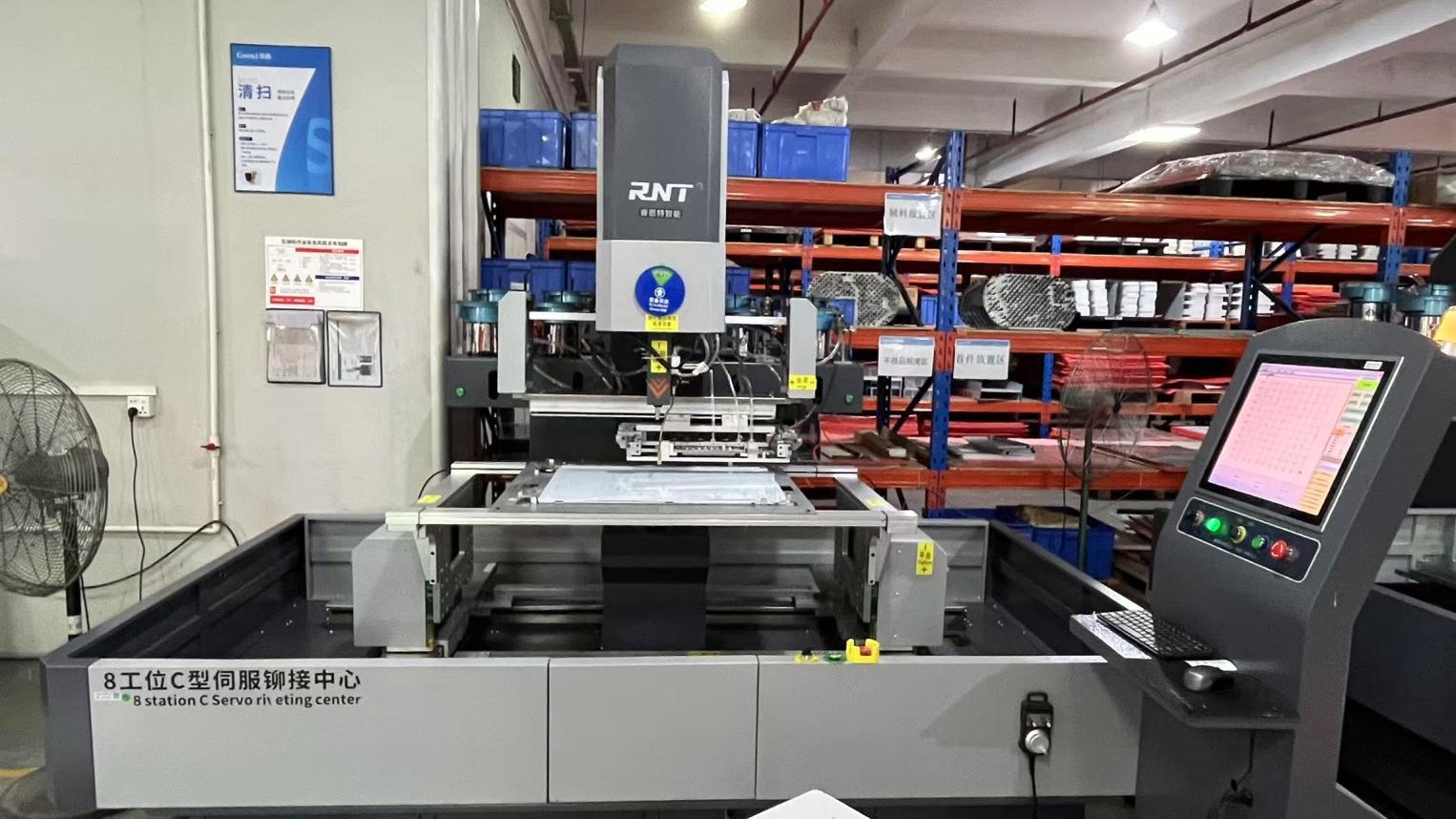
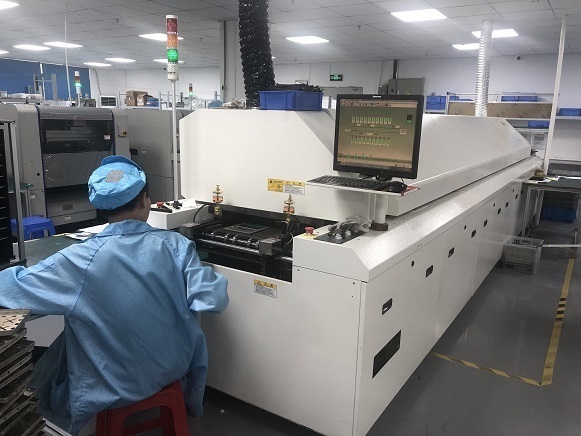
A glimpse into our production environments, showing our focus on quality control, automated production lines, and clean assembly halls.



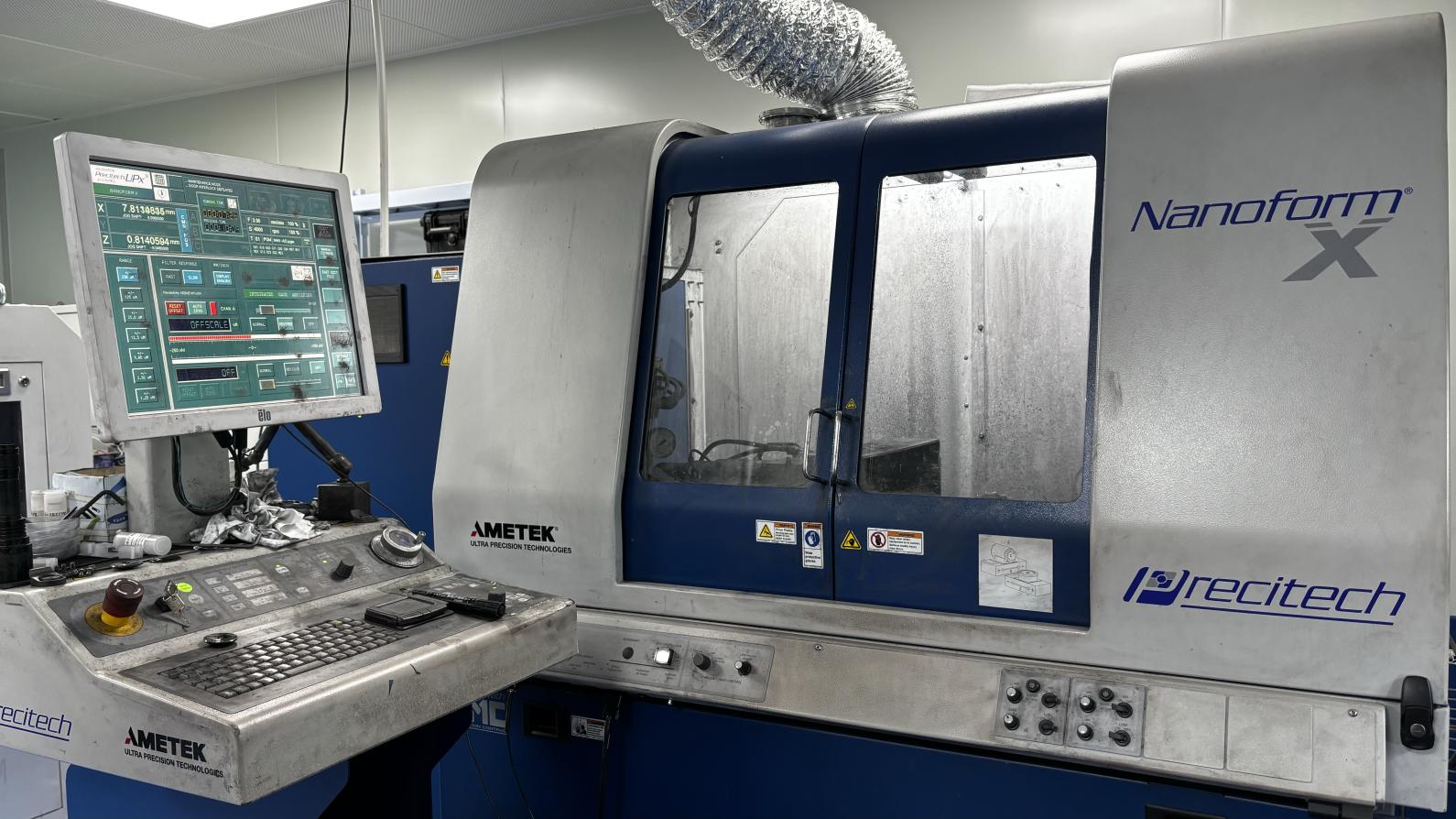
Get professional, authoritative answers to common design, engineering, and procurement questions regarding RJ45 connectors without magnetics.
Explore additional high-reliability modular jacks, shielded keystone modules, and multi-port configurations for your hardware platform.
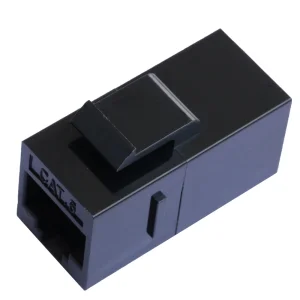
Network 8P8C Crystal Head Keystone Jack Connector RJ45 Cat6
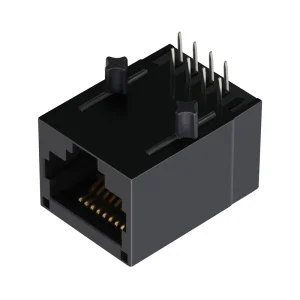
Without Magnetics 8P8C Ethernet RJ45 Network Female Jack
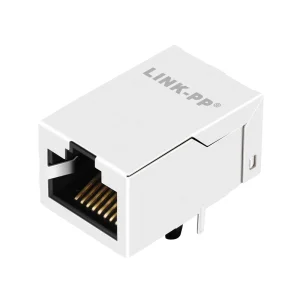
1-406541-5 Shielded Without Magnetics 8P8C RJ45 Modular Jack
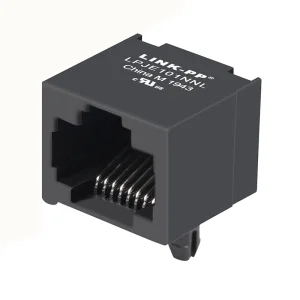
RJHSE-5085 without Transformer Jack RJ45 Female Connector
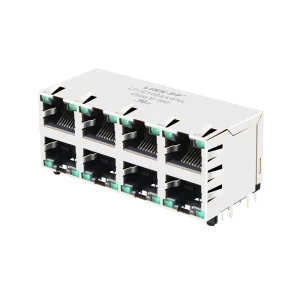
RJSAE-5385-08 withoout Transformer Shielded 2X4 Port RJ45 Modular Jack
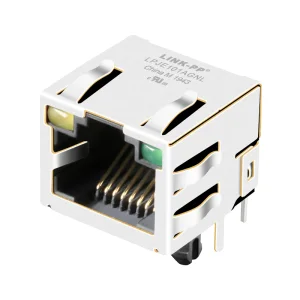
2-406549-1 Shielded 1 Port 8P8C Amp RJ45 Connector
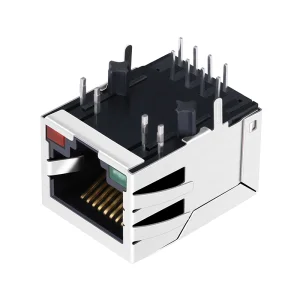
Customized 8P8C PCB Ethernet RJ45 Connector With LED
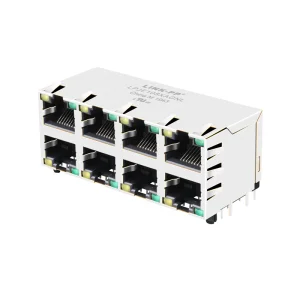
10118077-523B010LF 2x4 Ports Ethernet Female RJ45 Jack Without Magnetics
 Transolix