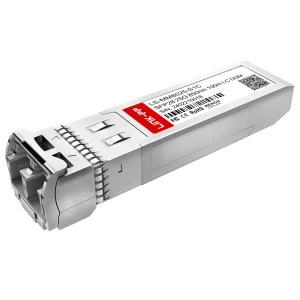
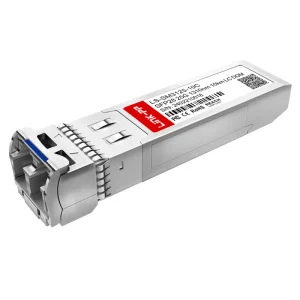
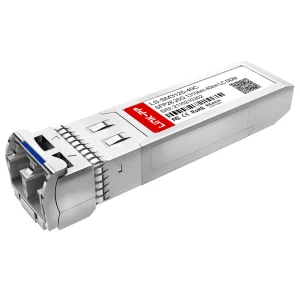
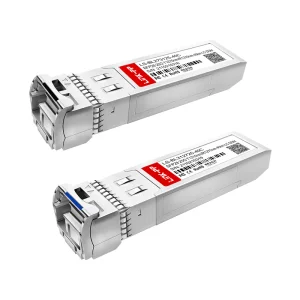
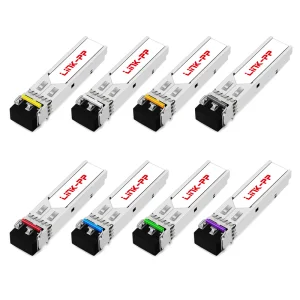
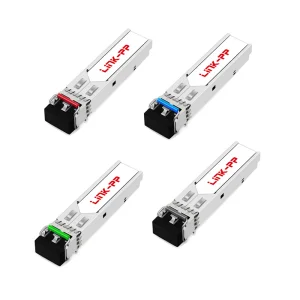
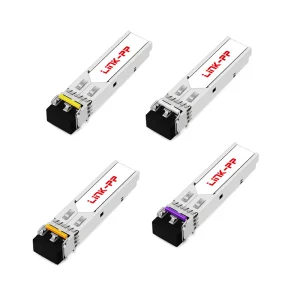
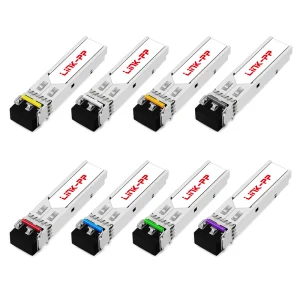
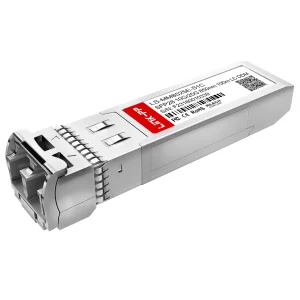
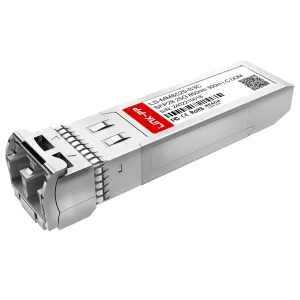
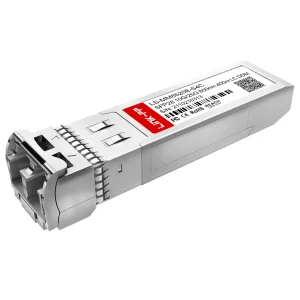
High-performance MSA-compliant optical transceivers tested with 100% interoperability guarantees on major network switches.
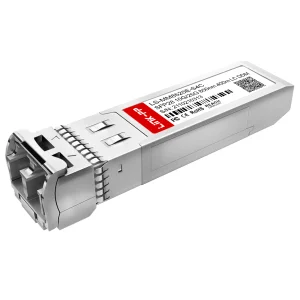
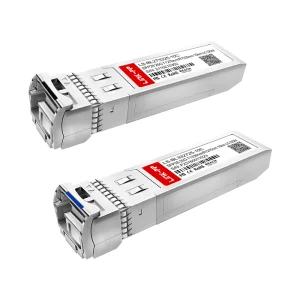
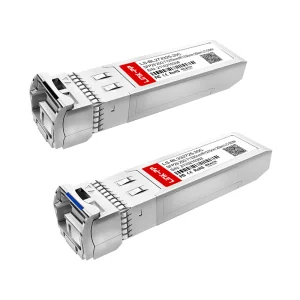
The global networking landscape is undergoing a massive structural shift. Traditional 10G Ethernet architectures are no longer sufficient to handle the bandwidth demands of modern applications, while 40G migration paths have proved to be economically inefficient for top-of-rack (ToR) switch connections. This is where 25G/32G SFP28 transceivers come in as the optimal solution for transition and growth.
Architecturally based on the SFP+ form factor, SFP28 modules utilize a single 25Gbps lane to transmit data, eliminating the complex lane-aggregation required in older 40G systems (which use four 10Gbps lanes). This design provides a 2.5x increase in bandwidth with a significantly reduced thermal footprint and cabling density. For storage networks (SANs), 32G Fibre Channel SFP28 modules offer the exact physical profile needed to support high-throughput, low-latency NVMe-over-Fabrics deployment schemes.
By bypassing the physical sizing constraints of larger form factors like QSFP, network engineers can optimize panel density while taking advantage of standard LC duplex connectivity, saving massive amounts in structural capital expenditure (CAPEX).
A decade of optical engineering excellence focused on absolute signal integrity and component reliability.
At Transolix, quality is not just a standard; it is our foundation. Operating with an internal reliability standard alongside ISO 9001 quality system certification, we maintain a dedicated staff of 42 QC professionals to ensure every transceiver module that leaves our facility performs flawlessly under real-world conditions.
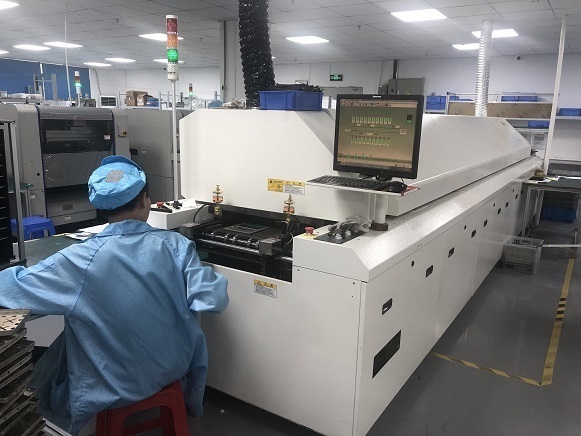
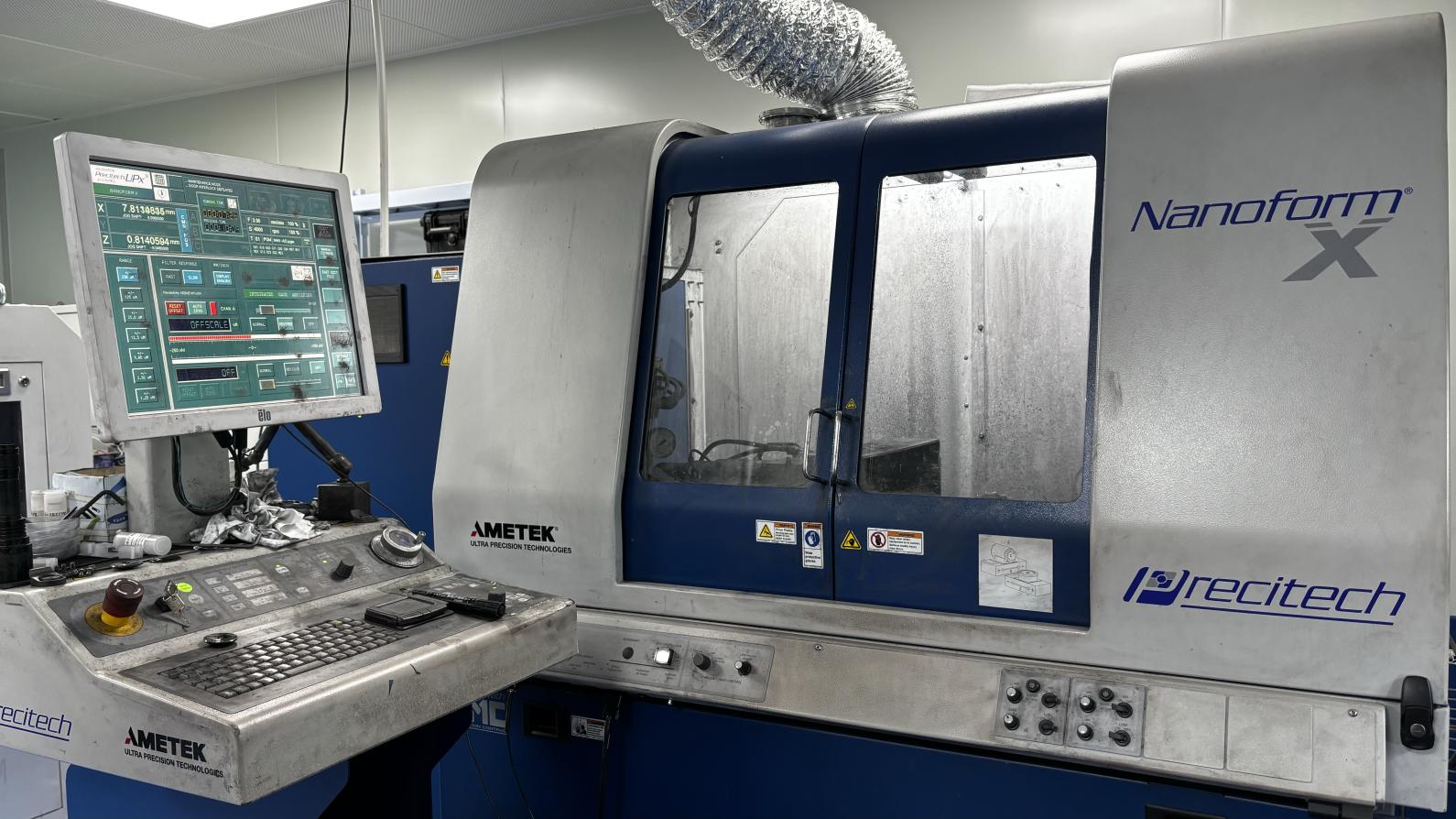
Our systematic testing methodology incorporates automated optical testing, eye diagram analysis for jitter and signal integrity, comprehensive environmental thermal aging tests, and 100% final performance compatibility verification on the target brand switch platforms (including Cisco, Juniper, Arista, and HPE). Our manufacturing ecosystem is reinforced by 860 certified upstream supply chain partners, guaranteeing reliable sourcing of high-precision optical sub-assemblies (OSA) and silicon circuitry.
Why global data centers choose Chinese-engineered transceivers for large-scale operations.
Our proximity to China's leading semiconductor and precision optics supply chains lets us source wafers, TO-can packaging materials, and micro-optics instantly, reducing design-to-delivery lead times by up to 40%.
Our engineering team customizes key module firmware, optical parameters, wavelength configurations, and internal EEPROM coding. We support OEM/ODM branding tailored to complex client systems.
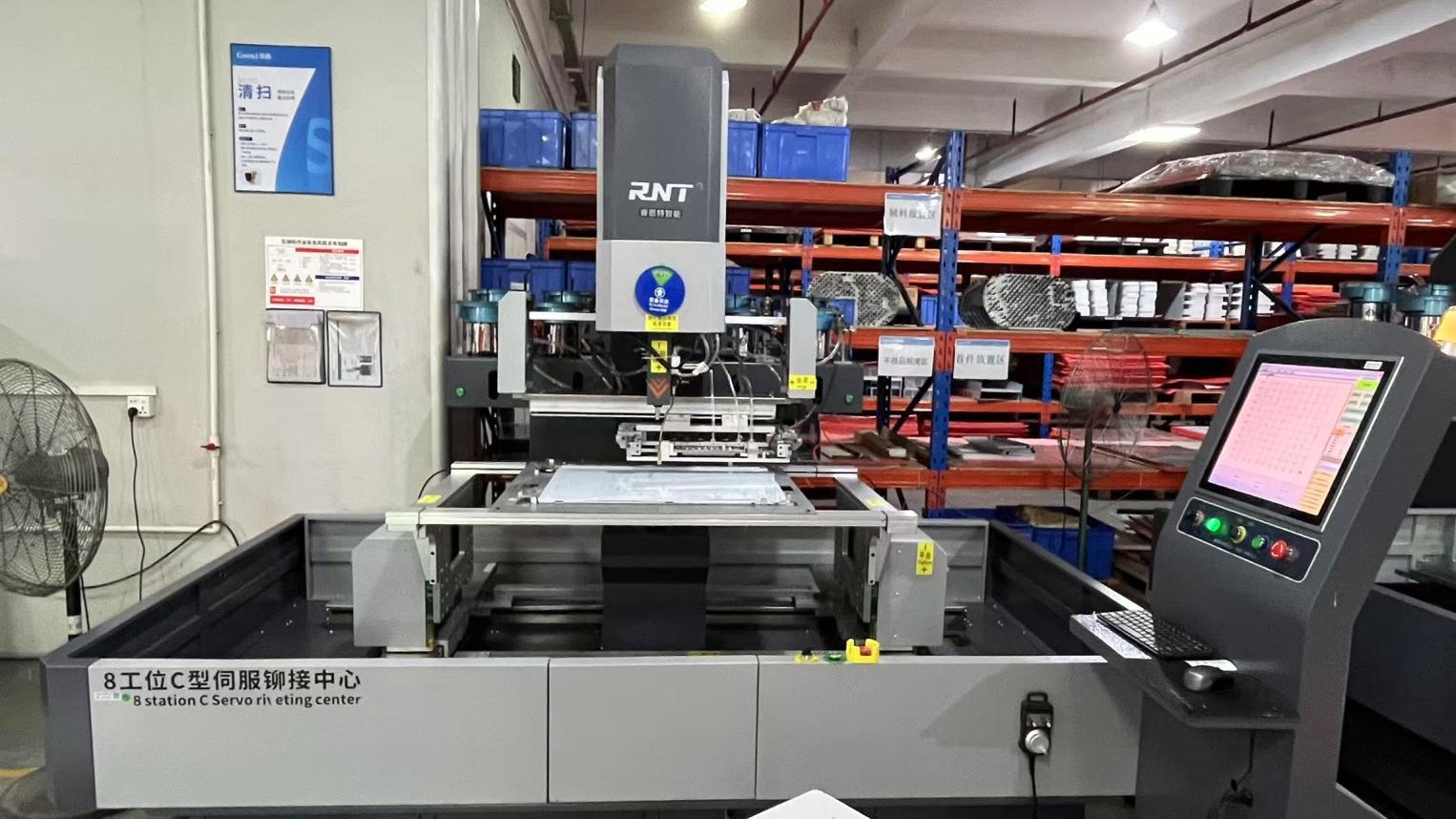
By leveraging advanced robotic chip pick-and-place, automated wire bonding, and automated optical calibration stations, we maintain consistent high yields while lowering unit assembly costs.
How high-performance SFP28 technologies drive industrial transformation globally.
Deploying Baseband Units (BBU) and Active Antenna Units (AAU) in remote radio towers demands industrial-temperature (-40°C to +85°C) rated 25G BiDi (Bidirectional) SFP28 transceivers. Operating over a single fiber strand using dual wavelengths (e.g., 1270nm/1310nm), our modules cut optical fiber leasing costs in half while securing latency profiles below microsecond ranges. This is critical for next-gen ultra-reliable low-latency (URLLC) services.
In modern flat Spine-Leaf topologies, 25G SFP28 transceivers provide the critical link between the server NICs and the top-of-rack (ToR) switch ports. SFP28 SR (Short Range) multimode transceivers allow for cost-effective rack-to-rack links up to 100 meters, while LR (Long Range) single-mode alternatives span up to 10km across separate data halls. This path enables seamless upgrade routes to 100G (4x 25G) and 400G backbones.
To match the read/write performance of high-density flash arrays, flash storage nodes employ 32G Fibre Channel SFP28 transceivers. These links prevent queue congestion during high-volume enterprise transactions, database writes, and disaster recovery replication operations.
For telco operators running resource-constrained links, CWDM and DWDM 25G SFP28 modules support passive multiplexing over standard dark fiber. Operators can bundle up to 40 distinct 25G traffic streams onto a single fiber pair, eliminating the need to trench new cables in urban environments.
Purchasing managers must navigate the hidden compatibility blocks set by OEM switch brands. When sourcing 25G/32G SFP28 modules, the key selection metrics must include:
EEPROM/MCU Coding: Ensuring proper vendor key signature and checksum values to prevent "unrecognized module" port shutdown warnings.
Real-Time DDM: Tracking transceiver temperature, bias current, optical TX power, RX power, and supply voltage.
Thermal Dissipation Profile: Designing modules with high-efficiency heatsinks to avoid thermal throttling during peak operations.
Each batch of Transolix modules is fully aligned with global multi-source agreements (MSA). This ensures that physical dimensions, electrical interfaces, and optical characteristics match generic industry platforms, preserving system interoperability across mixed environments.
Additionally, our 128 R&D engineers continuously develop new models (such as the 86 models released last year) to stay ahead of upcoming network standards, guaranteeing that your fiber infrastructure upgrades remain secure and future-proof.
Detailed answers to critical engineering and procurement inquiries regarding 25G/32G SFP28 modules.
High-reach, single-mode CWDM, DWDM, and LWDM optical transceivers for metro transport networks.
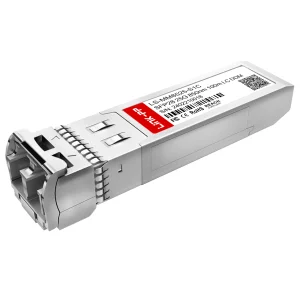
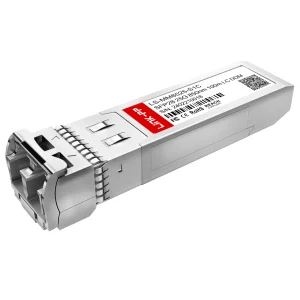
Inside our quality-controlled assembly line and laboratory environments where precision reliability is built.



 Transolix