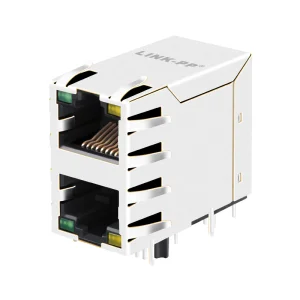
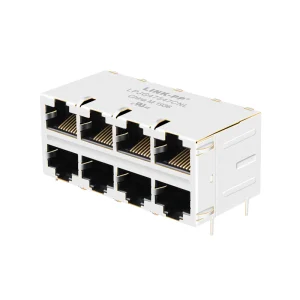
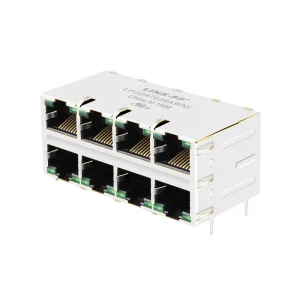
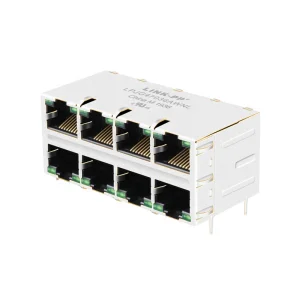
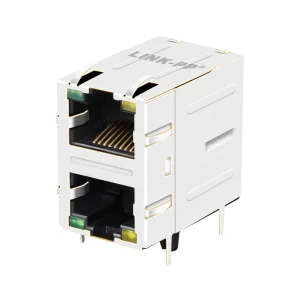
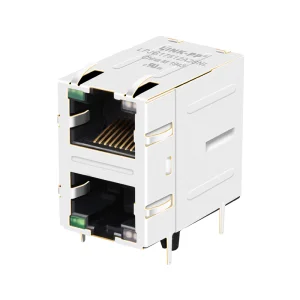
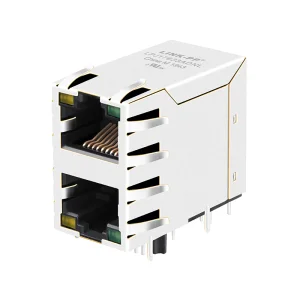
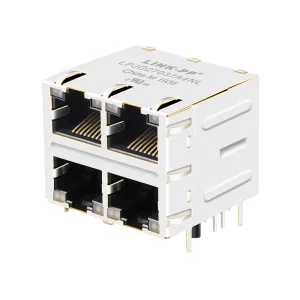
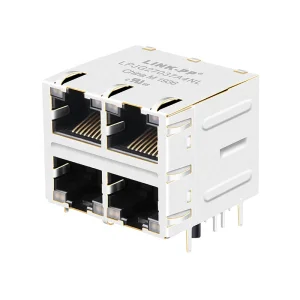
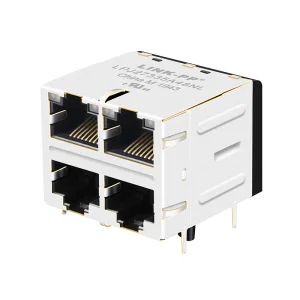
Rj45 Female Connector Stacked Port RJ45 Connector Factories & Factory

High-Density Multi-Port Integration, High-Speed Performance Configurations, & Precision Chinese Manufacturing Powerhouse

1. Industry Overview: The Crucial Role of Stacked Port RJ45 Connectors in Global Infrastructure

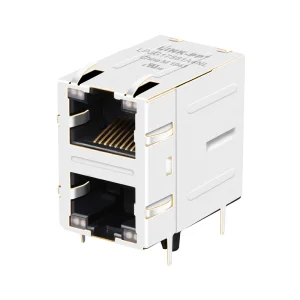
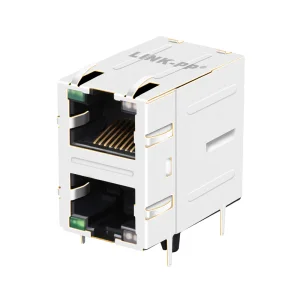
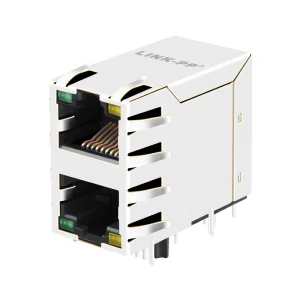
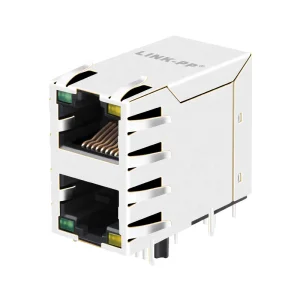
In the rapidly changing world of telecommunications, industrial networking, and data center architectures, physical layer connectivity is the foundation of digital transformation. The Stacked Port RJ45 Connector is a key hardware component designed to meet the growing need for high port density and space efficiency on printed circuit boards (PCBs). Stacked connectors double the density of RJ45 ports in a given footprint by placing two rows of female modular jacks on top of each other. This setup is critical for managing physical ports in network switches, edge routers, and enterprise servers.

"Global data transmission requirements are growing at a CAGR of over 25%, forcing hardware engineers to balance thermal performance, space utilization, and signal integrity at the physical layer interface."

These stacked interfaces support high data speeds ranging from standard Fast Ethernet (10/100 Base-T) and Gigabit Ethernet (1GbE) to advanced multi-gigabit protocols including 2.5G, 5G, and 10G Base-T. They feature integrated magnetic components (frequently called MagJacks), shielding options to prevent electromagnetic interference (EMI), and LEDs for status indication. As global enterprises upgrade to support IoT and next-generation computing, the demand for reliable RJ45 female connector systems has made choice of supplier a critical factor in supply chain security.

2. Technical Breakdown: Signal Integrity, PoE Integration, and Shielding

High-speed copper interconnects face physical limitations. At frequencies required for 10G Base-T transmission (up to 500 MHz), signal integrity issues such as insertion loss, return loss, and near-end crosstalk (NEXT) become major engineering challenges. Stacked Port RJ45 Connectors must be designed to mitigate these issues:

  • Integrated Magnetics (MagJack technology): Placing isolation transformers and common-mode chokes inside the RJ45 housing provides noise filtering, impedance matching, and high-voltage isolation (up to 1500V AC RMS) required by IEEE 802.3 standards. This eliminates discrete components from the PCB, saving up to 50% more space.
  • EMI Shielding and EMI Fingers: High-density environments generate electromagnetic interference. A premium brass or copper alloy outer shield, plated with nickel and fitted with multi-point EMI grounding fingers, keeps radiation contained and blocks external noise.
  • Power over Ethernet (PoE/PoE+/PoE++): Modern systems carry both data and power. Stacked ports must support currents up to 1A per pin to run PoE+ (IEEE 802.3at) and PoE++ (IEEE 802.3bt). This requires robust thermal management to prevent excessive heat buildup inside the stacked housing.
Supported Bandwidth Up to 10 Gbps (Cat6a)
Dielectric Strength 1500V AC RMS Min
Gold Contact Plating 3u" to 50u" Options
PoE Compatibility PoE, PoE+, PoE++ Ready

3. Transolix Corporate Profile: High-Performance Connectivity Solutions

Transolix is an established optical transceiver and high-performance interconnect manufacturer specializing in fiber optic communication systems and copper networking components. Serving global data centers, telecom operators, and enterprise networks, Transolix provides reliable physical layer connectivity engineered for modern networks.

2016
Established Year
320 ㎡
Corporate HQ Area
$8-15M
Annual Export Revenue
128
R&D Engineers

With 11 years of industry experience and 6 years of international export operations, Transolix bridges the gap between high-speed active components and passive connectors. The company's manufacturing capability and upstream supplier network of 860 certified partners ensure stable material supply and strict quality control. Transolix supports extensive customization options, including specific pinout designs, LED configurations, variable gold plating thicknesses, and targeted EMI finger setups.

4. China's Industrial Role & Manufacturing Efficiencies

China remains a vital source for physical connectivity components like RJ45 connectors. The concentration of component manufacturing in key industrial hubs provides advantages that are difficult to match elsewhere:

Integrated Supply Chains

Proximity to raw materials, copper processing, precision plastic injection molding, and packaging suppliers keeps lead times short and limits logistics costs.

Automated Assembly & Quality Testing

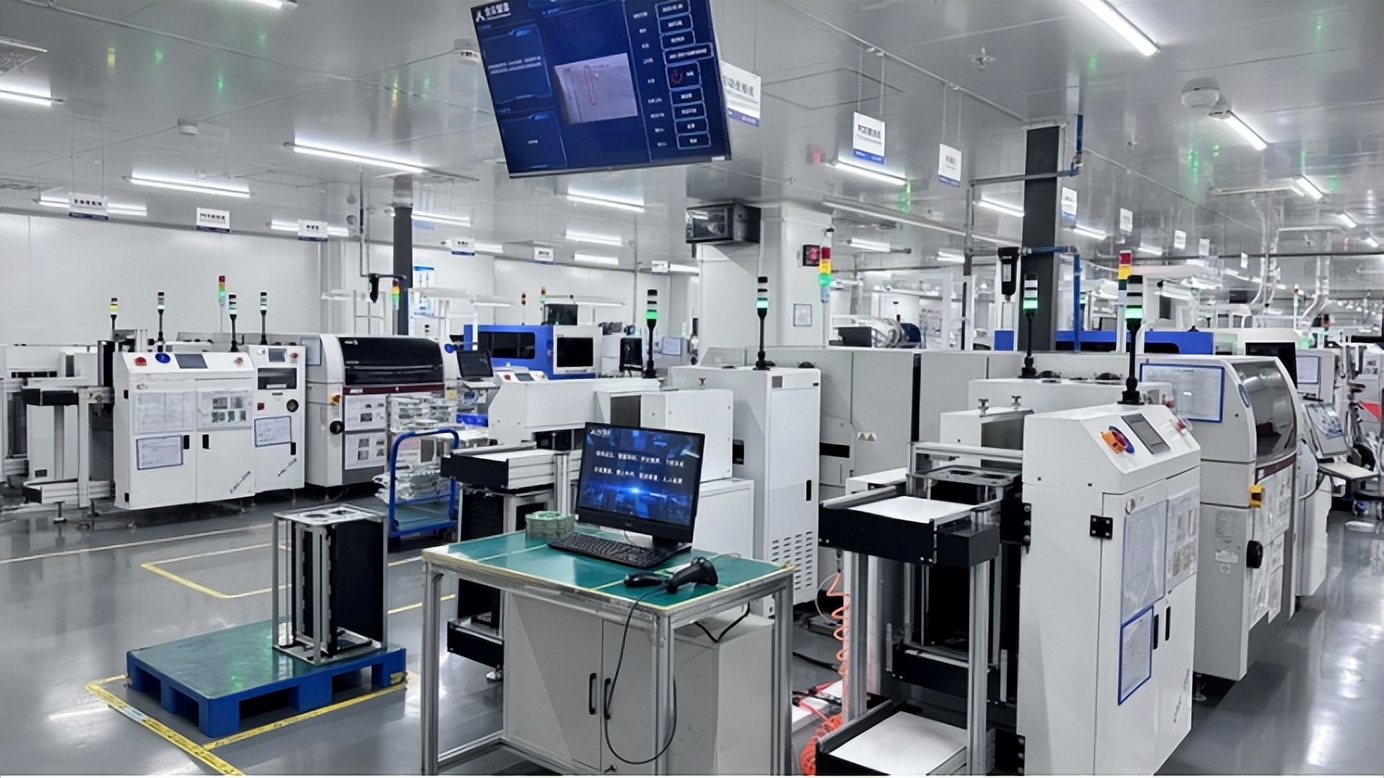
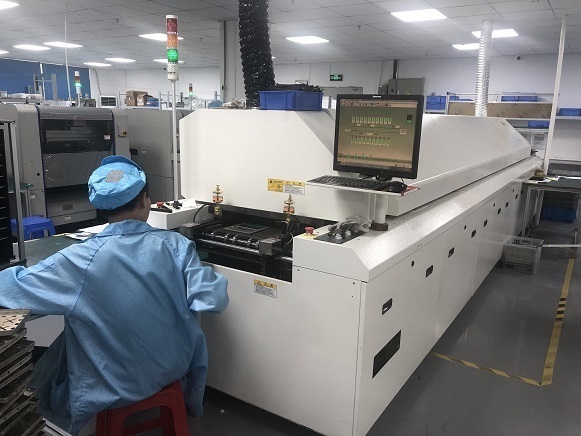
Modern factories utilize automated insert-molding, automated optical inspection (AOI), and robotic electrical testing, minimizing production defects.

High Customization Flexibility

Chinese factories can adapt tool designs quickly to produce custom pinouts, specialized EMI contact configurations, and custom heights.

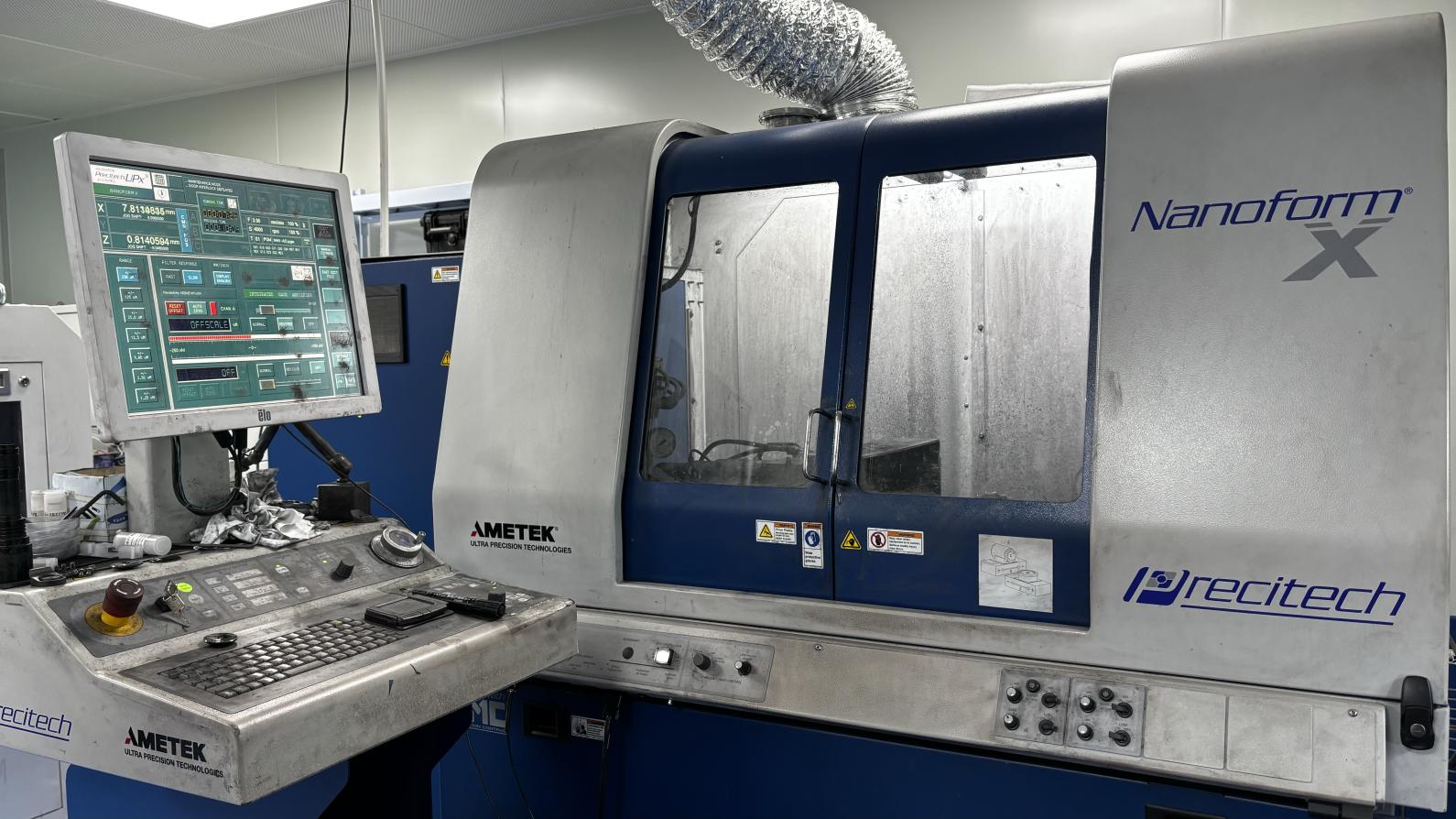
Transolix utilizes its 42 dedicated quality assurance staff to maintain strict quality standards, employing automated optical testing, eye diagram analysis, thermal aging chambers, and 100% final performance verification. This rigorous process guarantees that high-density connectors perform reliably in demanding, high-traffic industrial environments.

5. Application Scenarios & Global Procurement Standards

Stacked Port RJ45 Connectors are used across a range of high-bandwidth industries:

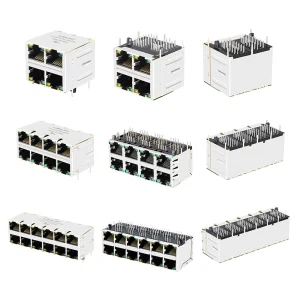
  • Enterprise Networking & Data Centers: High-density switches (e.g., 24-port and 48-port 1U switches) rely on 2x4 and 2x8 stacked RJ45 setups to double the port count in standard rack mount designs.
  • Industrial Automation (Industrial Ethernet): PLCs, industrial gateways, and automation controllers require shielded, ruggedized stacked connectors to ensure reliable data transmission despite heavy motor noise and vibration.
  • Telecommunications & Small Cells: High-speed 2.5G/5G Base-T PoE+ connectors are used in small cell hubs and outdoor telecom enclosures to deliver power and return path data simultaneously.
"Procurement directors should prioritize mechanical durability (minimum 750 mating cycles), flame retardancy ratings (UL 94 V-0), and compliance with European RoHS and REACH standards."

Key Trends Driving the Industry

The shift toward Multi-Gigabit Ethernet (2.5G and 5G) is replacing older 10/100/1000 Base-T hardware. With Wi-Fi 6E and Wi-Fi 7 access points exceeding gigabit speeds, uplink connections require 2.5G or 5G RJ45 interfaces with PoE capability. Additionally, the industrial IoT transition is accelerating the demand for ruggedized connectors that feature extended temperature ranges (-40°C to +85°C) to withstand challenging field conditions.

6. Q&A / Technical FAQ

Q1: What are the main benefits of Integrated Magnetics (MagJacks) in stacked RJ45 connectors?
Integrated magnetics place standard filtering components (transformers, chokes, and capacitors) inside the connector housing. This layout improves signal integrity by keeping electromagnetic loops short, while saving up to 50% of PCB space compared to discrete components.
Q2: How does PoE+ affect thermal considerations in stacked port configurations?
PoE+ passes electrical current through the signal wires, generating heat (I²R losses). In a stacked port (such as a 2x4 or 2x8 connector), heat can build up in the inner ports. Utilizing heat-resistant plastics (such as LCP or high-temperature Nylon) and selecting high-conductivity contacts with thick gold plating help reduce contact resistance and prevent thermal failure.
Q3: Why is gold plating thickness critical for industrial RJ45 female connectors?
Gold plating protects the copper alloy contacts from oxidation and wear during insertion. Standard consumer applications may use 3u" to 6u" gold flash, but industrial and telecom networks typically require 30u" or 50u" gold plating to survive up to 750 mating cycles and resist corrosive atmospheres.
Q4: How do EMI fingers work on shielded stacked RJ45 connectors?
EMI fingers are spring-like metal tabs on the outer metal shield. When the connector is mounted in a chassis, these fingers make multi-point contact with the panel. This routes high-frequency noise directly to ground, preventing radiation leakage and protecting signals from external electromagnetic interference.
Q5: Can Cat6a stacked RJ45 connectors be used on Cat5e cabling?
Yes, RJ45 connectors are backward-compatible. A Cat6a stacked connector works with Cat5e or Cat6 cables, though the transmission speed will be limited by the performance of the lowest category cabling in the link.

Precision Quality Control & Manufacturing

Direct look inside the production facilities, testing laboratories, and assembly processes.

All Stacked Port RJ45 Connector Products