In the rapidly evolving world of data communication, the QSFP-DD transceiver stands as a pivotal component. It plays a critical role in enhancing bandwidth and efficiency. Many global buyers are now seeking the best options to meet their network demands. Choosing the right QSFP-DD transceiver isn't straightforward. With various specifications and compatibility factors, it's essential to be well-informed.
These transceivers offer speeds up to 400 Gbps. However, not all options meet quality standards, and buyers must navigate this complexity. Understanding the technical specifications is necessary for making informed choices. Many vendors claim superiority, but a lack of transparency can mislead potential buyers. It is vital to research thoroughly and evaluate the credibility of manufacturers.
With multiple players in the market, finding the best QSFP-DD transceiver means weighing performance against price. Trusted options focus on durability and reliability, but sometimes affordability takes precedence. Balancing these factors can be challenging. Buyers should consider both current needs and future scalability. A thoughtful approach involves assessing not only immediate requirements but also long-term implications.
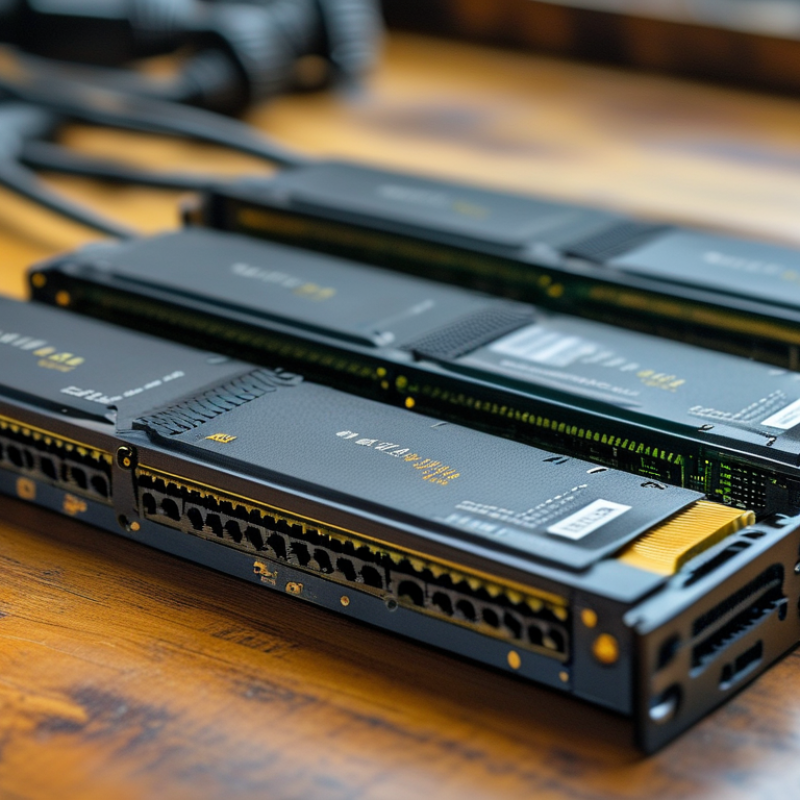
The demand for robust networking solutions has led to the rise of QSFP-DD transceivers. These devices are essential for high-speed data transmission in various applications, including data centers and telecommunications. Their compact design and enhanced capabilities make them suitable for modern networking needs. Buyers should consider multiple factors when selecting transceivers, including compatibility, speed, and energy efficiency.
In a rapidly evolving market, choices can be overwhelming. Not all options are equal, and some may not meet specific requirements. It’s crucial to evaluate performance metrics and connection types. Additionally, the longevity of the transceiver plays a vital role in its overall effectiveness. Many buyers overlook this aspect, leading to frequent replacements and increased costs.
Price is not the only consideration. Quality matters significantly in maintaining network reliability. Opting for cheaper models may result in unexpected failures. The right transceiver should balance cost and performance. With ongoing advancements, keeping up with trends is essential. Regular reviews of the products can lead to better-informed decisions and improved network performance.
| Option | Data Rate (Gbps) | Distance (m) | Connector Type | Wavelength (nm) | Application |
|---|---|---|---|---|---|
| Option 1 | 400 | 500 | LC | 850 | Data Center |
| Option 2 | 200 | 300 | MPO | 1310 | Telecommunication |
| Option 3 | 100 | 100 | LC | 1550 | Long-Distance |
| Option 4 | 400 | 1000 | MPO | 850 | High-Bandwidth |
The QSFP-DD transceiver technology offers significant advancements for high-speed data transmission. Covering distances up to 500 meters, it supports 400G Ethernet and other high-bandwidth applications. According to a recent report by ResearchAndMarkets, the global QSFP-DD market is projected to grow at a CAGR of over 25% by 2025. This substantial growth highlights the rising demand for faster and more reliable connections in data centers.
Understanding the standards behind QSFP-DD is crucial for global buyers. This technology complies with the Optical Internetworking Forum (OIF) and IEEE standards, ensuring compatibility across different vendors. The design allows for higher port density while maintaining low power consumption. Buyers must weigh their options carefully. Some may overlook the specific requirements of their network setup, leading to inefficiencies.
Reliability remains a key concern. With the rapid evolution of technology, buyers should be aware that not all transceivers can deliver advertised performance. Testing and vendor reputation are essential. Misjudging the quality can result in downtime or increased maintenance costs. Staying informed about industry standards will help buyers make better choices.
When choosing a QSFP-DD transceiver, several key features should be prioritized. Data rate is crucial—most transceivers support 100G and even 400G options. Bandwidth capacity varies widely. For instance, optics designed for short distances may not deliver the same performance at longer ranges. Understanding the specific needs of your network is essential.
Compatibility is another significant factor. Different systems may require specific types of transceivers. Ensuring your choice aligns with existing hardware can prevent costly errors. Power consumption also matters. Higher efficiency can lead to lower operational costs. However, striving for energy efficiency sometimes means compromising on performance.
Optical performance metrics such as sensitivity and reach need careful consideration too. Sensitivity affects signal quality, which is vital for maintaining data integrity. Additionally, optical reach determines how far signals can travel without losing quality. Testing performance might reveal gaps that can affect overall network efficiency. These intricacies illustrate the importance of thorough planning and understanding in selecting the right QSFP-DD transceiver.
The QSFP-DD transceiver market is expanding rapidly. Buyers face a variety of choices, each with unique features. Important factors include data rates, power consumption, and compatibility. Some transceivers excel at high bandwidth capabilities, reaching up to 400 Gbps. Others focus on energy efficiency, appealing to environmentally conscious consumers.
Comparative analysis shows that build quality matters. Transceivers made from robust materials often provide better reliability. However, some budget options may perform adequately but lack durability. Buyers should consider long-term use. Warranty and support also play critical roles in the decision-making process. Brands with comprehensive customer service tend to build trust in the market.
Pricing varies significantly, complicating the selection process. Cheap alternatives may deceive with flashy specifications. In contrast, premium options often deliver performance and longevity. Evaluating user reviews and expert opinions can guide buyers. Many users report mixed experiences, highlighting the need for careful research. Understanding individual needs is essential for making informed choices in this competitive landscape.
The transition to QSFP-DD transceivers reflects significant market trends. These high-density modules offer impressive data rates. As data centers expand, the need for faster connections grows. QSFP-DD supports up to 400 Gbps, vital for modern networking demands. Its compact design allows for more ports in the same space. This efficiency is essential for optimizing data center resources.
Future prospects for QSFP-DD transceivers appear promising. Adoption rates are increasing across various industries. Companies are seeking higher bandwidth and lower latency solutions. Continued advancements in optical technology will drive innovation. However, challenges remain. Compatibility with legacy systems can hinder integration. Additionally, there are concerns over supply chain stability. Thus, buyers must consider long-term strategies.
Investing in QSFP-DD transceivers involves understanding market dynamics. Global demand is growing, yet so are the complexities. Buyers should weigh performance against cost. The shift toward higher capacity solutions requires careful planning. A nuanced approach to procurement can enhance network efficiency. Understanding these factors ensures informed decision-making.
: They are essential for high-speed data transmission in data centers and telecommunications.
Different vendors may use varied standards, affecting network efficiency and performance.
Cheaper models can lead to failures, impacting network reliability and overall costs.
It supports data rates up to 400 Gbps, vital for modern networking needs.
It allows for higher port density, optimizing space in data centers.
Frequent replacements can increase costs and downtime, affecting overall effectiveness.
The need for faster connections is rising as data centers expand.
Compatibility with legacy systems and supply chain stability can be significant hurdles.
It's projected to grow at a CAGR of over 25% by 2025 due to rising demand.
Stay updated on industry standards and evaluate vendor reputation to avoid misjudgments.
In the rapidly evolving landscape of data communications, the QSFP-DD transceiver has emerged as a vital component for enhancing network performance and capacity. This article explores top QSFP-DD transceiver options available for global buyers, emphasizing the importance of understanding the underlying technology and standards. Key features such as data rate, power consumption, and form factor are critical considerations for anyone looking to choose the right QSFP-DD transceiver to meet their specific needs.
Additionally, the article provides a comparative analysis of leading QSFP-DD transceiver brands, highlighting their strengths and weaknesses. It also delves into current market trends and future prospects for QSFP-DD transceivers, indicating a growing demand as networks continue to push for faster and more efficient solutions. As the industry progresses, buyers are encouraged to stay informed about innovations in QSFP-DD transceiver technology to make educated purchasing decisions.

Transolix